Why Choose a Fiber Laser Cutting Machine for Metal?

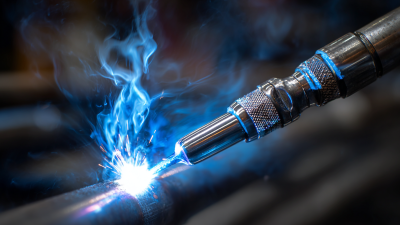
Metal fabrication is moving toward faster, cleaner, and more digitally controlled production. A fiber laser cutting machine fits this shift by producing a concentrated beam through optical fiber. It can cut stainless steel, carbon steel, aluminum, and other conductive metals with narrow kerfs and limited heat distortion. On a shop floor, this means fewer rough edges, less secondary grinding, and more consistent parts from a 2 mm sheet.

Industry data supports the growing interest. The MarketsandMarkets Laser Cutting Machine Market report identifies fiber lasers as a major growth area because of their efficiency, lower maintenance needs, and suitability for automated production. Grand View Research also reports strong expansion in the global laser technology market, driven by automotive, aerospace, electronics, and general metalworking applications. These sectors demand repeatable accuracy, faster cycle times, and reliable material utilization. A properly configured fiber laser can help meet those demands while reducing consumable costs compared with many traditional cutting systems.

The benefits are practical. Operators can load a nesting program, monitor piercing, and inspect clean contours under consistent lighting. However, equipment choice requires careful judgment. Power rating alone does not guarantee productivity. Material thickness, assist gas, nozzle condition, lens cleanliness, software quality, and operator training all influence results. That part is often underestimated. Reports provide useful market direction, but factory trials remain essential. A serious evaluation should measure cutting speed, edge quality, energy use, maintenance time, and total cost per finished part. When these factors align, a fiber laser cutting machine becomes more than a modern purchase; it becomes a measurable production strategy.
Why Choose a Fiber Laser Cutting Machine for Metal?

How Fiber Laser Cutting Machines Process Metal

Why Choose a Fiber Laser Cutting Machine for Metal?

How Fiber Laser Cutting Machines Process Metal

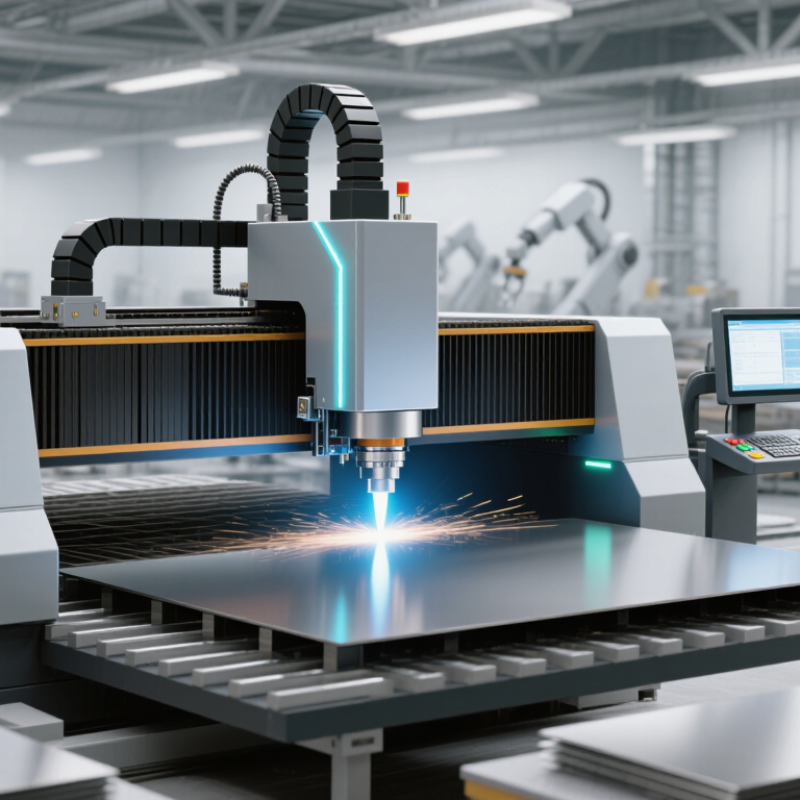
A fiber laser cutting machine directs concentrated light through a cutting head onto a metal sheet. The focused beam heats a small spot until the material melts or vaporizes. Assist gas then clears molten metal from the cut. The result is a narrow kerf and a defined edge. It happens quickly.

Before cutting, an operator loads a digital profile and sets parameters such as power, speed, focus, and gas pressure. These settings depend on the metal type and thickness. Stainless steel, aluminum, and mild steel respond differently, so a setting that works well on one sheet may leave rough edges on another. Test cuts help reveal problems before a full production run.

During operation, motion controls guide the cutting head along the programmed path while sensors help maintain focus and distance from the sheet. Clean optics, stable material, and regular maintenance matter. Even a small shift in focus can change edge quality. Fiber laser systems can process many metal parts efficiently, but they are not effortless: thin offcuts may move, and complex profiles can still need careful finishing.
Key Advantages of Fiber Laser Cutting for Metal

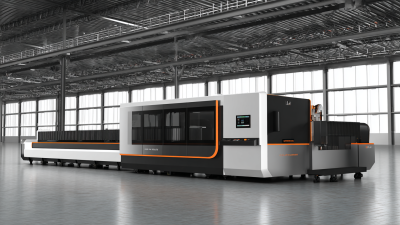
A fiber laser cutting machine uses a concentrated beam to cut metal with a narrow kerf and a small heat-affected area. On stainless steel sheet, this can leave clean edges and reduce the time spent removing burrs. Results still depend on material thickness, focus, and cutting settings. A shiny edge is not guaranteed.

Speed is a key advantage, especially when processing thin sheet or repeated profiles. The beam moves without a cutting tool touching the metal, so there is no blade to dull or replace. Less mechanical contact can also help maintain consistent cuts across a batch. Small details matter.

Fiber systems can cut many common metals, including carbon steel, stainless steel, and aluminum, when matched to suitable power and settings. They are also efficient at converting electrical energy into laser output, which may help control operating costs. Yet the machine itself is only part of the equation. Assist gas, extraction, maintenance, and operator skill affect cut quality and total expense. A practical choice starts with the actual materials, thicknesses, and daily workload—not the most impressive specification.

Metals and Applications Suited to Fiber Laser Cutting

Fiber laser cutting is well suited to many common sheet metals, especially carbon steel, stainless steel, and aluminum. On a clean stainless-steel sheet, it can produce narrow kerfs and crisp edges for enclosures, kitchen equipment, and architectural panels. Carbon steel is widely used for brackets, machine guards, and structural components. The right result still depends on thickness, assist gas, and machine setup.

Aluminum cuts efficiently when the laser power and process settings match the material. It is common in transport parts, housings, and lightweight frames. Copper and brass can also be processed, but their high reflectivity and thermal conductivity make setup more demanding. Use equipment designed for reflective metals, and verify the cut on a sample. Small differences matter.

Application details should guide material choice. A thin decorative panel has different needs from a thick load-bearing part. Fiber lasers are often valued for speed and fine features, but they are not ideal for every thickness or edge requirement. Check the material grade, sheet condition, and desired finish before production. Even a familiar alloy can behave differently than expected.

Why Choose a Fiber Laser Cutting Machine for Metal? - Metals and Applications Suited to Fiber Laser Cutting

Metal Typical Cutting Range* Why Fiber Laser Cutting Is Suitable Common Applications Typical Edge and Process Considerations
Mild Steel Approximately 0.5–25 mm, depending on laser power, gas, and machine configuration High absorption of near-infrared laser energy, efficient cutting, and broad availability of suitable assist-gas processes Structural parts, brackets, machine frames, cabinets, agricultural equipment, and general fabrication Oxygen can increase cutting speed on many thicknesses but may create an oxidized edge. Nitrogen is preferred when a cleaner, paint-ready edge is required.
Stainless Steel Approximately 0.5–20 mm for many industrial systems Produces precise cuts without mechanical contact and supports clean processing of corrosion-resistant sheet and plate Food-service equipment, medical components, architectural panels, enclosures, and chemical-processing parts Nitrogen or high-pressure air is commonly used to reduce oxidation and preserve the corrosion-resistant appearance of the cut edge.
Aluminum and Aluminum Alloys Approximately 0.8–20 mm, subject to alloy, reflectivity, and power level High beam intensity and precise focus help process reflective, thermally conductive material with limited heat-affected distortion Transportation components, heat exchangers, lighting parts, electronics housings, and lightweight structures Requires appropriate optics, pierce settings, and assist-gas control because aluminum reflects laser energy and conducts heat rapidly.
Copper Approximately 0.5–6 mm in many production applications High-power fiber systems can process copper more effectively than many older laser sources because of their high power density Busbars, electrical connectors, motor components, heat-transfer parts, and power-electronics assemblies Copper is highly reflective and thermally conductive. Stable piercing, suitable beam delivery, and careful parameter control are essential.
Brass Approximately 0.5–8 mm, depending on alloy composition and equipment Fast, non-contact cutting is useful for thin decorative and electrical components with complex profiles Fittings, valves, nameplates, decorative hardware, electrical terminals, and instrument components Reflectivity and zinc content can affect process stability. Adequate ventilation and parameter selection are important when cutting zinc-containing alloys.
Galvanized Steel Approximately 0.5–6 mm for common sheet-metal work Efficiently cuts coated steel while supporting high throughput for repetitive sheet-metal production Ductwork, roofing accessories, electrical enclosures, automotive parts, and HVAC components The zinc coating can generate fumes and spatter. Use appropriate extraction, assist gas, and process settings to limit coating damage.
Titanium and Titanium Alloys Approximately 0.5–8 mm in specialized fabrication Provides accurate, low-force cutting for a strong, lightweight, heat-sensitive material Aerospace components, medical devices, chemical equipment, and high-performance mechanical parts Oxygen and nitrogen contamination can affect the cut edge. Inert-gas control, cleanliness, and carefully managed heat input are important.
Nickel Alloys Approximately 0.5–10 mm, depending on grade and cutting conditions Non-contact processing reduces tool wear when producing intricate profiles in heat- and corrosion-resistant alloys Energy equipment, aerospace parts, chemical-processing components, and high-temperature assemblies These alloys can reflect heat and develop a wider heat-affected zone. Slower cutting speeds and optimized gas flow may be necessary.
Silicon Steel Approximately 0.2–3 mm for electrical-sheet applications Fine beam control supports accurate profiling of thin electrical steel with minimal mechanical deformation Transformer laminations, motor cores, generator components, and electrical engineering prototypes Thermal effects may influence magnetic performance. Production parameters should be validated against the required electrical and dimensional specifications.
Tungsten and Other Refractory Metals Usually thin sheet or small custom parts; application-specific Focused laser energy can create intricate profiles in materials that are difficult to machine conventionally Laboratory parts, high-temperature hardware, specialized tooling, and research components These materials often require specialized power levels, assist gases, fixturing, and post-cut inspection because of their high melting points and brittleness.

*Cutting ranges are indicative industry ranges rather than guaranteed machine specifications. Actual results depend on laser power, material grade, thickness tolerance, focal optics, assist gas, nozzle condition, cutting speed, and the required edge quality.

How Fiber Lasers Compare with Other Metal-Cutting Methods

Why Choose a Fiber Laser Cutting Machine for Metal?

How Fiber Lasers Compare with Other Metal-Cutting Methods

Fiber lasers concentrate light into a narrow beam, producing clean cuts in many conductive metals. Compared with plasma cutting, they often leave a narrower kerf and less heat-affected material, especially on thin and medium-gauge sheet. The edge can need less cleanup. That saves time, though setup still matters. A poorly chosen speed or focus can leave dross along the underside.

Oxy-fuel cutting is useful for thick carbon steel, but it is generally unsuitable for aluminum and stainless steel. Mechanical shearing is fast for straight cuts, yet it cannot create intricate contours without additional tooling. Waterjet cutting handles heat-sensitive materials and thick sections, but can be slower and may use more consumables. Fiber lasers are not automatically the best choice: very thick plate, reflective surfaces, or low production volume may favor another process. Shop conditions matter, too.

Tips: Compare actual samples, not just machine specifications. Check the cut edge, piercing time, material thickness, and assist-gas use. Keep lenses clean and verify focus regularly. Small mistakes show quickly. I have seen a fast cutting recipe produce rough corners when the sheet was slightly warped; flatness deserves attention.

Factors to Consider When Choosing a Fiber Laser Cutter

Why Choose a Fiber Laser Cutting Machine for Metal?

When choosing a fiber laser cutter, start with the metals and thicknesses you process most often. A machine suited to thin stainless steel may not deliver the same speed or edge quality on thick carbon steel. Check the stated cutting range against your actual jobs, not occasional best-case samples. Also consider the required bed size; a small sheet that barely fits can slow loading and increase handling.

Power matters, but it is not the only factor. Compare cutting speed, kerf width, edge finish, and consistency across your usual materials. Ask how the machine handles pierces, corners, and repeated production runs. These details show up on real parts. Inspect the control interface, guarding, extraction system, and service requirements, too. A fast cutter is less useful if operators find it difficult to set up or maintain. I’d also be cautious about relying on brochure figures alone; shop conditions can change results.

Tips: Bring sample drawings and material specifications when comparing options. Request a demonstration using your own metal thickness, then inspect the cut edge and dimensions. Check consumable costs, training, and local technical support before deciding. Keep it practical. A little uncertainty is normal, so leave room in your evaluation for testing—not just assumptions.

Powder Coat Booths

For those larger-sized parts, or smaller quantity runs, we have 2 independent powder coat booths and ovens. The quality, durability and affordability of today’s powder coating finishes make this the process of choice for world-class companies.

Powder coating advantages over other forms of coating are many. Materials used in the Powder coating process can be metals and non-metals that come in a multitude of thicknesses, textures, colors, etc. Another of Powder coating’s biggest advantages over conventional coatings is its ability to create finishes in many different textures. Powder Coating Booths allow us the ability to apply these advantages to large products.

Wet Paint Line

Tri-State Fabricators runs a full-service conveyor line for painting. Wet painting can provide protection or decoration to many different part styles. From start to finish, every project is easier to undergo random and point-based inspection by our skilled painting team.

Advantages to our Wet Paint Line are these lines start with product prep and ends with a thorough inspection of a high quality finished product. Our ability to complete large and small projects with a superior finish and doing so in a timely and economical fashion. This passes along the savings in production to our customers. When powder coating ins not an option, our Wet Paint Line gets the job done right the first time.

Wet Paint Booths

When the parts get big and heavy we roll-out our custom paint racks and oversize booth. By utilizing our partnerships with all the major paint brands, we can match virtually any color with wet paint.

The advantages of having access to a Wet Paint Booth are many. Large projects of many different shapes can be loaded into the booth. The Wet Paint Booth offers an environment that is much more controlled than a typical parts painting operation.

Not only are they used because of their controlled environment, but they’re are also advantageous when it comes to applying paint to parts that are needed in industries that require specialty coatings such as medical, aerospace, etc.

Military CARC

Our military forces have some very high standards when it comes to the finish of their vehicles and equipment. From the first pre-treatment step to final coat, it takes a great deal of knowledge and experience to protect the men and women of our armed forces. They deserve only the best, and Tri-State Fabricators provides it.

All of our processes are closely monitored by our staff and management teams. Both of which are highly trained in the processes of metal fabrication and finishing. Tri-State Fabricators’ goal is to always fully satisfy each and every customer, including the military. We will always put a 110% into what we do.

Glass-Bead Blasting

Abrasive media blasting is an excellent way to remove old paint, rust, and increase the paint/powder adhesion. Glass beads produce a much smoother and brighter finish than angular abrasives; leaving the part clean yet without any dimensional change. Chemically inert and environmentally friendly, we can recycle our beads approximately 30 times; making them a more preferred method of metal cleaning or surface finishing.

Advantages to Glass Bead Blasting are many. Glass bead blast media is used when a project is needing rough surfaces need to become smooth for applications of coatings such as paint. It is typically used to clean paint and rust from a product surface without deforming the surface it is being used on. Overall, compared to many other blasting media, Glass Bead Blasting is a very economical choice and those savings are always passed on to our customers.

Part Washing

Tri-State Fabricators utilize a zinc phosphate wash to clean and etch the material to ensure the best paint adhesion possible. The unique design of our 3-stage wash system does the work like a 5-stage. From Cleaning and rinsing to conversion coating and post-treatment, Our Part Washing process is a complete service and works throughout the fabrication service and the finishing service.

Along with the previously mentioned benefits, Curing is a vital chemical reaction that leaves the product finish hard and relatively safe from mild abrasion and aggressive corrosion. This process can be done in more than one way; ambient air-dry or in curing ovens at temps that exceed 240°.

Burn-Off Oven

From fixing paint mistakes (someone else’s of course) to simply cleaning our paint line hooks, our burn-off oven is put to good use. After a quick burn-off, a little clean up, and a fresh coat of paint, your parts will look better than new.

Why does our Burn-Off Oven work so well? Because super heating the air around parts turns the materials into ashes. From paint and powder coatings to rubber and machining oils, high temps do the job without degrading the integrity of the part.

Masking

Masking is a vital part of producing high quality products. We have die-cut masking patterns to protect machined surfaces as well as a wide range of plugs and caps to protect threaded holes and bolts. We provide permanent and temporary masking.

Masking allows the selected sections of a product to be protected from a fabrication or finishing service. This can be with both chemicals when etching and tapes, paints when only finishing just a section of the product. Masking is great in aiding the customization process of a project.

Screen Printing

Screen printing is a photographic process that transfers artwork onto a porous nylon screen which allows colored ink to flow through the screen and be deposited on an aluminum or plastic component. We can generally have just about any design created onto a screen for your parts.

Some of the advantages of Screen Printing are, brand recognition for your business displaying on your products, assembly instructions, product warnings/hazards, etc. Tri-State Fabricators produces Screen Printing of the highest quality so you know it’s durable.

Metal Finishing

Metal Finishing is the art of treating the exterior portion of product, often metal but can also be made of other materials, so that the surface is clean and free of any debris. Then the process of applying coats or either paint of powder coat takes place. This coating process improves the quality of the product in both appearance and resistance to wear and corrosion.

Tri-State Fabricators, Inc., understands that a project typically isn’t complete until a high-quality finish has been added to your product. This is why our painting and powder coating teams continuously inspect the products throughout the Metal Finishing process.