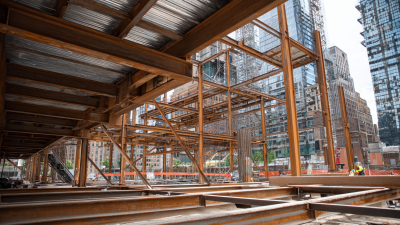
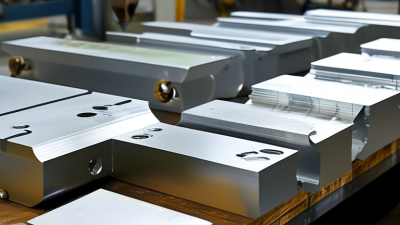
The 2026 Best Structural Steel Fabricators for Global Buyers guide examines a demanding, highly technical market. World Steel Association data reported global crude steel production of approximately 1.88 billion tonnes in 2024. That scale suggests strong industrial capacity, but it does not guarantee reliable fabrication. A large mill is not automatically a dependable project partner.
Global buyers need evidence beyond attractive brochures. This guide considers welding qualifications, material traceability, cutting accuracy, dimensional control, surface treatment, and documented inspection systems. It also reviews compliance with international frameworks, including ISO 3834, EN 1090, and relevant AWS requirements. Delivery performance matters too. A delayed beam can leave cranes idle and installation crews waiting beside an unfinished foundation.
Edwin Basson, director general of the World Steel Association, has stated, “Steel is essential to modern life.” His observation explains why supplier selection deserves careful scrutiny. Structural steel supports warehouses, bridges, energy facilities, and high-rise buildings. Its failure can create serious commercial and safety consequences. No ranking is flawless. Public data may be incomplete, and factory conditions can change quickly. That limitation deserves attention.
The strongest structural steel fabricators combine engineering experience with transparent quality records. They communicate clearly when drawings conflict or tolerances become difficult. They do not hide small problems. Some suppliers may appear less impressive because their websites are outdated. That should not end the evaluation. Production audits, sample documentation, reference projects, and independent inspections provide stronger evidence. This introduction therefore treats reputation as a starting point, not a final decision. Practical verification remains essential for every global buyer.
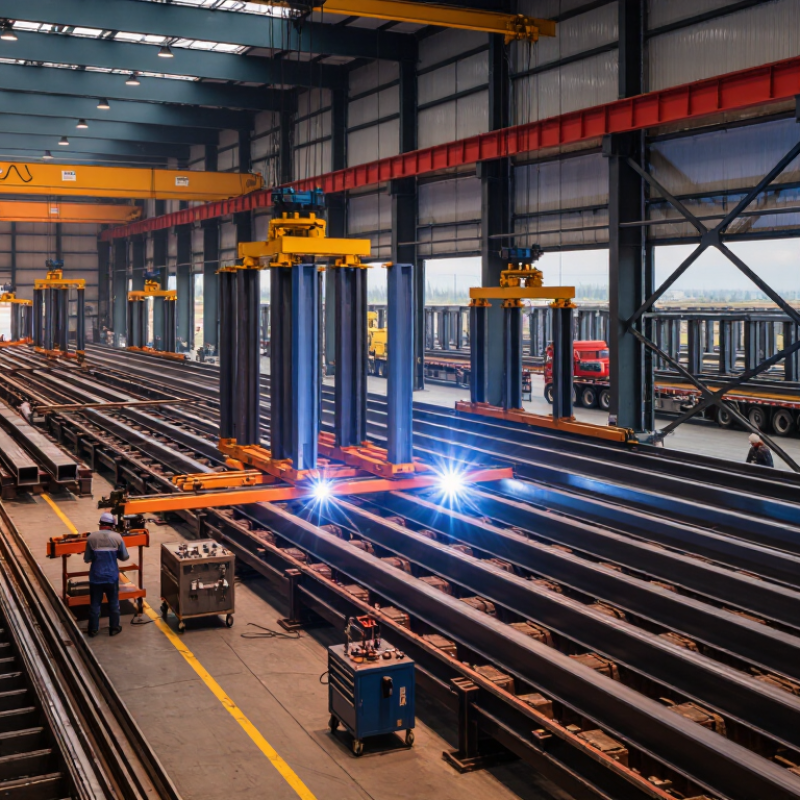
Global structural steel demand is becoming more regional, not simply larger. The World Steel Association reported 1.88 billion tonnes of crude steel production in 2024. Its 2025 Short Range Outlook expects modest demand growth through 2026. Construction, energy infrastructure, logistics facilities, and industrial plants remain key drivers. However, trade flows are uneven. UN Comtrade data for HS 7308 shows strong movement in fabricated steel structures across major manufacturing and construction markets. Freight costs, port access, and local certification can change the final supplier ranking quickly.
Buyers should assess fabricators beyond quoted tonnage. Review welding qualifications, traceability records, coating systems, and dimensional inspection procedures. The OECD Steel Outlook has warned about persistent global excess capacity. This can create attractive prices, but also inconsistent quality and delivery promises. A low offer is not always efficient. One missing mill certificate can delay installation for weeks. That risk deserves a price.
Tips: Compare at least three fabricators using the same drawings, steel grades, tolerances, and Incoterms. Request recent inspection records and a realistic production schedule. Check whether the supplier understands destination standards. This step is often neglected. It should not be. Also allow contingency for port delays, currency movement, and design revisions. Forecasts are useful, but 2026 demand may still shift faster than procurement plans.
For global buyers, structural steel selection starts with verified yield strength, not a familiar grade name. S355 provides a minimum yield strength of 355 MPa under relevant European standards. A572 Grade 50 provides 345 MPa under ASTM requirements. The difference is only 10 MPa, but it should not guide substitution alone.
Thickness can change the required minimum value. Product form, delivery condition, and testing requirements also matter.
A purchaser should review the mill certificate, heat number, chemical analysis, and tensile test results. These records connect the delivered plate to the approved specification. They also help fabricators investigate unexpected deformation during cutting or welding.
Comparable strength does not mean identical performance. S355 and A572 Grade 50 may differ in impact toughness, dimensional tolerances, welding procedures, and certification formats.
Good fabricators confirm the governing design code before production starts. They check weld consumables, preheat requirements, and inspection points on the shop drawings. Small details matter.
One practical mistake is treating 355 MPa and 345 MPa as interchangeable without engineering approval. I would recheck the thickness range twice. A missing impact-test requirement can create trouble in cold-service structures. Clear purchase documents reduce that risk. For international projects, include the standard edition, inspection level, traceability method, and required test temperature. These details give buyers stronger control over quality, schedule, and final structural reliability.
Global buyers in 2026 will examine more than attractive steel prices. The strongest fabricators show controlled welding, documented production, and evidence that survives an independent audit. ISO 3834 matters here. It defines quality requirements for fusion welding, from qualified procedures and personnel to inspection records. Ask whether the certificate covers the actual welding activities, materials, and production site. Scope matters.
EN 1090 confirms how structural components are executed under defined technical controls. Buyers should check the declared execution class, factory production control, and relevant product documentation. Welder qualifications, welding procedure specifications, dimensional checks, and non-destructive testing should connect to each batch. A useful inspection file includes heat numbers, mill certificates, weld maps, coating reports, and signed release records. Photographs help, but traceable records carry greater weight. Small gaps deserve honest discussion.
ISO 9001 shows whether quality is managed as a repeatable system, not a final visual inspection. Look for controlled drawings, supplier evaluation, calibrated equipment, complaint handling, and corrective-action evidence. During a factory visit, observe material segregation and how workers retrieve current instructions. These details reveal daily discipline. Still, credentials are not magic. A valid certificate cannot guarantee every weld or delivery date. Ask for recent audit findings and how weaknesses were corrected. That answer may be less polished, yet more trustworthy.
For global buyers, annual tonnage is a useful screening metric, but it is not proof of dependable fabrication.
World Steel Association’s World Steel in Figures 2024 reports 1,888.2 million tonnes of crude steel production in 2023. OECD’s 2024 capacity review places global steelmaking capacity above 2.4 billion tonnes. These figures show market scale, not a fabricator’s real output.
Ask for completed project tonnage, monthly loading records, and lifting limits. A large annual number can mislead.
Welding evidence deserves closer inspection.
ISO 15614-1 requires procedure qualification testing for defined materials, thicknesses, processes, and welding positions. ISO 3834 also links welding quality to documented controls, qualified personnel, inspection, and traceability.
Request the current weld-procedure qualification records, not a generic certificate. Check whether tests cover the actual steel grades, plate thicknesses, joint details, and impact requirements.
Small gaps matter.
EN 1090 compliance should be verified through production records and dimensional reports.
Inspect straightness, member length, hole position, flange alignment, and connection fit-up against the specified tolerance class. EN 1090-2 separates essential and functional tolerances, so “within tolerance” needs a defined reference.
Ask for inspection samples from recent shipments. Photos are helpful, but incomplete. I would also examine nonconformance reports; a perfect record may indicate weak reporting, not perfect work.
Experience suggests disciplined disclosure is more valuable than impressive tonnage.
For global buyers, the 2026 fabricator scorecard should start with comparable cost per tonne. Record steel, cutting, welding, inspection, coating, packing, and inland transport separately. A low headline price can hide expensive exclusions. World Steel Association data puts global crude steel production near 1.9 billion tonnes annually, but regional energy, labor, and freight costs vary sharply. Ask whether the quotation uses net steel weight, fabricated weight, or shipped weight. These are not interchangeable.
Lead time needs measurable checkpoints, not optimistic promises. Separate engineering approval, material purchasing, fabrication, inspection, and port delivery. A practical scorecard can show planned days against actual days from three recent projects. Incoterms 2020 also deserve careful attention. Under FCA, the buyer may control the main freight; under DAP, the seller carries more delivery responsibility, but import clearance may remain with the buyer. Confirm insurance, unloading, duties, and delay risk in writing. Small wording differences matter.
CO₂ per tonne should include a stated boundary. ISO 14067 supports product carbon-footprint accounting, while the International Energy Agency estimates steelmaking creates roughly 2.6 gigatonnes of direct and indirect CO₂ annually. Request emissions per tonne of fabricated steel, electricity factors, recycled content, and transport distance. Product-stage figures are useful, but incomplete. Some suppliers report only furnace emissions. That is not enough. We have seen scorecards reward a cheaper quotation while ignoring rework, port storage, and incomplete carbon data. The lesson is uncomfortable: buyer spreadsheets can also be poorly designed.
This anonymized benchmark compares representative structural-steel fabrication offers using typical international procurement measures. Lower cost, shorter lead time, and lower embodied carbon indicate stronger performance. Costs exclude import duties and destination-country taxes; CO₂ values are expressed as kg CO₂e per tonne of fabricated steel.
| Delivery term | Buyer responsibility | Best use case |
|---|---|---|
| FCA | Main carriage, insurance, import clearance | Buyers with established freight contracts |
| FOB | Ocean freight, insurance, and import clearance | Standardized container or break-bulk shipments |
| CIF | Import clearance, duties, and inland delivery | Buyers seeking a delivered-to-port quotation |
| DAP | Import clearance, duties, and taxes | Projects requiring delivery to a named site |
Screening guidance: confirm mill certificates, welding qualifications, inspection scope, packaging, shipment weight, applicable Incoterm version, and product-specific environmental declarations before awarding a contract.



For those larger-sized parts, or smaller quantity runs, we have 2 independent powder coat booths and ovens. The quality, durability and affordability of today’s powder coating finishes make this the process of choice for world-class companies.
Powder coating advantages over other forms of coating are many. Materials used in the Powder coating process can be metals and non-metals that come in a multitude of thicknesses, textures, colors, etc. Another of Powder coating’s biggest advantages over conventional coatings is its ability to create finishes in many different textures. Powder Coating Booths allow us the ability to apply these advantages to large products.
Tri-State Fabricators runs a full-service conveyor line for painting. Wet painting can provide protection or decoration to many different part styles. From start to finish, every project is easier to undergo random and point-based inspection by our skilled painting team.
Advantages to our Wet Paint Line are these lines start with product prep and ends with a thorough inspection of a high quality finished product. Our ability to complete large and small projects with a superior finish and doing so in a timely and economical fashion. This passes along the savings in production to our customers. When powder coating ins not an option, our Wet Paint Line gets the job done right the first time.
When the parts get big and heavy we roll-out our custom paint racks and oversize booth. By utilizing our partnerships with all the major paint brands, we can match virtually any color with wet paint.
The advantages of having access to a Wet Paint Booth are many. Large projects of many different shapes can be loaded into the booth. The Wet Paint Booth offers an environment that is much more controlled than a typical parts painting operation.
Not only are they used because of their controlled environment, but they’re are also advantageous when it comes to applying paint to parts that are needed in industries that require specialty coatings such as medical, aerospace, etc.
Our military forces have some very high standards when it comes to the finish of their vehicles and equipment. From the first pre-treatment step to final coat, it takes a great deal of knowledge and experience to protect the men and women of our armed forces. They deserve only the best, and Tri-State Fabricators provides it.
All of our processes are closely monitored by our staff and management teams. Both of which are highly trained in the processes of metal fabrication and finishing. Tri-State Fabricators’ goal is to always fully satisfy each and every customer, including the military. We will always put a 110% into what we do.
Abrasive media blasting is an excellent way to remove old paint, rust, and increase the paint/powder adhesion. Glass beads produce a much smoother and brighter finish than angular abrasives; leaving the part clean yet without any dimensional change. Chemically inert and environmentally friendly, we can recycle our beads approximately 30 times; making them a more preferred method of metal cleaning or surface finishing.
Advantages to Glass Bead Blasting are many. Glass bead blast media is used when a project is needing rough surfaces need to become smooth for applications of coatings such as paint. It is typically used to clean paint and rust from a product surface without deforming the surface it is being used on. Overall, compared to many other blasting media, Glass Bead Blasting is a very economical choice and those savings are always passed on to our customers.
Tri-State Fabricators utilize a zinc phosphate wash to clean and etch the material to ensure the best paint adhesion possible. The unique design of our 3-stage wash system does the work like a 5-stage. From Cleaning and rinsing to conversion coating and post-treatment, Our Part Washing process is a complete service and works throughout the fabrication service and the finishing service.
Along with the previously mentioned benefits, Curing is a vital chemical reaction that leaves the product finish hard and relatively safe from mild abrasion and aggressive corrosion. This process can be done in more than one way; ambient air-dry or in curing ovens at temps that exceed 240°.
From fixing paint mistakes (someone else’s of course) to simply cleaning our paint line hooks, our burn-off oven is put to good use. After a quick burn-off, a little clean up, and a fresh coat of paint, your parts will look better than new.
Why does our Burn-Off Oven work so well? Because super heating the air around parts turns the materials into ashes. From paint and powder coatings to rubber and machining oils, high temps do the job without degrading the integrity of the part.
Masking is a vital part of producing high quality products. We have die-cut masking patterns to protect machined surfaces as well as a wide range of plugs and caps to protect threaded holes and bolts. We provide permanent and temporary masking.
Masking allows the selected sections of a product to be protected from a fabrication or finishing service. This can be with both chemicals when etching and tapes, paints when only finishing just a section of the product. Masking is great in aiding the customization process of a project.
Screen printing is a photographic process that transfers artwork onto a porous nylon screen which allows colored ink to flow through the screen and be deposited on an aluminum or plastic component. We can generally have just about any design created onto a screen for your parts.
Some of the advantages of Screen Printing are, brand recognition for your business displaying on your products, assembly instructions, product warnings/hazards, etc. Tri-State Fabricators produces Screen Printing of the highest quality so you know it’s durable.
Metal Finishing is the art of treating the exterior portion of product, often metal but can also be made of other materials, so that the surface is clean and free of any debris. Then the process of applying coats or either paint of powder coat takes place. This coating process improves the quality of the product in both appearance and resistance to wear and corrosion.
Tri-State Fabricators, Inc., understands that a project typically isn’t complete until a high-quality finish has been added to your product. This is why our painting and powder coating teams continuously inspect the products throughout the Metal Finishing process.