How to Choose the Best Gas MIG Welder Supplier in China?

Choosing the right gas MIG welder supplier in China requires more than comparing online prices. A reliable supplier should understand welding performance, factory control, export communication, and after-sales support. In practice, small details often reveal more than polished product photos. Ask for clear specifications, real test records, and consistent answers from the sales and engineering teams.

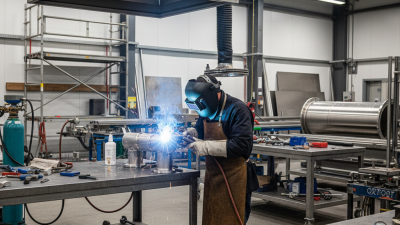
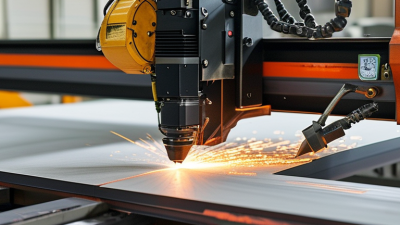
The best gas MIG welder supplier should provide stable wire feeding, dependable arc performance, suitable duty cycles, and practical protection features. Request videos of actual welding tests on materials similar to yours. Check whether the factory controls key components, such as transformers, circuit boards, torches, and cooling systems. A professional supplier can explain these parts without avoiding technical questions. That matters.

Experience also helps identify hidden risks. A low quotation may exclude packaging, spare parts, inspection, or shipping preparation. Confirm production capacity, quality checkpoints, sample approval, and replacement procedures before placing a large order. Review business credentials and product documentation carefully. Independent inspections can add confidence, especially when communication feels incomplete.

No supplier is perfect. Even experienced buyers sometimes overlook response time or packaging quality. I have found that a detailed conversation about one sample can reveal more than a long catalogue. Look for honest limitations, not exaggerated promises. A trustworthy Chinese manufacturer should welcome reasonable questions and correct unclear information. This article explains how to compare suppliers, verify their capabilities, and choose a gas MIG welder partner that supports safe, consistent, and long-term business results.
How to Choose the Best Gas MIG Welder Supplier in China?

Set Welding Requirements: 220–500 A, 60% Duty Cycle, 0.8–1.2 mm Wire

Before contacting a gas MIG welder supplier in China, match the machine’s output to your actual welds. A 220–500 A range can cover thin sheet through heavier fabrication, but maximum amperage alone proves little. Ask for the rated output at the stated duty cycle, voltage, and ambient temperature. Under IEC 60974-1, duty cycle is assessed over a ten-minute period at a specified temperature.

At 60%, a machine should weld for six minutes, then cool for four, under the test conditions. Check the rating plate and request test documentation. Numbers need context.

Wire compatibility matters just as much. A 0.8–1.2 mm wire range suits many common fabrication tasks, but confirm the feed rolls, liner, contact tips, and torch support each diameter. For 0.8 mm wire on thin material, stable low-end control helps limit burn-through. At 1.2 mm, verify feed consistency and adequate output for thicker sections.

The AWS 2023 Welding Workforce Data report projected demand for 330,000 additional welding professionals by 2028; that is a workforce estimate, not a machine specification. Still, it underlines why easy setup and repeatable performance matter on busy shop floors.

Request sample welds on your material and gas mix. Inspect bead shape, spatter, and starts. I would also ask for a continuous-load test; supplier videos can hide pauses.
Check Compliance: GB/T 15579.1, IEC 60974-1, EMC, and CE Evidence

How to Choose the Best Gas MIG Welder Supplier in China?

Check Compliance: GB/T 15579.1, IEC 60974-1, EMC, and CE Evidence

A reliable gas MIG welder supplier should provide more than attractive photographs and low prices. Ask for test reports related to GB/T 15579.1 and IEC 60974-1. These standards address important safety and performance requirements for welding power sources. Check the model number, rated input voltage, duty cycle, and test date. The documents must match the exact machine you plan to purchase.

Look closely at EMC evidence. Welding equipment can disturb nearby electronic devices if electromagnetic emissions are poorly controlled. Request relevant EMC test reports, not only a general compliance statement. CE evidence should include a Declaration of Conformity and supporting test records. Confirm which European requirements apply to the equipment. A CE logo alone proves very little.

Documents are only one part of supplier evaluation. During a factory visit or video inspection, examine serial-number labels, grounding points, cable insulation, and cooling fans. Ask how failed units are recorded and repaired. Traceability matters. A capable supplier should explain calibration methods and internal quality checks without hesitation.

There is room for caution. I have seen paperwork that looked complete but used an outdated model number. That mistake can create expensive delays. Ask for independent laboratory details, sample reports, and production consistency records. Compare the tested sample with the final shipment. Small differences deserve attention, even when the machine appears to work normally.

How to use this checklist: Ask suppliers for the listed evidence and verify that model numbers and ratings match the welder offered. GB/T 15579.1 and IEC 60974-1 address welding power-source safety; IEC 60974-10 covers electromagnetic compatibility. CE is a conformity marking, not a test standard. The counts show checklist items, not supplier scores or certification results.

Compare Performance: ≥85% Efficiency, PF ≥0.95, and 40°C Duty-Cycle Tests

When choosing a gas MIG welder supplier in China, ask how performance figures were measured, not just what appears on a brochure. Efficiency of at least 85% can reduce wasted input energy, but the test conditions matter. Request a report showing input voltage, output current, wire-feed settings, and measurement method. Check that the figures apply to the model and configuration you plan to buy.

Power factor should reach 0.95 or higher under stated operating conditions. Ask for test data at several load levels; one favorable reading may not reflect workshop use. Then review duty-cycle results taken at 40°C ambient temperature. Heat builds quickly in a closed shop. A welder that sustains its rated output for the stated cycle, without frequent thermal shutdowns, is more useful than one with an impressive peak-current label. Confirm the test duration, output amperage, and cooling interval.

Put a sample unit through practical checks if possible. Run a bead on the wire and material you expect to use, and note arc stability, spatter, and feeder consistency. Small details count. Ask the supplier to explain any gap between factory test records and your trial results. I would not treat a single pass as proof; repeat the test after the machine warms up. Clear answers, traceable records, and realistic retesting tell you more than polished claims.

Audit Suppliers: ISO 9001, Traceability, Production Capacity, and QC Data

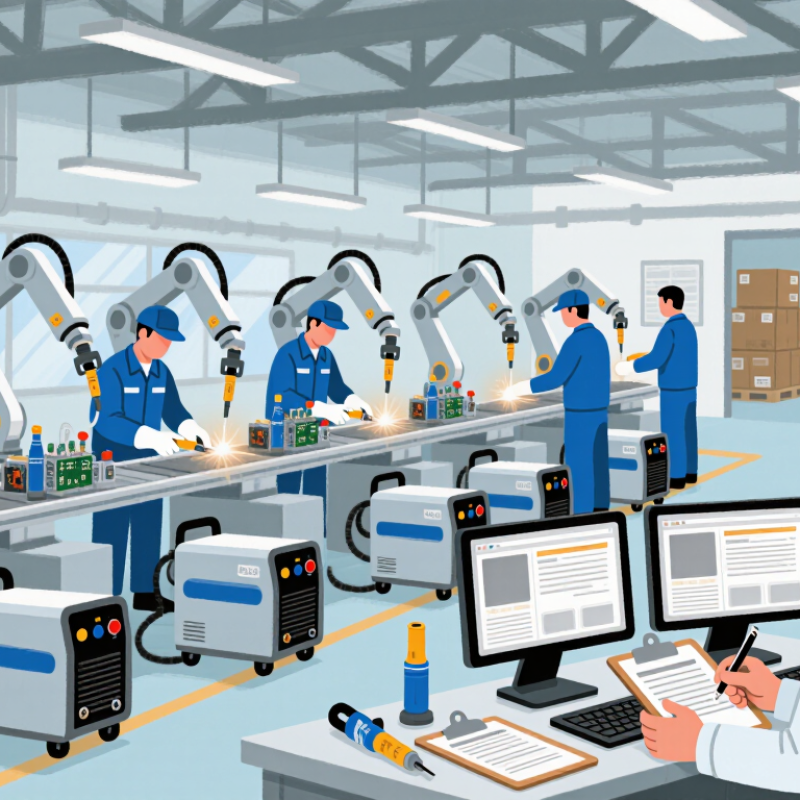
A supplier audit should begin with records, not a polished showroom. Ask for the current ISO 9001 certificate and verify its scope, issuing body, and expiry date. The certificate matters, but it does not prove every production line follows the same procedures. Request a sample inspection plan for a gas MIG welder, including checks for wire-feed consistency, gas flow, electrical output, and protective grounding.

Traceability should connect each finished unit to its components and production history. Ask how the supplier records serial numbers, component batches, assembly dates, and test results. Then choose one sample serial number and follow its records backward. Can staff find the relevant motor batch and final inspection sheet quickly? If the answer depends on one employee’s memory, that is worth noting. Small gaps happen, but repeated gaps weaken confidence.

Production capacity needs evidence beyond a monthly figure in a brochure. Review recent output, shift schedules, equipment availability, and how capacity changes during peak orders. Request QC data from several production batches, not just a perfect example. Look for measured results, defect categories, rework rates, and corrective actions. A spreadsheet with no dates is not very useful. During a factory visit, compare the records with labels on machines and samples on the inspection bench. Some processes may look less organized than expected; ask how issues are tracked and closed, rather than judging by appearance alone.

How to Choose the Best Gas MIG Welder Supplier in China? — Supplier Audit: ISO 9001, Traceability, Production Capacity, and QC Data
Audit Dimension What to Check Evidence to Request Practical Evaluation Guide Weight
ISO 9001 Quality Management Whether the manufacturer operates a documented quality management system and whether its certificate covers the relevant manufacturing site and scope. Current certificate; issuing certification body; covered site and scope; certificate validity; confirmation through the certification body or its official directory. Confirm the certificate is current and applies to the factory producing the quoted welders. ISO 9001 certification does not, by itself, guarantee product performance. 15%
Product and Component Traceability Whether finished welders and critical components can be traced to production records, suppliers, and inspection results. Sample serial-number record; production or assembly traveler; component batch records; supplier records for key electrical components; warranty and complaint linkage. Ask the supplier to demonstrate a sample trace from a finished unit’s serial number back to its build date, key component lots, and final inspection record. 15%
Production Capacity and Lead Time Whether stated output, staffing, equipment, and delivery commitments are consistent with the buyer’s forecast and order size. Recent production plan; line and shift details; capacity calculation; order backlog; historical on-time delivery data; explanation of seasonal or subcontracting constraints. Compare the supplier’s demonstrated monthly output with the requested volume. Treat capacity figures as unverified until supported by production records and, where appropriate, a site audit. 15%
Incoming Quality Control Whether incoming materials and components are inspected using defined acceptance criteria. Incoming inspection procedures; sampling plans; records for wire feeders, transformers or inverter modules, connectors, cables, and other critical parts; nonconformance logs. Check that inspection criteria are documented, failed items are controlled, and supplier corrective actions are recorded rather than handled informally. 10%
In-Process and Final QC Whether assembly checks and final tests cover safety, function, and the declared operating range of the gas MIG welder. Inspection checklist; test equipment calibration records; completed test reports; defect and rework records; sample production test for the quoted model. Review tests relevant to the model, such as output-current or voltage checks, wire-feed operation, insulation or dielectric tests where applicable, and functional checks. Confirm test methods and acceptance limits are documented. 15%
QC Data and Defect Management Whether quality performance is measured over a defined period and defects lead to documented corrective action. Monthly or quarterly first-pass yield, rework, warranty, and customer complaint data; definitions and calculation period; corrective-action records. Request time-bounded, model-specific data where available. Compare like-for-like periods and ask how recurring defects are investigated and verified as resolved. 10%
Safety and Regulatory Documentation Whether the product documentation and conformity evidence match the destination market and exact model configuration. Applicable test reports or declarations; product nameplate and manual; model and configuration details; reports from the relevant testing or certification body. Requirements differ by destination and product configuration. Verify documents against the exact model, intended market, and applicable rules rather than relying on a generic certificate image. 10%
Engineering and Change Control Whether design, component, firmware, and supplier changes are reviewed and communicated before implementation. Change-control procedure; revision history; approval records; process for notifying customers of changes affecting fit, function, safety, or compliance. Ask for an example of a controlled change and how affected drawings, bills of materials, test records, and customer approvals are updated. 5%
After-Sales Support and Spare Parts Whether technical support, troubleshooting, warranty handling, and spare-parts supply are organized for the intended market. Warranty terms; service response process; parts list; spare-parts availability policy; anonymized examples of resolved service cases. Confirm response channels, escalation steps, warranty exclusions, and availability of commonly replaced parts before placing an order. 5%
Overall Audit Score Score each dimension against verified evidence, not sales statements alone. Completed audit checklist, supporting documents, open findings, and corrective-action owners and due dates. Suggested scoring: 0 = no evidence; 1 = weak or incomplete evidence; 2 = adequate documented evidence; 3 = strong, consistent, independently verifiable evidence. Multiply each dimension’s score by its weight to compare candidates. 100%

Score Commercial Terms: MOQ, Warranty ≥12 Months, Lead Time, and Landed Cost

How to Choose the Best Gas MIG Welder Supplier in China?

Commercial terms can reveal more than a polished product sheet. Ask for the minimum order quantity in writing, including whether sample orders count toward later purchases. A low MOQ helps you test weld consistency, wire feeding, and packaging before committing to a full shipment. Check the warranty carefully. Twelve months or more is a practical baseline, but confirm which parts are covered and how replacement parts are shipped. A warranty is only useful when the process is clear.

Tips: Request a dated quotation with the production lead time, warranty scope, and MOQ listed together. Ask the supplier to confirm the lead time again before payment. Small details matter. One overlooked delay can disrupt a distributor’s seasonal inventory plan.

Compare landed cost, not just the unit price. Include freight, insurance, import duties, port handling, and local delivery in your estimate. For example, a cheaper welder may arrive in a larger carton, raising freight costs. Request carton dimensions, gross weight, and packing details before comparing offers. I have seen buyers focus too heavily on headline prices; it is an easy mistake, and one worth reviewing. Keep the supplier’s written answers and quotation together, so you can check promised terms against the final shipment documents.

Powder Coat Booths

For those larger-sized parts, or smaller quantity runs, we have 2 independent powder coat booths and ovens. The quality, durability and affordability of today’s powder coating finishes make this the process of choice for world-class companies.

Powder coating advantages over other forms of coating are many. Materials used in the Powder coating process can be metals and non-metals that come in a multitude of thicknesses, textures, colors, etc. Another of Powder coating’s biggest advantages over conventional coatings is its ability to create finishes in many different textures. Powder Coating Booths allow us the ability to apply these advantages to large products.

Wet Paint Line

Tri-State Fabricators runs a full-service conveyor line for painting. Wet painting can provide protection or decoration to many different part styles. From start to finish, every project is easier to undergo random and point-based inspection by our skilled painting team.

Advantages to our Wet Paint Line are these lines start with product prep and ends with a thorough inspection of a high quality finished product. Our ability to complete large and small projects with a superior finish and doing so in a timely and economical fashion. This passes along the savings in production to our customers. When powder coating ins not an option, our Wet Paint Line gets the job done right the first time.

Wet Paint Booths

When the parts get big and heavy we roll-out our custom paint racks and oversize booth. By utilizing our partnerships with all the major paint brands, we can match virtually any color with wet paint.

The advantages of having access to a Wet Paint Booth are many. Large projects of many different shapes can be loaded into the booth. The Wet Paint Booth offers an environment that is much more controlled than a typical parts painting operation.

Not only are they used because of their controlled environment, but they’re are also advantageous when it comes to applying paint to parts that are needed in industries that require specialty coatings such as medical, aerospace, etc.

Military CARC

Our military forces have some very high standards when it comes to the finish of their vehicles and equipment. From the first pre-treatment step to final coat, it takes a great deal of knowledge and experience to protect the men and women of our armed forces. They deserve only the best, and Tri-State Fabricators provides it.

All of our processes are closely monitored by our staff and management teams. Both of which are highly trained in the processes of metal fabrication and finishing. Tri-State Fabricators’ goal is to always fully satisfy each and every customer, including the military. We will always put a 110% into what we do.

Glass-Bead Blasting

Abrasive media blasting is an excellent way to remove old paint, rust, and increase the paint/powder adhesion. Glass beads produce a much smoother and brighter finish than angular abrasives; leaving the part clean yet without any dimensional change. Chemically inert and environmentally friendly, we can recycle our beads approximately 30 times; making them a more preferred method of metal cleaning or surface finishing.

Advantages to Glass Bead Blasting are many. Glass bead blast media is used when a project is needing rough surfaces need to become smooth for applications of coatings such as paint. It is typically used to clean paint and rust from a product surface without deforming the surface it is being used on. Overall, compared to many other blasting media, Glass Bead Blasting is a very economical choice and those savings are always passed on to our customers.

Part Washing

Tri-State Fabricators utilize a zinc phosphate wash to clean and etch the material to ensure the best paint adhesion possible. The unique design of our 3-stage wash system does the work like a 5-stage. From Cleaning and rinsing to conversion coating and post-treatment, Our Part Washing process is a complete service and works throughout the fabrication service and the finishing service.

Along with the previously mentioned benefits, Curing is a vital chemical reaction that leaves the product finish hard and relatively safe from mild abrasion and aggressive corrosion. This process can be done in more than one way; ambient air-dry or in curing ovens at temps that exceed 240°.

Burn-Off Oven

From fixing paint mistakes (someone else’s of course) to simply cleaning our paint line hooks, our burn-off oven is put to good use. After a quick burn-off, a little clean up, and a fresh coat of paint, your parts will look better than new.

Why does our Burn-Off Oven work so well? Because super heating the air around parts turns the materials into ashes. From paint and powder coatings to rubber and machining oils, high temps do the job without degrading the integrity of the part.

Masking

Masking is a vital part of producing high quality products. We have die-cut masking patterns to protect machined surfaces as well as a wide range of plugs and caps to protect threaded holes and bolts. We provide permanent and temporary masking.

Masking allows the selected sections of a product to be protected from a fabrication or finishing service. This can be with both chemicals when etching and tapes, paints when only finishing just a section of the product. Masking is great in aiding the customization process of a project.

Screen Printing

Screen printing is a photographic process that transfers artwork onto a porous nylon screen which allows colored ink to flow through the screen and be deposited on an aluminum or plastic component. We can generally have just about any design created onto a screen for your parts.

Some of the advantages of Screen Printing are, brand recognition for your business displaying on your products, assembly instructions, product warnings/hazards, etc. Tri-State Fabricators produces Screen Printing of the highest quality so you know it’s durable.

Metal Finishing

Metal Finishing is the art of treating the exterior portion of product, often metal but can also be made of other materials, so that the surface is clean and free of any debris. Then the process of applying coats or either paint of powder coat takes place. This coating process improves the quality of the product in both appearance and resistance to wear and corrosion.

Tri-State Fabricators, Inc., understands that a project typically isn’t complete until a high-quality finish has been added to your product. This is why our painting and powder coating teams continuously inspect the products throughout the Metal Finishing process.