


Why Use Vacuum Bags for Meat?

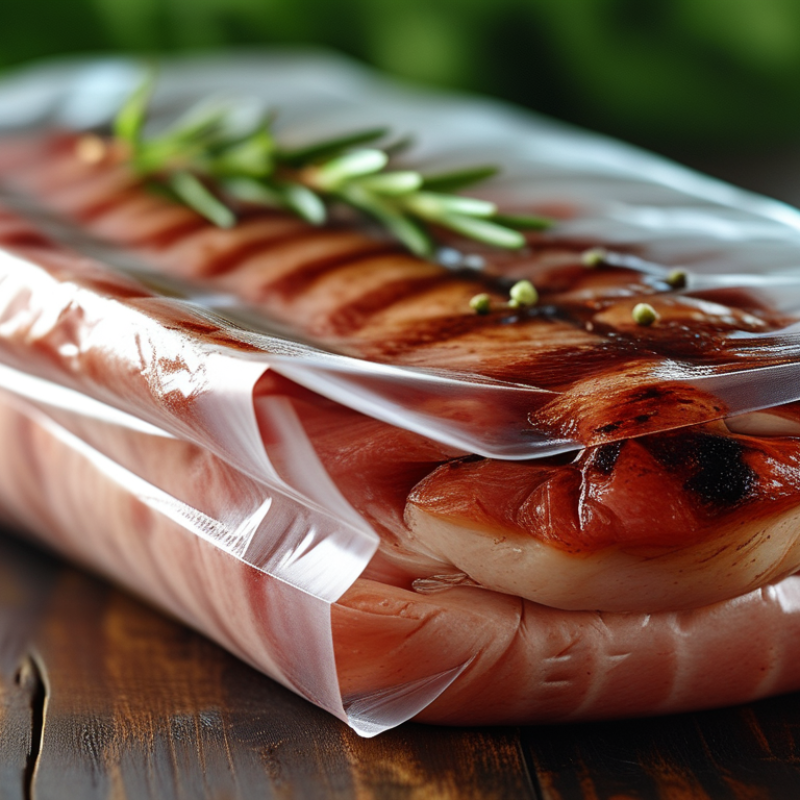
Why Use Vacuum Bags for Meat? The answer begins with control: less air, fewer leaks, cleaner storage, and more consistent preparation. Vacuum Bags Meat can press tightly around a steak, chicken breast, or pork chop, reducing exposed surface area inside the refrigerator. That detail matters when juices collect near package seams. It also helps limit freezer burn, which often appears as dry, gray patches on poorly wrapped meat.

Food-safety educator Dr. Bruno Goussault offers a useful warning: “Vacuum sealing improves control, but it does not replace food-safety discipline.” The principle is simple. Keep meat cold, use clean equipment, and follow tested cooking times. Vacuum bags do not make spoiled meat safe. They cannot correct warm storage or careless handling. They only support a controlled process.

A properly sealed bag should have tight contact around the meat, with no trapped pockets near sharp bones. Double-sealing can help. Label the cut and date. Then refrigerate or freeze it promptly. For sous vide cooking, use bags designed for the intended temperature and food-contact use. Some cheap materials soften, wrinkle, or develop weak seals. That mistake can ruin dinner.

Vacuum packaging is not magic.

It is a practical tool. Experienced cooks value the cleaner portions and easier organization. Still, the process deserves attention. A good seal protects quality, while reliable refrigeration protects people. That distinction should guide every decision about Vacuum Bags Meat.

Why Use Vacuum Bags for Meat?

How Vacuum Bags Preserve Meat Quality

Why Use Vacuum Bags for Meat?

Vacuum bags help preserve meat quality by removing most air around the food. Less oxygen slows oxidation, which can dull color and weaken flavor. The tight seal also limits moisture loss during freezing. Without it, ice crystals may leave dry, gray patches known as freezer burn. A properly sealed steak keeps a firmer surface and a cleaner taste after thawing.

Use a food-grade bag that fits the cut closely, but avoid crushing delicate meat. Pat the surface dry before sealing. Small drops of liquid near the seal can cause leaks.

That detail matters. Label each package with the cut and date, then chill fresh meat quickly before freezing. In a busy kitchen, clear labels prevent forgotten packages from becoming quality problems.

Vacuum sealing does not make meat sterile or permanently safe. It only changes the storage environment. Keep sealed meat cold, and follow reliable refrigeration and cooking guidance. Thaw it in the refrigerator rather than on the counter. I have found that double-checking the seal is worth the extra few seconds; one unnoticed gap can spoil the result. Still, vacuum bags are not perfect. Bones, sharp edges, and rushed sealing can puncture the plastic. Inspect every package before storing it.

The Science Behind Vacuum Sealing Meat

Why Use Vacuum Bags for Meat?

Vacuum sealing works by removing most air around the meat. Less oxygen slows oxidation, surface browning, and moisture loss. It also reduces freezer burn, which appears as pale, dry patches on exposed meat. The bag presses tightly against the cut, like a clear second skin. USDA Economic Research Service estimates that about 31% of the U.S. food supply is lost at retail and consumer levels. Better packaging may reduce some avoidable waste, though it cannot fix poor storage habits.

Vacuum sealing is not sterilization. USDA Food Safety and Inspection Service guidance warns that reduced-oxygen packaging can create risks if temperature control fails. Certain bacteria may grow without visible spoilage. Cold storage matters. The FDA Food Code recommends holding temperature-controlled foods at 41°F (5°C) or below. For home use, keep sealed meat refrigerated promptly, and freeze it when you will not cook it soon. A perfect-looking seal can still hide a small puncture.

In practical use, dry the meat before sealing. Liquid near the opening can weaken the seal. Leave space around bones or sharp edges, or cover them first. Less air helps. It does not replace judgment. Research and kitchen experience both suggest that sealing time, temperature, cut thickness, and handling determine the final result. The bag is only one part of the safety system.


Benefits of Using Vacuum Bags for Storage

Why Use Vacuum Bags for Meat?

Vacuum bags remove most air around meat, reducing moisture loss, freezer burn, and odor transfer. A sealed steak also takes less space and stays easier to portion. Vacuum packing helps. It does not replace refrigeration.

The USDA FSIS Refrigerator and Freezer Storage Chart gives raw steaks, chops, and roasts three to five refrigerated days at 40°F (4°C) or below. Ground meat has a shorter one-to-two-day window. In a freezer, quality usually lasts four to twelve months, depending on the cut. Vacuum sealing can protect quality during that period, especially when the bag fits tightly against the meat.

Safety still depends on temperature and handling. The FDA Food Code 2022 treats reduced-oxygen packaging as a controlled process because low-oxygen conditions can support certain hazards if storage fails. Keep sealed meat at 40°F or below, or freeze it promptly. Label each bag with the cut and date. Thaw it in the refrigerator, not on the counter.

From practical kitchen use, clear bags make forgotten portions easier to notice. That matters when a freezer becomes crowded. I have also seen seals fail after sharp bones punctured the film. Double-wrapping bone-in cuts may prevent this, but it is not foolproof. Inspect the seal, especially after freezing. Cold storage still matters.

Why Use Vacuum Bags for Meat?

Typical recommended freezer-quality periods for meat stored at 0°F (-18°C) or below

Vacuum bags help limit air exposure, which can reduce freezer burn and help preserve texture and flavor during the recommended quality period. They do not replace safe refrigeration, freezing, or proper handling practices. Frozen meat kept continuously at 0°F (-18°C) or below remains safe indefinitely, although quality gradually declines.

Quality-period ranges based on USDA FoodKeeper guidance.

How to Vacuum Seal Meat Safely

Why Use Vacuum Bags for Meat?

How to Vacuum Seal Meat Safely

Vacuum bags remove much of the air around meat, reducing freezer burn and moisture loss. They also create compact portions for cleaner storage. However, vacuum sealing does not sterilize food. The absence of oxygen can allow some dangerous bacteria to grow if meat stays warm. That detail is easy to overlook.

Start with fresh meat, clean hands, and a sanitized work surface. Pat the meat dry before placing it inside the bag. Leave enough space above the seal, and check for wrinkles or liquid near the sealing line. A weak seal can fail inside the refrigerator. Label every package with the cut and date. The bag may look perfect. The label still matters more.

Keep refrigerated meat at 40°F (4°C) or below, according to USDA FSIS guidance. USDA storage data recommends one to two days for raw poultry and ground meat. Beef, pork, lamb, and veal steaks or roasts generally keep three to five days. For longer storage, freeze packages at 0°F (-18°C). The CDC estimates that foodborne illness affects about 48 million people in the United States each year. Safe temperatures remain essential, even with tight packaging. Thaw meat in the refrigerator, not on the counter. Cook it using a verified internal temperature. My weak point would be trusting the machine too much; vacuum strength never replaces time, temperature, and careful handling.

Choosing and Using the Right Vacuum Bags

Why Use Vacuum Bags for Meat?

Choosing the right vacuum bag affects freshness, storage quality, and cooking results. A suitable bag should be food-safe, heat-resistant, and thick enough to resist punctures from bones. For sharp cuts, use a stronger bag or protect the bone with a small piece of parchment. Thin bags may save space, but they can split during freezing or handling. That mistake is easy to underestimate.

Tips: Match the bag size to the portion, leaving enough space for sealing. Keep the opening dry and flat. Moisture near the seal can weaken it. For marinated meat, chill the package first, then vacuum it carefully. Wet foods may need a gentle setting to prevent liquid from entering the machine. Label each bag with the cut and date. Clear labels prevent guesswork later.

Use freezer-rated bags when storing meat for longer periods. Remove excess air, but do not crush delicate cuts such as tender fillets. Check every seal before storage. A properly sealed edge should look even, without wrinkles, gaps, or trapped liquid. I still inspect packages twice because one rushed seal can spoil an otherwise careful preparation. Store bags flat at first, then stack them after they become firm. This saves space and helps the meat freeze more evenly.

Powder Coat Booths

For those larger-sized parts, or smaller quantity runs, we have 2 independent powder coat booths and ovens. The quality, durability and affordability of today’s powder coating finishes make this the process of choice for world-class companies.

Powder coating advantages over other forms of coating are many. Materials used in the Powder coating process can be metals and non-metals that come in a multitude of thicknesses, textures, colors, etc. Another of Powder coating’s biggest advantages over conventional coatings is its ability to create finishes in many different textures. Powder Coating Booths allow us the ability to apply these advantages to large products.

Wet Paint Line

Tri-State Fabricators runs a full-service conveyor line for painting. Wet painting can provide protection or decoration to many different part styles. From start to finish, every project is easier to undergo random and point-based inspection by our skilled painting team.

Advantages to our Wet Paint Line are these lines start with product prep and ends with a thorough inspection of a high quality finished product. Our ability to complete large and small projects with a superior finish and doing so in a timely and economical fashion. This passes along the savings in production to our customers. When powder coating ins not an option, our Wet Paint Line gets the job done right the first time.

Wet Paint Booths

When the parts get big and heavy we roll-out our custom paint racks and oversize booth. By utilizing our partnerships with all the major paint brands, we can match virtually any color with wet paint.

The advantages of having access to a Wet Paint Booth are many. Large projects of many different shapes can be loaded into the booth. The Wet Paint Booth offers an environment that is much more controlled than a typical parts painting operation.

Not only are they used because of their controlled environment, but they’re are also advantageous when it comes to applying paint to parts that are needed in industries that require specialty coatings such as medical, aerospace, etc.

Military CARC

Our military forces have some very high standards when it comes to the finish of their vehicles and equipment. From the first pre-treatment step to final coat, it takes a great deal of knowledge and experience to protect the men and women of our armed forces. They deserve only the best, and Tri-State Fabricators provides it.

All of our processes are closely monitored by our staff and management teams. Both of which are highly trained in the processes of metal fabrication and finishing. Tri-State Fabricators’ goal is to always fully satisfy each and every customer, including the military. We will always put a 110% into what we do.

Glass-Bead Blasting

Abrasive media blasting is an excellent way to remove old paint, rust, and increase the paint/powder adhesion. Glass beads produce a much smoother and brighter finish than angular abrasives; leaving the part clean yet without any dimensional change. Chemically inert and environmentally friendly, we can recycle our beads approximately 30 times; making them a more preferred method of metal cleaning or surface finishing.

Advantages to Glass Bead Blasting are many. Glass bead blast media is used when a project is needing rough surfaces need to become smooth for applications of coatings such as paint. It is typically used to clean paint and rust from a product surface without deforming the surface it is being used on. Overall, compared to many other blasting media, Glass Bead Blasting is a very economical choice and those savings are always passed on to our customers.

Part Washing

Tri-State Fabricators utilize a zinc phosphate wash to clean and etch the material to ensure the best paint adhesion possible. The unique design of our 3-stage wash system does the work like a 5-stage. From Cleaning and rinsing to conversion coating and post-treatment, Our Part Washing process is a complete service and works throughout the fabrication service and the finishing service.

Along with the previously mentioned benefits, Curing is a vital chemical reaction that leaves the product finish hard and relatively safe from mild abrasion and aggressive corrosion. This process can be done in more than one way; ambient air-dry or in curing ovens at temps that exceed 240°.

Burn-Off Oven

From fixing paint mistakes (someone else’s of course) to simply cleaning our paint line hooks, our burn-off oven is put to good use. After a quick burn-off, a little clean up, and a fresh coat of paint, your parts will look better than new.

Why does our Burn-Off Oven work so well? Because super heating the air around parts turns the materials into ashes. From paint and powder coatings to rubber and machining oils, high temps do the job without degrading the integrity of the part.

Masking

Masking is a vital part of producing high quality products. We have die-cut masking patterns to protect machined surfaces as well as a wide range of plugs and caps to protect threaded holes and bolts. We provide permanent and temporary masking.

Masking allows the selected sections of a product to be protected from a fabrication or finishing service. This can be with both chemicals when etching and tapes, paints when only finishing just a section of the product. Masking is great in aiding the customization process of a project.

Screen Printing

Screen printing is a photographic process that transfers artwork onto a porous nylon screen which allows colored ink to flow through the screen and be deposited on an aluminum or plastic component. We can generally have just about any design created onto a screen for your parts.

Some of the advantages of Screen Printing are, brand recognition for your business displaying on your products, assembly instructions, product warnings/hazards, etc. Tri-State Fabricators produces Screen Printing of the highest quality so you know it’s durable.

Metal Finishing

Metal Finishing is the art of treating the exterior portion of product, often metal but can also be made of other materials, so that the surface is clean and free of any debris. Then the process of applying coats or either paint of powder coat takes place. This coating process improves the quality of the product in both appearance and resistance to wear and corrosion.

Tri-State Fabricators, Inc., understands that a project typically isn’t complete until a high-quality finish has been added to your product. This is why our painting and powder coating teams continuously inspect the products throughout the Metal Finishing process.
