


Why Use Heat Shrink Wire Terminals?

Heat Shrink Wire Terminals are designed to make electrical connections more secure and better protected from moisture, dirt, and vibration. A crimped metal barrel grips the stripped wire, while the surrounding heat-shrink sleeve contracts when warmed. Many versions include an inner adhesive lining that softens and helps seal the connection. The result is a compact joint that can be easier to inspect and manage than an exposed crimp.

That added protection is useful in vehicles, marine equipment, outdoor lighting, and other settings where wiring faces movement or damp conditions. Small details matter. Choose a terminal that matches the wire gauge and connection type, then use a compatible crimping tool and controlled heat. The sleeve should shrink evenly without scorching, and the wire should remain firmly held when gently tugged. A neat exterior is not proof of a sound electrical connection.

These terminals are not a cure-all. They cannot compensate for the wrong size, a poor crimp, damaged wire, or unsuitable installation conditions. Even a tidy seal can hide a weak connection. That deserves a second look. This guide explores why people use Heat Shrink Wire Terminals, where they offer practical advantages, and what to check before relying on them. Proper selection and careful workmanship make the difference; the terminal alone does not.
Why Use Heat Shrink Wire Terminals?

What Heat Shrink Wire Terminals Are and How They Work

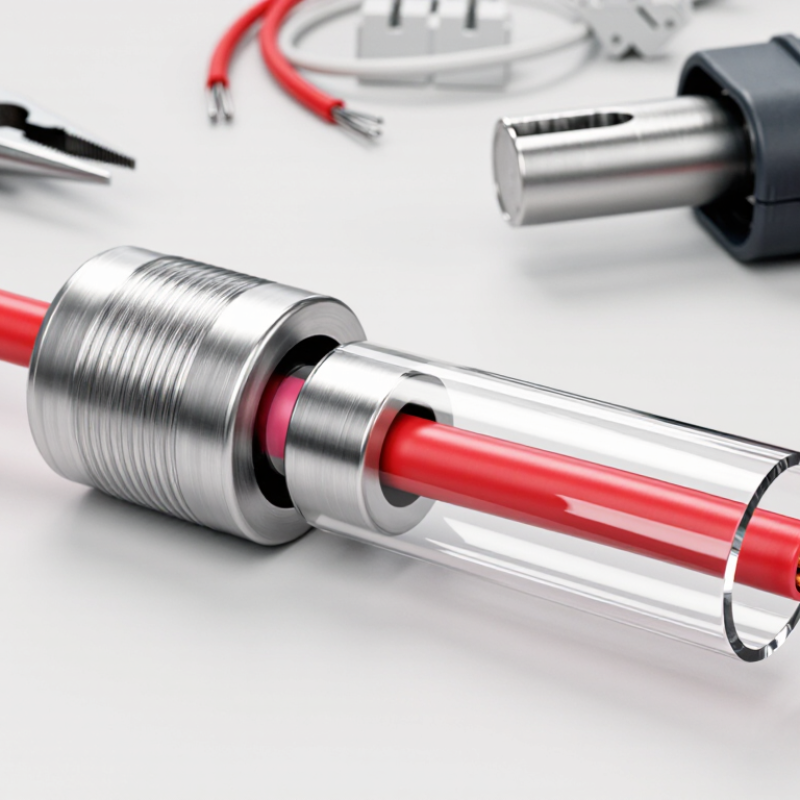
Heat shrink wire terminals combine a metal connector with a heat-shrinkable insulating sleeve. The metal barrel holds stripped wire strands after crimping. Inside the sleeve, an adhesive lining can soften when heated and help seal the connection against moisture and dirt. The sleeve also provides electrical insulation and strain relief around the wire entry.

The process is straightforward. Strip the wire to the length specified for the terminal, insert it fully, and crimp the barrel with a compatible tool. Then apply controlled heat until the tubing contracts evenly around the wire and connector. A small bead of adhesive may appear at the ends. Let the assembly cool before tugging or putting it under load. The result is simple.

These terminals are useful where vibration, splashes, or exposed wiring could weaken an ordinary connection. But a neat-looking sleeve does not guarantee a sound crimp. Match the terminal to the wire gauge, use the correct crimping die, and inspect for loose strands or uneven shrinkage. Too much heat can damage insulation; too little may leave the seal incomplete. That part is easy to underestimate. Choose a terminal suited to the environment, since not every heat-shrink type offers the same level of protection.


How Heat Shrink Terminals Protect Electrical Connections

Why Use Heat Shrink Wire Terminals?
How Heat Shrink Terminals Protect Electrical Connections

A wire joint can look secure and still be vulnerable. Water, dust, vibration, and repeated movement can reach exposed metal. Heat shrink terminals add an insulating sleeve around the crimped connection. When warmed evenly, the sleeve contracts over the wire insulation and terminal barrel. Many versions contain adhesive that softens and fills small gaps at the ends. This barrier helps keep moisture and contaminants from reaching the conductor. It also reduces rubbing against nearby edges. Small details matter.

The crimp itself carries the electrical load; the sleeve cannot fix a weak crimp. Choose a terminal that matches the wire gauge, then use a suitable crimping tool. After shrinking, check for a close fit and a slight bead of adhesive at the ends, if the terminal is adhesive-lined. Keep the heat source moving. Too much heat can damage insulation, while too little may leave loose edges. On a damp trailer connection, that imperfect seal can invite corrosion over time. Heat shrink terminals improve protection, but they are not magic. Inspect the finished joint, especially where wires flex or face weather.

Why Use Heat Shrink Wire Terminals?

How Heat Shrink Terminals Help Protect Electrical Connections

This illustrative example shows a 3:1 shrink ratio: a sleeve with a 9 mm expanded diameter can recover to about 3 mm. Heat-shrink insulation fits closely around a crimped connection, and adhesive-lined versions can help seal gaps against moisture and contaminants. Actual dimensions and protection depend on the terminal, wire, and installation; check the product specifications.

Key Benefits Compared with Standard Wire Terminals

Why Use Heat Shrink Wire Terminals?

Key Benefits Compared with Standard Wire Terminals

Standard insulated terminals protect the crimp, but their open ends can leave wire strands exposed to moisture and grime. Heat shrink terminals add a sleeve that contracts around the wire insulation when heated. Many versions also contain adhesive, which softens and fills small gaps around the connection. A useful difference. This extra barrier can help limit corrosion in vehicle wiring, outdoor equipment, and damp work areas.

The sleeve also supports the wire near the crimp. That can reduce movement where repeated vibration or pulling might otherwise fatigue the strands. That matters in practice. During installation, use a terminal matched to the wire gauge and a suitable crimping tool. Apply even heat and watch the tubing shrink; excessive heat can damage insulation, while too little may leave a loose seal. A heat gun gives more control than an open flame.

They are not magic. Heat shrink terminals cost more and take longer to install than many standard terminals. They may be unnecessary inside a dry, protected enclosure. And a sealed sleeve cannot rescue a poor crimp. Check the finished joint for a firm pull, full coverage, and no exposed strands. Real installations are rarely perfect, so inspect the connection again if it will face vibration or weather.

Common Applications Across Electrical Systems

Heat-shrink wire terminals are useful where a connection may face moisture, vibration, or dirt. After crimping, heat contracts the sleeve around the wire insulation and terminal barrel. Some versions include adhesive that softens and helps seal the joint. The seal can reduce exposure, but it does not make every connection waterproof.

In vehicles, these terminals can join wiring near lights, sensors, and accessories, where road vibration is common. On boats, they may be used in protected wiring runs exposed to damp air or occasional splashes. They also suit outdoor lighting, garden equipment, and control panels in workshops. Small details matter.

In HVAC equipment, a properly crimped terminal can help keep a service connection stable despite vibration and temperature changes. For exterior installations, select a terminal rated for the environment and the wire size. Use a suitable crimping tool, then apply controlled heat with a heat gun. Avoid scorching the insulation.

Not magic. A neat seal can still hide a weak crimp or damaged wire. Inspect the connection, confirm it cannot pull free, and follow the equipment maker’s wiring instructions. Isolate power before working on a circuit, and ask a qualified technician when the circuit or fault is unclear.

Why Use Heat Shrink Wire Terminals? - Common Applications Across Electrical Systems
Application Common Terminal Types Why Heat Shrink Terminals Are Used Important Selection Notes
Automotive wiring Butt connectors, ring terminals, spade terminals The heat-shrink sleeve can provide insulation, strain relief, and protection against moisture and road contaminants when correctly installed. Choose a terminal suited to the wire gauge, current, temperature, and vibration conditions. Use the specified crimping tool and follow the product instructions.
Marine electrical systems Ring terminals, butt connectors, fork terminals Adhesive-lined heat shrink can help limit moisture entry at the wire connection, an important consideration in damp or salt-air environments. Use terminals and conductors suitable for the marine environment. Heat shrink alone does not make a connection waterproof; installation and product ratings matter.
Outdoor lighting and signage Butt connectors, spade terminals, ring terminals The sleeve helps insulate the joint and can protect it from rain splash, humidity, and dirt when the connection is properly sealed. Check the required outdoor and temperature ratings. Keep connections inside suitable enclosures where the installation requires them.
Trailers and recreational vehicles Butt connectors, ring terminals, quick-disconnect terminals Sealed insulation can help protect wiring exposed to vibration, road spray, and changing weather conditions. Match the terminal to the conductor size and circuit load. Secure the wiring to reduce movement and stress on the crimp.
Industrial control panels Ring terminals, fork terminals, spade terminals The insulated sleeve helps cover the crimp area and can support a more organized, protected wiring termination. Verify compatibility with the terminal block or stud, conductor class, voltage, and operating temperature. Follow applicable electrical codes and panel requirements.
HVAC and building equipment Spade terminals, ring terminals, butt connectors Heat shrink insulation can help protect wire joints from incidental contact, dust, and moderate environmental exposure around equipment. Use terminals rated for the circuit and equipment conditions. Do not use a terminal as a substitute for an enclosure or required mechanical protection.
Low-voltage battery and accessory wiring Ring terminals, butt connectors A correctly crimped and sealed connection can reduce exposure of the joint to moisture and help prevent accidental contact with conductive parts. Confirm polarity, wire gauge, and expected current. Disconnect power before working, and use overcurrent protection appropriate to the circuit.

Choosing and Installing the Right Heat Shrink Terminal

Choosing the right heat shrink terminal starts with the wire, not the package label. Match the terminal’s wire range to the conductor, and confirm its temperature and voltage ratings suit the job. Check that the barrel fits the wire without forcing strands into place. For damp or exposed locations, select a terminal with adhesive lining and a documented sealing rating. Small details matter.

Before crimping, disconnect power and strip only the length specified for the terminal. Keep every strand inside the barrel; stray copper can cause trouble later. Use a crimping tool designed for that terminal type, then inspect the joint for a firm, even compression. Apply heat gradually with a heat gun, moving it around the sleeve until it contracts and adhesive appears at the edges. Let it cool. A neat seal can still hide a poor crimp, so give the wire a gentle pull and inspect the connection. Too much heat can damage insulation, and flames make temperature difficult to control. One mistake is assuming shrink tubing makes any splice reliable; sizing and crimp quality still deserve a second look.

Powder Coat Booths

For those larger-sized parts, or smaller quantity runs, we have 2 independent powder coat booths and ovens. The quality, durability and affordability of today’s powder coating finishes make this the process of choice for world-class companies.

Powder coating advantages over other forms of coating are many. Materials used in the Powder coating process can be metals and non-metals that come in a multitude of thicknesses, textures, colors, etc. Another of Powder coating’s biggest advantages over conventional coatings is its ability to create finishes in many different textures. Powder Coating Booths allow us the ability to apply these advantages to large products.

Wet Paint Line

Tri-State Fabricators runs a full-service conveyor line for painting. Wet painting can provide protection or decoration to many different part styles. From start to finish, every project is easier to undergo random and point-based inspection by our skilled painting team.

Advantages to our Wet Paint Line are these lines start with product prep and ends with a thorough inspection of a high quality finished product. Our ability to complete large and small projects with a superior finish and doing so in a timely and economical fashion. This passes along the savings in production to our customers. When powder coating ins not an option, our Wet Paint Line gets the job done right the first time.

Wet Paint Booths

When the parts get big and heavy we roll-out our custom paint racks and oversize booth. By utilizing our partnerships with all the major paint brands, we can match virtually any color with wet paint.

The advantages of having access to a Wet Paint Booth are many. Large projects of many different shapes can be loaded into the booth. The Wet Paint Booth offers an environment that is much more controlled than a typical parts painting operation.

Not only are they used because of their controlled environment, but they’re are also advantageous when it comes to applying paint to parts that are needed in industries that require specialty coatings such as medical, aerospace, etc.

Military CARC

Our military forces have some very high standards when it comes to the finish of their vehicles and equipment. From the first pre-treatment step to final coat, it takes a great deal of knowledge and experience to protect the men and women of our armed forces. They deserve only the best, and Tri-State Fabricators provides it.

All of our processes are closely monitored by our staff and management teams. Both of which are highly trained in the processes of metal fabrication and finishing. Tri-State Fabricators’ goal is to always fully satisfy each and every customer, including the military. We will always put a 110% into what we do.

Glass-Bead Blasting

Abrasive media blasting is an excellent way to remove old paint, rust, and increase the paint/powder adhesion. Glass beads produce a much smoother and brighter finish than angular abrasives; leaving the part clean yet without any dimensional change. Chemically inert and environmentally friendly, we can recycle our beads approximately 30 times; making them a more preferred method of metal cleaning or surface finishing.

Advantages to Glass Bead Blasting are many. Glass bead blast media is used when a project is needing rough surfaces need to become smooth for applications of coatings such as paint. It is typically used to clean paint and rust from a product surface without deforming the surface it is being used on. Overall, compared to many other blasting media, Glass Bead Blasting is a very economical choice and those savings are always passed on to our customers.

Part Washing

Tri-State Fabricators utilize a zinc phosphate wash to clean and etch the material to ensure the best paint adhesion possible. The unique design of our 3-stage wash system does the work like a 5-stage. From Cleaning and rinsing to conversion coating and post-treatment, Our Part Washing process is a complete service and works throughout the fabrication service and the finishing service.

Along with the previously mentioned benefits, Curing is a vital chemical reaction that leaves the product finish hard and relatively safe from mild abrasion and aggressive corrosion. This process can be done in more than one way; ambient air-dry or in curing ovens at temps that exceed 240°.

Burn-Off Oven

From fixing paint mistakes (someone else’s of course) to simply cleaning our paint line hooks, our burn-off oven is put to good use. After a quick burn-off, a little clean up, and a fresh coat of paint, your parts will look better than new.

Why does our Burn-Off Oven work so well? Because super heating the air around parts turns the materials into ashes. From paint and powder coatings to rubber and machining oils, high temps do the job without degrading the integrity of the part.

Masking

Masking is a vital part of producing high quality products. We have die-cut masking patterns to protect machined surfaces as well as a wide range of plugs and caps to protect threaded holes and bolts. We provide permanent and temporary masking.

Masking allows the selected sections of a product to be protected from a fabrication or finishing service. This can be with both chemicals when etching and tapes, paints when only finishing just a section of the product. Masking is great in aiding the customization process of a project.

Screen Printing

Screen printing is a photographic process that transfers artwork onto a porous nylon screen which allows colored ink to flow through the screen and be deposited on an aluminum or plastic component. We can generally have just about any design created onto a screen for your parts.

Some of the advantages of Screen Printing are, brand recognition for your business displaying on your products, assembly instructions, product warnings/hazards, etc. Tri-State Fabricators produces Screen Printing of the highest quality so you know it’s durable.

Metal Finishing

Metal Finishing is the art of treating the exterior portion of product, often metal but can also be made of other materials, so that the surface is clean and free of any debris. Then the process of applying coats or either paint of powder coat takes place. This coating process improves the quality of the product in both appearance and resistance to wear and corrosion.

Tri-State Fabricators, Inc., understands that a project typically isn’t complete until a high-quality finish has been added to your product. This is why our painting and powder coating teams continuously inspect the products throughout the Metal Finishing process.
