Why Is Titanium Metal Sheet So Expensive?

Why Is Titanium Metal Sheet So Expensive? The short answer is that a finished sheet carries the cost of a demanding production chain. Its price begins before rolling: titanium-bearing minerals must be converted into sponge, then melted, alloyed, and formed into sheet. Each step requires specialized equipment and careful process control. The metal is light. Making it is not.

The U.S. Geological Survey’s Mineral Commodity Summaries and Minerals Yearbook track titanium feedstocks, sponge production, and trade as separate parts of the supply chain. That distinction helps explain why ore prices alone cannot predict sheet prices. Titanium’s conversion route is energy-intensive, and defects or inconsistent chemistry can make valuable material unsuitable for demanding applications. A thin sheet may look simple on a warehouse rack. Its production history is not.

Materials expert Matthew J. Donachie, author of Titanium: A Technical Guide, emphasizes the importance of alloy composition and processing in achieving titanium’s performance. Put simply, buyers pay for more than the element: they pay for controlled chemistry, reliable quality, and a difficult-to-manufacture form. This is a paraphrase, not a direct quotation. That difference matters when comparing suppliers.

This article examines the main cost drivers, including raw materials, melting, rolling, grade, thickness, and inspection. It also considers where buyers can reduce cost without treating every low quote as an equivalent product. There are trade-offs. Some are easy to miss.

Why Is Titanium Metal Sheet So Expensive?

What Titanium Metal Sheet Is and How It Is Made

Titanium metal sheet is a flat, rolled product made from commercially pure titanium or a titanium alloy. Its grade and thickness affect strength, formability, and resistance to corrosion. A thin sheet can feel surprisingly light, yet still resist damage in demanding environments. That contrast helps explain its use in aircraft parts, medical equipment, and chemical-processing systems.

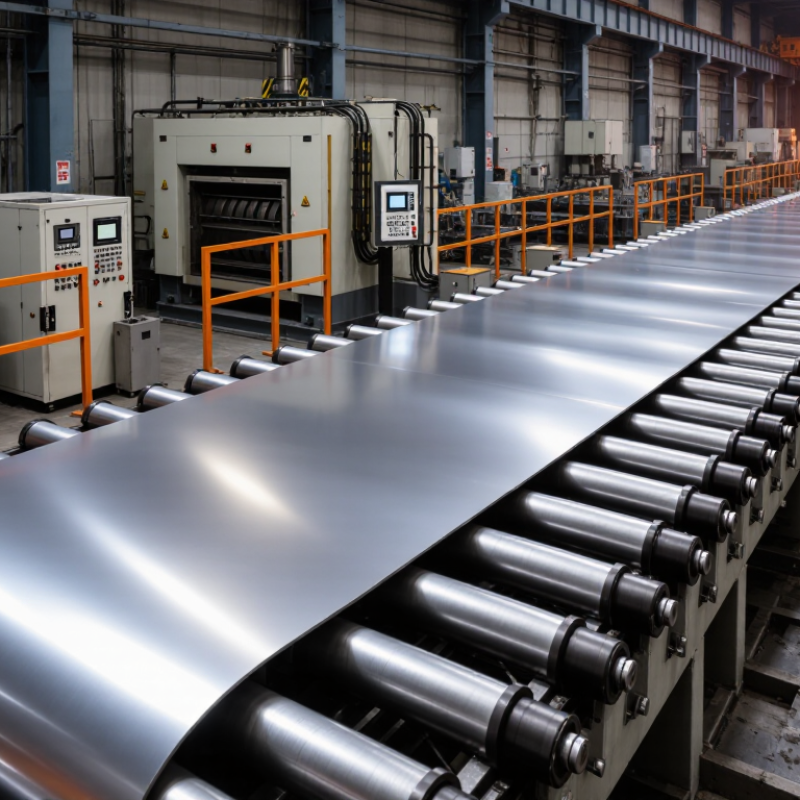
Production starts with titanium sponge, a porous metal made from processed titanium-bearing material. The sponge is melted in a vacuum or controlled atmosphere because hot titanium reacts readily with oxygen. The resulting ingot is heated, forged, and rolled into thinner sections. Rolling may happen in several passes, with reheating between them. It is gradual work. The metal is then annealed to adjust its structure and improve formability. Surface scale is removed, often through pickling or mechanical finishing, before the sheet is inspected.

Thickness, alloy composition, surface condition, and dimensional tolerances all matter. A sheet intended for a formed component may need tighter control than one used for a simple panel. Inspection can include thickness checks and tests for surface flaws. The route is not identical for every grade or mill, and that detail is easy to overlook. Manufacturing steps, material yield, and careful handling all contribute to cost, but they do not explain every price difference on their own.

Why Titanium Ore Is Difficult to Refine

Titanium sheet costs begin with the ore, not the rolling mill. USGS Mineral Commodity Summaries 2024 gives typical titanium dioxide contents of about 45–65% for ilmenite and 90–95% for rutile. The remaining material must be separated or controlled before metal production. Ilmenite also carries substantial iron, so processors often upgrade it into a richer feedstock. That takes energy, chemicals, equipment, and careful control of waste streams. The percentages look simple on paper. Real ore varies.

The Kroll process then converts purified titanium dioxide into titanium tetrachloride, which is reduced with molten magnesium. The USGS describes titanium sponge as the intermediate product before it is melted into ingots. Each step demands tight impurity control: oxygen, nitrogen, or leftover chlorine can weaken the metal. The sponge must also be separated from magnesium and salts, often under vacuum and at high temperature. Not quite easy. These stages run in batches, and equipment can remain occupied for long cycles, limiting output. I would not treat refining as a single chemical reaction; it is a chain of demanding operations, and small process failures can mean costly rework. That complexity helps explain why titanium sheet commands a premium.

How Sheet Production Adds Time and Processing Costs

Titanium sheet is expensive partly because making a flat, consistent sheet takes many controlled steps. The process often begins with a titanium slab, which is heated and rolled repeatedly until it reaches the required thickness. The metal must be processed in carefully controlled conditions because hot titanium can react with oxygen. That means specialized equipment, monitoring, and extra handling time. There is no quick shortcut.

Each rolling pass changes the sheet’s thickness and surface. Workers may need to reheat and anneal it between passes so it does not crack or lose the properties the buyer needs. Then the sheet is trimmed, inspected, and sometimes polished or pickled. Even a small flaw can matter when a tight thickness tolerance or smooth finish is specified.

That is easy to overlook. It is tempting to blame the metal alone, but the shop-floor time is a major part of the cost. Some offcuts can be recycled, yet recovering their value does not erase the labor, energy, and inspection already spent. A simple-looking sheet may have taken a long route.

Which Material Properties Require Specialized Manufacturing

Titanium sheet costs more because its useful properties also make it demanding to process. It offers high strength at a relatively low weight, which is valuable in parts where every gram matters. Yet titanium conducts heat poorly. During cutting, heat can stay near the tool edge instead of spreading through the sheet. Tool wear rises quickly if speeds, feeds, or cooling are poorly controlled. Small adjustments matter.

Its surface oxide helps protect the metal from corrosion, but high-temperature work needs careful control. During welding, oxygen and nitrogen can contaminate hot titanium and weaken the joint. Clean surfaces, suitable shielding gas, and protected cooling zones are essential. Forming brings another complication: titanium can spring back after bending because its elastic behavior differs from steel. Shops may need dedicated tooling and trial runs. These steps add labor, inspection, and setup time, even when the sheet itself is thin.

Tips: Use sharp tools and avoid letting them rub against the sheet. Keep welding areas clean and maintain shielding until the metal cools. Check bends against the finished dimensions; springback can be easy to underestimate. A test piece helps, though it adds time and material.

Why Is Titanium Metal Sheet So Expensive? — Which Material Properties Require Specialized Manufacturing

Property or production factor Typical titanium value or behavior Useful comparison How it affects manufacturing cost
Density About 4.51 g/cm³ for titanium Aluminum is about 2.70 g/cm³; carbon steel is about 7.85 g/cm³. Titanium is lighter than steel but not as light as aluminum. Its value often comes from combining relatively low weight with high strength and corrosion resistance, rather than from low material mass alone.
Melting point About 1,668°C for titanium Aluminum melts at about 660°C; iron melts at about 1,538°C. Producing and melting titanium requires high-temperature processes and carefully controlled equipment. High melting temperature is one part of a demanding production chain, not the only reason for high sheet prices.
Thermal conductivity Commercially pure titanium is roughly 22 W/(m·K) near room temperature. Aluminum is roughly 200 W/(m·K), while many steels are around 40–60 W/(m·K). Heat does not flow away from cutting and forming zones as readily as it does in aluminum. Machining can concentrate heat at the tool edge, making cutting conditions and tool life more challenging.
Elastic modulus Commonly about 105–120 GPa, depending on grade and condition Aluminum is about 69 GPa; steel is about 200 GPa. Titanium is less stiff than steel, so thin sheet can spring back after forming. Process planning may need to account for springback and dimensional control.
Strength and strength-to-weight ratio Strength varies substantially by grade, thickness, and heat treatment. Many titanium alloys offer high strength at relatively low density. Commercially pure grades are generally less strong than many structural titanium alloys; steel and aluminum strength also vary widely by grade. High-strength grades can require greater forming force and more carefully selected tooling. Comparisons should use the specific grade and temper, not a single value for “titanium.”
Reactivity at elevated temperatures Titanium can react with oxygen, nitrogen, and other elements when hot. Surface reactions and contamination risks differ by metal and process temperature. High-temperature processing may require controlled atmospheres and careful protection of the surface. Contamination can impair surface quality or material performance and may require extra inspection or finishing.
Primary production route Titanium metal is commonly produced from titanium sponge using the magnesium-based Kroll process, followed by melting and further processing. It is not typically produced by simply melting an abundant metal ore in a basic furnace. The extraction route is energy-intensive and involves multiple process stages. Sponge conversion, melting, and conversion into sheet add time, equipment, and quality-control costs.
Melting and ingot quality Some grades and applications use vacuum or other controlled melting processes; remelting requirements depend on the product specification. Not every titanium sheet follows an identical melting sequence. Strict chemistry and defect limits can require specialized melting, testing, and traceability. Additional remelting or inspection increases cost when required by the specification.
Rolling and heat treatment Sheet production may involve repeated hot or cold rolling, annealing, and surface finishing. The exact sequence depends on grade, thickness, and required mechanical properties. Controlled processing is needed to achieve the specified thickness, flatness, surface condition, and properties. More demanding tolerances or finishes can require additional production steps.
Machining behavior Low thermal conductivity and high strength can make machining more demanding than machining many common metals. Compared with readily machined materials, cutting heat and tool wear can be more difficult to manage. Appropriate cutting speeds, feeds, tooling, and cooling strategies help protect tool life and part quality. These requirements can increase machining time and operating costs.
Corrosion resistance Titanium forms a stable, protective oxide film in many environments. Performance depends on the grade, environment, temperature, and exposure to specific chemicals. Corrosion resistance can reduce maintenance or extend service life in suitable applications. It is a valuable performance benefit, although it does not remove the cost of producing the sheet.

Note: Values are approximate, typical reference figures. Exact properties and manufacturing requirements depend on the titanium grade, product condition, thickness, and applicable specification.

How Grade, Thickness, and Supply Affect Sheet Prices

Titanium sheet prices depend heavily on grade. Commercially pure grades usually cost less than high-strength alloys, which contain carefully controlled additions of other metals. Grade also affects machining, forming, and corrosion performance. A sheet intended for a marine fitting may need different properties from one used in a lightweight structural part. The label alone is not enough; check the material certificate and required specifications. Small details matter.

Thickness changes the price in less obvious ways. Thicker sheet uses more titanium per square foot, so its material cost rises. Yet very thin sheet can also be costly when tight tolerances, flatness, or surface quality require extra processing and inspection. Cutting creates scrap, too, and narrow custom sizes may leave more unusable material. A quote can look high for a small order, even when the listed price per pound seems reasonable. That part is easy to overlook.

Supply conditions shape the final figure. Titanium production involves energy-intensive processing, and sheet must pass through multiple manufacturing steps before delivery. Limited mill availability, long lead times, and freight costs can all affect quotes. Buyers should compare the same grade, thickness, dimensions, finish, and certification requirements. Otherwise, two prices may not describe equivalent material. I have seen specifications appear clear, then leave room for interpretation around tolerances. Confirming those details early can prevent costly surprises.

Powder Coat Booths

For those larger-sized parts, or smaller quantity runs, we have 2 independent powder coat booths and ovens. The quality, durability and affordability of today’s powder coating finishes make this the process of choice for world-class companies.

Powder coating advantages over other forms of coating are many. Materials used in the Powder coating process can be metals and non-metals that come in a multitude of thicknesses, textures, colors, etc. Another of Powder coating’s biggest advantages over conventional coatings is its ability to create finishes in many different textures. Powder Coating Booths allow us the ability to apply these advantages to large products.

Wet Paint Line

Tri-State Fabricators runs a full-service conveyor line for painting. Wet painting can provide protection or decoration to many different part styles. From start to finish, every project is easier to undergo random and point-based inspection by our skilled painting team.

Advantages to our Wet Paint Line are these lines start with product prep and ends with a thorough inspection of a high quality finished product. Our ability to complete large and small projects with a superior finish and doing so in a timely and economical fashion. This passes along the savings in production to our customers. When powder coating ins not an option, our Wet Paint Line gets the job done right the first time.

Wet Paint Booths

When the parts get big and heavy we roll-out our custom paint racks and oversize booth. By utilizing our partnerships with all the major paint brands, we can match virtually any color with wet paint.

The advantages of having access to a Wet Paint Booth are many. Large projects of many different shapes can be loaded into the booth. The Wet Paint Booth offers an environment that is much more controlled than a typical parts painting operation.

Not only are they used because of their controlled environment, but they’re are also advantageous when it comes to applying paint to parts that are needed in industries that require specialty coatings such as medical, aerospace, etc.

Military CARC

Our military forces have some very high standards when it comes to the finish of their vehicles and equipment. From the first pre-treatment step to final coat, it takes a great deal of knowledge and experience to protect the men and women of our armed forces. They deserve only the best, and Tri-State Fabricators provides it.

All of our processes are closely monitored by our staff and management teams. Both of which are highly trained in the processes of metal fabrication and finishing. Tri-State Fabricators’ goal is to always fully satisfy each and every customer, including the military. We will always put a 110% into what we do.

Glass-Bead Blasting

Abrasive media blasting is an excellent way to remove old paint, rust, and increase the paint/powder adhesion. Glass beads produce a much smoother and brighter finish than angular abrasives; leaving the part clean yet without any dimensional change. Chemically inert and environmentally friendly, we can recycle our beads approximately 30 times; making them a more preferred method of metal cleaning or surface finishing.

Advantages to Glass Bead Blasting are many. Glass bead blast media is used when a project is needing rough surfaces need to become smooth for applications of coatings such as paint. It is typically used to clean paint and rust from a product surface without deforming the surface it is being used on. Overall, compared to many other blasting media, Glass Bead Blasting is a very economical choice and those savings are always passed on to our customers.

Part Washing

Tri-State Fabricators utilize a zinc phosphate wash to clean and etch the material to ensure the best paint adhesion possible. The unique design of our 3-stage wash system does the work like a 5-stage. From Cleaning and rinsing to conversion coating and post-treatment, Our Part Washing process is a complete service and works throughout the fabrication service and the finishing service.

Along with the previously mentioned benefits, Curing is a vital chemical reaction that leaves the product finish hard and relatively safe from mild abrasion and aggressive corrosion. This process can be done in more than one way; ambient air-dry or in curing ovens at temps that exceed 240°.

Burn-Off Oven

From fixing paint mistakes (someone else’s of course) to simply cleaning our paint line hooks, our burn-off oven is put to good use. After a quick burn-off, a little clean up, and a fresh coat of paint, your parts will look better than new.

Why does our Burn-Off Oven work so well? Because super heating the air around parts turns the materials into ashes. From paint and powder coatings to rubber and machining oils, high temps do the job without degrading the integrity of the part.

Masking

Masking is a vital part of producing high quality products. We have die-cut masking patterns to protect machined surfaces as well as a wide range of plugs and caps to protect threaded holes and bolts. We provide permanent and temporary masking.

Masking allows the selected sections of a product to be protected from a fabrication or finishing service. This can be with both chemicals when etching and tapes, paints when only finishing just a section of the product. Masking is great in aiding the customization process of a project.

Screen Printing

Screen printing is a photographic process that transfers artwork onto a porous nylon screen which allows colored ink to flow through the screen and be deposited on an aluminum or plastic component. We can generally have just about any design created onto a screen for your parts.

Some of the advantages of Screen Printing are, brand recognition for your business displaying on your products, assembly instructions, product warnings/hazards, etc. Tri-State Fabricators produces Screen Printing of the highest quality so you know it’s durable.

Metal Finishing

Metal Finishing is the art of treating the exterior portion of product, often metal but can also be made of other materials, so that the surface is clean and free of any debris. Then the process of applying coats or either paint of powder coat takes place. This coating process improves the quality of the product in both appearance and resistance to wear and corrosion.

Tri-State Fabricators, Inc., understands that a project typically isn’t complete until a high-quality finish has been added to your product. This is why our painting and powder coating teams continuously inspect the products throughout the Metal Finishing process.