


For global buyers, Green Ball Tennis is more than a color choice. It is a practical bridge between beginner equipment and full-court competition. The ball is designed to travel more slowly, giving young players extra time to read its flight, prepare the racquet, and recover after each shot. On a busy training court, that extra moment can change a rushed swing into a controlled rally.
Miguel Crespo, an International Tennis Federation participation and development specialist, has said, “The right ball makes tennis easier to learn and more enjoyable to play.” This principle remains important for distributors, academies, schools, and sports retailers. A reliable green ball should offer consistent bounce, durable felt, stable pressure, and visible color under indoor and outdoor lighting. Small details matter. A weak seam may split after a few sessions. An uneven bounce can discourage a child quickly.
Experienced buyers should compare samples, not only catalog claims. They should check performance across different court surfaces and temperatures. Packaging, storage conditions, and shipping protection also deserve attention. A container left in intense heat may affect playability. That point is sometimes overlooked.
Green Ball Tennis is not automatically the best option for every player. Some developing athletes may need a different stage or coaching method. Still, when quality and training goals match, green balls can support longer rallies, clearer feedback, and more confident movement. The choice requires evidence, testing, and occasional rethinking—not simply the lowest quoted price.
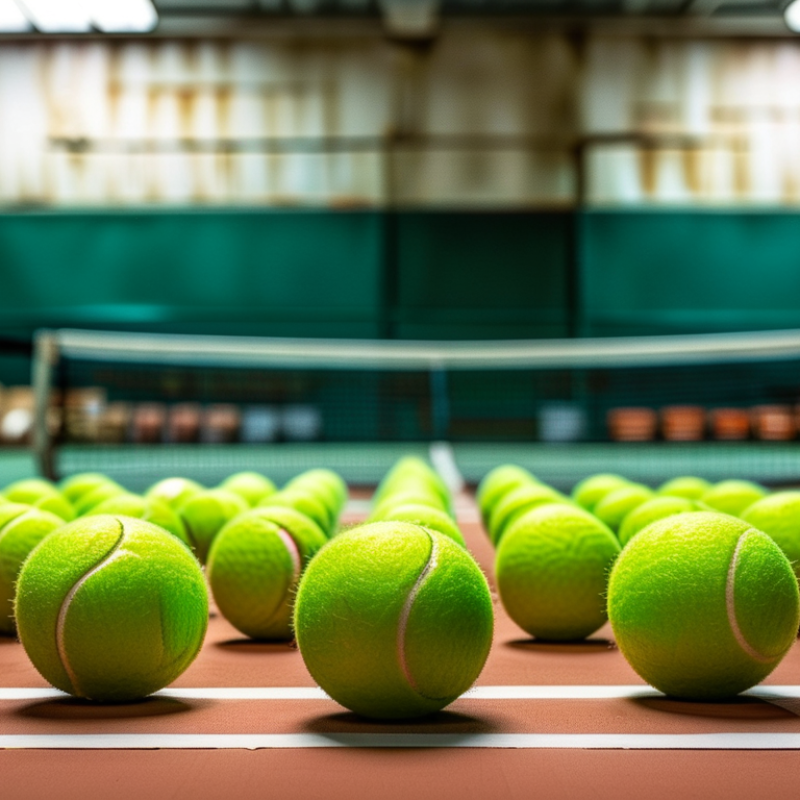
Green ball tennis uses the ITF Stage 1 standard for developing players. These balls travel about 25% slower than standard yellow tennis balls. That lower speed creates more time for movement, preparation, and controlled contact. It also helps young players experience longer rallies on a full-size court.
The difference is easy to see during practice. A player can reach a wide shot, set the racket, and choose a clearer target. Coaches can focus on footwork, timing, and tactical decisions instead of constant ball retrieval.
However, 25% lower speed does not mean every green ball feels identical. Core pressure, felt quality, rebound, and weight can affect the playing experience. Global buyers should request test data and confirm that the product meets current ITF Stage 1 requirements.
Shipping and storage also deserve attention. Heat, cold, humidity, and long warehouse periods may influence pressure and consistency. Packaging should protect the balls from crushing and moisture. From practical testing, a ball that performs well indoors may feel different outdoors. We sometimes overlook this detail. It is worth testing samples across several courts before placing a large order. Reliable suppliers should explain specifications clearly and provide consistent production information. That transparency supports safer purchasing decisions and more dependable training sessions.

Training control often improves when the ball gives players more time to read its flight. A green ball made 6% larger offers a clearer visual target during rallies. This detail helps beginners track rotation, height, and direction more comfortably. It can also support coaches during feeding drills. The larger profile is easier to see across a bright court or under changing light.
Its 75% compression creates a softer response than a standard tennis ball. The ball travels at a calmer pace and produces less aggressive rebound. Players can prepare earlier, adjust their swing, and keep rallies active. On a practice court, this means more controlled contact near the service line. The softer feel may also reduce frustration during first lessons. Small improvements matter.
I have found that control still depends on court speed, temperature, and player technique. The larger size does not automatically fix poor timing. That assumption needs questioning. Buyers should request compression data, diameter measurements, and sample testing before placing large orders. A reliable supplier should explain production tolerances and storage conditions clearly. Test the balls on hard, clay, and indoor surfaces when possible. Results may vary.numerusform
Green tennis balls are a practical choice for global buyers following the ITF Tennis10s framework. They are designed for Stage 1 players, generally aged nine to ten, who are moving toward full-court tennis. Their reduced compression creates a slower flight and softer bounce than standard yellow balls. This gives children more time to prepare, move, and control the racket.
Age is only a starting point. A confident eight-year-old may handle a green ball well, while a cautious ten-year-old may need more time. Court size matters too. Green balls suit a full-size court, but coaches can shorten the playing area during early sessions. Simple adjustments help children reach the ball without rushed swings.
Skill should guide the final choice. Players with reliable rallies can practise direction, depth, and basic point construction. Beginners may benefit from shorter distances and cooperative feeding first. In my experience, buyers sometimes select balls by age label alone. That is not always effective. The same ball can feel perfect on one court and too demanding on another. Check ITF approval, compression consistency, felt durability, and performance across different temperatures before placing a large international order. Small testing errors can become expensive.
Why Choose Green Ball Tennis Balls for Global Buyers?
For global buyers, green tennis balls should be judged by evidence, not color alone. A reliable supplier can provide current ITF approval details, test references, and product specifications. Check the ball’s stage, diameter, weight, and rebound range for your target market. In my sourcing experience, clear documents reduce sampling delays. Still, certificates can expire, and paperwork may contain mistakes. Confirm issuing bodies and dates before placing a large order. Strong claims need measurable support.
Durability matters during rallies and transport. Ask for pressure-retention data, felt consistency, seam quality, and performance after repeated play. A practical sample test can include outdoor use, damp courts, and several weeks of storage. Green balls often serve junior training and frequent handling, so soft feel must not mean rapid wear. Packaging also deserves inspection. Cartons should protect balls from crushing, moisture, and dust. Confirm carton dimensions, unit count, barcodes, pallet plans, and recyclable options. I once underestimated warehouse space. Details matter.
Tips: Request a pre-shipment sample and compare it with the approved sample. Use lot numbers for traceability. Ask about monthly capacity, lead times, safety stock, and backup materials. A written quality plan should state inspection points and acceptable tolerances. Discuss seasonal demand early, especially before school or club programs begin. One supplier may offer a lower price, yet inconsistent supply can cost more. Test twice. Leave room for correction; no production plan is perfect.
| Buyer Criterion | Verified Technical Data or Procurement Benchmark | How Buyers Can Verify It | Global Purchasing Significance |
|---|---|---|---|
| ITF Approval | Green Stage 1 tennis balls are designed to be approximately 25% slower than standard tennis balls. They are intended for progressive learning and play on a full-size court. | Request the current International Tennis Federation approval listing, approval reference, and technical test documentation for the exact ball construction and model. | Supports eligibility for structured coaching programs, schools, clubs, and international sporting-goods tenders. |
| Official Ball Size and Mass | Standard tennis-ball regulations specify a mass of approximately 56.0–59.4 g and a diameter of approximately 6.54–6.86 cm. Approved green balls must meet the applicable requirements for their approved category. | Check an independent laboratory report or production inspection record showing mass, diameter, rebound, and deformation results. | Consistent dimensions help maintain predictable racket response, feeding-machine performance, and player development outcomes. |
| Rebound Consistency | Rebound performance is a regulated tennis-ball property. A buyer specification should require consistent rebound within the approved tolerance for the relevant green-ball category rather than relying only on visual inspection. | Compare batch test results from multiple production lots and require sampling before shipment. | Reduces variation during lessons, tournaments, and repeated drills, especially when buyers combine several cartons in one program. |
| Pressure-Retention Durability | Pressurized balls can lose internal pressure during storage and use. A practical procurement benchmark is a documented shelf-life policy, controlled storage conditions, and post-aging performance testing. | Request accelerated-aging or pressure-retention data, production dates, recommended storage conditions, and a defined quality-claim period. | Helps importers protect resale quality across long sea routes, customs delays, and warehouse storage. |
| Felt and Seam Construction | Durable woven or needled felt, secure seam bonding, and uniform rubber-core molding are key construction factors. No universal international service-life number applies to every playing surface. | Evaluate abrasion resistance, seam integrity, fuzz retention, and appearance after repeated play on hard, acrylic, clay, and indoor surfaces. | A documented construction standard gives buyers a more reliable basis for comparing quality than color, print, or initial softness alone. |
| Packaging Protection | Packaging should protect balls from crushing, moisture, contamination, and unauthorized opening. Common export formats include sealed cans, easy-open cans, or bulk cartons, depending on the sales channel. | Confirm can-seal integrity, carton compression strength, moisture protection, barcode requirements, lot identification, and export pallet configuration. | Appropriate packaging lowers damage, leakage, and retail rejection rates during international handling and distribution. |
| Labeling and Traceability | Each sales unit should carry clear product identification, quantity, intended ball category, country-of-origin information where required, lot or batch coding, and storage or usage instructions where applicable. | Approve a pre-production artwork sample and verify that carton marks, product labels, packing lists, and shipping documents match. | Clear traceability supports customs clearance, recalls, warranty handling, and inventory control across multiple markets. |
| Supply Capacity | A reliable supplier should demonstrate stable raw-material sourcing, repeatable production controls, documented inspection procedures, and the ability to reserve capacity for forecasted orders. | Review production lead time, monthly capacity declaration, quality records, approved pre-shipment samples, and contingency plans for material or transport disruptions. | Reduces stockout risk and supports seasonal programs, school contracts, club leagues, and multi-country distribution. |
| Order and Delivery Planning | A complete quotation should state minimum order quantity, production lead time, packaging configuration, shipment terms, inspection point, and documentation included with each order. | Compare the commercial quotation with the purchase contract and confirm the agreed tolerance for quantity, appearance, and technical performance. | Transparent terms make landed-cost calculations and replenishment planning more accurate for global buyers. |
| Recommended Acceptance Decision | Approve only after document and sample review Do not evaluate green tennis balls by color or price alone. Technical approval, test results, packaging quality, and repeat-batch consistency should be reviewed together. | Use a signed sample approval, pre-shipment inspection, batch records, and retained reference samples for future comparison. | Creates a repeatable sourcing process and improves quality consistency across suppliers and destination markets. |
For global buyers, green tennis balls represent more than an intermediate product. They support a safer, more controlled transition from red balls to standard yellow balls. In practical coaching sessions, players moving directly to yellow often face excessive bounce, speed, and court coverage. Green balls generally travel about 25% slower than standard yellow balls. Their bounce feels more manageable. Players gain time to read the ball, prepare the racket, and recover balance. Better timing matters.
Their market value comes from usability across many settings. Tennis schools can use green balls for structured progression, while clubs can offer them for junior practice, family sessions, and beginner clinics. Retailers also benefit from a product serving both instruction and recreational play. For international purchasing teams, consistent size, pressure, felt quality, and packaging are important. These details influence storage, shipping, and customer trust. A low price alone is not enough.
Green balls are not automatically safer in every situation. Court surface, player age, coaching quality, and racket control still matter. I have seen learners improve quickly, then lose confidence when sessions change too suddenly. That remains a useful warning for buyers and coaches. A staged ball program should stay flexible, measurable, and easy to explain. The bridge must fit the player.
The green ball is an ITF Stage 1 ball designed to provide a safer transition between slower junior balls and the standard yellow ball. The relative speed index below uses the yellow ball as the 100% reference: red 25%, orange 50%, green 75%, and yellow 100%.


For those larger-sized parts, or smaller quantity runs, we have 2 independent powder coat booths and ovens. The quality, durability and affordability of today’s powder coating finishes make this the process of choice for world-class companies.
Powder coating advantages over other forms of coating are many. Materials used in the Powder coating process can be metals and non-metals that come in a multitude of thicknesses, textures, colors, etc. Another of Powder coating’s biggest advantages over conventional coatings is its ability to create finishes in many different textures. Powder Coating Booths allow us the ability to apply these advantages to large products.
Tri-State Fabricators runs a full-service conveyor line for painting. Wet painting can provide protection or decoration to many different part styles. From start to finish, every project is easier to undergo random and point-based inspection by our skilled painting team.
Advantages to our Wet Paint Line are these lines start with product prep and ends with a thorough inspection of a high quality finished product. Our ability to complete large and small projects with a superior finish and doing so in a timely and economical fashion. This passes along the savings in production to our customers. When powder coating ins not an option, our Wet Paint Line gets the job done right the first time.
When the parts get big and heavy we roll-out our custom paint racks and oversize booth. By utilizing our partnerships with all the major paint brands, we can match virtually any color with wet paint.
The advantages of having access to a Wet Paint Booth are many. Large projects of many different shapes can be loaded into the booth. The Wet Paint Booth offers an environment that is much more controlled than a typical parts painting operation.
Not only are they used because of their controlled environment, but they’re are also advantageous when it comes to applying paint to parts that are needed in industries that require specialty coatings such as medical, aerospace, etc.
Our military forces have some very high standards when it comes to the finish of their vehicles and equipment. From the first pre-treatment step to final coat, it takes a great deal of knowledge and experience to protect the men and women of our armed forces. They deserve only the best, and Tri-State Fabricators provides it.
All of our processes are closely monitored by our staff and management teams. Both of which are highly trained in the processes of metal fabrication and finishing. Tri-State Fabricators’ goal is to always fully satisfy each and every customer, including the military. We will always put a 110% into what we do.
Abrasive media blasting is an excellent way to remove old paint, rust, and increase the paint/powder adhesion. Glass beads produce a much smoother and brighter finish than angular abrasives; leaving the part clean yet without any dimensional change. Chemically inert and environmentally friendly, we can recycle our beads approximately 30 times; making them a more preferred method of metal cleaning or surface finishing.
Advantages to Glass Bead Blasting are many. Glass bead blast media is used when a project is needing rough surfaces need to become smooth for applications of coatings such as paint. It is typically used to clean paint and rust from a product surface without deforming the surface it is being used on. Overall, compared to many other blasting media, Glass Bead Blasting is a very economical choice and those savings are always passed on to our customers.
Tri-State Fabricators utilize a zinc phosphate wash to clean and etch the material to ensure the best paint adhesion possible. The unique design of our 3-stage wash system does the work like a 5-stage. From Cleaning and rinsing to conversion coating and post-treatment, Our Part Washing process is a complete service and works throughout the fabrication service and the finishing service.
Along with the previously mentioned benefits, Curing is a vital chemical reaction that leaves the product finish hard and relatively safe from mild abrasion and aggressive corrosion. This process can be done in more than one way; ambient air-dry or in curing ovens at temps that exceed 240°.
From fixing paint mistakes (someone else’s of course) to simply cleaning our paint line hooks, our burn-off oven is put to good use. After a quick burn-off, a little clean up, and a fresh coat of paint, your parts will look better than new.
Why does our Burn-Off Oven work so well? Because super heating the air around parts turns the materials into ashes. From paint and powder coatings to rubber and machining oils, high temps do the job without degrading the integrity of the part.
Masking is a vital part of producing high quality products. We have die-cut masking patterns to protect machined surfaces as well as a wide range of plugs and caps to protect threaded holes and bolts. We provide permanent and temporary masking.
Masking allows the selected sections of a product to be protected from a fabrication or finishing service. This can be with both chemicals when etching and tapes, paints when only finishing just a section of the product. Masking is great in aiding the customization process of a project.
Screen printing is a photographic process that transfers artwork onto a porous nylon screen which allows colored ink to flow through the screen and be deposited on an aluminum or plastic component. We can generally have just about any design created onto a screen for your parts.
Some of the advantages of Screen Printing are, brand recognition for your business displaying on your products, assembly instructions, product warnings/hazards, etc. Tri-State Fabricators produces Screen Printing of the highest quality so you know it’s durable.
Metal Finishing is the art of treating the exterior portion of product, often metal but can also be made of other materials, so that the surface is clean and free of any debris. Then the process of applying coats or either paint of powder coat takes place. This coating process improves the quality of the product in both appearance and resistance to wear and corrosion.
Tri-State Fabricators, Inc., understands that a project typically isn’t complete until a high-quality finish has been added to your product. This is why our painting and powder coating teams continuously inspect the products throughout the Metal Finishing process.

