Why Choose Y Type Strainer for Your Industrial Needs?
When choosing equipment for industrial applications, the Y type strainer stands out as a reliable option. Prominent industry expert John Smith emphasizes, “The Y type strainer is essential for maintaining system efficiency.” His insights reflect years of experience in fluid dynamics and industrial filtration systems.
Y type strainers are crucial for protecting pipelines and equipment. They effectively remove debris and particles, ensuring smooth operations. However, some users underestimate the importance of regular maintenance. Neglecting this can lead to clogs and system failures.
Each system is unique, so selecting the right strainer requires careful consideration. The design of a Y type strainer allows for easy cleaning and replacement. This feature helps mitigate potential downtime. Despite its advantages, potential drawbacks exist, such as pressure drop if not properly sized. Thus, understanding your specific needs is vital.
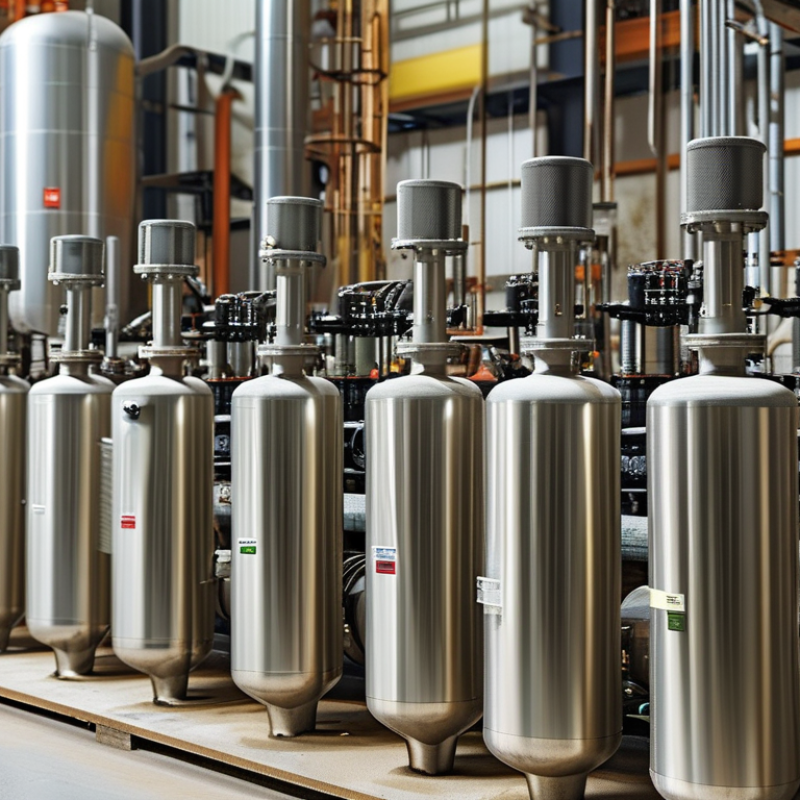
Advantages of Y Type Strainers in Various Industrial Applications
Y Type strainers are increasingly favored across various industrial sectors. They are vital in ensuring the smooth operation of pipelines and machinery. By filtering out impurities, these strainers enhance system efficiency. In environments where consistent performance is crucial, such as water treatment and chemical processing, Y Type strainers excel.
One significant advantage is their compact design. This shape allows for easy integration into existing systems. Their ability to handle high flow rates is also noteworthy. Operators appreciate their simple maintenance needs. Regular checks are essential, but typically they require less effort than other strainer types. However, some users may underestimate the importance of routine inspections.
In high-demand settings, the effectiveness of Y Type strainers is undeniable. They prevent costly downtimes caused by clogging. Yet, operators must choose the right mesh size for their particular application. This decision can impact performance. Oversizing or undersizing can lead to inefficiencies. Balancing filtration needs with fluid dynamics is often challenging.
Advantages of Y Type Strainers in Various Industrial Applications
Key Specifications and Features of Y Type Strainers
Y type strainers are crucial in various industrial applications. Their design is specifically tailored for optimal fluid filtration. They incorporate a unique shape that allows for effective capture of debris. This feature makes them essential for maintaining system efficiency.
Key specifications include a variety of sizes to fit numerous pipe diameters. Made from durable materials, they withstand harsh conditions. The filtration mesh options can be customized to meet specific needs. Users can choose between different micron ratings, ensuring precise filtration levels.
One aspect often overlooked is the maintenance requirements. Regular cleaning of the strainer is necessary to prevent clogs. Neglecting this can lead to inefficiencies and equipment failures. The ease of disassembly is a beneficial feature, allowing quick access for maintenance. However, this design could be improved for even faster service.
Why Choose Y Type Strainer for Your Industrial Needs? - Key Specifications and Features of Y Type Strainers
| Specification | Details |
| Body Material | Stainless Steel, Cast Iron, Bronze |
| Filter Element Type | Perforated Plate, Wire Mesh, Bag Filters |
| Pressure Rating | Class 150, Class 300, PN16, PN40 |
| Connection Type | Flanged, Threaded, Welded |
| Size Range | 1" to 24" |
| Operating Temperature | -10°C to 200°C |
| Flow Direction | Straight through, Bi-directional |
| Maintenance | Easy access for cleaning or replacement |
| Applications | Water treatment, Oil & Gas, Chemical Processing |
Comparative Analysis: Y Type vs. Other Strainer Types
When considering strainers for industrial applications, the choice is significant. The Y type strainer offers clear advantages over other types. Its design facilitates easy cleaning and maintenance. The Y shape allows fluid to flow in while catching debris effectively. This ensures minimal interruption in operations and enhances overall efficiency.
In contrast, basket and T strainers may present challenges. They often require more space for installation and can be cumbersome when cleaning. The Y type strainer's compact design makes it easier to integrate into tight spaces. Furthermore, it typically has lower pressure drops compared to its counterparts. This characteristic is critical in maintaining system efficiency.
However, it’s essential to note that the Y type may not be ideal for all situations. Applications with heavy debris may require different solutions. Regular evaluation of your strainer choice is crucial. This allows for adjustments based on specific operational demands. Understanding these nuances ensures the longevity and reliability of your industrial systems.
Maintenance and Lifespan of Y Type Strainers in Industrial Settings
Y Type strainers are essential for maintaining the efficiency of industrial systems. Their unique shape allows for effective filtration of debris and contaminants. Proper maintenance significantly affects their lifespan and overall performance. Regular visual inspections can identify buildup that may impede flow. Operators should monitor pressure differentials to ensure operational effectiveness.
Cleaning Y Type strainers is crucial. A simple rinse can remove most particles. However, some situations may require more thorough cleaning processes. Over time, wear and tear can lead to reduced efficacy. Users must be vigilant about replacing worn parts. Strainers that are neglected can lead to costly system failures.
It's also important to train staff on best practices for Y Type strainers. Knowledge gaps may hinder maintenance efforts. A well-informed team can catch issues early. They can implement preventive measures that extend the strainer's lifespan. Maintaining these components not only saves money but also improves overall system reliability.
Common Applications and Industry Use Cases for Y Type Strainers
Y Type strainers serve various industries effectively. They are widely used in water treatment plants, chemical processing, and HVAC systems. These strainers help remove debris and protect expensive equipment from damage. In water treatment plants, for instance, studies show that strainers can reduce maintenance costs by up to 30%. They filter out sediments, preventing clogging and inefficiencies.
In chemical processing, Y Type strainers are crucial. They ensure the purity of raw materials and products. A report from the Chemical Engineering Magazine states that improper filtration can lead to a 15% decrease in product quality. Additionally, they play a vital role in maintaining system pressure in piping. This aspect is often underestimated but significantly impacts productivity.
HVAC systems also benefit from Y Type strainers. They protect pumps and heat exchangers from harmful particles. Research indicates that clean systems can achieve energy savings of around 10-20%. However, a common oversight is the need for routine maintenance. Neglecting this can lead to failures and costly repairs. Regular checks are essential for optimal performance.





