Why Choose RF Connectors for Your Communication Needs?
In today's fast-paced communication landscape, the choice of RF Connectors is crucial. According to Dr. Anna Hughes, an expert in telecommunications, "RF connectors bridge the gap between reliability and performance." These components play a vital role in ensuring signal integrity and effectiveness in various applications.
RF connectors are essential for any system relying on radio frequency signals. From telecommunications to aerospace, their impact is widespread. They ensure strong connections, which can affect overall system performance. However, many overlook the importance of selecting the right RF connector. Poor choices can lead to signal loss or failure, reflecting the need for careful consideration.
Challenges persist in selecting RF connectors. The variety of types and specifications can confuse. Balancing cost and performance is not always straightforward. Investing in high-quality RF connectors may seem daunting, but it pays off in reliability. In this evolving industry, staying informed is key. Proper knowledge will avoid pitfalls and help choose the best solutions for communication needs.
Understanding RF Connectors: Types and Functions
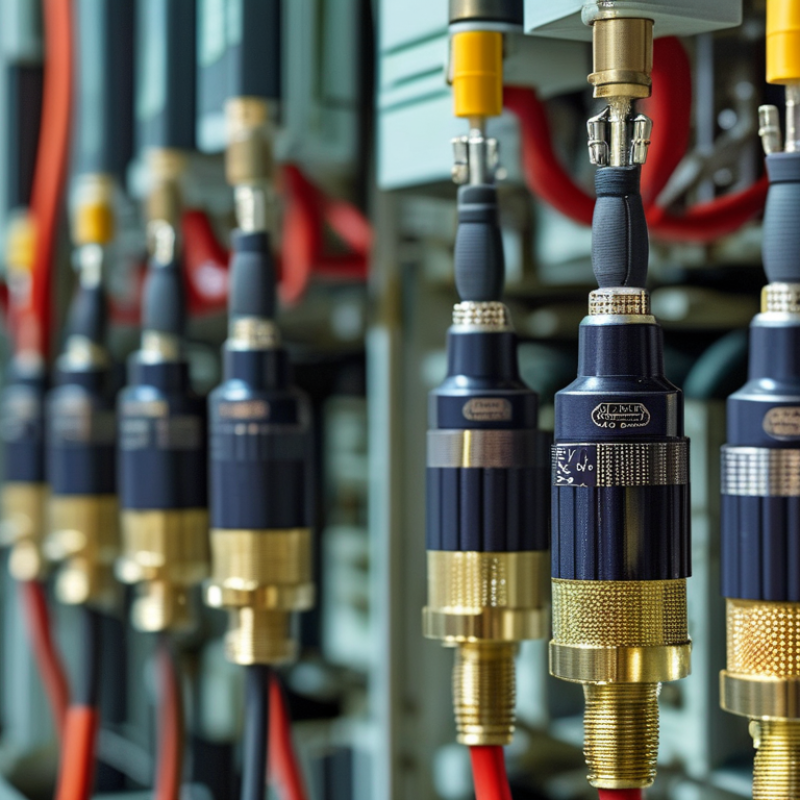
RF connectors play a crucial role in communication systems. They are essential for transmitting radio frequency signals. Understanding the different types and functions can help you select the right connectors for your needs. There are several types of RF connectors, including BNC, SMA, and N Type connectors. Each variety is designed for specific applications and frequencies.
BNC connectors are commonly used in video applications. They provide a reliable connection and are easy to use. SMA connectors, on the other hand, are small and offer high frequency performance. They are often used in wireless communication devices. N Type connectors are larger and suited for high-power applications, making them ideal for base station antennas. According to a recent industry report, the RF connector market is projected to grow at a CAGR of 7.3% through 2025, driven by the demand for mobile communication solutions.
Tips: Always consider the frequency range and application when choosing RF connectors. Ensure compatibility with existing systems. A mismatch can lead to signal loss. Make sure to inspect connectors regularly for wear and tear, as aging can affect performance. Select connectors made from durable materials to enhance longevity and reliability.
Why Choose RF Connectors for Your Communication Needs? - Understanding RF Connectors: Types and Functions
| Connector Type | Application | Frequency Range | Impedance | Key Features |
| SMA | Telecommunications | DC to 18 GHz | 50 Ω | Compact design, high durability |
| N Type | Outdoor antennas | DC to 11 GHz | 50 Ω | Weatherproof, robust design |
| BNC | Video and audio | DC to 4 GHz | 75 Ω | Quick connect/disconnect, good signal integrity |
| TNC | Mobile communication | DC to 11 GHz | 50 Ω | Threaded coupling, reliable connection |
| RP-SMA | Wi-Fi devices | DC to 18 GHz | 50 Ω | Reverse polarity, compact |
The Importance of RF Connectors in Communication Systems
RF connectors play a crucial role in communication systems. They facilitate the transmission of radio frequency signals with minimal loss. The design of these connectors ensures that connections remain stable, even in challenging environments. This is vital, as communication systems often experience interference and varying temperatures.
Choosing the right RF connector can be complex. It requires an understanding of factors like frequency range and impedance. Mistakes in selection can lead to signal integrity issues. These issues may result in poor performance, compromising the entire communication system. Consideration of durability and environmental compatibility is also essential.
While RF connectors are generally robust, they are not infallible. Environmental factors can affect their longevity and performance. Regular maintenance is necessary to ensure reliability over time. The evolving needs of communication technology also challenge the existing designs of RF connectors. New applications demand ongoing innovation to meet these challenges effectively.
Advantages of Using RF Connectors in Various Applications
RF connectors are essential components in many communication applications. They ensure a reliable and efficient connection for transmitting signals. These connectors are designed to handle high-frequency signals, which are crucial in today’s wireless communication landscape. Their robust construction helps maintain signal integrity, reducing loss and interference during transmission.
In various applications, RF connectors exhibit significant advantages. In telecommunications, they provide stable connections that support high data rates. Their versatility also shines in broadcasting, satellite communications, and wireless networking. RF connectors are made to withstand environmental challenges, ensuring durability and long-term performance. However, selecting the right connector for specific needs can be daunting and requires careful consideration.
Many users may underestimate the impact of proper RF connector installation. Improper handling can result in poor performance or even signal disruptions. Regular maintenance is essential to mitigate issues over time. A thorough understanding of your communication system can lead to better choices. Investing in quality RF connectors can ultimately enhance overall system reliability.
Factors to Consider When Choosing RF Connectors
When choosing RF connectors for communication, several critical factors deserve attention. The frequency range is an essential aspect. Various applications may require connectors to operate at different frequencies. For instance, connectors that function well at 2.4 GHz may not be suitable for 5 GHz applications. Selecting the wrong frequency range could lead to signal loss or degradation, severely impacting performance.
Another factor is the connector type. Different types are designed for specific applications. For example, SMA connectors are widely used for outdoor wireless applications. However, they might not be the best choice for environments with high vibration. Understanding environmental conditions is crucial. A study by the Microwave Journal indicated that approximately 30% of RF connector failures are related to environmental factors such as moisture and temperature fluctuations.
Material quality also plays a significant role. Connectors made from high-quality materials can endure more stress and provide better conductivity. Yet, not all high-grade materials guarantee reliability in extreme conditions. A survey by the RF Globalnet reported that 25% of users experienced issues related to connector material, emphasizing the need for careful selection. It is essential to weigh these considerations against your specific needs and to think critically about potential challenges.
Future Trends in RF Connector Technology and Usage
RF connector technology is evolving rapidly, driven by the increasing demand for connectivity in various applications. Emerging trends show a shift towards higher frequencies and miniaturization. As devices become smaller and more complex, RF connectors must adapt. The need for lightweight and compact solutions is critical for maintaining performance in limited spaces. Ensuring reliable signal integrity is essential in these settings.
Additionally, advancements in materials are paving the way for improved performance. New composites and metals are being explored. These materials promise enhanced durability and thermal stability. The industry must consider the impact of these innovations on production costs and sustainability. Balancing performance with environmental concerns creates a complex challenge.
Another area of focus is automation in RF connector manufacturing. Automation could streamline production processes, reducing errors and increasing precision. However, it raises concerns about job displacement and quality control. As the technology landscape continues to evolve, challenges and opportunities will arise. Stakeholders must stay informed and adapt to these changes. The future of RF connectors is bright, but it requires careful navigation.





