Why Choose PU Sandwich Panels for Your Building?
A Pu Sandwich Panel can help create a building envelope that is insulated, lightweight, and quick to assemble. Its rigid polyurethane core sits between two metal facings, forming a single panel that serves both structural and thermal functions. On a cool morning, that insulation can help reduce heat transfer through a roof or wall. But results depend on more than the core. Panel thickness, joint design, fixings, and careful installation all matter.
A panel is not a complete building solution. Moisture control, fire performance, acoustic needs, and local design conditions require project-specific review. Poorly sealed joints can invite air or water leakage, even when the panel itself has strong insulation values. That detail is easy to underestimate. For a credible expert quotation, confirm the wording and attribution with a qualified, named panel specialist before publication. A proposed line for that reviewer is: “The panel performs only as well as its joints and installation.” Do not attribute this draft wording to a real person without verification.
This guide explains where PU sandwich panels fit, what benefits they can offer, and what to check before specifying them. It also considers practical trade-offs, including upfront cost, durability, and maintenance. The right choice depends on the building’s use, climate, and design requirements—not on insulation claims alone. Details matter. A careful comparison of tested product data and installation guidance can help owners and project teams make a more reliable decision.
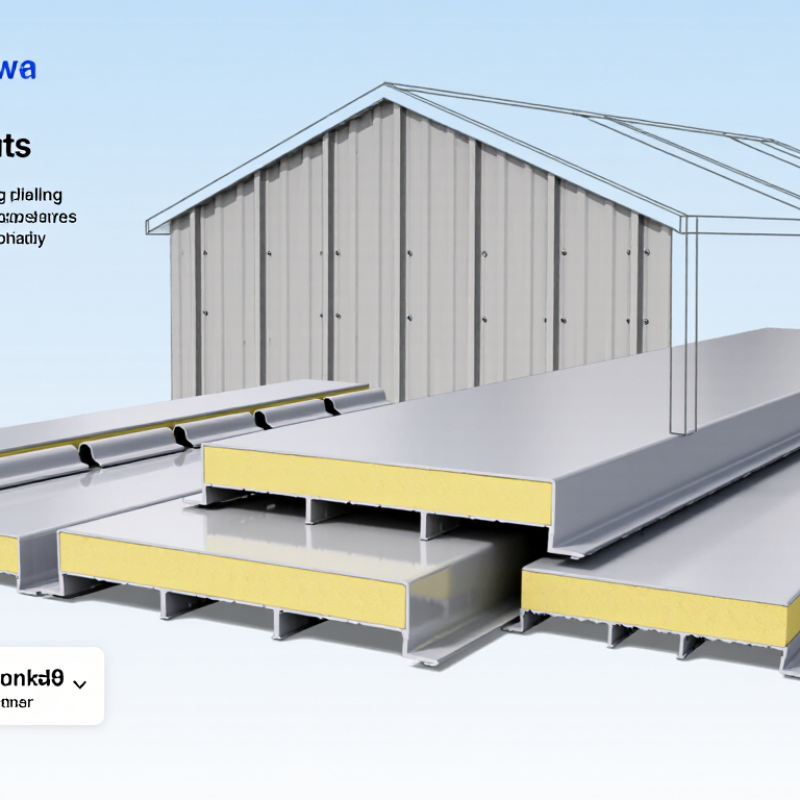
What PU Sandwich Panels Are and How They Are Structured
A PU sandwich panel is a composite building element: a rigid polyurethane foam core sits between two facing sheets, often coated steel. The core is usually bonded to the facings during manufacture, so the layers act as one panel rather than separate boards.
That matters.
The foam contains many small cells that slow heat transfer, while the outer sheets provide a firm surface for handling and installation. Panel thickness, foam density, and facing material can vary by application. Edges may use tongue-and-groove profiles or other joint designs to align panels and limit air leakage. A clean, tight joint is important; even a good core cannot compensate for careless fitting.
When assessing a panel, look beyond its advertised insulation value. Check how the joints, fixings, and cut edges are detailed, since these areas can create thermal bridges or admit moisture. Fire performance also depends on the complete panel construction and its tested specifications, not just the foam core.
Not every panel is identical.
I would avoid assuming that a thicker panel automatically suits every wall or roof; the building’s climate, use, and ventilation matter too. One detail is easy to overlook: damaged coatings may need prompt repair to protect the facing sheet.
How Polyurethane Cores Provide Thermal and Acoustic Insulation
PU sandwich panels use a rigid polyurethane core to slow heat transfer through walls and roofs. Its closed-cell structure traps gas in tiny pockets, helping limit conduction. In practice, this can support steadier indoor temperatures and reduce the workload on heating or cooling systems. On a cold morning, the inside wall may feel less chilly than an uninsulated surface. That matters.
Real performance depends on more than the core. Panel thickness, edge joints, fasteners, and careful sealing all affect heat loss. A narrow gap at a roof seam can undermine otherwise good insulation. Installation quality counts. The stated thermal value is useful, but it does not describe every part of a finished building.
The core may also help moderate sound passing through a panel. However, acoustic performance varies with the panel’s metal skins, thickness, joints, and the sound’s frequency. A panel can reduce some noise without making a room soundproof. It is not magic. For example, traffic noise may still enter through windows or poorly sealed openings, even when the wall panels are well fitted. Reviewing tested acoustic data for the complete panel assembly gives a more realistic picture than relying on the core material alone.
Key Benefits for Building Performance and Construction
PU sandwich panels combine two metal facings with a polyurethane insulation core. This structure can reduce heat transfer through walls and roofs, helping indoor temperatures stay more stable. In a warehouse, that may mean fewer temperature swings near loading areas. In a small workshop, it can make heating more manageable during cold mornings. Actual performance depends on panel thickness, joint design, and installation quality.
The panels are relatively light compared with many layered wall systems, which can simplify handling and reduce demands on supporting structures. Their factory-made format also helps crews cover large areas with fewer separate components. That can shorten installation time when access and site conditions are suitable. Details matter. Poorly sealed joints, damaged edges, or misplaced fasteners can create paths for air and moisture. Not always. A fast installation is not automatically a good one. Specify the required thermal and fire performance for the building, check product documentation, and inspect connections as work progresses. Condensation risks also deserve attention, especially where indoor humidity is high or ventilation is limited. A little extra planning can prevent costly adjustments later.
Why Choose PU Sandwich Panels? Thermal Insulation Performance
Typical thermal conductivity of common insulation core materials (W/m·K). Lower values indicate better insulation per unit thickness.
PUR foam’s low typical thermal conductivity can help achieve a target insulation level with a thinner core. Actual performance varies with product formulation, temperature, panel joints, and installation; consult product datasheets for project specifications.
Common Applications Across Building Types
PU sandwich panels suit buildings where thermal control, fast enclosure, and cleanable surfaces matter. Cold stores and food-processing rooms use insulated wall and roof panels to limit heat gain around chilled spaces. In practice, door openings and poorly sealed joints can undermine that performance. Small details matter.
Warehouses, workshops, and factories also use panels for quick-to-install envelopes, especially when large roof spans need insulation. Retail units and modular offices may use them where construction time is tight. Their smooth interior faces can simplify cleaning, though the right finish depends on the room’s use. Not every panel fits every project.
The need for efficient envelopes is substantial: the 2024 Global Status Report for Buildings and Construction by UNEP and GlobalABC estimated that buildings consumed 34% of global energy and produced 37% of energy- and process-related emissions in 2022. Cooling adds pressure. The IEA’s 2018 The Future of Cooling report projected that global cooling demand could triple by 2050. These figures do not prove one material is best. They do show why designers compare insulation, joint design, fire performance, and maintenance needs—not just installation speed.
Factors to Consider When Selecting PU Sandwich Panels
PU sandwich panels can provide useful insulation in warehouses, workshops, and other buildings, but the right choice depends on the project. Compare the panel’s stated thermal performance and thickness with your climate and intended indoor temperature. A thicker core may reduce heat transfer, yet it can also affect cost, clearances, and handling. Check the facing material, too: metal thickness and protective coating influence resistance to dents, corrosion, and cleaning products. Ask for test data rather than relying on a sales description.
Tips: Confirm panel dimensions, joint details, and compatible fasteners before ordering. Small gaps matter. Review fire and moisture performance for the actual building use, and check that the supplier’s documentation matches the panel specification.
Installation deserves equal attention. Inspect the supporting frame for alignment, then seal joints and openings according to the panel manufacturer’s instructions. Poorly sealed edges can allow air or water to enter, reducing comfort and potentially damaging the assembly. Consider wind loads, roof slope, spans, and local environmental conditions with a qualified designer. A common mistake is choosing by price per square metre alone. I would compare total installed cost and maintenance needs instead; those estimates can still be imperfect, especially before site conditions are known.





