


Why Choose Metal Shingles for Your Roofing Project?

Choosing the right roof involves more than comparing color samples and installation prices. Metal Shingles offer durability, fire resistance, and distinctive architectural character. They can resemble slate, wood, or traditional asphalt while providing stronger long-term performance.

The International Association of Certified Home Inspectors reports that properly installed metal roofs may last 40–70 years. Asphalt shingles commonly last 15–30 years. The Metal Roofing Alliance also reports that many metal roofing products contain recycled material and remain fully recyclable after removal. These figures are encouraging, but they are not guarantees. Coastal salt, poor ventilation, incorrect fastening, and weak underlayment can reduce service life.

Energy performance deserves attention, too. The U.S. Department of Energy explains that reflective roofing can lower roof temperatures and reduce cooling demand. Results vary by climate, insulation, roof color, and ventilation. Small details matter.

Todd Miller, a recognized metal-roofing specialist and president of Isaiah Industries, has stated, “A metal roof is a long-term investment in the protection and value of your home.” That perspective supports a practical evaluation. Metal Shingles should be judged as a complete roofing system, not as attractive panels alone.

A careful project review includes local weather exposure, substrate condition, snow loads, installation standards, and warranty language. The cheapest bid may not be the most economical choice. Nor is metal automatically superior for every building. When matched with qualified installation and suitable detailing, Metal Shingles can provide a resilient, visually refined, and potentially lower-maintenance roofing solution.

Sources: International Association of Certified Home Inspectors, “Roofing Materials”; U.S. Department of Energy, “Cool Roofs”; Metal Roofing Alliance, residential roofing sustainability information.
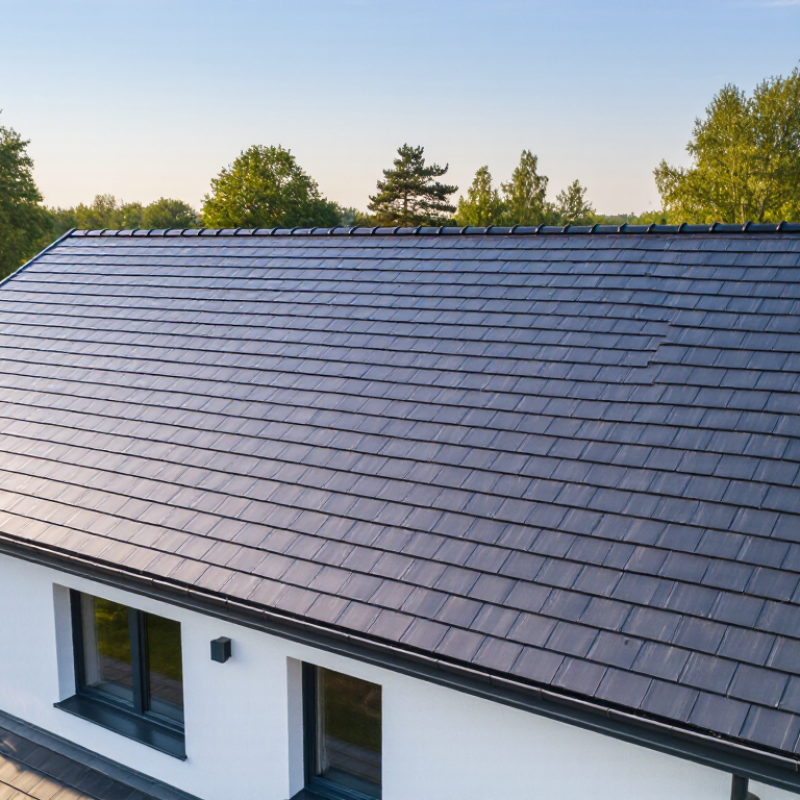
Why Choose Metal Shingles for Your Roofing Project?

What Are Metal Shingles?

What Are Metal Shingles?

Metal shingles are small, factory-formed panels made from steel, aluminum, or copper. They interlock across the roof, creating a layered surface that sheds rain and resists wind-driven moisture. Textured finishes can resemble wood shakes, slate, or traditional asphalt shingles. Unlike loose roofing tiles, these panels attach to a continuous roof system with clips, fasteners, and underlayment.

Metal shingles are not simply “metal pieces.” Their performance depends on the alloy, coating, ventilation, and installation details. The U.S. Department of Energy reports that reflective roofing can reduce roof temperatures by up to 50°F in sunny conditions. Cooler surfaces may reduce heat entering the attic, but results vary with insulation and climate. The Metal Construction Association also notes that metal roofing products can include recycled content and remain recyclable after removal. That environmental advantage is useful, though it should not replace a full life-cycle review.

Tips: Ask for the product’s tested wind rating, fire classification, coating warranty, and corrosion resistance. Check how installers handle valleys, vents, and roof edges. Small mistakes become visible during heavy rain. I have seen attractive panels fail because flashing details were rushed. Metal shingles can last for decades, often around 40 to 70 years according to industry guidance, but poor ventilation may shorten that service life. A beautiful profile is not enough.


How Metal Shingles Are Made and Installed

Why Choose Metal Shingles for Your Roofing Project?

Metal shingles begin as coated steel, aluminum, or copper sheets. The material is cleaned, treated, and coated before forming. Roll-forming machines shape flat sheets into consistent shingle profiles. Presses then create the visible texture, edges, and interlocking channels. Granules or paint may improve appearance and weather resistance. The U.S. Department of Energy reports that quality metal roofs can last 40 to 70 years, depending on material, climate, and installation.

Installation starts with a careful deck inspection. Damaged plywood must be replaced before the underlayment goes down. Installers usually add water-resistant underlayment, eave protection, starter pieces, and properly spaced fasteners. Each shingle must align with the previous course. Small errors matter. The National Roofing Contractors Association stresses accurate flashing around valleys, walls, chimneys, and roof penetrations. These areas often determine whether a roof remains dry. Metal also expands and contracts, so installers must follow the manufacturer’s approved fastening pattern and allow movement where required.

A finished roof should look orderly, but appearance alone proves little. I have seen clean lines hide loose flashings and poorly sealed penetrations. That is an uncomfortable lesson. A qualified contractor should document deck repairs, fastener placement, ventilation, and final inspections. The Federal Emergency Management Agency recognizes properly installed metal roofing as a durable option in severe-weather guidance. Still, no material is maintenance-free. Inspecting coatings, flashings, and debris after major storms remains sensible.

Why Choose Metal Shingles for Your Roofing Project?

How Metal Shingles Are Made and Installed

Metal shingles are typically produced from sheet metal that is cut, stamped or roll-formed into the desired profile, finished with a protective coating, and prepared with interlocking edges or fastening points. During installation, the shingles are aligned from the eaves upward and secured to the roof deck or battens according to the system design.

This chart compares the approximate density of common roofing metals. Density is a material property, not the finished weight of a shingle, which also depends on thickness, profile, and coating.

What Benefits Do Metal Shingles Offer?

Metal shingles offer durability, energy efficiency, and a lighter structural load than many traditional roofing materials. The International Association of Certified Home Inspectors reports that properly maintained metal roofs can last 40 to 70 years. That lifespan can reduce replacement waste and long-term labor costs. Metal panels also resist rot, insects, and moisture better than wood-based products.

Their energy performance deserves closer attention. The U.S. Department of Energy states that reflective roofing can reduce roof surface temperatures by up to 50°F. ENERGY STAR reports that cool roofs may lower peak cooling demand by 10–15% in suitable climates. However, color, insulation, ventilation, and local weather still matter. Metal shingles are not automatically energy-saving. That assumption needs correction. A poorly ventilated attic can remain hot, even beneath reflective roofing. Installation quality is equally important. The National Roofing Contractors Association emphasizes correct fastening, flashing, and ventilation details for long-term performance.

Tips: Request written specifications for coating reflectance, corrosion resistance, wind ratings, and fastener spacing. Ask the installer to inspect the roof deck before installation. Include attic ventilation in the plan.

Small gaps can cause large problems. Metal shingles may also transmit rain noise, especially over uninsulated spaces. Underlayment and insulation can reduce that effect, but they add cost. The trade-off is real. Select the system according to climate, roof pitch, budget, and maintenance expectations.

Which Metal Shingle Materials and Styles Are Available?

Metal shingles come in several practical materials, each suited to different weather and design goals. Galvanized steel offers strong impact resistance and usually costs less than premium metals. Aluminum resists coastal corrosion and weighs less, but it can dent more easily. Copper and zinc develop natural patinas, creating distinctive roofs that may last for decades. The Metal Construction Association’s technical guidance also notes that metal roofing products commonly contain recycled content and remain recyclable after removal.

Styles change the roof’s character. Stamped panels can imitate slate, wood shake, or clay tile without the same structural weight. Some profiles use stone-coated granules for a textured, traditional appearance. Smooth painted finishes look cleaner, while textured finishes can hide small scratches and surface dust. The U.S. Department of Energy reports that cool roofs may remain up to 50°F cooler than conventional roofs under sunny conditions. Reflective coatings can therefore reduce heat entering an attic, although insulation and ventilation still matter.

Installation details deserve more attention than glossy samples. A contractor should check fastener placement, underlayment, flashing, and expansion movement. Coastal air, hail, snow, and roof slope can change the best material choice. I would not treat any lifespan estimate as a promise. Poor detailing can shorten even a premium roof’s service life. Color choice still matters. Dark finishes may absorb more solar heat, while lighter finishes can show dirt sooner. EPA recycling guidance supports selecting durable materials, but durability depends heavily on maintenance and workmanship.

What Factors Should Guide Your Roofing Decision?

Why Choose Metal Shingles for Your Roofing Project?

A roofing decision should begin with your property, not a product photograph. Climate matters. In coastal areas, salty air can accelerate corrosion, so protective coatings and suitable fasteners deserve close attention. In regions with heavy snow, the roof pitch and snow-shedding design become important. Wind exposure also changes the installation requirements. Ask whether the system has been tested for local weather conditions and installed according to regional building codes.

The existing roof structure needs inspection. Metal shingles are relatively light, but every building has limits. A contractor should check decking, flashing, ventilation, and signs of hidden moisture before covering anything. Small defects can become expensive repairs. I once underestimated the importance of attic ventilation during a renovation. The roof looked sound outside, yet trapped heat shortened its service life. That mistake changed my inspection routine.

Budget should include more than material and labor. Consider underlayment, edge details, maintenance access, sound control, and future repairs. Metal may reduce replacement frequency, but poor installation can cancel that advantage. Request written estimates, clear warranty terms, proof of insurance, and references for similar roofs. Listen during rain, too. Some homeowners enjoy the sound; others find it distracting without proper insulation. The right choice depends on durability, appearance, structure, climate, and your tolerance for maintenance. There is no perfect roof.

Why Choose Metal Shingles for Your Roofing Project? - What Factors Should Guide Your Roofing Decision?

A practical comparison of common roofing materials and the factors that can guide a residential roofing decision.

Roofing Material Comparison
Decision Factor Metal Shingles Asphalt Shingles Clay or Concrete Tile Wood Shingles or Shakes
Typical service life Approximately 40–70 years when properly installed and maintained Approximately 15–30 years, depending on product grade, climate, and maintenance Approximately 50–100 years when the structure and installation are suitable Approximately 20–40 years in favorable conditions with regular maintenance
Relative installed cost Usually medium to high; the initial cost may be offset by longer service life Usually low to medium; often selected for its lower upfront cost Usually high; structural reinforcement may increase project costs Usually medium to high; labor and maintenance can be significant
Approximate roof weight Lightweight; commonly about 1–3 pounds per square foot, depending on the system Moderate; commonly about 2–5 pounds per square foot Heavy; commonly about 8–15 pounds per square foot Light to moderate; weight varies by wood species and thickness
Wind performance Can provide strong wind resistance when fasteners, seams, and edge details are correctly installed Good performance is possible, but wind resistance depends heavily on fastening and product design Generally durable in wind, although individual tiles can break or loosen Can perform well, but pieces may split, lift, or loosen over time
Hail and impact considerations Metal can resist many impacts, but severe hail may dent the surface; product testing and thickness matter Granule loss, cracking, and bruising can occur during severe hail events Hard and durable, but tiles may crack under concentrated impact More vulnerable to splitting or surface damage from severe impact
Fire resistance Generally noncombustible; the complete roof assembly still determines the final fire rating Many products achieve strong fire ratings, but ratings vary by assembly and underlayment Noncombustible and commonly well suited to wildfire-prone areas when properly installed Combustible unless specially treated and approved for the local fire requirements
Maintenance needs Low to moderate; inspect fasteners, seams, coatings, flashings, and debris accumulation Moderate; inspect for missing, cracked, curled, or granule-losing shingles Moderate; inspect cracked tiles, underlayment, flashings, and drainage paths High; regular cleaning, treatment, ventilation checks, and prompt replacement are important
Energy and weather response Reflective finishes can reduce solar heat gain; insulation and ventilation remain essential Performance depends mainly on color, ventilation, insulation, and roof assembly Thermal mass can moderate temperature changes, but the material may increase structural load Provides some natural insulation, but moisture management and ventilation are critical
Recyclability and waste Steel and aluminum roofing are widely recyclable; recycled content varies by product Recycling options exist in some regions, but disposal infrastructure is less consistent Mineral-based material is durable, but reuse and recycling options vary locally Renewable material, although preservatives, coatings, and local disposal rules affect end-of-life handling
Best fit for Homeowners seeking longevity, low weight, fire resistance, and reduced replacement frequency Projects prioritizing lower upfront cost and widely available installation labor Homes designed for heavier roofing and owners prioritizing long-term durability and appearance Designs where natural appearance is important and ongoing maintenance is acceptable
Important planning note: Service life, cost, weight, fire performance, and wind ratings vary by material grade, roof design, installation quality, local climate, building codes, and available labor. Confirm structural capacity, required slope, ventilation, underlayment, flashing details, and local code requirements with a qualified roofing professional before selecting a system.

Powder Coat Booths

For those larger-sized parts, or smaller quantity runs, we have 2 independent powder coat booths and ovens. The quality, durability and affordability of today’s powder coating finishes make this the process of choice for world-class companies.

Powder coating advantages over other forms of coating are many. Materials used in the Powder coating process can be metals and non-metals that come in a multitude of thicknesses, textures, colors, etc. Another of Powder coating’s biggest advantages over conventional coatings is its ability to create finishes in many different textures. Powder Coating Booths allow us the ability to apply these advantages to large products.

Wet Paint Line

Tri-State Fabricators runs a full-service conveyor line for painting. Wet painting can provide protection or decoration to many different part styles. From start to finish, every project is easier to undergo random and point-based inspection by our skilled painting team.

Advantages to our Wet Paint Line are these lines start with product prep and ends with a thorough inspection of a high quality finished product. Our ability to complete large and small projects with a superior finish and doing so in a timely and economical fashion. This passes along the savings in production to our customers. When powder coating ins not an option, our Wet Paint Line gets the job done right the first time.

Wet Paint Booths

When the parts get big and heavy we roll-out our custom paint racks and oversize booth. By utilizing our partnerships with all the major paint brands, we can match virtually any color with wet paint.

The advantages of having access to a Wet Paint Booth are many. Large projects of many different shapes can be loaded into the booth. The Wet Paint Booth offers an environment that is much more controlled than a typical parts painting operation.

Not only are they used because of their controlled environment, but they’re are also advantageous when it comes to applying paint to parts that are needed in industries that require specialty coatings such as medical, aerospace, etc.

Military CARC

Our military forces have some very high standards when it comes to the finish of their vehicles and equipment. From the first pre-treatment step to final coat, it takes a great deal of knowledge and experience to protect the men and women of our armed forces. They deserve only the best, and Tri-State Fabricators provides it.

All of our processes are closely monitored by our staff and management teams. Both of which are highly trained in the processes of metal fabrication and finishing. Tri-State Fabricators’ goal is to always fully satisfy each and every customer, including the military. We will always put a 110% into what we do.

Glass-Bead Blasting

Abrasive media blasting is an excellent way to remove old paint, rust, and increase the paint/powder adhesion. Glass beads produce a much smoother and brighter finish than angular abrasives; leaving the part clean yet without any dimensional change. Chemically inert and environmentally friendly, we can recycle our beads approximately 30 times; making them a more preferred method of metal cleaning or surface finishing.

Advantages to Glass Bead Blasting are many. Glass bead blast media is used when a project is needing rough surfaces need to become smooth for applications of coatings such as paint. It is typically used to clean paint and rust from a product surface without deforming the surface it is being used on. Overall, compared to many other blasting media, Glass Bead Blasting is a very economical choice and those savings are always passed on to our customers.

Part Washing

Tri-State Fabricators utilize a zinc phosphate wash to clean and etch the material to ensure the best paint adhesion possible. The unique design of our 3-stage wash system does the work like a 5-stage. From Cleaning and rinsing to conversion coating and post-treatment, Our Part Washing process is a complete service and works throughout the fabrication service and the finishing service.

Along with the previously mentioned benefits, Curing is a vital chemical reaction that leaves the product finish hard and relatively safe from mild abrasion and aggressive corrosion. This process can be done in more than one way; ambient air-dry or in curing ovens at temps that exceed 240°.

Burn-Off Oven

From fixing paint mistakes (someone else’s of course) to simply cleaning our paint line hooks, our burn-off oven is put to good use. After a quick burn-off, a little clean up, and a fresh coat of paint, your parts will look better than new.

Why does our Burn-Off Oven work so well? Because super heating the air around parts turns the materials into ashes. From paint and powder coatings to rubber and machining oils, high temps do the job without degrading the integrity of the part.

Masking

Masking is a vital part of producing high quality products. We have die-cut masking patterns to protect machined surfaces as well as a wide range of plugs and caps to protect threaded holes and bolts. We provide permanent and temporary masking.

Masking allows the selected sections of a product to be protected from a fabrication or finishing service. This can be with both chemicals when etching and tapes, paints when only finishing just a section of the product. Masking is great in aiding the customization process of a project.

Screen Printing

Screen printing is a photographic process that transfers artwork onto a porous nylon screen which allows colored ink to flow through the screen and be deposited on an aluminum or plastic component. We can generally have just about any design created onto a screen for your parts.

Some of the advantages of Screen Printing are, brand recognition for your business displaying on your products, assembly instructions, product warnings/hazards, etc. Tri-State Fabricators produces Screen Printing of the highest quality so you know it’s durable.

Metal Finishing

Metal Finishing is the art of treating the exterior portion of product, often metal but can also be made of other materials, so that the surface is clean and free of any debris. Then the process of applying coats or either paint of powder coat takes place. This coating process improves the quality of the product in both appearance and resistance to wear and corrosion.

Tri-State Fabricators, Inc., understands that a project typically isn’t complete until a high-quality finish has been added to your product. This is why our painting and powder coating teams continuously inspect the products throughout the Metal Finishing process.
