


Why Choose Horizontal Drilling Rigs for Your Project?

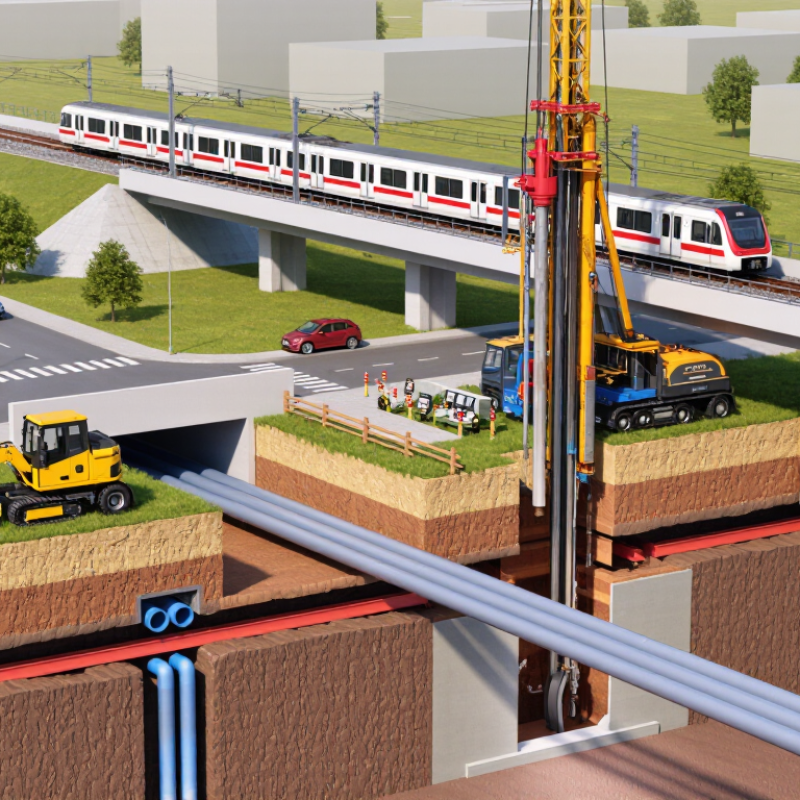
Horizontal Drilling Rigs can help projects reach beneath roads, railways, rivers, and built-up areas while limiting surface excavation. That matters when a trench would disrupt traffic, landscaping, or active facilities. The Federal Highway Administration’s horizontal directional drilling guidance describes the method as a way to install underground utilities with less surface disturbance than conventional open-cut construction. Less disturbance, however, does not mean no impact. Ground conditions, drilling-fluid management, and accurate bore planning still demand careful attention.

The method also has a strong record in energy development. The U.S. Energy Information Administration reported that horizontal wells produced 96% of U.S. shale-gas output in 2016. That figure concerns shale gas, not every utility or construction project, but it shows how widely horizontal drilling has been adopted in a demanding industry. For project teams, the practical case is more specific: a rig can steer a bore along a planned path, place pipe beneath an obstacle, and reduce the need for broad excavation. A rig is no magic answer. Soil variability, entry and exit space, required bore length, and operator experience can change the cost and risk substantially. Good planning begins with site data, not a sales promise. Teams should compare the proposed rig’s capacity with the ground conditions and installation requirements, then verify assumptions before work begins. That trade-off deserves honest review.
Why Choose Horizontal Drilling Rigs for Your Project?

What Horizontal Drilling Rigs Are and How They Work

A horizontal drilling rig installs an underground path without opening a continuous trench across the surface. It typically starts from a compact entry pit. The drill head then advances along a planned route, gradually turning from a downward angle toward horizontal. That turn matters.

A steerable head helps the crew adjust direction as drilling progresses. Depending on the system, locating equipment can report the head’s position and orientation from above ground. Operators use those readings to correct the route and avoid obstacles identified during planning. The ground can still surprise them.

Drilling fluid circulates through the bore to carry cuttings back out and help stabilize the hole. After the pilot bore reaches its exit point, crews may enlarge it with a reaming tool. They then pull the product pipe or conduit through the prepared path. The required number of passes depends on bore size and ground conditions.

The method can limit disruption to pavement, landscaping, and access routes, but it is not automatically the best choice for every site. Dense rock, loose soil, buried utilities, and tight work areas can change the plan. A careful project assessment should consider soil data, entry and exit space, bore length, and the location of existing services. Even a well-planned route may need adjustment once drilling begins.

Why Choose Horizontal Drilling Rigs for Your Project? - What Horizontal Drilling Rigs Are and How They Work

Project Dimension What the Rig or Crew Does How It Works Potential Project Benefit Important Planning Consideration
Definition A horizontal directional drilling (HDD) rig installs an underground bore along a planned, steerable path. The rig pushes and rotates a drill string while a steerable drill head advances through the ground. Enables installation of utilities beneath obstacles without opening a continuous trench along the route. HDD is a trenchless method, but entry and exit pits or other surface work may still be needed.
Pilot bore The operator drills the initial guided path using a drill head and drill string. Steering adjustments are made as the head advances; a locating system helps the crew track its position and direction. The bore can be guided around suitable obstacles and aligned with the planned installation route. Route accuracy depends on locating conditions, planning, operator control, and site constraints.
Drilling fluid A fluid system supplies drilling fluid, commonly a bentonite-based mixture, to the bore. Fluid travels through the drill string and exits near the drill head to help carry cuttings and support the bore. Can assist with cuttings transport and reduce friction during drilling and product installation. Fluid type, circulation, and returns must be managed for the ground conditions and environmental requirements.
Reaming After the pilot bore is completed, the crew may enlarge it with a reamer. The reamer is pulled through the pilot path, often with drilling fluid circulating through the bore. Creates a larger bore suited to the planned product pipe or conduit. Required bore size and reaming approach depend on the product, ground, and installation design.
Product installation The product pipe or conduit is connected behind the reamer or another suitable pulling assembly. The rig pulls the product through the prepared bore while the crew monitors the operation. Can install a continuous product section beneath roads, waterways, or developed areas where conditions allow. Pulling loads, bend limits, product handling, and the receiving area must be considered before work begins.
Surface disruption Most drilling activity takes place underground from a work area at the entry point. The bore follows a subsurface path rather than requiring an open trench over the full alignment. May reduce surface excavation and interruption compared with conventional open-cut installation. Work pads, access routes, pits, utility locating, and fluid management still require site planning.
Ground and route suitability The project team selects rig capacity and methods based on the installation and site conditions. Soil or rock conditions, bore length, product size, and alignment affect drilling and pulling requirements. A suitable rig and plan can make trenchless installation practical where direct excavation is difficult. HDD is not suitable for every site; subsurface investigation and utility checks help identify risks.
Typical applications HDD rigs are used for underground installation of utilities such as water, sewer, gas, power, and telecommunications infrastructure. The method is selected when a guided underground route is appropriate for the product and site. Can help route services beneath roads, railways, landscaping, and other surface features. Permits, separation from existing utilities, environmental controls, and local design requirements apply.

Note: Actual rig selection, bore design, and installation feasibility depend on site-specific ground conditions, product requirements, route geometry, and applicable regulations.


Key Advantages of Horizontal Drilling for Projects

Horizontal drilling rigs can install utilities, pipelines, and conduits beneath roads, rail lines, or landscaped areas. A guided bore limits surface disruption compared with open trenching. Crews may avoid extensive pavement removal, reduce spoil handling, and keep more of a worksite in use. On a busy street, preserving access can matter as much as drilling speed.

The rig’s steering system allows operators to adjust depth and direction as ground conditions change. This flexibility helps with carefully planned routes near existing services, but it cannot replace utility locating or a thorough site review. Entry and exit pits, fluid handling, and equipment access still require space. Cobbles or mixed fill may slow progress, and the planned route may need adjustment. Cost savings are not automatic; ground investigation and operator experience make a real difference.

Tips: Verify utility locations and equipment access before mobilizing. Track bore depth and alignment. If ground conditions change unexpectedly, pause and reassess instead of forcing the planned route.

Common Applications Across Industries

Horizontal drilling rigs serve very different jobs across infrastructure and energy. Utility crews use horizontal directional drilling to place fiber-optic conduit, power cables, water mains, and gas lines beneath roads, railways, and landscaped areas. A pilot bore guides the path; crews then enlarge it and pull the pipe or conduit through. At a busy street, that can mean less open excavation, though entry and exit pits still take space.

Water infrastructure is a growing application. The U.S. Environmental Protection Agency’s 2023 Drinking Water Infrastructure Needs Survey estimated $625 billion in drinking-water investment needs over 20 years. HDD can help install or replace some buried mains, especially where surface access is constrained. But soil matters. Boulders, unstable ground, and unknown utilities can complicate a bore. Not every site fits.

In energy, horizontal drilling reaches oil and gas formations through long lateral wells. The U.S. Energy Information Administration reported that tight oil supplied about 64% of U.S. crude oil production in 2023. Those oilfield rigs are not the same machines used for neighborhood utility work; scale and operating demands differ. That distinction matters. A useful project assessment checks geology, bore length, fluid management, and nearby infrastructure before choosing a rig. It is easy to underestimate the planning.

Why Choose Horizontal Drilling Rigs for Your Project?

Horizontal directional drilling (HDD) installs underground utilities with minimal surface disruption, making it useful beneath roads, waterways, and developed areas.

Indicative product diameter ranges encountered in HDD projects, in inches. Actual ranges vary with ground conditions, equipment, design, and local requirements; these are planning examples, not universal limits.

Project Conditions Suited to Horizontal Drilling

Horizontal drilling is well suited to projects where open trenches would disrupt traffic, landscaping, waterways, or active facilities. Common applications include installing utilities beneath roads, rail corridors, driveways, and sensitive sites. The Common Ground Alliance’s 2023 DIRT Report estimated about 196,000 underground utility damage incidents in the United States that year. That figure makes careful utility locating essential. Horizontal drilling can reduce surface excavation, but it does not eliminate the risk of striking buried services.

Site conditions matter. The method works best when entry and exit pits can be placed on stable, accessible ground and the bore has a clear, achievable alignment. Fine, cohesive soils may support steering, while loose gravel, cobbles, or mixed ground can make the bore less predictable. Groundwater, shallow cover, and nearby foundations also need review. A geotechnical investigation can help teams choose suitable tooling and drilling fluids. It is easy to trust a neat plan too much; actual ground conditions may differ.

Horizontal drilling is often a strong option for long crossings where surface access is limited, but it is not automatically the right choice. Tight sites may lack room for equipment or drilling-fluid management. Before committing, compare the proposed bore path, soil information, utility records, and access for both pits. Small details matter. A missed service or unsuitable alignment can outweigh the benefits of avoiding a trench.

Factors to Consider When Choosing a Rig

Selecting a horizontal drilling rig begins with the ground, not the brochure. Review geotechnical logs for soil changes, cobbles, groundwater, and rock before sizing the machine. Then match bore length, product-pipe diameter, and required pullback force to the rig’s capacity. A rig that is too small may struggle with torque or reaming; an oversized unit can add transport, setup, and fluid-management costs. Check the worksite footprint, too. A narrow street may rule out equipment that fits easily on an open site. Small details matter.

Utility information deserves equal attention. The Common Ground Alliance’s 2023 DIRT Report estimated 468,000 excavation-related damages in the United States during 2022. That figure covers excavation broadly, not HDD alone, but it underscores the value of current utility records and careful locating before drilling. Ask whether the rig’s tracking system suits the planned depth and site conditions, and confirm crews can monitor drilling-fluid returns. A lost return can signal changing ground or a possible fluid escape. The checklist can look complete and still miss a site-specific risk; an experienced field review may change the equipment plan. Check maintenance records, operator familiarity, and access for support vehicles before committing.

Powder Coat Booths

For those larger-sized parts, or smaller quantity runs, we have 2 independent powder coat booths and ovens. The quality, durability and affordability of today’s powder coating finishes make this the process of choice for world-class companies.

Powder coating advantages over other forms of coating are many. Materials used in the Powder coating process can be metals and non-metals that come in a multitude of thicknesses, textures, colors, etc. Another of Powder coating’s biggest advantages over conventional coatings is its ability to create finishes in many different textures. Powder Coating Booths allow us the ability to apply these advantages to large products.

Wet Paint Line

Tri-State Fabricators runs a full-service conveyor line for painting. Wet painting can provide protection or decoration to many different part styles. From start to finish, every project is easier to undergo random and point-based inspection by our skilled painting team.

Advantages to our Wet Paint Line are these lines start with product prep and ends with a thorough inspection of a high quality finished product. Our ability to complete large and small projects with a superior finish and doing so in a timely and economical fashion. This passes along the savings in production to our customers. When powder coating ins not an option, our Wet Paint Line gets the job done right the first time.

Wet Paint Booths

When the parts get big and heavy we roll-out our custom paint racks and oversize booth. By utilizing our partnerships with all the major paint brands, we can match virtually any color with wet paint.

The advantages of having access to a Wet Paint Booth are many. Large projects of many different shapes can be loaded into the booth. The Wet Paint Booth offers an environment that is much more controlled than a typical parts painting operation.

Not only are they used because of their controlled environment, but they’re are also advantageous when it comes to applying paint to parts that are needed in industries that require specialty coatings such as medical, aerospace, etc.

Military CARC

Our military forces have some very high standards when it comes to the finish of their vehicles and equipment. From the first pre-treatment step to final coat, it takes a great deal of knowledge and experience to protect the men and women of our armed forces. They deserve only the best, and Tri-State Fabricators provides it.

All of our processes are closely monitored by our staff and management teams. Both of which are highly trained in the processes of metal fabrication and finishing. Tri-State Fabricators’ goal is to always fully satisfy each and every customer, including the military. We will always put a 110% into what we do.

Glass-Bead Blasting

Abrasive media blasting is an excellent way to remove old paint, rust, and increase the paint/powder adhesion. Glass beads produce a much smoother and brighter finish than angular abrasives; leaving the part clean yet without any dimensional change. Chemically inert and environmentally friendly, we can recycle our beads approximately 30 times; making them a more preferred method of metal cleaning or surface finishing.

Advantages to Glass Bead Blasting are many. Glass bead blast media is used when a project is needing rough surfaces need to become smooth for applications of coatings such as paint. It is typically used to clean paint and rust from a product surface without deforming the surface it is being used on. Overall, compared to many other blasting media, Glass Bead Blasting is a very economical choice and those savings are always passed on to our customers.

Part Washing

Tri-State Fabricators utilize a zinc phosphate wash to clean and etch the material to ensure the best paint adhesion possible. The unique design of our 3-stage wash system does the work like a 5-stage. From Cleaning and rinsing to conversion coating and post-treatment, Our Part Washing process is a complete service and works throughout the fabrication service and the finishing service.

Along with the previously mentioned benefits, Curing is a vital chemical reaction that leaves the product finish hard and relatively safe from mild abrasion and aggressive corrosion. This process can be done in more than one way; ambient air-dry or in curing ovens at temps that exceed 240°.

Burn-Off Oven

From fixing paint mistakes (someone else’s of course) to simply cleaning our paint line hooks, our burn-off oven is put to good use. After a quick burn-off, a little clean up, and a fresh coat of paint, your parts will look better than new.

Why does our Burn-Off Oven work so well? Because super heating the air around parts turns the materials into ashes. From paint and powder coatings to rubber and machining oils, high temps do the job without degrading the integrity of the part.

Masking

Masking is a vital part of producing high quality products. We have die-cut masking patterns to protect machined surfaces as well as a wide range of plugs and caps to protect threaded holes and bolts. We provide permanent and temporary masking.

Masking allows the selected sections of a product to be protected from a fabrication or finishing service. This can be with both chemicals when etching and tapes, paints when only finishing just a section of the product. Masking is great in aiding the customization process of a project.

Screen Printing

Screen printing is a photographic process that transfers artwork onto a porous nylon screen which allows colored ink to flow through the screen and be deposited on an aluminum or plastic component. We can generally have just about any design created onto a screen for your parts.

Some of the advantages of Screen Printing are, brand recognition for your business displaying on your products, assembly instructions, product warnings/hazards, etc. Tri-State Fabricators produces Screen Printing of the highest quality so you know it’s durable.

Metal Finishing

Metal Finishing is the art of treating the exterior portion of product, often metal but can also be made of other materials, so that the surface is clean and free of any debris. Then the process of applying coats or either paint of powder coat takes place. This coating process improves the quality of the product in both appearance and resistance to wear and corrosion.

Tri-State Fabricators, Inc., understands that a project typically isn’t complete until a high-quality finish has been added to your product. This is why our painting and powder coating teams continuously inspect the products throughout the Metal Finishing process.
