Why Choose Epoxy Adhesive for Industrial Applications?
Why Choose Epoxy Adhesive for Industrial Applications?
In a factory, a bond must do more than hold two parts together. It may face vibration, moisture, heat, or repeated loading. Epoxy Adhesive is often selected because it can create strong bonds across many materials, including metals, composites, and some plastics. It also offers useful resistance to chemicals and environmental exposure when the formulation and application suit the job. That fit matters.
Adhesive author Charles A. Harper has written extensively about adhesive materials and applications. In paraphrase, a practical lesson from his work is: “Reliable bonding depends on matching the adhesive to the materials and conditions.” This is not a magic fix. Surface contamination, poor joint design, incorrect mixing, and rushed curing can weaken even a high-performance epoxy. A bead that looks neat may still hide a weak interface.
For engineers and production teams, the choice deserves a close look at service temperature, load direction, cure time, and inspection needs. A test coupon can reveal problems before a production line depends on the bond. Epoxy can reduce fasteners and join dissimilar parts, but it may require careful surface preparation and controlled handling. Those steps take time. They are easy to underestimate. This guide examines where Epoxy Adhesive performs well, what its limitations mean in practice, and how to assess it for industrial use.
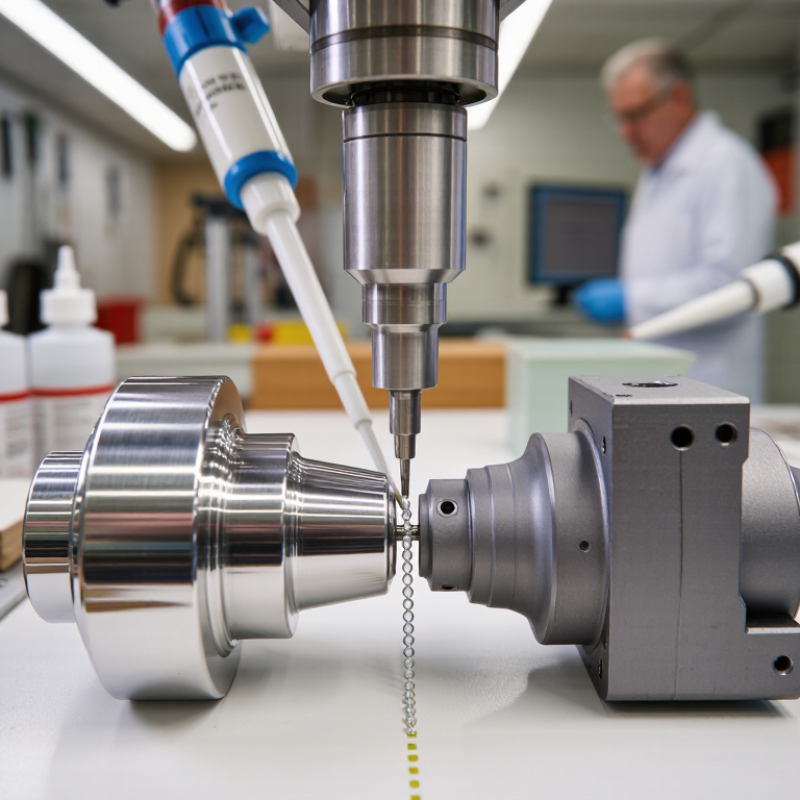
What Epoxy Adhesives Are and How They Cure
An epoxy adhesive is typically made from two parts: a resin and a hardener. Kept apart, they remain workable; mixed, they begin a chemical reaction that links molecules into a rigid network. This process is curing, not simple drying. No water needs to evaporate. That distinction matters on a production floor. A bead may still look soft while its internal reaction is underway.
Cure speed depends on the formulation, mix ratio, temperature, and bond thickness. Many systems cure faster in warmth, but excess heat can shorten working time or create uneven results. Not instantly. Follow the product’s specified ratio and mixing method; streaks in a cup can signal incomplete blending. Also note pot life: the time available to apply the mixed adhesive before it becomes difficult to use. It is not the same as full cure time.
The bond usually gains strength as cross-linking progresses, but handling strength does not mean the joint has reached its final properties. A metal bracket may feel fixed before the adhesive can withstand vibration or load. Allow the stated cure schedule, and check conditions when temperatures differ from the test environment. Small details matter. Surface oil, dust, or a thick adhesive layer can change performance, so clean, prepared surfaces and a controlled bond line are worth the extra attention.
Key Properties That Support Industrial Performance
Epoxy adhesives suit industrial assemblies because cured networks can deliver high stiffness, strong adhesion, and useful resistance to oils and moisture. Their value shows up in practical details: a pump housing sees vibration, splash, and repeated temperature changes, while its bondline must stay intact. Epoxy can also fill small gaps. But thick bondlines may cure unevenly, and surface contamination can quietly weaken a joint. Strong, but not magic.
Performance depends on resin, hardener, surface preparation, and cure schedule. ASTM D1002 measures apparent shear strength in bonded metal lap joints; its result describes that test setup, not every factory joint. ASTM D570 commonly uses 24-hour water immersion at 23°C to assess plastic water absorption. That is a screening condition, not proof that an assembled bond will resist long-term exposure. Compare data only when substrate, bondline thickness, cure, and conditioning match. A useful specification includes these details, plus peel or impact results where service loads demand them. I would not select an epoxy from one impressive strength figure alone. Small test differences matter.
Common Industrial Applications of Epoxy Adhesives
Epoxy adhesives are used where an assembly needs a strong bond, electrical insulation, or resistance to heat and chemicals. In vehicle production, they can attach brackets, sensors, and battery-pack components while reducing the need for drilled fasteners. The International Energy Agency’s Global EV Outlook 2024 reports nearly 14 million electric-car sales in 2023, around 18% of global car sales. That growth makes reliable battery-pack bonding increasingly relevant, though the best adhesive depends on pack design and service conditions. Small gaps matter.
In electronics, epoxy can secure coils, encapsulate components, and protect connections from moisture or vibration. Wind-turbine blades and other composite structures use structural epoxy to join laminate sections and distribute loads across bonded surfaces. Rail and aerospace applications may also use qualified epoxy joints between metals or composites, where fatigue, weight, and temperature limits matter. Not every joint suits it.
Market context is useful, but it needs care. MarketsandMarkets’ 2023 Adhesives & Sealants Market report projected the broader market to grow from $68.7 billion in 2023 to $85.8 billion by 2028; those figures are not specific to epoxy. In practice, engineers match cure time, surface preparation, and operating temperature to the assembly. I would not treat epoxy as a universal fix. An oily surface or rushed mixing can weaken an otherwise well-designed bond.
How to Select and Apply an Epoxy Adhesive
Why Choose Epoxy Adhesive for Industrial Applications?
How to Select and Apply an Epoxy Adhesive
Choosing an epoxy adhesive starts with the materials and conditions it must handle. Check whether the parts are metal, ceramic, or a compatible plastic. Then compare expected loads, operating temperatures, moisture, and chemical exposure with the product’s technical data sheet. A strong bond on a clean steel coupon may behave differently on a flexible plastic part. Small details matter. Check the required gap and cure time, too. A rushed selection can create delays later.
Tips: Prepare a small test joint using the actual materials. Clean away oil and dust, then let surfaces dry fully. Follow the stated mixing ratio; guessing can weaken the bond. Wear suitable protective equipment and consult the product safety information.
For application, measure both components carefully and mix until the color and texture look uniform. Scrape the sides and bottom of the mixing container. Apply an even layer, avoiding trapped air, and hold the parts in position with light, steady pressure. Too much clamping force can squeeze out adhesive. Allow the joint to cure for the specified time and temperature before loading it. It is tempting to handle a part when the surface feels firm, but the interior may still need time. Record the batch, conditions, and cure duration for repeatable work.
Why Choose Epoxy Adhesive for Industrial Applications?
Typical lap-shear strength ranges by adhesive family
Epoxy adhesives can provide high-strength bonds for many industrial assemblies. The ranges shown are indicative, not product specifications: results depend on formulation, substrate, surface preparation, test method, and curing conditions. Select an adhesive using its technical data sheet, prepare surfaces as directed, measure the mix ratio accurately, and allow the specified cure before loading.
Limitations and Safety Considerations in Industrial Use
Epoxy adhesive can create strong industrial bonds, but strength depends on the joint and working conditions. It may perform poorly on dusty, oily, damp, or loosely coated surfaces. A clean, dry surface matters. In practice, even a small patch of oil can weaken the bond. Some cured epoxies are also relatively rigid, so vibration, impact, or thermal expansion may cause cracking. Flexible joints may need another adhesive or a carefully tested design.
Safety begins before mixing. Uncured components can irritate skin or eyes, and some formulations may trigger allergic reactions. Wear protective gloves and eye protection, and follow the product’s safety instructions for ventilation and handling. Measure the components accurately; guessing the ratio can leave a soft or weak cure. Large mixed batches may heat rapidly, so use suitable quantities and containers. Keep the work area controlled. A rushed repair can hide a poor bond. Test the adhesive on representative materials and allow the stated cure time before loading the joint. Even then, real operating conditions deserve review.





