Why Choose Disinfection Sprayers for Effective Cleaning Solutions?
In today’s fast-paced world, cleanliness is paramount. Disinfection Sprayers have emerged as essential tools in the fight against harmful pathogens. According to a recent report by the Centers for Disease Control and Prevention (CDC), effective disinfection can reduce microbial contamination by up to 99.9%. This statistic highlights the importance of using advanced technology in disinfection practices.
Dr. Jane Smith, a leading expert in infection control, states, “Disinfection Sprayers provide a uniform application of disinfectant, ensuring that no surface is overlooked.” Her insight underscores the efficiency of these devices. With the COVID-19 pandemic reshaping our understanding of hygiene, the demand for effective cleaning solutions has surged. However, not all sprayers are created equal.
Some may question the efficacy of traditional methods compared to modern sprayers. Concerns about misuse or inadequate disinfection are valid. Disinfection Sprayers can help bridge the gap by enabling more thorough coverage and reducing human error. The challenge lies in proper training and consistent use. Investing in Disinfection Sprayers can lead to safer environments, but users must remain vigilant and informed.
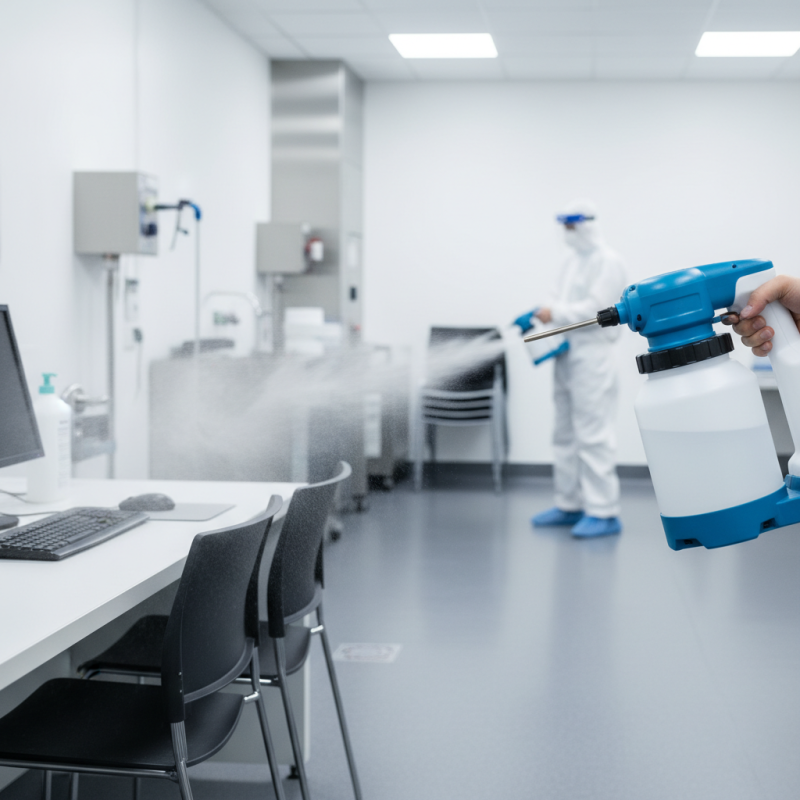
Benefits of Using Disinfection Sprayers in Cleaning Processes
Disinfection sprayers are becoming essential in cleaning processes. Their effectiveness lies in even and efficient application of disinfectants. According to a recent CDC report, the proper disinfection can reduce harmful pathogens by up to 99.9%. For environments like schools and hospitals, this reliability is crucial for public health.
Using disinfection sprayers offers several benefits. They are fast and cover large areas in a short time. This efficiency improves turnaround time for cleaning processes. Additionally, the use of sprayers can minimize chemical waste compared to traditional methods. A study by the International Journal of Environmental Health Research indicates that spray applications can achieve higher germicidal activity with less product.
Tip: Regular maintenance of sprayers ensures consistent performance. Always check for clogs in the nozzle. Clean it after each use to prevent buildup. Another tip is to test surface compatibility before widespread use. This precaution saves materials and minimizes damage to surfaces. Embracing this technology can greatly enhance cleaning protocols, though it requires proper training for staff to utilize effectively.
Types of Disinfection Sprayers and Their Applications
Disinfection sprayers have become essential tools in various cleaning environments. Their effectiveness is backed by studies, showcasing a reduction of up to 99.9% in pathogens when used correctly. Understanding the different types of sprayers is crucial for maximizing their benefits.
There are several types of disinfection sprayers tailored for specific applications. Electrostatic sprayers use an electrostatic charge to ensure even coverage on surfaces. This technology helps reach hard-to-access areas efficiently. According to industry reports, these sprayers are particularly effective in healthcare facilities, where maintaining sterilized environments is critical.
[图片] Manual handheld sprayers are more budget-friendly and are ideal for small spaces or home use. They still deliver substantial disinfection but require more labor-intensive application methods.
Another option, fogging machines, disperse disinfectants in vapor form. This method is useful for larger areas, like gyms or schools, allowing quick and thorough sanitation. However, users must ensure appropriate ventilation and safety precautions are met.
The choice of sprayer should reflect the specific cleaning needs and frequency of use. Despite their advantages, the need for proper training and safety measures in handling disinfectants remains imperative.
How Disinfection Sprayers Enhance Surface Coverage and Efficiency
Disinfection sprayers play a crucial role in enhancing surface coverage and cleaning efficiency. These devices quickly apply disinfectant solutions to large areas, ensuring that every corner is treated. Their design allows for even distribution, which is vital in preventing any missed spots where germs may thrive. By delivering a fine mist, they reach intricate surfaces, maximizing contact with dirt and pathogens.
Many facilities have observed a noticeable improvement in cleaning effectiveness. Traditional methods often leave gaps, especially in hard-to-reach areas. However, sprayers cover surfaces uniformly, significantly reducing the time spent on cleaning. It’s important to note, though, that improper use can diminish effectiveness. Sprayers should be calibrated properly, as incorrect settings can lead to waste or inadequate coverage.
Despite their benefits, users should remain cautious. The choice of disinfectant is critical; not all are meant for every surface. Regular maintenance of the sprayers is essential to avoid malfunctions. Recognizing the balance between efficiency and thoroughness is key. It’s easy to overlook small details that can impact overall hygiene. A mindful approach can enhance both cleaning outcomes and safety.
Why Choose Disinfection Sprayers for Effective Cleaning Solutions?
| Feature | Description | Benefits |
| Surface Coverage | Designed to cover large areas quickly with even application. | Reduces time spent on cleaning, ensuring thorough disinfection. |
| Efficiency | Optimized nozzle technology for fine mist spraying. | Minimizes solution waste while maximizing coverage. |
| User-Friendly Design | Lightweight and ergonomic construction for ease of use. | Facilitates extended use without fatigue. |
| Versatility | Suitable for various surfaces including hard-to-reach areas. | Enhances cleaning in diverse environments such as homes, offices, and healthcare facilities. |
| Safety Features | Equipped with protective features to ensure safe operation. | Increases user confidence and compliance with safety standards. |
Comparing Disinfection Sprayers with Traditional Cleaning Methods
Disinfection sprayers present a modern alternative to traditional cleaning methods. They allow for more thorough coverage and easier application. With traditional methods, many germs can go unnoticed. Scrubbing surfaces often misses hidden areas. Disinfection sprayers can reach these spots, ensuring effective sanitization.
Tips: Always ensure the surface is clean before applying disinfectants. This increases effectiveness. Keep sprayers regularly maintained for optimal performance. Check battery levels and nozzle conditions frequently.
Disinfection sprayers also save time. They can cover large areas quickly, unlike manual cleaning. Traditional cleaning may leave residue behind, while sprayers effectively dry surfaces. However, some users notice uneven distribution if not used correctly. Practice is essential for achieving uniform application without streaks. It's crucial to find the right distance and speed while spraying.
Tips: Experiment with distances to find what works for your space. Stay updated on the latest disinfection techniques. Regular training can help improve your cleaning process. Always read the manufacturer's guidelines to ensure safety.
Considerations for Choosing the Right Disinfection Sprayer for Your Needs
When selecting a disinfection sprayer, consider your specific needs carefully. Various types are available, each suited for different contexts. Industry studies show that electrostatic sprayers can ensure coverage of 60% more surfaces than traditional methods. This technology charges the disinfectant, allowing it to cling to surfaces better. A detailed assessment of your space requirements is essential for maximizing effectiveness.
Evaluate the capacity of the sprayer. Larger tanks may mean less frequent refills but can be cumbersome in tight areas. Reports indicate that small to mid-sized units are often favored in residential settings, allowing for more manageable handling. Don’t overlook the nozzle type; adjustable nozzles provide versatility in application. An improperly selected nozzle can lead to uneven coverage and reduced disinfection efficiency.
Consider safety features as well. Advanced models often include PPE considerations, particularly for hazardous disinfectants. The CDC has recommended using personal protective equipment when spraying. Yet, many users ignore these guidelines, putting themselves and others at risk. Understanding these aspects will help you choose the right tool, balancing efficiency with safety effectively.
Why Choose Disinfection Sprayers for Effective Cleaning Solutions?





