


Why Choose Cellulose Fiber for Your Business?

Cellulose Fiber is gaining attention from businesses seeking renewable inputs, but its value depends on more than its origin. It can serve in packaging, paper, textiles, and specialty products, where strength, absorbency, texture, and processing behavior all matter. Cellulose researcher Dr. Orlando Rojas has described cellulose as “the most abundant biopolymer on Earth.” That abundance is promising. It does not guarantee a reliable supply or a suitable grade.

For buyers, the practical question is fit. Will the fiber run smoothly through existing equipment? How does it behave when exposed to moisture, heat, or repeated handling? A small sample may look uniform in a lab, then form clumps in a mixing tank. Details like fiber length, surface treatment, and storage conditions can change results. Test them early.

The business case may include renewable sourcing, product differentiation, or compatibility with existing materials. Each depends on the application and the evidence available. Ask suppliers for technical data, batch consistency information, and relevant test results. Compare those claims with your own production trials. That takes time. It may also reveal inconvenient trade-offs, such as higher processing costs or variable performance. A thoughtful evaluation of Cellulose Fiber starts with measurable requirements, not broad promises.
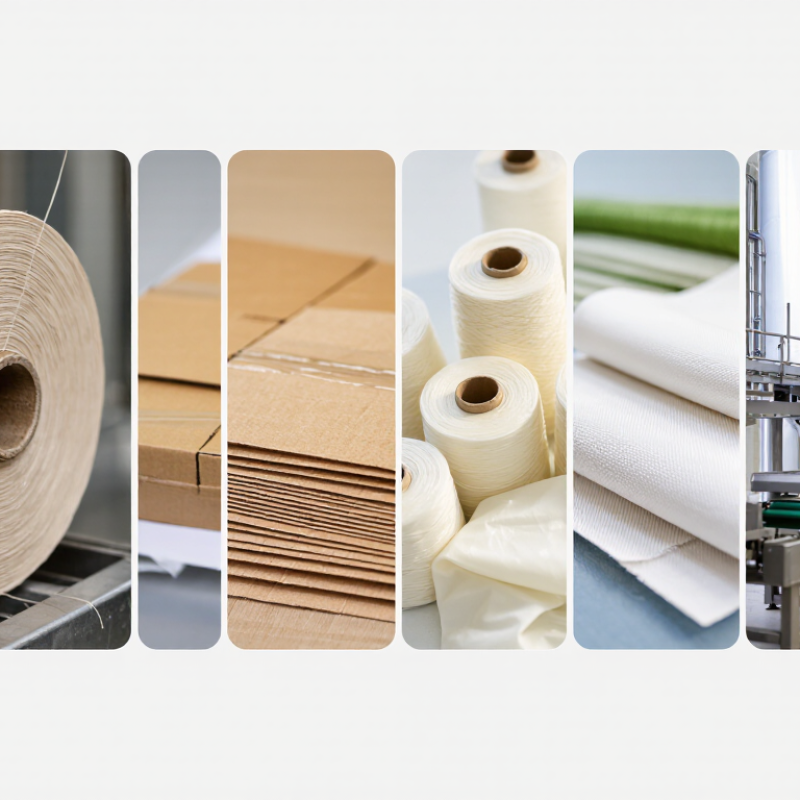
Why Choose Cellulose Fiber for Your Business?

What Cellulose Fiber Is and How It Is Produced

Why Choose Cellulose Fiber for Your Business?

What Cellulose Fiber Is and How It Is Produced

Cellulose fiber is made from cellulose, the structural material in plant cell walls. Common feedstocks include wood pulp and other plant-based materials. Production begins by cleaning and processing the feedstock to separate cellulose from lignin and other components. Depending on the intended use, the cellulose may be mechanically refined or dissolved and regenerated as fiber. The process influences strength, softness, absorbency, and consistency. The details matter.

In regenerated-fiber production, cellulose solution passes through tiny openings into a bath, where it solidifies into fine filaments. Other fibers retain more of the plant material’s original structure after pulping and refining. Not magic. These differences affect performance in products such as paper, textiles, packaging, and filters. A fiber that feels soft in a hand sample may behave differently on a high-speed production line. Buyers should check feedstock, processing methods, moisture response, and batch variation, then test samples under actual operating conditions. “Cellulose” alone tells you little about the complete material. Specifications can look reassuring while leaving real questions about sourcing or consistency; those gaps deserve a closer look.


Key Properties of Cellulose Fiber

Cellulose fiber combines a familiar plant-based structure with useful moisture management. Its hydroxyl groups attract water, helping fabrics absorb perspiration and feel less clammy than many purely hydrophobic fibers. The USDA Forest Products Laboratory’s Wood Handbook describes cellulose as a moisture-sensitive material; in practice, performance varies with fiber type, processing, and fabric construction. That variation matters. A soft sample swatch does not predict how a finished product will behave after repeated washing.

Cellulose can also provide a balance of strength, drape, and dye uptake, making it suitable for apparel, wipes, and other absorbent products. The Textile Exchange Materials Market Report 2024 estimates global fiber production reached 124 million tonnes in 2023, including about 7.9 million tonnes of man-made cellulosic fiber. That is a sizeable supply category, not a guarantee of low impact. Feedstock sourcing, chemical processing, and wastewater controls all shape the final footprint. Some cellulose fabrics wrinkle easily or lose strength when wet. Buyers should test the actual yarn and fabric, not rely on the fiber name alone. A small pilot run can reveal issues that a specification sheet misses.

Common Business Applications of Cellulose Fiber

Cellulose fiber serves businesses that need lightweight, plant-derived material with useful strength and texture. In packaging, it can reinforce molded trays, protective inserts, and paper-based cushioning. A well-made insert can hold its shape around a product while reducing reliance on heavier materials. Results depend on fiber length, processing, and the product’s exposure to moisture, so samples should be tested under real shipping conditions.

In paper products, cellulose fiber supports towels, filters, and specialty papers. Nonwoven applications include wipes and absorbent layers, where softness and liquid handling matter. Manufacturers also blend it into building panels and composite materials to adjust weight, surface feel, or stiffness. Performance is not automatic. Fiber type, binder, and production settings all affect the final result, and a blend that works in a dry carton may fail in a humid warehouse.

Tips: Match fiber grade to the job. Test strength, absorbency, and moisture response with your own equipment. Keep one sample for comparison.

Ask suppliers for specifications and test methods, then verify claims with small production trials. Track waste and handling issues, not just material cost. The first trial may look promising but still reveal uneven edges or slow drying. That is useful information, not a reason to skip testing.

Business Benefits of Choosing Cellulose Fiber

Why Choose Cellulose Fiber for Your Business?

Cellulose fiber can help businesses diversify material sourcing beyond fossil-based synthetics. It is made from plant-derived cellulose, often wood pulp, and can be engineered for soft, breathable fabrics or paper products.

Textile Exchange’s Materials Market Report 2024 estimates man-made cellulosic fibers accounted for about 6% of global fiber production in 2023. That is a meaningful supply category, but still a small share of a large market.

For product teams, the practical benefit is versatility. Different fiber types can suit apparel, wipes, packaging, and other applications. A soft fabric sample on the table may feel promising; production performance still depends on the blend, yarn, and finishing process.

Cellulose can also reduce reliance on fossil-based feedstocks, though that alone does not establish a lower environmental footprint.

Sourcing details matter. Ask suppliers about forest origin, chain-of-custody records, water use, energy, and chemical recovery.

The Textile Exchange figure describes market volume, not environmental performance. That distinction is easy to miss. Impacts vary by fiber type, manufacturing site, and feedstock, so compare credible product-specific data before making claims.

Cellulose fiber can support a strong materials strategy, but it is not an automatic sustainability win.

Factors to Consider When Selecting Cellulose Fiber

Selecting cellulose fiber starts with the end product, not a sustainability claim. Textile Exchange’s Materials Market Report 2024 estimates that global fiber production reached 124 million tonnes in 2023; man-made cellulosic fibers accounted for about 6.4 million tonnes. That scale signals an established market, but it does not guarantee dependable supply or consistent performance for your process.

Check fiber length, moisture, purity, and batch variation against the needs of your equipment. For paper or packaging, uneven fibers can affect sheet formation and strength. For nonwovens, they may change absorbency or web uniformity. Ask suppliers for test methods and recent batch data, then run a small production trial.

Small differences matter. Also compare delivered cost, not just quoted price: transport, storage, and processing losses can shift the economics. Forest Stewardship Council and Programme for the Endorsement of Forest Certification chain-of-custody records may help assess sourcing, but certification alone cannot prove product suitability.

Be candid about trade-offs; cellulose can absorb moisture, and that may be a benefit in one use and a problem in another. A trial may still expose factors your specification missed.

Powder Coat Booths

For those larger-sized parts, or smaller quantity runs, we have 2 independent powder coat booths and ovens. The quality, durability and affordability of today’s powder coating finishes make this the process of choice for world-class companies.

Powder coating advantages over other forms of coating are many. Materials used in the Powder coating process can be metals and non-metals that come in a multitude of thicknesses, textures, colors, etc. Another of Powder coating’s biggest advantages over conventional coatings is its ability to create finishes in many different textures. Powder Coating Booths allow us the ability to apply these advantages to large products.

Wet Paint Line

Tri-State Fabricators runs a full-service conveyor line for painting. Wet painting can provide protection or decoration to many different part styles. From start to finish, every project is easier to undergo random and point-based inspection by our skilled painting team.

Advantages to our Wet Paint Line are these lines start with product prep and ends with a thorough inspection of a high quality finished product. Our ability to complete large and small projects with a superior finish and doing so in a timely and economical fashion. This passes along the savings in production to our customers. When powder coating ins not an option, our Wet Paint Line gets the job done right the first time.

Wet Paint Booths

When the parts get big and heavy we roll-out our custom paint racks and oversize booth. By utilizing our partnerships with all the major paint brands, we can match virtually any color with wet paint.

The advantages of having access to a Wet Paint Booth are many. Large projects of many different shapes can be loaded into the booth. The Wet Paint Booth offers an environment that is much more controlled than a typical parts painting operation.

Not only are they used because of their controlled environment, but they’re are also advantageous when it comes to applying paint to parts that are needed in industries that require specialty coatings such as medical, aerospace, etc.

Military CARC

Our military forces have some very high standards when it comes to the finish of their vehicles and equipment. From the first pre-treatment step to final coat, it takes a great deal of knowledge and experience to protect the men and women of our armed forces. They deserve only the best, and Tri-State Fabricators provides it.

All of our processes are closely monitored by our staff and management teams. Both of which are highly trained in the processes of metal fabrication and finishing. Tri-State Fabricators’ goal is to always fully satisfy each and every customer, including the military. We will always put a 110% into what we do.

Glass-Bead Blasting

Abrasive media blasting is an excellent way to remove old paint, rust, and increase the paint/powder adhesion. Glass beads produce a much smoother and brighter finish than angular abrasives; leaving the part clean yet without any dimensional change. Chemically inert and environmentally friendly, we can recycle our beads approximately 30 times; making them a more preferred method of metal cleaning or surface finishing.

Advantages to Glass Bead Blasting are many. Glass bead blast media is used when a project is needing rough surfaces need to become smooth for applications of coatings such as paint. It is typically used to clean paint and rust from a product surface without deforming the surface it is being used on. Overall, compared to many other blasting media, Glass Bead Blasting is a very economical choice and those savings are always passed on to our customers.

Part Washing

Tri-State Fabricators utilize a zinc phosphate wash to clean and etch the material to ensure the best paint adhesion possible. The unique design of our 3-stage wash system does the work like a 5-stage. From Cleaning and rinsing to conversion coating and post-treatment, Our Part Washing process is a complete service and works throughout the fabrication service and the finishing service.

Along with the previously mentioned benefits, Curing is a vital chemical reaction that leaves the product finish hard and relatively safe from mild abrasion and aggressive corrosion. This process can be done in more than one way; ambient air-dry or in curing ovens at temps that exceed 240°.

Burn-Off Oven

From fixing paint mistakes (someone else’s of course) to simply cleaning our paint line hooks, our burn-off oven is put to good use. After a quick burn-off, a little clean up, and a fresh coat of paint, your parts will look better than new.

Why does our Burn-Off Oven work so well? Because super heating the air around parts turns the materials into ashes. From paint and powder coatings to rubber and machining oils, high temps do the job without degrading the integrity of the part.

Masking

Masking is a vital part of producing high quality products. We have die-cut masking patterns to protect machined surfaces as well as a wide range of plugs and caps to protect threaded holes and bolts. We provide permanent and temporary masking.

Masking allows the selected sections of a product to be protected from a fabrication or finishing service. This can be with both chemicals when etching and tapes, paints when only finishing just a section of the product. Masking is great in aiding the customization process of a project.

Screen Printing

Screen printing is a photographic process that transfers artwork onto a porous nylon screen which allows colored ink to flow through the screen and be deposited on an aluminum or plastic component. We can generally have just about any design created onto a screen for your parts.

Some of the advantages of Screen Printing are, brand recognition for your business displaying on your products, assembly instructions, product warnings/hazards, etc. Tri-State Fabricators produces Screen Printing of the highest quality so you know it’s durable.

Metal Finishing

Metal Finishing is the art of treating the exterior portion of product, often metal but can also be made of other materials, so that the surface is clean and free of any debris. Then the process of applying coats or either paint of powder coat takes place. This coating process improves the quality of the product in both appearance and resistance to wear and corrosion.

Tri-State Fabricators, Inc., understands that a project typically isn’t complete until a high-quality finish has been added to your product. This is why our painting and powder coating teams continuously inspect the products throughout the Metal Finishing process.
