


Why Choose an Oil Storage Fuel Drum?

Choosing an Oil Storage Fuel Drum is a practical decision, not merely a purchasing exercise. Global liquid-fuels consumption reached approximately 102 million barrels per day in 2023, according to the U.S. Energy Information Administration’s Short-Term Energy Outlook. That scale makes storage discipline important, even for smaller workshops, farms, and maintenance sites. A suitable drum can protect fuel from dust, moisture, sunlight, and unnecessary handling. The wrong drum can create leaks, contamination, or difficult inspections.

Material compatibility matters. Steel drums often provide strong impact resistance, while approved plastic drums may reduce corrosion concerns for compatible fuels. Capacity, closure design, grounding arrangements, ventilation, and secondary containment also deserve close attention. The U.S. Environmental Protection Agency’s Spill Prevention, Control, and Countermeasure guidance highlights the importance of preventing oil discharges and maintaining reliable containment. A drum should never be selected by price alone. That shortcut can become expensive.

Safety scholar James Reason offered a useful principle: “We cannot change the human condition, but we can change the conditions under which humans work.” His observation applies directly to fuel storage. Clear labels, stable pallets, visible inspection points, and controlled dispensing reduce avoidable mistakes. Still, an Oil Storage Fuel Drum is not automatically the safest option. Fuel type, storage duration, climate, and local requirements must be reviewed together. I may be overlooking a site-specific risk here. That is precisely why experienced operators should inspect the storage area before choosing a drum. The best decision is measurable, documented, and open to revision.
Why Choose an Oil Storage Fuel Drum?

What Is an Oil Storage Fuel Drum?

Why Choose an Oil Storage Fuel Drum?

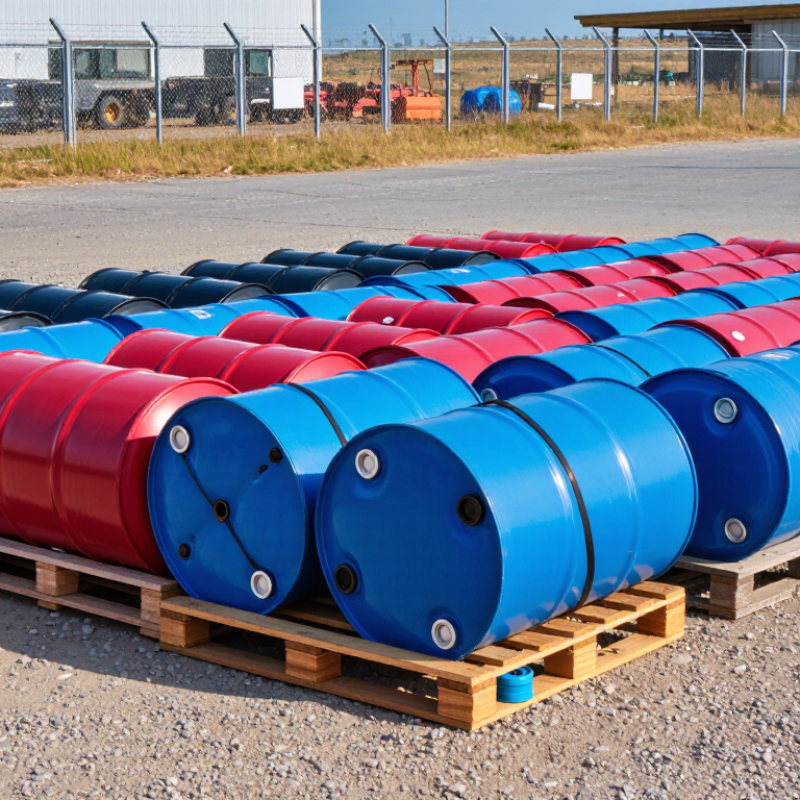
An oil storage fuel drum is a purpose-built container for holding liquid fuel or lubricating oil. It is usually made from strong steel or chemical-resistant plastic. These materials help reduce leaks, dents, and contamination during normal handling. A secure lid or bung limits exposure to dust and moisture. The drum also supports safer transport and organized storage.

In practical use, choosing the right drum starts with the stored liquid. Fuel type, capacity, temperature, and compatibility all matter. A 200-liter drum may suit a workshop, while a smaller container fits occasional maintenance. Always check the drum’s technical information before filling it. Look for damage, rust, weak seams, or a distorted opening. I have found that rushed inspections often miss small problems. That mistake can become expensive later. Place the drum on a stable surface with suitable ventilation. Keep it away from heat, ignition sources, and drains. Follow applicable storage requirements and workplace procedures.

Tips: Use a clean, compatible funnel. Label the contents clearly. Keep the lid tightly closed. Inspect the base regularly. Store spill-control materials nearby. Do not assume a used drum is safe because it looks clean. Residue, odor, and hidden corrosion can remain inside. A simple inspection record can improve reliability, although it may feel unnecessary on a quiet day.

Why Choose an Oil Storage Fuel Drum? - What Is an Oil Storage Fuel Drum?
Data Dimension Typical Information Why It Matters
Definition An oil storage fuel drum is a portable, closed container designed to store and transport liquid fuels or petroleum-based oils. It provides a controlled storage solution that helps reduce exposure to dust, moisture, spills, and accidental contamination.
Common Capacities Common industrial drum sizes include approximately 60 L, 100 L, 200 L, and 208 L. A 208 L drum is commonly associated with the nominal 55-gallon drum size. Capacity selection should match fuel consumption, handling equipment, available storage space, and transport requirements.
Steel Drum Carbon-steel drums are widely used for many petroleum products and can provide strong resistance to impact and rough handling. Steel is suitable for demanding industrial environments, but the drum should be protected from corrosion and kept away from incompatible chemicals.
Plastic Drum High-density polyethylene drums are lightweight and resistant to rust. Compatibility depends on the specific fuel, oil, additives, and storage conditions. Plastic can simplify handling, but users must verify chemical compatibility and follow the container manufacturer’s limitations.
Closure System Typical closures include threaded bung openings, gasketed caps, and tamper-evident seals. A secure closure helps limit leakage, evaporation, water entry, and contamination during storage and movement.
Fuel Compatibility Suitability varies for diesel fuel, kerosene, lubricating oil, hydraulic oil, heating oil, and other petroleum products. The drum material, lining, gasket, and closure must be compatible with the stored liquid. Compatibility should be confirmed before filling.
Portability Drums can be moved with suitable drum trucks, forklifts, pallets, drum lifters, or other rated handling equipment. Portable storage supports fuel distribution and temporary work sites, while proper lifting methods reduce injury and damage risks.
Space Efficiency Cylindrical drums can be stored upright on stable surfaces and arranged on approved pallets or storage racks. Organized placement makes inventory checks easier and helps maintain clear access around the storage area.
Spill Control Drums are often placed inside secondary containment, such as a spill pallet, bunded area, or containment tray. Secondary containment helps prevent a leak from spreading into soil, drains, walkways, or work areas.
Fire Safety Many fuels are flammable or combustible liquids and should be stored away from ignition sources, heat, sparks, and open flames. Safe separation, ventilation, grounding where required, and appropriate fire-control procedures help reduce fire risk.
Storage Position Drums are generally stored upright unless the product instructions and approved storage system specify another position. Upright storage can help protect closures and reduce the chance of leakage from bung openings.
Environmental Conditions Recommended conditions commonly include a dry, well-ventilated location protected from direct sunlight, extreme temperatures, and standing water. Suitable conditions can reduce corrosion, pressure buildup, product degradation, and container deterioration.
Inspection Needs Regular checks should look for dents, rust, cracks, bulging, damaged seals, loose closures, and signs of leakage. Early detection allows the container to be isolated or replaced before a small defect becomes a spill or safety incident.
Labeling Labels should identify the product, hazards, storage instructions, and relevant handling information. Clear labeling supports correct handling, emergency response, stock rotation, and regulatory compliance.
Advantages Portable format, standardized handling, scalable capacity, protection from contamination, and suitability for many industrial applications. These features make drums practical when fuel must be stored or distributed in moderate quantities.
Limitations Drums require safe handling, suitable containment, compatible materials, controlled storage conditions, and regular inspection. They are not a substitute for a purpose-built bulk tank when large-volume, permanent storage is required.
Selection Checklist Confirm the liquid type, required capacity, drum material, closure type, applicable regulations, handling method, storage location, and spill-control plan. A complete evaluation improves safety, reduces product loss, and helps ensure that the drum is suitable for its intended service.
Note: Always follow the fuel supplier’s safety data sheet, local fire and environmental regulations, and the container manufacturer’s instructions before storing or handling fuel.

How Oil Storage Fuel Drums Are Designed and Made

Why Choose an Oil Storage Fuel Drum?

An oil storage fuel drum is designed for controlled handling, not simple containment. The IEA Oil 2024 report projects global oil demand to reach 105.4 million barrels per day by 2030. That pressure makes dependable small-volume storage increasingly practical. Most drums use low-carbon steel, rolled into a cylindrical body. Welded seams, reinforced rims, and threaded openings improve strength during lifting and transport. World Steel Association data recorded about 1.89 billion tonnes of crude steel production in 2023. Material quality still varies, however. A strong-looking drum may hide weak welds or poor coating adhesion.

Manufacturing usually includes plate cutting, forming, seam welding, surface preparation, and pressure or leak testing. Internal coatings can reduce corrosion when fuel contacts bare metal. External finishes help resist rain, salt, and warehouse abrasion. Vents must manage pressure changes without allowing careless contamination. Correct bung design matters too. A loose closure can cause leakage, while excessive tightening may damage the seal. Industry guidance such as NFPA 30 stresses suitable containers, separation, grounding, and ignition control for flammable liquids. These details should be verified against local requirements and the stored fuel’s safety data sheet.

Tips: Check wall thickness, weld quality, coating condition, and closure seals before filling. Store drums upright on stable pallets. Inspect for dents, rust, and swelling. Do not assume “new” means perfect. Keep records of inspections, but review the process when failures repeat. Small habits prevent expensive leaks.

Which Materials and Sizes Suit Different Storage Needs?

Why Choose an Oil Storage Fuel Drum?

Which Materials and Sizes Suit Different Storage Needs?

Choosing a fuel drum starts with the liquid, not the color or shape. Steel drums suit many oils because they resist impact and provide strong mechanical protection. They also handle outdoor handling better than thin plastic containers. However, steel can rust when moisture collects around the base or bung. A dry, covered location matters.

High-density polyethylene drums resist corrosion and are easier to move. They work well with many oils and selected fuels. Compatibility still needs confirmation from the container maker. Some liquids can soften plastic or damage seals over time. Do not guess. Check the safety data sheet and local storage requirements.

Size should match actual use. A 20-liter drum may suit workshop top-ups and reduce leftover fuel. A 60-liter drum offers more capacity without becoming difficult to handle. Larger 200-liter drums support regular equipment servicing, but they require stable flooring and safer transfer equipment. Bigger is not always better.

Leave room for inspection.

In practical storage areas, drums should remain upright, clearly labeled, and protected from heat, sparks, and vehicle impact. Secondary containment can limit leaks, although it is not a substitute for inspection. I have seen small seal failures create unnecessary cleanup work. That detail is easy to overlook. Choose a drum with compatible gaskets, secure closures, and suitable certification for your region. Review the setup regularly, because storage conditions change.

What Safety Features Protect Stored Fuel?

Why Choose an Oil Storage Fuel Drum?

A well-designed oil storage fuel drum protects fuel from dirt, moisture, and accidental contact. Safety features matter more than appearance. Strong steel walls resist impact, while a corrosion-resistant coating helps prevent rust around seams and the base. Some drums include double-wall construction or a secondary containment tray. These features can limit leaks before they spread across a floor.

A secure, gasketed cap reduces vapor release and blocks rainwater. A pressure-relief vent helps control internal pressure during temperature changes. For flammable fuels, grounding and bonding connections can reduce static electricity risks. These connections should be installed and checked by a qualified professional. A visible level gauge also helps prevent overfilling, although gauges can stick. That detail is easy to overlook.

Tips: Inspect the drum before every filling. Look for dents, rust, damaged seals, and wet patches underneath. Keep it upright on a stable, non-combustible surface, away from heat, sparks, drains, and children. Use only hoses and fittings approved for the stored fuel. Never assume an old drum remains safe because it looks clean. Follow the manufacturer’s instructions and local storage requirements, since suitable features vary by fuel type and location.

How to Choose, Use, and Maintain the Right Fuel Drum

Why Choose an Oil Storage Fuel Drum?

How to Choose, Use, and Maintain the Right Fuel Drum

Choosing a fuel drum starts with the liquid, not the price. Diesel, gasoline, lubricants, and solvents need different material compatibility. Carbon steel handles many petroleum products well, while approved plastic drums resist corrosion. Check the manufacturer’s compatibility chart and UN performance marking. The wrong gasket can swell, crack, and leak. Fit matters.

The U.S. Energy Information Administration reported average American petroleum consumption of about 20.3 million barrels per day in 2023. That scale makes safe small-volume storage important. Select a drum with enough capacity, but avoid unnecessary headspace and overfilling. Keep it upright on a stable surface, inside secondary containment. Store it away from heat, sparks, drains, and direct sunlight. During transfer, use suitable bonding and grounding practices, following NFPA 30 and local requirements.

Inspect the shell, seams, bung, gasket, and cap before every use. Wipe dust from the opening. Replace damaged parts, even when the leak seems minor. The U.S. Environmental Protection Agency’s SPCC framework uses 1,320 gallons as a threshold for certain aboveground oil storage requirements, so larger storage needs careful planning. I once treated a clean-looking drum as automatically safe. That assumption was wrong. Record the contents, fill date, inspection date, and any odor or residue. Small leaks spread quickly.

Powder Coat Booths

For those larger-sized parts, or smaller quantity runs, we have 2 independent powder coat booths and ovens. The quality, durability and affordability of today’s powder coating finishes make this the process of choice for world-class companies.

Powder coating advantages over other forms of coating are many. Materials used in the Powder coating process can be metals and non-metals that come in a multitude of thicknesses, textures, colors, etc. Another of Powder coating’s biggest advantages over conventional coatings is its ability to create finishes in many different textures. Powder Coating Booths allow us the ability to apply these advantages to large products.

Wet Paint Line

Tri-State Fabricators runs a full-service conveyor line for painting. Wet painting can provide protection or decoration to many different part styles. From start to finish, every project is easier to undergo random and point-based inspection by our skilled painting team.

Advantages to our Wet Paint Line are these lines start with product prep and ends with a thorough inspection of a high quality finished product. Our ability to complete large and small projects with a superior finish and doing so in a timely and economical fashion. This passes along the savings in production to our customers. When powder coating ins not an option, our Wet Paint Line gets the job done right the first time.

Wet Paint Booths

When the parts get big and heavy we roll-out our custom paint racks and oversize booth. By utilizing our partnerships with all the major paint brands, we can match virtually any color with wet paint.

The advantages of having access to a Wet Paint Booth are many. Large projects of many different shapes can be loaded into the booth. The Wet Paint Booth offers an environment that is much more controlled than a typical parts painting operation.

Not only are they used because of their controlled environment, but they’re are also advantageous when it comes to applying paint to parts that are needed in industries that require specialty coatings such as medical, aerospace, etc.

Military CARC

Our military forces have some very high standards when it comes to the finish of their vehicles and equipment. From the first pre-treatment step to final coat, it takes a great deal of knowledge and experience to protect the men and women of our armed forces. They deserve only the best, and Tri-State Fabricators provides it.

All of our processes are closely monitored by our staff and management teams. Both of which are highly trained in the processes of metal fabrication and finishing. Tri-State Fabricators’ goal is to always fully satisfy each and every customer, including the military. We will always put a 110% into what we do.

Glass-Bead Blasting

Abrasive media blasting is an excellent way to remove old paint, rust, and increase the paint/powder adhesion. Glass beads produce a much smoother and brighter finish than angular abrasives; leaving the part clean yet without any dimensional change. Chemically inert and environmentally friendly, we can recycle our beads approximately 30 times; making them a more preferred method of metal cleaning or surface finishing.

Advantages to Glass Bead Blasting are many. Glass bead blast media is used when a project is needing rough surfaces need to become smooth for applications of coatings such as paint. It is typically used to clean paint and rust from a product surface without deforming the surface it is being used on. Overall, compared to many other blasting media, Glass Bead Blasting is a very economical choice and those savings are always passed on to our customers.

Part Washing

Tri-State Fabricators utilize a zinc phosphate wash to clean and etch the material to ensure the best paint adhesion possible. The unique design of our 3-stage wash system does the work like a 5-stage. From Cleaning and rinsing to conversion coating and post-treatment, Our Part Washing process is a complete service and works throughout the fabrication service and the finishing service.

Along with the previously mentioned benefits, Curing is a vital chemical reaction that leaves the product finish hard and relatively safe from mild abrasion and aggressive corrosion. This process can be done in more than one way; ambient air-dry or in curing ovens at temps that exceed 240°.

Burn-Off Oven

From fixing paint mistakes (someone else’s of course) to simply cleaning our paint line hooks, our burn-off oven is put to good use. After a quick burn-off, a little clean up, and a fresh coat of paint, your parts will look better than new.

Why does our Burn-Off Oven work so well? Because super heating the air around parts turns the materials into ashes. From paint and powder coatings to rubber and machining oils, high temps do the job without degrading the integrity of the part.

Masking

Masking is a vital part of producing high quality products. We have die-cut masking patterns to protect machined surfaces as well as a wide range of plugs and caps to protect threaded holes and bolts. We provide permanent and temporary masking.

Masking allows the selected sections of a product to be protected from a fabrication or finishing service. This can be with both chemicals when etching and tapes, paints when only finishing just a section of the product. Masking is great in aiding the customization process of a project.

Screen Printing

Screen printing is a photographic process that transfers artwork onto a porous nylon screen which allows colored ink to flow through the screen and be deposited on an aluminum or plastic component. We can generally have just about any design created onto a screen for your parts.

Some of the advantages of Screen Printing are, brand recognition for your business displaying on your products, assembly instructions, product warnings/hazards, etc. Tri-State Fabricators produces Screen Printing of the highest quality so you know it’s durable.

Metal Finishing

Metal Finishing is the art of treating the exterior portion of product, often metal but can also be made of other materials, so that the surface is clean and free of any debris. Then the process of applying coats or either paint of powder coat takes place. This coating process improves the quality of the product in both appearance and resistance to wear and corrosion.

Tri-State Fabricators, Inc., understands that a project typically isn’t complete until a high-quality finish has been added to your product. This is why our painting and powder coating teams continuously inspect the products throughout the Metal Finishing process.


