Why Choose Aluminium Door Profiles for Your Next Project?
In the construction industry, the choice of materials significantly influences the overall success of a project. Aluminium door profiles have gained popularity for their impressive strength-to-weight ratio and durability. According to a report by the Aluminium Association, over 90% of architects prefer aluminium for door profiles due to its versatility and aesthetic appeal. These profiles are not only lightweight but also resistant to corrosion, making them ideal for various climates.
Energy efficiency is another advantage of aluminium door profiles. The U.S. Department of Energy reveals that aluminium can greatly reduce energy costs when integrated correctly into building designs. However, some projects may overlook the need for proper thermal breaks in aluminium profiles, which can lead to energy loss. Choosing the right profile requires careful consideration of insulation properties.
Using aluminium door profiles can also reflect a commitment to sustainability. The industry highlights that 75% of aluminium is recycled, contributing to reduced environmental impact. However, reliance on recycled materials can sometimes compromise structural integrity. It is essential to evaluate both the benefits and potential downsides of aluminium to ensure the best outcome for any construction project.
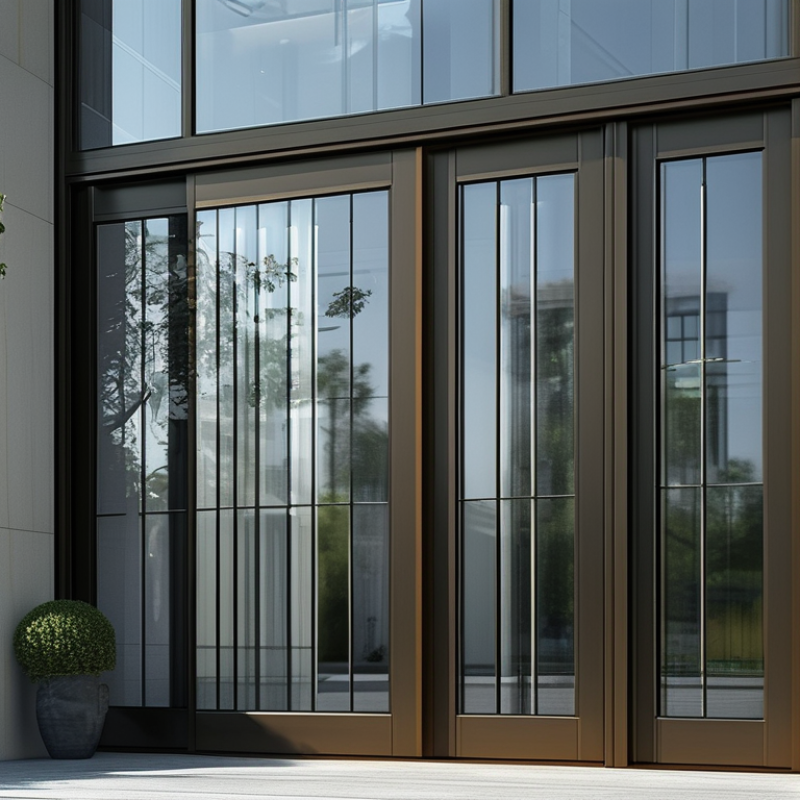
Benefits of Aluminium Door Profiles in Modern Construction
Aluminium door profiles have become a popular choice in modern construction. Their lightweight nature makes them easy to install. Unlike heavier materials, aluminium profiles reduce labor costs. They are also corrosion-resistant, making them ideal for outdoor applications. Imagine a beautiful entrance door that withstands harsh weather. This durability is a key advantage of aluminium.
In addition to their strength, these profiles offer design flexibility. Custom shapes and sizes can fit various architectural styles. Whether it’s a sleek, contemporary look or something more traditional, aluminium can adapt. Designers appreciate the range of finishes available, from matte to glossy. However, some may find the initial cost higher than wood or vinyl.
Another benefit of aluminium door profiles is energy efficiency. They can incorporate thermal breaks, enhancing insulation. This feature helps maintain comfortable indoor temperatures. A well-designed aluminium door can lower energy bills over time. That said, it’s crucial to ensure proper installation to maximize these benefits. An inexperienced installer may compromise performance. Reflecting on these factors can guide better decision-making in construction projects.
Key Characteristics of Aluminium Door Profiles for Durability
Aluminium door profiles are increasingly popular due to their exceptional durability and performance. One of their key characteristics is resistance to corrosion. Unlike other materials, aluminium does not rust easily. This makes it ideal for both indoor and outdoor applications. Even in harsh weather conditions, these profiles hold their integrity well.
Another notable feature is their strength-to-weight ratio. Aluminium is lightweight yet incredibly strong, allowing for large door designs without additional support. This opens up creative possibilities for architects and builders. However, the initial cost can be higher compared to other materials. It's crucial to consider long-term value versus upfront investment.
Furthermore, aluminium profiles require minimal maintenance compared to wood or steel. A simple cleaning routine can keep them looking new for years. But, they can scratch easily if mishandled. Users must exercise care during installation and routine use. This balance between durability and vulnerability offers room for improvement in handling practices. Overall, aluminium door profiles provide a reliable solution for various projects, reinforcing the importance of material choice based on specific needs.
Reasons to Choose Aluminium Door Profiles for Durability
Aluminium door profiles are preferred for their durability and other key characteristics. This chart illustrates the importance of various factors such as corrosion resistance, strength, lightweight nature, recyclability, and insulation. Each characteristic significantly contributes to the overall performance and longevity of aluminium door profiles.
Thermal Efficiency: Aluminium vs. Other Materials in Doors
When considering door materials, thermal efficiency stands out as a critical factor. Aluminium door profiles offer unique advantages over traditional materials like wood and PVC. According to a report from the Department of Energy, aluminium doors with proper insulation can achieve thermal resistance values between R-5 and R-7. This performance significantly reduces heat loss, making spaces more energy-efficient.
In contrast, wood and PVC may fall short in thermal efficiency. A study by the National Renewable Energy Laboratory shows that wooden doors typically reach R-4. That’s a noticeable difference when it comes to energy bills and comfort. However, it’s worth noting that the thermal performance of aluminium hinges greatly on the type of thermal break used. Some manufacturers still rely on outdated designs, which can undermine energy savings.
Aluminium's durability adds another dimension to its appeal. It can withstand harsher weather conditions compared to wood, which can warp and swell. Nevertheless, one should consider the aesthetic aspect. Some may find aluminium less visually appealing. This aspect often leads to a debate between practicality and design, underscoring the need for careful selection based on project goals.
Cost-Effectiveness of Aluminium Door Profiles Over Time
When considering door profiles for a project, aluminium is a strong contender. The cost-effectiveness of aluminium door profiles stands out over time. They may have a higher initial price compared to timber or PVC options. However, their durability and low maintenance requirements make them economical in the long run.
Aluminium door profiles are resistant to weather, rust, and corrosion. They do not warp or swell over time, unlike wood. This means fewer repairs and replacements, ultimately saving you money. An investment in aluminium doors can yield substantial returns in longevity.
Tips to consider: Always assess your environment. In areas with high humidity or fluctuating temperatures, aluminium shines. Also, think about energy efficiency. With the right insulation, aluminium doors can significantly lower energy bills. However, make sure the installation is done correctly to avoid air leaks. This can be a reflection point as poor installation can negate many benefits of aluminium profiles.
Sustainability: The Environmental Impact of Aluminium Materials
Choosing aluminium door profiles is beneficial, particularly when considering sustainability. Aluminium is a highly recyclable material, which significantly reduces its environmental footprint. It can be recycled repeatedly without losing quality. This makes it a smart choice for eco-conscious projects that aim for longevity.
Using aluminium also means lower energy consumption during production compared to other materials. When sourced responsibly, the extraction and processing of aluminium can have a reduced impact on ecosystems. However, it’s important to reflect on the carbon footprint associated with mining bauxite, the primary aluminium ore. Continuous improvement in these processes can contribute to a greener industry.
Tip: Consider local suppliers to minimize transportation emissions. Supporting regional businesses can enhance community sustainability.
Installation is another consideration. Well-installed aluminium doors improve energy efficiency in structures, reducing heating and cooling costs. Proper sealing and craftsmanship will ensure that longevity is achieved without compromising on sustainability.
Tip: Check for guidelines on proper installation techniques from reputable sources to maximize the benefits. Aim for teamwork with informed professionals to enhance your project’s sustainability.
Why Choose Aluminium Door Profiles for Your Next Project? - Sustainability: The Environmental Impact of Aluminium Materials
| Aspect | Aluminium | Other Materials |
| Recyclability | 100% recyclable without loss of quality | Limited recyclability; some materials degrade |
| Sustainability | Sustainable sourcing and processing | Often sourced from non-renewable resources |
| Energy Efficiency | High thermal performance | Variable thermal performance |
| Longevity | Durable and corrosion-resistant | May require frequent replacement |
| Carbon Footprint | Lower compared to other metals | Higher emissions during production |





