


Why Choose a Crystal Table for Your Home?

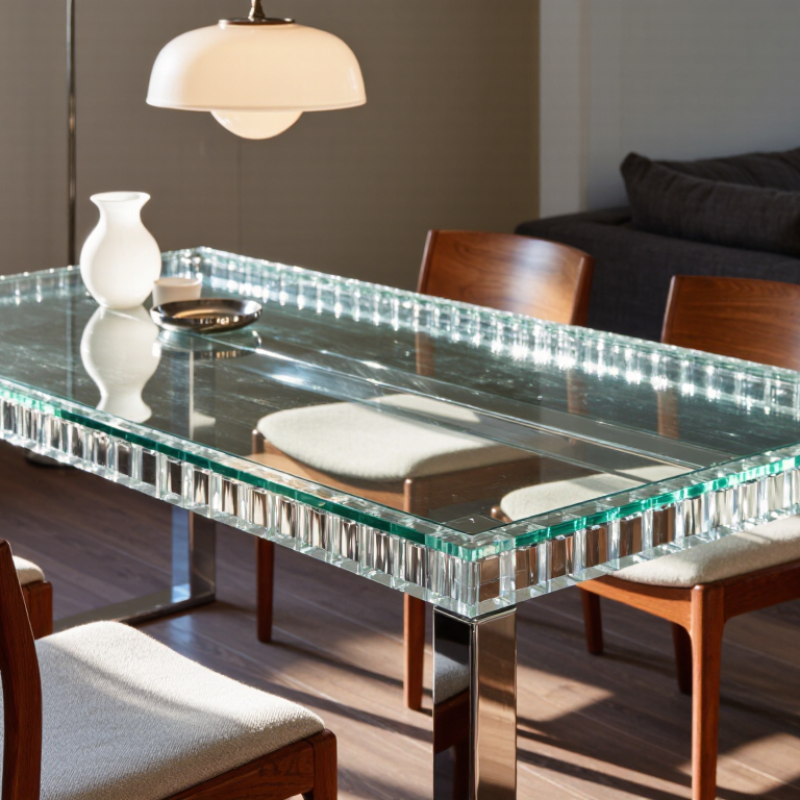
A Crystal Table can change the feeling of a room without demanding a complete redesign. Its clear surface reflects daylight, pendant lighting, and nearby textures. In a small dining area, that visual openness may make the space feel less crowded. At night, soft light can create gentle highlights along the polished edge.

Philippe Starck, a respected product designer, once said, “Design is not just what it looks like and feels like. Design is how it works.” This principle matters when choosing a Crystal Table. Beauty should meet practical performance. Look for a stable base, carefully finished edges, and glass suited to everyday furniture use. A reliable seller should explain the material, thickness, weight capacity, and care requirements clearly.

Details matter.

During hands-on furniture evaluation, small flaws become noticeable. Fingerprints gather near frequently touched edges. Uneven flooring can make a lightweight table feel less secure. Strong sunlight may also reveal dust that was invisible in a showroom. These are not reasons to reject Crystal Furniture. They are reasons to inspect it honestly.

A Crystal Table works especially well with wood, metal, leather, and neutral fabrics. Its transparency can soften a heavy sofa or balance a dark floor. However, it may not suit every household. Busy families might prefer a more forgiving surface. I would not call crystal effortless. It rewards thoughtful placement and regular cleaning.

The right choice combines visual lightness, structural confidence, and realistic maintenance. When those qualities align, the table becomes more than a decorative centerpiece. It becomes a useful, reflective part of daily life.
Why Choose a Crystal Table for Your Home?

What Is a Crystal Table? Glass Types, Clarity, and Light Transmission

Why Choose a Crystal Table for Your Home?

What Is a Crystal Table? Glass Types, Clarity, and Light Transmission

A crystal table usually refers to furniture made from highly clear glass, not a solid mineral crystal. That distinction matters when you compare strength, weight, and price. In my experience, the best choice begins with the glass specification, not the sparkling name. Tempered glass handles everyday knocks better than ordinary annealed glass. Laminated glass can hold together after breakage, adding a practical layer of safety. Still, neither option is indestructible.

Clarity creates the table’s signature effect. Clear glass allows sunlight to pass through, brightening the floor beneath it. Low-iron glass looks less green at the edges and shows colors more faithfully. Standard clear glass may show a soft green tint, especially on thick slabs. That tint is not always a defect. It can suit warm interiors, although photographs often hide it. Edge polishing also affects the result. Rough edges scatter light and feel unfinished.

Before buying, inspect the edge, thickness, support points, and safety certification details. A transparent surface can make a small room feel larger, but fingerprints appear quickly. Use a soft cloth and mild cleaner. Avoid abrasive pads. I have found that dramatic clarity sometimes reduces comfort near bright windows. Frosted or lightly tinted glass may feel calmer, yet it transmits less light. My first preference is not always the most practical one.

Why Choose a Crystal Table for Your Home? - What Is a Crystal Table? Glass Types, Clarity, and Light Transmission

Glass Type What It Is Typical Clarity Approximate Visible Light Transmission* Safety and Strength Suitable Table Applications
Standard Soda-Lime Glass The most common glass composition, made primarily from silica, sodium compounds, and calcium compounds. Clear, but it may show a noticeable green tint along thick edges. About 85–90% for clear sheet glass, depending on thickness and manufacturing quality. Good surface hardness, but untreated glass can break into sharp shards if fractured. Decorative side tables, console tables, and tabletops where cost and general clarity are priorities.
Low-Iron Glass A highly refined glass with reduced iron content, minimizing the green coloration found in ordinary clear glass. Very high clarity with a more neutral, color-accurate appearance. Approximately 90–92%, depending on thickness and coating. Similar basic strength to other annealed glass unless it is heat-treated or laminated. Premium crystal-style tables, display tables, and interiors where maximum visual clarity is desired.
Tempered Glass Glass that has been heat-treated to create compressive stress at the surface and improve resistance to impact and thermal shock. Clear and visually similar to annealed glass; slight optical distortion may occur in some panels. Usually about 88–91% for clear panels, depending on glass type and thickness. Typically several times stronger than annealed glass of the same thickness; when broken, it crumbles into small, relatively blunt pieces. Dining tables, coffee tables, desks, and frequently used household surfaces.
Laminated Glass Two or more glass layers bonded to an internal plastic interlayer, commonly polyvinyl butyral. High clarity; the interlayer can also provide color, translucency, or decorative effects. Approximately 80–90%, depending on the glass layers and interlayer. The interlayer helps hold broken glass in place, reducing fallout; it does not make the surface unbreakable. Large tabletops, elevated surfaces, and designs where retained fragments are an important safety consideration.
Lead Crystal Glass Glass containing a significant proportion of lead oxide, traditionally used to increase density, refractive index, and sparkle. Exceptionally bright and reflective, with strong prismatic highlights and edge sparkle. Often around 80–90%; transmission varies with composition, thickness, and surface treatment. More decorative than impact-resistant; it should be engineered and supported like other glass furniture surfaces. Ornamental accents and luxury-style furniture where brilliance and visual weight are central design features.
Lead-Free Crystal Glass Crystal-style glass made with alternative mineral oxides, such as barium, zinc, or potassium compounds, rather than lead oxide. Very clear and sparkling, although the exact brilliance depends on the formulation and surface geometry. Commonly about 85–92%, depending on composition and thickness. Strength depends on whether the glass is annealed, tempered, or laminated; the word “crystal” alone does not indicate impact resistance. Crystal-look coffee tables, console tables, and decorative tabletops intended to combine sparkle with a lead-free composition.
How to Read the Data: A crystal table is generally a table that uses highly clear, reflective, or faceted glass to create a bright, jewel-like appearance. “Crystal” describes the glass composition or visual effect, not a separate natural gemstone. Light-transmission values are approximate ranges for clear glass and can vary with thickness, tint, coatings, interlayers, edge finish, and manufacturing method.

Impact Resistance: Why Tempered Glass Is 4–5 Times Stronger

Why Choose a Crystal Table for Your Home?

Impact Resistance: Why Tempered Glass Is 4–5 Times Stronger

A crystal table can make a small room feel brighter and more open. Its clear surface reflects daylight without adding visual weight. The important feature, however, is often the tempered glass beneath its polished appearance. Tempered glass is generally four to five times stronger than standard annealed glass of similar thickness. Manufacturers create this strength through controlled heating and rapid cooling. The process compresses the outer surface, helping it resist everyday impacts, pressure, and sudden temperature changes.

Think of a coffee mug, a dropped remote, or a child’s wooden toy. These common objects can strike a tabletop with surprising force. Properly made tempered glass usually handles such moments better than ordinary glass. It is not indestructible. A sharp impact on an exposed edge can still cause damage. Edge quality matters greatly, so inspect the corners and support points before buying. Smooth, well-finished edges also reduce unpleasant contact during daily use.

When tempered glass does fail, it normally breaks into many small, blunt-edged pieces. This is safer than producing long, knife-like shards, although cleanup still requires care. Reliable furniture construction depends on more than strength alone. The frame should support the glass evenly, and the surface should remain free from deep chips or scratches. I would still use coasters and lift heavy objects, rather than dragging them. That small habit may feel unnecessary, but it protects the finish and reduces avoidable stress.

Why Choose a Crystal Table for Your Home?

Impact Resistance: Why Tempered Glass Is 4–5 Times Stronger

Tempered glass is heat-treated to increase its surface strength and resistance to sudden impact. Compared with standard annealed glass, fully tempered glass typically provides about four to five times greater bending strength, while heat-strengthened glass offers an intermediate level of performance. The values below use annealed glass as a normalized baseline.

Safety Benchmarks: ANSI Z97.1 and CPSC 16 CFR 1201 Standards

Why Choose a Crystal Table for Your Home?

A crystal table can bring light, depth, and a clean visual line to a living space. Yet appearance should never replace safety. When choosing a glass table, ask for evidence that the glass meets recognized safety benchmarks, including ANSI Z97.1 and CPSC 16 CFR 1201.

These standards address safety glazing through controlled impact and breakage tests. Properly tested glass should resist expected impacts and reduce dangerous sharp shards when it breaks. However, certification depends on the exact glass type, thickness, treatment, and construction. A label alone may not tell the whole story. Request test records or product documentation from the seller. Check whether the tested configuration matches the tabletop you plan to use.

In my experience, small details matter. Rounded edges can reduce painful contact points. Stable legs help prevent tipping. Protective pads may also limit stress around the glass. I once assumed thicker glass always meant safer glass, but that is an incomplete assumption. Installation and support design matter too.

Tips: Place the table on a level surface, keep heavy objects away from unsupported edges, and inspect the glass regularly. Look for chips, scratches, or unusual movement. If damage appears, stop using the table until a qualified professional evaluates it. Standards guide safer design, but careful daily use remains essential.

Space and Style Benefits: How Transparency Supports Visual Openness

A crystal table can make a compact room feel less crowded. In rooms I have helped arrange, light passes through the surface and reaches the floor. This reduces the visual weight of chairs, rugs, and nearby storage. The furniture remains, but the room feels more open. It feels lighter.

Placement matters. Set the table near a window to extend natural brightness across the room. A round crystal top can improve movement in a narrow dining area. Its edges create fewer visual stops than a heavy rectangular table. Clear surfaces may also reflect light from pendant fixtures, adding a gentle evening glow. However, transparency does not hide fingerprints, dust, or clutter. Regular cleaning remains necessary.

Scale still matters. A large clear table can overwhelm a small space, even without a solid color. Measure the walking path before choosing one, leaving comfortable room around each chair. I once placed a transparent table beside dark shelving, expecting balance; the contrast felt sharper than planned. Softer textiles and warm wood helped correct it. Safety deserves equal attention, so select a well-made piece with stable support and properly finished edges. Crystal may look delicate, yet its structure must suit daily meals, homework, and accidental bumps.

Care and Longevity: Cleaning Practices and Glass Durability Data

Why Choose a Crystal Table for Your Home?

A crystal table can brighten a room while keeping the furniture visually light. Its surface reflects windows, lamps, and warm evening light. Yet beauty depends on disciplined care. In daily use, I have found that most marks come from dust, rings, and rough cleaning cloths.

Use lukewarm water and a pH-neutral glass cleaner.

Spray the cloth, not the tabletop. A clean microfiber cloth prevents small particles from dragging across the surface. Avoid scouring powders, razor blades, and abrasive sponges. They can create fine scratches that become visible under direct sunlight. Wipe spills quickly, especially acidic drinks and oily sauces. They may leave dull patches or slippery residue. Small coasters help.

Tempered glass is commonly used for safer furniture surfaces.

Depending on its thickness and manufacturing quality, it may offer four to five times greater bending strength than ordinary annealed glass. Standards such as ANSI Z97.1 and EN 12150 address impact performance and safety requirements. These figures are not a promise of invincibility. A sharp impact on an exposed edge can still cause sudden breakage. Inspect corners regularly. Stop using the table if you notice chips, deep scratches, or movement in the frame. Crystal-style glass also dislikes sudden temperature changes, so place a mat beneath hot cookware. I sometimes forget this rule. That small mistake can be expensive.

Powder Coat Booths

For those larger-sized parts, or smaller quantity runs, we have 2 independent powder coat booths and ovens. The quality, durability and affordability of today’s powder coating finishes make this the process of choice for world-class companies.

Powder coating advantages over other forms of coating are many. Materials used in the Powder coating process can be metals and non-metals that come in a multitude of thicknesses, textures, colors, etc. Another of Powder coating’s biggest advantages over conventional coatings is its ability to create finishes in many different textures. Powder Coating Booths allow us the ability to apply these advantages to large products.

Wet Paint Line

Tri-State Fabricators runs a full-service conveyor line for painting. Wet painting can provide protection or decoration to many different part styles. From start to finish, every project is easier to undergo random and point-based inspection by our skilled painting team.

Advantages to our Wet Paint Line are these lines start with product prep and ends with a thorough inspection of a high quality finished product. Our ability to complete large and small projects with a superior finish and doing so in a timely and economical fashion. This passes along the savings in production to our customers. When powder coating ins not an option, our Wet Paint Line gets the job done right the first time.

Wet Paint Booths

When the parts get big and heavy we roll-out our custom paint racks and oversize booth. By utilizing our partnerships with all the major paint brands, we can match virtually any color with wet paint.

The advantages of having access to a Wet Paint Booth are many. Large projects of many different shapes can be loaded into the booth. The Wet Paint Booth offers an environment that is much more controlled than a typical parts painting operation.

Not only are they used because of their controlled environment, but they’re are also advantageous when it comes to applying paint to parts that are needed in industries that require specialty coatings such as medical, aerospace, etc.

Military CARC

Our military forces have some very high standards when it comes to the finish of their vehicles and equipment. From the first pre-treatment step to final coat, it takes a great deal of knowledge and experience to protect the men and women of our armed forces. They deserve only the best, and Tri-State Fabricators provides it.

All of our processes are closely monitored by our staff and management teams. Both of which are highly trained in the processes of metal fabrication and finishing. Tri-State Fabricators’ goal is to always fully satisfy each and every customer, including the military. We will always put a 110% into what we do.

Glass-Bead Blasting

Abrasive media blasting is an excellent way to remove old paint, rust, and increase the paint/powder adhesion. Glass beads produce a much smoother and brighter finish than angular abrasives; leaving the part clean yet without any dimensional change. Chemically inert and environmentally friendly, we can recycle our beads approximately 30 times; making them a more preferred method of metal cleaning or surface finishing.

Advantages to Glass Bead Blasting are many. Glass bead blast media is used when a project is needing rough surfaces need to become smooth for applications of coatings such as paint. It is typically used to clean paint and rust from a product surface without deforming the surface it is being used on. Overall, compared to many other blasting media, Glass Bead Blasting is a very economical choice and those savings are always passed on to our customers.

Part Washing

Tri-State Fabricators utilize a zinc phosphate wash to clean and etch the material to ensure the best paint adhesion possible. The unique design of our 3-stage wash system does the work like a 5-stage. From Cleaning and rinsing to conversion coating and post-treatment, Our Part Washing process is a complete service and works throughout the fabrication service and the finishing service.

Along with the previously mentioned benefits, Curing is a vital chemical reaction that leaves the product finish hard and relatively safe from mild abrasion and aggressive corrosion. This process can be done in more than one way; ambient air-dry or in curing ovens at temps that exceed 240°.

Burn-Off Oven

From fixing paint mistakes (someone else’s of course) to simply cleaning our paint line hooks, our burn-off oven is put to good use. After a quick burn-off, a little clean up, and a fresh coat of paint, your parts will look better than new.

Why does our Burn-Off Oven work so well? Because super heating the air around parts turns the materials into ashes. From paint and powder coatings to rubber and machining oils, high temps do the job without degrading the integrity of the part.

Masking

Masking is a vital part of producing high quality products. We have die-cut masking patterns to protect machined surfaces as well as a wide range of plugs and caps to protect threaded holes and bolts. We provide permanent and temporary masking.

Masking allows the selected sections of a product to be protected from a fabrication or finishing service. This can be with both chemicals when etching and tapes, paints when only finishing just a section of the product. Masking is great in aiding the customization process of a project.

Screen Printing

Screen printing is a photographic process that transfers artwork onto a porous nylon screen which allows colored ink to flow through the screen and be deposited on an aluminum or plastic component. We can generally have just about any design created onto a screen for your parts.

Some of the advantages of Screen Printing are, brand recognition for your business displaying on your products, assembly instructions, product warnings/hazards, etc. Tri-State Fabricators produces Screen Printing of the highest quality so you know it’s durable.

Metal Finishing

Metal Finishing is the art of treating the exterior portion of product, often metal but can also be made of other materials, so that the surface is clean and free of any debris. Then the process of applying coats or either paint of powder coat takes place. This coating process improves the quality of the product in both appearance and resistance to wear and corrosion.

Tri-State Fabricators, Inc., understands that a project typically isn’t complete until a high-quality finish has been added to your product. This is why our painting and powder coating teams continuously inspect the products throughout the Metal Finishing process.


