


Why Choose a 2 Cylinder Diesel Generator?

A 2 Cylinder Diesel Generator can be a practical choice when a site needs dependable power without a large industrial unit. Its two-cylinder engine may deliver steadier operation than a comparable single-cylinder model, though actual vibration and noise depend on the design, mounting, and enclosure. That distinction matters beside a workshop bench, a pump shed, or a small commercial building.

The right choice begins with the load. List the equipment that must run together, including motors that draw extra current when starting. Then compare that demand with the generator’s continuous rating, not just its advertised peak output. A unit that is too small may struggle; one that is oversized can run inefficiently at light loads. Fuel use varies with engine design, maintenance, and operating conditions. There is no universal figure.

Service access matters, too. Check that filters, belts, and drain points can be reached without awkward disassembly, and confirm that replacement parts are available locally. Review the manufacturer’s specifications for rated power, fuel capacity, cooling, and recommended service intervals. A clean air filter and fresh oil sound ordinary, but they affect reliability.

Still, two cylinders do not guarantee the best fit. I would compare the generator’s actual ratings and support, rather than choose by cylinder count alone. That small step can prevent an expensive mismatch.
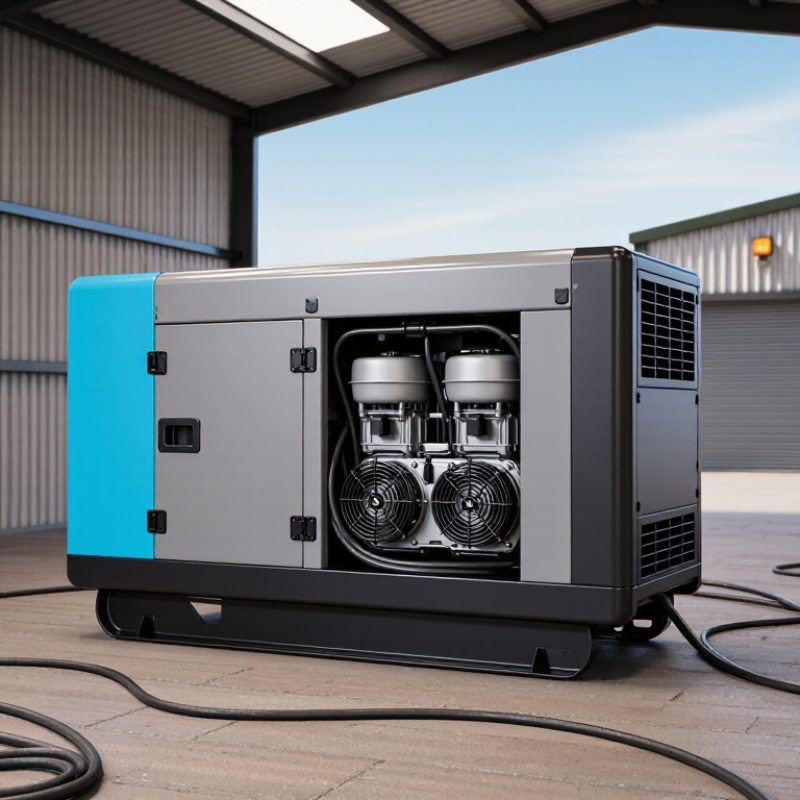
Why Choose a 2 Cylinder Diesel Generator?

What Is a 2-Cylinder Diesel Generator?

A 2-cylinder diesel generator is a power unit with a diesel engine containing two cylinders. Inside each cylinder, a piston compresses air, and injected diesel fuel ignites from the resulting heat. The pistons move in sequence, turning a crankshaft that drives an alternator to produce electricity. In simple terms, the engine makes rotation; the alternator converts it into usable power.

Two cylinders can offer a practical balance of output, size, and fuel use for homes, workshops, farms, or remote equipment. The actual capacity depends on engine design and load, so the cylinder count alone cannot tell you how much power it will provide. It may run steadily, but vibration and sound vary between models. That detail is easy to overlook.

Tips: Check the rated and starting power against your equipment. Leave a sensible load margin, and follow the manual’s guidance on oil, cooling, and service intervals. Keep the generator in a properly ventilated location.

Before choosing one, consider how often it will run and which devices must stay powered. A small pump and several lights place different demands on a generator than a compressor or large motor. Ask about noise, maintenance access, and operating costs, too. The two-cylinder layout is useful context, not a guarantee of quiet operation or low fuel consumption.


How a 2-Cylinder Diesel Engine Generates Electricity

A 2-cylinder diesel generator turns fuel energy into electricity through two linked processes: combustion and electromagnetic induction. In a four-stroke engine, each piston draws in air, compresses it, receives injected diesel, then pushes down as the fuel ignites under pressure. The pistons drive a shared crankshaft, whose rotation spins the alternator’s rotor inside stationary windings. That moving magnetic field induces alternating current. A voltage regulator helps keep the output stable as electrical loads change.

The U.S. Department of Energy’s Reciprocating Engine Combined Heat and Power Technology Fact Sheet reports electrical efficiencies of roughly 27% to 41% for reciprocating engines. That range covers many sizes and configurations; it is not a guarantee for every two-cylinder set. Small units can respond quickly to changing loads, but actual performance depends on engine speed, alternator design, maintenance, and load. Listen closely: uneven firing, smoke, or a rough vibration may signal a problem, though none identifies the cause by itself. A two-cylinder engine also has distinct power pulses, so its sound and vibration can feel less smooth than those of larger multi-cylinder machines. Real-world output is rarely as tidy as a diagram.

Why Choose a 2 Cylinder Diesel Generator? — How a 2-Cylinder Diesel Engine Generates Electricity

Stage or Feature What Happens Why It Matters
Air intake Each cylinder draws air into the combustion chamber as the piston moves downward during the intake stroke. Diesel engines take in air and compress it; fuel is injected later rather than being premixed with the intake air.
Compression and fuel injection The piston compresses the air, raising its temperature. Near the end of compression, an injector sprays diesel fuel into the hot air. The fuel ignites from the heat of compression, so a conventional diesel engine does not need a spark plug for ignition.
Power stroke Combustion increases pressure and pushes the piston downward. The connecting rod transfers this force to the crankshaft. The crankshaft converts the pistons’ reciprocating motion into rotation that can drive the generator’s alternator.
Two-cylinder operation The two cylinders deliver power strokes at different points in the crankshaft’s rotation. Their exact firing arrangement depends on the engine design. Sharing the work between two cylinders can provide smoother torque delivery than a comparable single-cylinder engine, although vibration and smoothness vary by design.
Exhaust and cycle repeat During the exhaust stroke, spent gases leave the cylinder. In a four-stroke engine, each cylinder completes intake, compression, power, and exhaust over two crankshaft revolutions. Repeated cycles maintain crankshaft rotation while the engine runs at its designed speed.
Alternator rotation The engine’s crankshaft turns the alternator rotor, either directly or through a coupling. The rotor’s magnetic field rotates relative to the stator windings. This changing magnetic field induces an electrical voltage in the stator windings through electromagnetic induction.
Voltage and frequency control An engine governor helps regulate speed, while the generator’s electrical control system may regulate output voltage. Design and equipment differ by model. Stable engine speed is important for maintaining the intended AC frequency; voltage regulation helps keep voltage within the generator’s specified range.
Potential reasons to choose two cylinders A two-cylinder configuration can balance compact engine size with more distributed power strokes than a single-cylinder design. It may suit small or medium standby and portable applications, depending on the required output, duty cycle, noise limits, and installation conditions.
Selection considerations Compare rated and standby output, operating speed, fuel consumption at the expected load, runtime, emissions compliance, cooling, noise, and maintenance requirements. Cylinder count alone does not determine performance. Check the generator’s published specifications and match them to the loads and operating environment.

Key Advantages of a 2-Cylinder Diesel Generator

A 2-cylinder diesel generator can suit workshops, farms, and small sites where space and moderate power needs matter. Its compact engine is easier to fit in a tight utility room or service vehicle. With fewer cylinders and related parts than a comparable larger-cylinder design, routine inspections may be simpler. Think visible fuel lines and accessible filters, not a guaranteed maintenance shortcut. Small loads matter. A unit that runs far below its rated capacity may waste fuel and accumulate wear, so match output to actual demand.

The U.S. Department of Energy’s reciprocating-engine CHP fact sheet reports electrical efficiency of roughly 27–41% and total efficiency of 70–80% when useful heat is recovered. These figures cover engine systems broadly, not 2-cylinder generators alone; cylinder count does not promise a specific efficiency.

A two-cylinder model may also produce more noticeable vibration, depending on its design and mounting. I would not call that a free advantage. Check rated and standby output, fuel use at partial load, service access, and noise data before choosing. For a remote pump or backup circuit, those details matter more than the cylinder count on the spec sheet.

Factors to Consider Before Choosing One

Why Choose a 2 Cylinder Diesel Generator?
Factors to Consider Before Choosing One

A two-cylinder diesel generator may suit a small workshop, farm, or backup system, but the cylinder count alone does not determine performance. Start by listing the equipment it must power. A pump, compressor, or refrigerator can draw extra current when starting, so check both running and starting loads. Leave a sensible capacity margin. Oversizing can also lead to inefficient operation if the generator runs lightly most of the time.

Match the set to its duty cycle and surroundings. Occasional emergency use differs from running tools for several hours each day. Check the manufacturer’s rated output, cooling requirements, fuel consumption, and recommended service intervals. Measure the installation space, too. A narrow shed can restrict airflow, while a nearby bedroom may make operating noise a real concern. Compare vibration control and exhaust routing before settling on a location. A neat specification sheet can still miss practical details.

Tips: Ask a qualified technician to review your load list and starting currents. Check parts availability and routine maintenance needs locally. Keep a little room for service access; it is easy to underestimate. A two-cylinder model may be compact, but confirm its output under your actual conditions—not just its advertised peak rating.

Why Choose a 2 Cylinder Diesel Generator? — Factors to Consider Before Choosing One

Engine cylinder count alone does not determine a generator’s output or suitability. For a four-pole synchronous alternator, the engine must run at the speed shown to produce the stated frequency.

How to use this chart: Check that the generator’s rated speed matches your required frequency, then compare its continuous power rating, expected load, fuel consumption, noise, and maintenance requirements. The speeds shown follow the synchronous-speed formula: RPM = 120 × frequency ÷ number of poles.

Common Applications and Operating Limitations

A two-cylinder diesel generator can be a practical choice where power needs are modest and space is limited. Common applications include farm pumps, small workshops, remote cabins, and backup power for essential equipment. Its relatively simple setup may make routine servicing manageable, but check the rated output and duty cycle before choosing one. A pump may run smoothly, while a compressor’s starting surge can quickly use the available capacity.

Operating limitations matter. A small unit may struggle when several heavy loads start together, and continuous operation near its maximum rating can increase wear. Cylinder count alone does not determine fuel use, noise, or reliability; engine design, maintenance, and load all matter. Vibration can also be noticeable on a light frame. I would not assume it can handle every “small” appliance without checking its power demand. Provide ventilation, keep the cooling airflow clear, and follow the manufacturer’s service intervals.

Tips: List each appliance’s running and starting watts, then compare the totals with the generator’s ratings. Keep loads realistic. Inspect the oil and fuel before use, and secure the unit on a stable surface. A careful load test may reveal problems you did not expect.

Powder Coat Booths

For those larger-sized parts, or smaller quantity runs, we have 2 independent powder coat booths and ovens. The quality, durability and affordability of today’s powder coating finishes make this the process of choice for world-class companies.

Powder coating advantages over other forms of coating are many. Materials used in the Powder coating process can be metals and non-metals that come in a multitude of thicknesses, textures, colors, etc. Another of Powder coating’s biggest advantages over conventional coatings is its ability to create finishes in many different textures. Powder Coating Booths allow us the ability to apply these advantages to large products.

Wet Paint Line

Tri-State Fabricators runs a full-service conveyor line for painting. Wet painting can provide protection or decoration to many different part styles. From start to finish, every project is easier to undergo random and point-based inspection by our skilled painting team.

Advantages to our Wet Paint Line are these lines start with product prep and ends with a thorough inspection of a high quality finished product. Our ability to complete large and small projects with a superior finish and doing so in a timely and economical fashion. This passes along the savings in production to our customers. When powder coating ins not an option, our Wet Paint Line gets the job done right the first time.

Wet Paint Booths

When the parts get big and heavy we roll-out our custom paint racks and oversize booth. By utilizing our partnerships with all the major paint brands, we can match virtually any color with wet paint.

The advantages of having access to a Wet Paint Booth are many. Large projects of many different shapes can be loaded into the booth. The Wet Paint Booth offers an environment that is much more controlled than a typical parts painting operation.

Not only are they used because of their controlled environment, but they’re are also advantageous when it comes to applying paint to parts that are needed in industries that require specialty coatings such as medical, aerospace, etc.

Military CARC

Our military forces have some very high standards when it comes to the finish of their vehicles and equipment. From the first pre-treatment step to final coat, it takes a great deal of knowledge and experience to protect the men and women of our armed forces. They deserve only the best, and Tri-State Fabricators provides it.

All of our processes are closely monitored by our staff and management teams. Both of which are highly trained in the processes of metal fabrication and finishing. Tri-State Fabricators’ goal is to always fully satisfy each and every customer, including the military. We will always put a 110% into what we do.

Glass-Bead Blasting

Abrasive media blasting is an excellent way to remove old paint, rust, and increase the paint/powder adhesion. Glass beads produce a much smoother and brighter finish than angular abrasives; leaving the part clean yet without any dimensional change. Chemically inert and environmentally friendly, we can recycle our beads approximately 30 times; making them a more preferred method of metal cleaning or surface finishing.

Advantages to Glass Bead Blasting are many. Glass bead blast media is used when a project is needing rough surfaces need to become smooth for applications of coatings such as paint. It is typically used to clean paint and rust from a product surface without deforming the surface it is being used on. Overall, compared to many other blasting media, Glass Bead Blasting is a very economical choice and those savings are always passed on to our customers.

Part Washing

Tri-State Fabricators utilize a zinc phosphate wash to clean and etch the material to ensure the best paint adhesion possible. The unique design of our 3-stage wash system does the work like a 5-stage. From Cleaning and rinsing to conversion coating and post-treatment, Our Part Washing process is a complete service and works throughout the fabrication service and the finishing service.

Along with the previously mentioned benefits, Curing is a vital chemical reaction that leaves the product finish hard and relatively safe from mild abrasion and aggressive corrosion. This process can be done in more than one way; ambient air-dry or in curing ovens at temps that exceed 240°.

Burn-Off Oven

From fixing paint mistakes (someone else’s of course) to simply cleaning our paint line hooks, our burn-off oven is put to good use. After a quick burn-off, a little clean up, and a fresh coat of paint, your parts will look better than new.

Why does our Burn-Off Oven work so well? Because super heating the air around parts turns the materials into ashes. From paint and powder coatings to rubber and machining oils, high temps do the job without degrading the integrity of the part.

Masking

Masking is a vital part of producing high quality products. We have die-cut masking patterns to protect machined surfaces as well as a wide range of plugs and caps to protect threaded holes and bolts. We provide permanent and temporary masking.

Masking allows the selected sections of a product to be protected from a fabrication or finishing service. This can be with both chemicals when etching and tapes, paints when only finishing just a section of the product. Masking is great in aiding the customization process of a project.

Screen Printing

Screen printing is a photographic process that transfers artwork onto a porous nylon screen which allows colored ink to flow through the screen and be deposited on an aluminum or plastic component. We can generally have just about any design created onto a screen for your parts.

Some of the advantages of Screen Printing are, brand recognition for your business displaying on your products, assembly instructions, product warnings/hazards, etc. Tri-State Fabricators produces Screen Printing of the highest quality so you know it’s durable.

Metal Finishing

Metal Finishing is the art of treating the exterior portion of product, often metal but can also be made of other materials, so that the surface is clean and free of any debris. Then the process of applying coats or either paint of powder coat takes place. This coating process improves the quality of the product in both appearance and resistance to wear and corrosion.

Tri-State Fabricators, Inc., understands that a project typically isn’t complete until a high-quality finish has been added to your product. This is why our painting and powder coating teams continuously inspect the products throughout the Metal Finishing process.
