


China has become a major sourcing hub for industrial Pump Parts, serving water treatment, agriculture, construction, energy, and process industries. Its manufacturers range from specialized machining workshops to large suppliers with integrated production lines. However, “top” should not mean the biggest factory or the lowest quotation.
A reliable evaluation begins with practical evidence. Buyers should examine material certificates, dimensional reports, pressure-test records, and traceability procedures. Stainless steel, ductile iron, bronze, and engineered plastics may suit different fluids and operating conditions. Surface finish also matters. A rough impeller or poorly machined shaft can increase vibration, leakage, and maintenance costs.
Look closely.
Strong manufacturers usually explain their casting, forging, CNC machining, heat-treatment, coating, and assembly capabilities. They should also clarify tolerances, compatible pump models, production capacity, and inspection standards. Experience with export packaging and technical documentation is valuable for international projects. Certifications can support credibility, but they should be verified rather than accepted blindly.
This guide explores China’s leading Pump Parts manufacturers through quality control, engineering capability, product range, customization, delivery performance, and after-sales support. It also considers how suppliers respond to real operating demands, such as abrasive slurry, high temperature, corrosion, and continuous duty cycles. Factory photographs can help, but they are not proof. Independent samples and test results are stronger evidence.
Some rankings remain subjective.
A supplier may perform well on large-volume orders but struggle with small batches or urgent replacements. Another may offer excellent engineering support while charging more. Careful comparison is necessary. The best choice depends on application risk, required service life, budget, and communication reliability. This overview aims to provide a balanced starting point, while recognizing that supplier performance still requires direct verification.
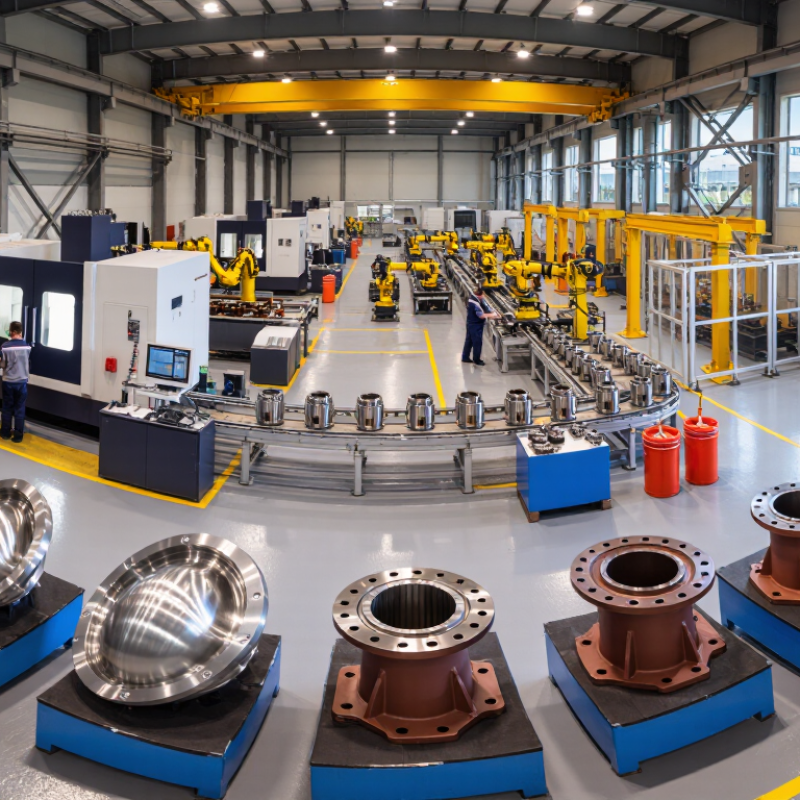
Pump parts are the working pieces inside a pumping system. They include impellers, casings, shafts, seals, bearings, wear rings, valves, and couplings. Each part controls how efficiently fluid moves through the equipment. A damaged seal may create a small leak first, then contaminate nearby surfaces. A worn impeller can increase vibration, noise, and electricity use. These details matter because pump performance depends on the whole assembly, not one impressive component.
The U.S. Department of Energy reports that pumping systems can represent 25% to 50% of industrial motor energy consumption. Its guidance also identifies potential energy savings of 20% to 30% through better system assessment and optimization. That data explains why accurate parts selection deserves technical attention. Material, operating temperature, pressure, fluid chemistry, and shaft alignment all affect service life. Stainless steel may resist corrosion, while hardened alloys can better handle abrasive particles. The cheapest part is not always the lowest-cost choice.
Maintenance teams often inspect vibration, seal leakage, bearing temperature, and pressure changes together. Hydraulic Institute guidance emphasizes proper sizing, installation, and operating conditions for reliable pump performance. However, field decisions are rarely perfect. A catalog specification may not match real fluid conditions. Even experienced technicians can overlook blocked strainers or poor pipe alignment. Good manufacturers should provide traceable dimensions, material records, inspection data, and practical replacement support. Small documentation gaps can create large maintenance problems.
| Pump Part | Primary Function | Common Materials | Typical Manufacturing Process | Why It Matters | Common Inspection Points |
|---|---|---|---|---|---|
| Impeller | Transfers mechanical energy from the shaft to the fluid and generates flow and pressure. | Stainless steel, ductile iron, cast iron, bronze, engineered polymers. | Investment casting, sand casting, precision machining, or injection molding for selected polymers. | Its diameter, vane geometry, balance, and surface condition directly affect pump head, efficiency, vibration, and cavitation behavior. | Dynamic balance, dimensional accuracy, vane erosion, corrosion, cracks, and casting defects. |
| Pump Casing | Contains the fluid and converts velocity energy into pressure in centrifugal pump designs. | Cast iron, ductile iron, carbon steel, stainless steel, duplex stainless steel. | Sand casting, investment casting, welding, heat treatment, and CNC machining. | A correctly designed casing supports pressure containment, hydraulic efficiency, alignment, and safe operation. | Pressure testing, wall thickness, flange dimensions, sealing faces, porosity, and corrosion allowance. |
| Pump Shaft | Transmits torque from the driver to the impeller and maintains rotating-part alignment. | Carbon steel, alloy steel, 410 stainless steel, 17-4 PH stainless steel, duplex stainless steel. | Forging or bar stock machining, heat treatment, grinding, and polishing of sealing areas. | Shaft strength and runout influence vibration, seal life, bearing loading, and resistance to fatigue failure. | Straightness, runout, keyway dimensions, hardness, surface finish, and corrosion or fatigue damage. |
| Mechanical Seal | Prevents process fluid from leaking along the rotating shaft or sleeve. | Carbon, silicon carbide, tungsten carbide, stainless steel, elastomers such as EPDM or FKM. | Precision lapping, grinding, molding, machining, and controlled assembly. | Seal compatibility with pressure, temperature, speed, and fluid chemistry is essential for safe, low-emission operation. | Face flatness, surface finish, elastomer compatibility, spring condition, leakage testing, and correct installation dimensions. |
| Wear Ring | Maintains a controlled clearance between the impeller and casing to limit internal recirculation. | Bronze, stainless steel, hardened steel, nickel-based alloys, and selected polymers. | CNC turning, boring, grinding, and sometimes surface hardening. | Excessive clearance reduces volumetric efficiency and can increase operating cost and hydraulic instability. | Inside and outside diameter, concentricity, surface wear, scoring, and installed clearance. |
| Bearing | Supports the shaft and manages radial and axial loads during operation. | Chrome steel, stainless steel, ceramic rolling elements, bronze, or composite bearing materials. | Precision grinding, heat treatment, superfinishing, and controlled assembly. | Bearing condition affects vibration, temperature, alignment, energy consumption, and overall pump reliability. | Noise, temperature, lubrication, vibration, clearance, raceway damage, and contamination. |
| Gasket and O-Ring | Seals static joints between casing sections, flanges, covers, and other stationary interfaces. | EPDM, FKM, NBR, PTFE, graphite, compressed fiber, and spiral-wound metallic materials. | Molding, die cutting, skiving, winding, and precision profile forming. | Correct material and compression prevent leakage, chemical attack, air ingress, and loss of system pressure. | Size, hardness, compression, chemical compatibility, surface damage, and signs of extrusion or swelling. |
| Shaft Sleeve | Protects the shaft from wear and corrosion beneath the mechanical seal or packing. | Stainless steel, hardened stainless steel, nickel alloys, and ceramic-coated materials. | Tube or bar machining, grinding, polishing, and optional coating or hardening. | A smooth, durable sleeve surface helps protect the shaft and supports consistent sealing performance. | Surface finish, wall thickness, concentricity, corrosion, grooves, and fit with the seal components. |
| Diffuser or Guide Vane | Guides fluid flow and converts velocity into pressure, particularly in multistage or specialty pumps. | Cast iron, stainless steel, engineered polymers, and wear-resistant alloys. | Casting, injection molding, CNC machining, and finishing of hydraulic passages. | Accurate hydraulic passages improve stage efficiency, pressure generation, and stable flow distribution. | Vane profile, passage dimensions, erosion, fouling, cracks, and alignment within the pump stage. |

Chinese pump parts manufacturers commonly produce impellers, casings, shafts, sleeves, wear rings, mechanical seals, bearings, couplings, and gaskets. These components support centrifugal, diaphragm, slurry, and chemical pumps. Many factories offer cast iron, ductile iron, stainless steel, bronze, and engineered plastic parts. Material selection depends on pressure, temperature, fluid chemistry, and abrasion.
Impellers and casings usually receive close dimensional control because small errors can reduce flow efficiency. Shafts may undergo turning, grinding, heat treatment, and runout inspection. Mechanical seals often combine carbon, ceramic, silicon carbide, and elastomer components. Some manufacturers also produce valve seats, diaphragms, base plates, and custom flanges for maintenance projects.
Quality evidence matters more than a polished catalog. Reliable suppliers can provide material certificates, inspection reports, balancing records, and pressure-test results. They should explain machining tolerances clearly. Traceable batch numbers are useful during field repairs. A practical buyer should compare drawings, not only prices. Cheap parts may fit poorly.
One overlooked detail is surface finish. It affects sealing and wear. Another is dynamic balancing. An unbalanced impeller can create vibration, noise, and premature bearing damage. Not every factory controls these points equally. Therefore, sample inspection remains necessary, even when production experience seems impressive. Measurements should match the approved drawing, service conditions, and actual pump duty.
China’s top pump parts manufacturers are better understood by capability than by factory size. In practice, buyers classify them by the components they produce. One group focuses on hydraulic parts, including impellers, diffusers, volutes, and guide vanes. Another specializes in sealing and rotating parts, such as mechanical seals, sleeves, shafts, and wear rings. Some suppliers cover complete wet-end assemblies.
A second classification uses material expertise. Stainless steel workshops serve corrosive fluids and hygienic systems. Ductile iron and cast steel are common for heavy industrial pumps. Bronze, duplex alloys, and engineered plastics address more specific conditions. Manufacturing method matters too. Investment casting supports complex shapes, while CNC machining improves shaft and seal-seat accuracy. Fabrication suits large casings and low-volume repairs.
Application is another useful category. Manufacturers may serve water treatment, mining, power generation, agriculture, or chemical processing. Strong suppliers usually provide drawings, material certificates, inspection records, and batch traceability. Buyers should also check balancing reports, surface finish, pressure testing, and dimensional tolerances. These details show experience better than polished websites. This framework is not perfect. A capable workshop can fit several categories, while a narrow specialist may still be safer. Field experience shows that low prices can hide alloy mismatches or poor fit testing. Category labels should guide questions, not end them.
Leading Chinese pump-parts manufacturers usually build quality control around internationally recognized standards. ISO Survey 2023 reported more than one million ISO 9001 certificates worldwide, showing how widely structured quality systems are used. In practice, certified factories control supplier approval, material records, machining tolerances, and final inspection. ISO 5199 may guide centrifugal pump requirements, while API 610 applies to selected petrochemical projects. GB/T standards often support local compliance.
Testing should be visible, not merely promised. A serious factory can provide dimensional reports, hardness results, balancing records, hydrostatic pressure tests, and performance curves. For stainless-steel or alloy parts, buyers should request heat-number traceability and chemical composition reports. Non-destructive testing may include dye penetrant or ultrasonic inspection. Small details matter. A rough shaft surface can damage a seal within weeks.
The U.S. Department of Energy’s Improving Pumping System Performance guide indicates that well-assessed pumping systems may achieve energy savings of 20–50%. That figure reinforces the value of accurate clearances, balanced rotating parts, and efficient hydraulic geometry. However, certificates alone do not guarantee consistent production. Audits should compare documents with actual parts, calibration labels, and operator practices. I would also question any report without test conditions. Flow, head, speed, temperature, and measurement uncertainty must be stated clearly. Quality is measurable, but never automatic.
The chart compares the publication or latest major revision year of standards frequently used for pump components, manufacturing quality systems, inspection documentation, balancing, and mechanical seals. The year indicates the standard edition, not a ranking of manufacturers or a performance score.
References: ISO 9001:2015, ISO 14001:2015, ISO 45001:2018, API 610 12th Edition:2021, API 682 4th Edition:2014, ISO 1940-1:2003, and EN 10204:2004.
Selecting a reliable pump parts manufacturer requires more than comparing unit prices. Buyers should verify machining capability, material control, inspection discipline, and after-sales responsiveness. Ask for documented procedures covering casting, CNC machining, heat treatment, dimensional checks, and final packaging. Request sample inspection reports, material certificates, and traceability records for each production batch. A serious manufacturer can explain tolerances in plain language, not only display impressive equipment. That matters.
During evaluation, compare samples against technical drawings, not photographs. Check shaft runout, seal-seat finish, bolt-hole alignment, and corrosion protection. For impellers, measure balance and passage geometry; small deviations can increase vibration or reduce flow. Confirm whether testing uses calibrated instruments and whether records are retained. An on-site or live video audit can reveal storage conditions, worn fixtures, and overcrowded work areas. These details often predict consistency better than a polished brochure.
Buyers should also review production capacity, minimum order quantities, lead-time history, packaging strength, and communication during a trial order. Speak with several recent customers when possible, and ask how defects were handled. A supplier that accepts corrective-action requests is safer than one promising zero problems. No checklist is perfect. A clean factory can still ship a poor batch, while a smaller workshop may perform carefully. Use staged approvals, independent pre-shipment inspection, and clear acceptance criteria. Keep the first order limited. Reliability is proven through repeated deliveries, not one successful sample.


For those larger-sized parts, or smaller quantity runs, we have 2 independent powder coat booths and ovens. The quality, durability and affordability of today’s powder coating finishes make this the process of choice for world-class companies.
Powder coating advantages over other forms of coating are many. Materials used in the Powder coating process can be metals and non-metals that come in a multitude of thicknesses, textures, colors, etc. Another of Powder coating’s biggest advantages over conventional coatings is its ability to create finishes in many different textures. Powder Coating Booths allow us the ability to apply these advantages to large products.
Tri-State Fabricators runs a full-service conveyor line for painting. Wet painting can provide protection or decoration to many different part styles. From start to finish, every project is easier to undergo random and point-based inspection by our skilled painting team.
Advantages to our Wet Paint Line are these lines start with product prep and ends with a thorough inspection of a high quality finished product. Our ability to complete large and small projects with a superior finish and doing so in a timely and economical fashion. This passes along the savings in production to our customers. When powder coating ins not an option, our Wet Paint Line gets the job done right the first time.
When the parts get big and heavy we roll-out our custom paint racks and oversize booth. By utilizing our partnerships with all the major paint brands, we can match virtually any color with wet paint.
The advantages of having access to a Wet Paint Booth are many. Large projects of many different shapes can be loaded into the booth. The Wet Paint Booth offers an environment that is much more controlled than a typical parts painting operation.
Not only are they used because of their controlled environment, but they’re are also advantageous when it comes to applying paint to parts that are needed in industries that require specialty coatings such as medical, aerospace, etc.
Our military forces have some very high standards when it comes to the finish of their vehicles and equipment. From the first pre-treatment step to final coat, it takes a great deal of knowledge and experience to protect the men and women of our armed forces. They deserve only the best, and Tri-State Fabricators provides it.
All of our processes are closely monitored by our staff and management teams. Both of which are highly trained in the processes of metal fabrication and finishing. Tri-State Fabricators’ goal is to always fully satisfy each and every customer, including the military. We will always put a 110% into what we do.
Abrasive media blasting is an excellent way to remove old paint, rust, and increase the paint/powder adhesion. Glass beads produce a much smoother and brighter finish than angular abrasives; leaving the part clean yet without any dimensional change. Chemically inert and environmentally friendly, we can recycle our beads approximately 30 times; making them a more preferred method of metal cleaning or surface finishing.
Advantages to Glass Bead Blasting are many. Glass bead blast media is used when a project is needing rough surfaces need to become smooth for applications of coatings such as paint. It is typically used to clean paint and rust from a product surface without deforming the surface it is being used on. Overall, compared to many other blasting media, Glass Bead Blasting is a very economical choice and those savings are always passed on to our customers.
Tri-State Fabricators utilize a zinc phosphate wash to clean and etch the material to ensure the best paint adhesion possible. The unique design of our 3-stage wash system does the work like a 5-stage. From Cleaning and rinsing to conversion coating and post-treatment, Our Part Washing process is a complete service and works throughout the fabrication service and the finishing service.
Along with the previously mentioned benefits, Curing is a vital chemical reaction that leaves the product finish hard and relatively safe from mild abrasion and aggressive corrosion. This process can be done in more than one way; ambient air-dry or in curing ovens at temps that exceed 240°.
From fixing paint mistakes (someone else’s of course) to simply cleaning our paint line hooks, our burn-off oven is put to good use. After a quick burn-off, a little clean up, and a fresh coat of paint, your parts will look better than new.
Why does our Burn-Off Oven work so well? Because super heating the air around parts turns the materials into ashes. From paint and powder coatings to rubber and machining oils, high temps do the job without degrading the integrity of the part.
Masking is a vital part of producing high quality products. We have die-cut masking patterns to protect machined surfaces as well as a wide range of plugs and caps to protect threaded holes and bolts. We provide permanent and temporary masking.
Masking allows the selected sections of a product to be protected from a fabrication or finishing service. This can be with both chemicals when etching and tapes, paints when only finishing just a section of the product. Masking is great in aiding the customization process of a project.
Screen printing is a photographic process that transfers artwork onto a porous nylon screen which allows colored ink to flow through the screen and be deposited on an aluminum or plastic component. We can generally have just about any design created onto a screen for your parts.
Some of the advantages of Screen Printing are, brand recognition for your business displaying on your products, assembly instructions, product warnings/hazards, etc. Tri-State Fabricators produces Screen Printing of the highest quality so you know it’s durable.
Metal Finishing is the art of treating the exterior portion of product, often metal but can also be made of other materials, so that the surface is clean and free of any debris. Then the process of applying coats or either paint of powder coat takes place. This coating process improves the quality of the product in both appearance and resistance to wear and corrosion.
Tri-State Fabricators, Inc., understands that a project typically isn’t complete until a high-quality finish has been added to your product. This is why our painting and powder coating teams continuously inspect the products throughout the Metal Finishing process.

