Where to Buy Lead Glasses in China?
Buying Lead Glasses in China involves more than comparing prices or choosing a frame that looks sturdy. The right pair should suit the wearer’s work, fit securely, and come with documentation that can be checked. Ask suppliers for the lens material, lead-equivalent rating, test reports, and product traceability. Check whether the glasses sit comfortably over prescription frames, if needed. Small details matter: a loose bridge or heavy temples can make a pair difficult to wear through a long procedure.
Radiation-protection expert Dr. Madan Rehani is known for his work in the field. No verified quotation from him about buying lead glasses was provided, so the sentence below is an editorial buying principle, not a verbatim quote: “Choose protective eyewear by verified performance and fit, not by appearance alone.” That distinction matters. A polished product page is not a substitute for clear specifications or independent test evidence.
This guide explains where buyers can look in China, what questions to ask manufacturers and distributors, and how to compare offers responsibly. Request written answers. Confirm the quoted model matches the report, and ask about sizing, warranty terms, and after-sales support. If a seller cannot provide basic product records, pause before placing an order. Online listings can be useful starting points, but they may omit important details. A careful review takes time. It is not foolproof, and that deserves attention.
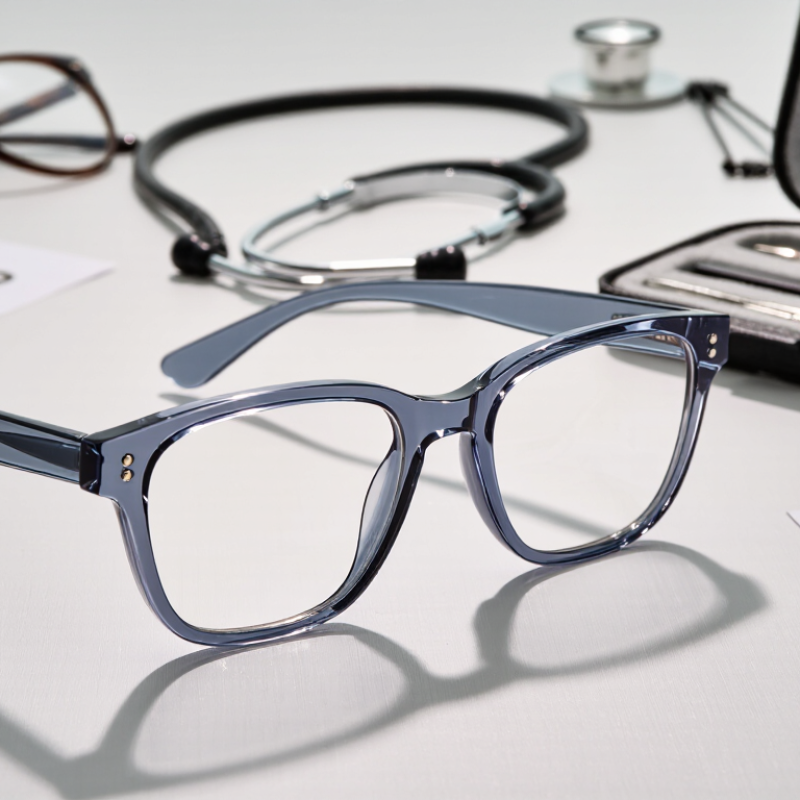
Understanding Lead Glasses and Their Intended Uses
Lead glasses are protective eyewear designed to reduce exposure to scattered X-rays, especially around medical imaging equipment. They are not ordinary glasses or a substitute for room shielding and safe working practices. Their usefulness depends on the lens material, stated lead equivalence, fit, and the type of exposure. Side coverage matters: radiation can reach the eyes from different angles. A pair that slips down the nose may leave gaps, even if its lenses look substantial.
In China, buyers can ask medical imaging equipment suppliers or specialist radiation-protection retailers about suitable options. Request written specifications, including lead equivalence and intended application, and check that product documentation is clear and traceable. Fit the glasses before purchase if possible; prescription needs, nose-bridge comfort, and side protection all affect daily use. Follow your facility’s radiation-safety guidance, since eyewear requirements vary by task. A higher stated value alone does not guarantee the best choice. That part is easy to overlook.
Tips: Inspect frames and lenses regularly for cracks, loose parts, or visible damage. Store them in a protective case, not under heavy equipment. If specifications are unclear, ask a qualified radiation-safety professional before relying on them. I would not assume that one pair suits every procedure.
Finding Medical and Industrial Suppliers in China
Where to Buy Lead Glasses in China?
Finding Medical and Industrial Suppliers in China
When sourcing lead glasses in China, distinguish personal protective eyewear from lead-glass viewing panels. Medical suppliers should provide clear specifications for lead equivalence, lens coverage, weight, and fit. Ask for a current test report from an appropriately accredited laboratory, not only a product brochure. UNSCEAR’s 2008 Report estimated about 3.6 billion diagnostic radiological examinations worldwide each year during 2000–2007. That scale makes consistent quality checks important. A large catalogue alone proves little.
Industrial suppliers may serve radiography facilities that need viewing windows, while medical suppliers often focus on protective eyewear. Confirm the intended use before comparing prices. Request sample measurements, material composition, optical clarity, and test results for the exact model offered. The IAEA’s Safety Guide SSG-46 discusses radiation protection in medical uses and emphasizes risk-based protection planning. Use it as a technical reference, alongside applicable local requirements. A supplier’s own test sheet is only a starting point. It is tempting to choose the lowest quote, but unclear testing and poor fit can make a purchase difficult to assess. Ask how the supplier handles batch records and replacement parts, then review the answers carefully.
Where to Buy Lead Glass in China? — A Key Specification to Compare
Use lead equivalence—not glass thickness alone—when comparing medical and industrial radiation-shielding glass suppliers.
This chart converts lead-equivalence ratings into the theoretical mass per square metre of pure lead, using a lead density of 11.34 g/cm³. It is not a measurement of glass thickness or a performance rating for any product. When sourcing in China, request product-specific lead-equivalence documentation and test reports for the intended X-ray energy and application.
Choosing Between Manufacturers, Distributors, and Online Platforms
Buying lead glasses in China means comparing more than price. The right channel depends on order size, customization, and the technical support you need. For clinics or imaging departments, request the stated lead-equivalent value, lens coverage, frame dimensions, and product test documents. A clear report matters more than a polished listing.
Direct manufacturers can discuss lens shapes, frame options, and repeat orders. They may suit buyers who need several sizes or regular replenishment. Ask whether samples are available and whether the stated protection applies across the lens area. Minimum quantities and production times can be inconvenient. Not every factory responds quickly.
Distributors may offer smaller orders, local-language support, and simpler after-sales service. Confirm stock, return terms, and access to test documents. Online platforms make prices easy to compare, but photos cannot show fit or weight. Read the specifications, then confirm unclear details in writing. A heavy frame may slide during long procedures, while a tight one can pinch. Comfort is easy to overlook. Ask about cleaning guidance and replacement parts before paying.
Checking Product Specifications and Radiation Protection Standards
Where to Buy Lead Glasses in China?
In China, look for lead glasses through medical imaging equipment suppliers, radiation-protection distributors, or specialist optical suppliers serving hospitals and clinics. Ask for a written product specification before ordering. A clear lens can still be wrong for your setup. Check the stated lead equivalence, usually expressed in millimetres of lead, and confirm the X-ray energy range used for testing. Do not rely on vague phrases such as “high protection.” Lens coverage, side protection, weight, and fit also matter. Glasses that slide down during a procedure may leave parts of the face exposed.
Request the test report and confirm that its model matches the glasses being sold. Ask which current Chinese radiation-protection standard and test method apply, and whether the report comes from a qualified testing laboratory. Check visible-light transmission, frame durability, and cleaning instructions as well. These details affect daily use, not just paperwork. If the supplier cannot explain the figures clearly, pause and ask a radiation safety professional to review them. Specifications can be confusing, and I would not treat a sales listing as proof of protection.
Tips:Compare the same lead-equivalence rating across suppliers. Check the fit with your usual mask. Keep the invoice and test documents for later review.
Confirming Pricing, Customization, and Delivery Details
When buying lead glasses in China, compare written quotations, not unit prices alone. Ask for lead equivalence, lens dimensions, frame weight, side coverage, and the test report for the finished product. ICRP Publication 118 gives an occupational eye-lens dose limit of 20 mSv per year averaged over five years, with no single year above 50 mSv. These are exposure limits, not eyewear performance ratings. Request attenuation data for relevant X-ray energies, then assess fit against your actual work setup. Ask whether the quote includes samples, customization fees, packaging, and freight. Details matter.
For customization, specify prescription inserts, nose-bridge adjustment, temple length, and any preferred frame color in writing. Approve a physical sample before production; photographs can hide pressure points and poor side coverage. Ask the supplier to separate sample, production, and transit timelines, and confirm the shipping terms and export documents. Also clarify payment milestones and how defects or delays will be handled. A low quote may omit important costs. That is easy to miss. Compare the final delivered cost and stated specifications, then keep the approved sample or specification sheet for inspection when the order arrives.
Where to Buy Lead Glasses in China? - Confirming Pricing, Customization, and Delivery Details
The figures below are indicative budgeting ranges in CNY per pair, not live supplier quotations. Confirm lead-equivalence test documentation, final specifications, shipping terms, and current pricing directly with the seller.
| Purchasing channel | Typical product / specification to request | Indicative price per pair | Customization to confirm | Typical production time* | Delivery details to confirm |
| Medical radiation-protection supplier | Standard protective eyewear; ask for the stated lead-equivalent value and test report for the lenses and side protection. | ¥200–¥600 | Frame style, fit, nose pads, side shields, case, and packaging. | About 3–10 working days for stocked items. | Check stock location, domestic or international freight, shipping method, and whether duties are included. |
| Protective-equipment manufacturer or factory-direct seller | Wraparound or side-shield design; specify the required lead-equivalence rating and coverage. | ¥350–¥1,000 | Frame color, size, lens shape, logo-free packaging, and order quantity. Ask about minimum order quantity. | About 10–25 working days for made-to-order items. | Request the dispatch date, carton dimensions, tracking, and delivery estimate to your destination. |
| Optical supplier offering prescription options | Prescription protective eyewear; provide the prescription and confirm lens compatibility with the required protection level. | ¥600–¥1,800 | Prescription strength, lens type, frame fit, and any prescription-lens surcharge. | About 15–30 working days, depending on lens processing. | Confirm prescription verification, remake policy, packaging, and whether shipping time is additional. |
| Online industrial or medical-equipment marketplace seller | Compare ready-to-ship models; request product specifications and supporting test documentation before ordering. | ¥180–¥900 | Usually limited to available styles, packaging, and quantity-based pricing. | About 2–10 working days if confirmed in stock. | Check seller location, platform shipping terms, return conditions, and whether the listing price includes tax. |
*Production times are general planning estimates and exclude transit, customs clearance, and delays. Before placing an order, request a written quotation stating the model, lead-equivalence rating, test documentation, quantity, customization, taxes, shipping cost, delivery schedule, and warranty or return terms.





