| Butyl Rubber Waterproof Tape | Butyl rubber adhesive with a polyethylene, aluminum, or fabric backing | Approximately 0.8–2.0 mm | Typically about −20°C to 80°C, depending on formulation | Excellent resistance to rain and moisture when correctly applied | Roof seams, gutters, flashing, pipe joints, window frames, containers, and repair work | Flexible, conformable, solvent-free options available, and effective on many common building materials | Surface must be clean and dry; long-term outdoor performance depends on backing and UV resistance | Best general-purpose waterproofing option |
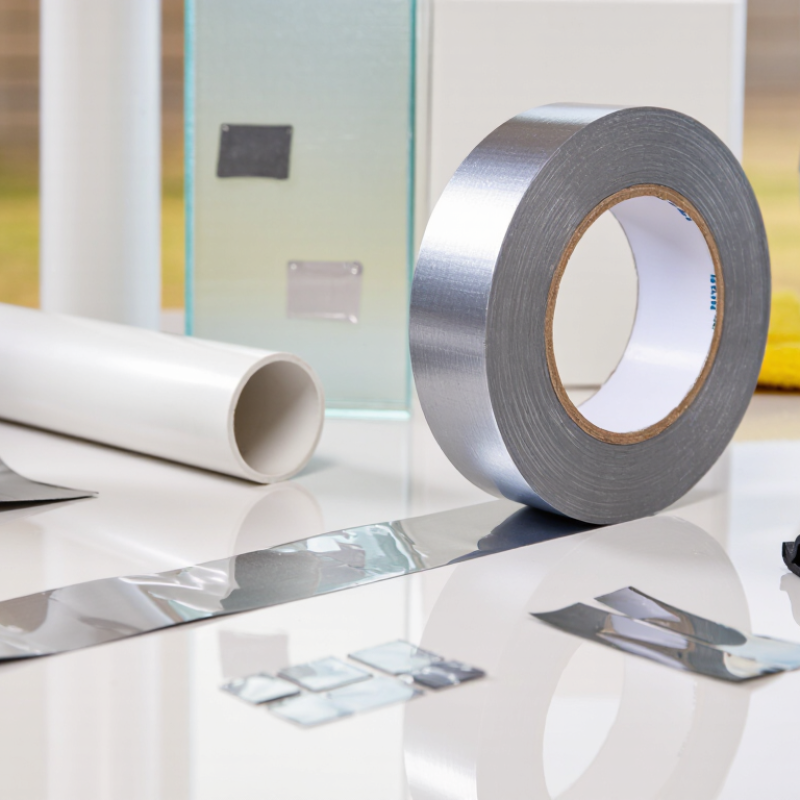
| Aluminum Foil Butyl Tape | Butyl adhesive laminated to aluminum foil | Approximately 0.6–1.5 mm | Typically about −20°C to 80°C | Very good water, vapor, sunlight, and weather resistance | Roof flashing, HVAC duct joints, insulation systems, solar installations, and metal repairs | Reflects sunlight, provides a strong moisture barrier, and offers better UV protection than exposed rubber backing | Foil can crease or tear during installation; limited stretch compared with rubberized tapes | Best for exposed roofs and reflective outdoor repairs |
| Acrylic Foam Mounting Tape | Solid acrylic or acrylic foam adhesive | Approximately 0.4–2.0 mm | Often about −30°C to 90°C or higher, depending on grade | Very good resistance to UV, moisture, and aging after full bonding | Outdoor signs, panels, trim, nameplates, glass, metal, and automotive components | High shear strength, clean appearance, and good resistance to long-term sunlight exposure | Not designed to bridge large gaps; requires smooth surfaces, firm pressure, and adequate curing time | Best for permanent outdoor bonding |
| PVC Electrical Insulation Tape | Flexible PVC backing with rubber-based or acrylic adhesive | Approximately 0.13–0.20 mm | Commonly about −18°C to 80°C | Good protection against moisture for electrical insulation when properly wrapped | Cable insulation, wire bundling, low-voltage electrical repairs, and color coding | Flexible, easy to apply, and available in multiple colors and widths | Not suitable for structural sealing, roof repair, or prolonged immersion; quality varies by grade | Best for electrical moisture protection |
| Duct and Cloth-Backed Waterproof Tape | Polyethylene-coated fabric backing with rubber or synthetic adhesive | Approximately 0.15–0.30 mm | Typically about −10°C to 60°C | Good short-term water resistance; outdoor durability varies significantly by grade | Temporary repairs, packaging, equipment covers, hoses, and general maintenance | Tears easily by hand, conforms well, and provides strong immediate adhesion | Adhesive and fabric may degrade under prolonged UV exposure, heat, or standing water | Best for temporary outdoor repairs |
| Self-Fusing Silicone Tape | Stretchable silicone rubber without a conventional pressure-sensitive adhesive | Approximately 0.5–1.0 mm | Often about −50°C to 200°C, depending on grade | Excellent resistance to water, weather, ozone, and temperature extremes | Emergency hose repairs, cable sealing, marine maintenance, and high-temperature applications | Highly elastic, electrically insulating, and able to form a tight fused seal around irregular shapes | Requires stretching during installation and usually cannot be repositioned after fusion | Best for flexible, high-temperature, or emergency sealing |
| EPDM Rubber Flashing Tape | EPDM rubber membrane with acrylic, butyl, or rubber adhesive | Approximately 0.8–1.5 mm | Commonly about −40°C to 100°C | Excellent resistance to UV, ozone, rain, and outdoor aging | Window and door flashing, roofing details, building envelopes, and vehicle sealing | Durable rubber membrane, good flexibility, and strong long-term outdoor performance | Higher cost than basic cloth tape; adhesive compatibility must be checked for plastics and painted surfaces | Best for long-term building-envelope sealing |