


Choosing the right Safety Hand Gloves begins with the hazard, not the product label. A sharp metal edge, corrosive liquid, hot surface, or vibrating tool demands a different protective response. Common categories include cut-resistant, chemical-resistant, impact-resistant, thermal, disposable, and electrical-insulating gloves. Each category serves a specific purpose.
The International Labour Organization estimates that nearly 2.78 million workers die from work-related causes annually. It also reports about 374 million nonfatal occupational injuries and illnesses each year. These figures show why hand protection deserves careful attention. The U.S. Bureau of Labor Statistics continues to identify hand and finger injuries among frequent workplace injuries requiring medical treatment or missed work. Market research supports the same concern. Grand View Research reports continued growth in the industrial protective gloves market, driven by manufacturing, healthcare, construction, and chemical processing.
John Howard, former director of the National Institute for Occupational Safety and Health, has described personal protective equipment as “the last line of defense.” That warning matters. Gloves should not replace machine guarding, safe procedures, ventilation, or worker training. They support those controls.
A thicker glove is not always safer. It may reduce grip, finger movement, or touch sensitivity. Small details matter, such as a torn fingertip, wet palm, or loose cuff. This guide examines the major types of Safety Hand Gloves, their materials, strengths, limitations, and practical applications. Some choices remain imperfect. The best glove is the one that matches the hazard and still allows the worker to perform the task safely.
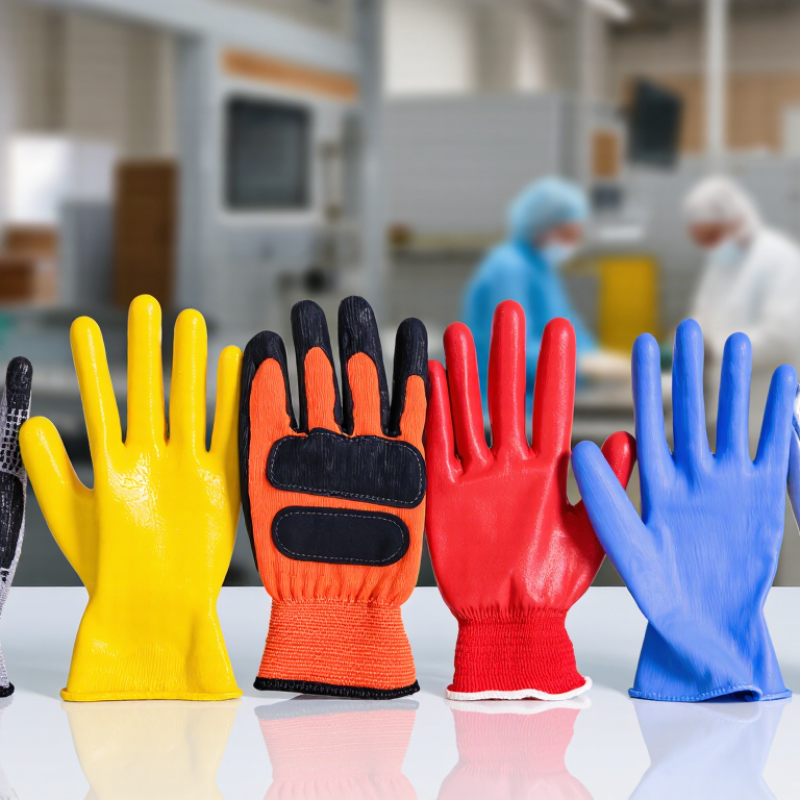
Safety hand gloves are personal protective equipment designed to reduce contact between workers’ hands and specific workplace hazards. Their purpose is not simply to make work feel safer. A glove must match the risk, task, and exposure time.
Common types include cut-resistant gloves for sheet metal and glass, chemical-resistant gloves for solvents and corrosive liquids, and heat-resistant gloves for welding or hot surfaces. Impact-resistant gloves protect the knuckles during material handling. Electrical insulating gloves help control shock hazards, while disposable gloves limit contamination during medical, laboratory, and food-related work. Each type uses different materials and performance standards. EN 388 evaluates mechanical risks, while ISO 374 addresses chemical protection.
Fit matters greatly. OSHA training materials have often cited that about 70% of reported hand injuries involve workers who were not wearing gloves. This figure should not become a careless slogan; workplace conditions differ, and glove use alone cannot prevent every injury. A loose glove may catch on rotating equipment. A damaged glove may provide false confidence. The uncomfortable truth.
A reliable selection process starts with hazard assessment, safety data sheets, and manufacturer test results. Inspect gloves before each shift, especially around fingertips, seams, and cuffs. Replace them after contamination, tearing, or loss of grip. Workers should also receive practical training, because even excellent gloves fail when they are removed for convenience or worn for the wrong task.
| Glove Type | Common Construction or Material | Primary Protection | Typical Applications | Key Limitations | Selection Considerations |
|---|---|---|---|---|---|
| General-Purpose Work Gloves | Knitted textile, coated fabric, leather, or synthetic blends | Basic protection from dirt, abrasion, minor cuts, and handling friction | Material handling, warehousing, assembly, landscaping, and maintenance | Protection varies widely; they may not protect against chemicals, severe impact, or high heat | Match the glove to the task, required dexterity, grip, fit, and expected exposure |
| Cut-Resistant Gloves | High-performance fibers, engineered yarns, or cut-resistant liners with polymer coatings | Protection from sharp edges, blades, sheet metal, glass, and similar hazards | Metal fabrication, glass handling, food preparation, construction, and automotive work | Cut resistance does not automatically provide puncture, impact, chemical, or heat protection | Review the applicable cut-resistance rating and choose the required level for the hazard |
| Puncture-Resistant Gloves | Dense woven fibers, reinforced liners, or layered protective materials | Resistance to penetration from needles, wires, splinters, and pointed objects | Waste handling, recycling, construction, veterinary work, and industrial inspection | Resistance to pointed objects may differ from resistance to sharp-edged blades | Identify whether the hazard is a needle-like point or a cutting edge, then select the correct rating |
| Impact-Resistant Gloves | Textile or synthetic gloves with thermoplastic rubber or other protective back-of-hand panels | Protection from knocks, crushing forces, and impacts to the fingers and back of the hand | Oil and gas operations, construction, heavy maintenance, and material handling | Impact panels may reduce flexibility; they do not necessarily provide cut or chemical protection | Check coverage of the fingers, knuckles, and back of the hand, as well as grip requirements |
| Chemical-Resistant Gloves | Rubber, nitrile, neoprene, PVC, butyl, or laminated barrier materials | Protection from selected liquids, solvents, acids, alkalis, and other hazardous chemicals | Laboratories, cleaning, chemical processing, agriculture, and industrial maintenance | No single material resists every chemical; permeation and degradation can occur without visible damage | Consult chemical-resistance data for the exact substance, concentration, temperature, and exposure time |
| Disposable Examination Gloves | Thin nitrile, latex, or vinyl | Short-duration protection against contamination and contact with low-risk substances | Healthcare, food handling, cleaning, personal care, and light laboratory tasks | Limited durability and resistance to puncture, abrasion, aggressive chemicals, and prolonged exposure | Use the correct size, replace gloves when damaged or contaminated, and avoid treating them as universal protection |
| Heat-Resistant Gloves | Aramid fibers, leather, aluminized fabrics, treated textiles, or insulated multilayer materials | Protection from contact heat, radiant heat, sparks, and limited thermal exposure | Welding, metalworking, foundries, glasswork, baking, and work near hot equipment | Temperature performance depends on contact time and heat type; they may not resist chemicals or sharp edges | Choose gloves rated for the specific thermal hazard and never use them near heat beyond their stated capability |
| Cold-Insulated Gloves | Layered synthetic insulation, fleece, wool, leather, or waterproof outer materials | Protection from cold environments, chilled materials, wind, and some moisture | Cold storage, winter construction, outdoor work, refrigeration, and logistics | Bulky insulation can reduce dexterity; wet or compressed insulation may lose thermal performance | Consider ambient temperature, moisture, duration, dexterity, and whether the hazard involves cryogenic liquids |
| Electrical-Insulating Rubber Gloves | Tested insulating rubber, often used with protective leather outer gloves | Protection against electric shock when working within the glove’s rated voltage class | Electrical installation, utility maintenance, testing, and energized-work procedures | They require inspection and electrical testing; punctures, cuts, contamination, and aging can compromise protection | Use only gloves with the appropriate voltage rating and follow the applicable electrical safety procedures |
| Welding Gloves | 厚 leather or heat-resistant leather with reinforced seams and extended cuffs | Protection from sparks, spatter, moderate heat, abrasion, and brief contact with hot materials | Arc welding, gas welding, cutting, brazing, and metal fabrication | They may reduce fine dexterity and are not a substitute for chemical-resistant or electrical-insulating gloves | Select the style and insulation for the welding process, heat level, required dexterity, and cuff coverage |
| Anti-Static or ESD Gloves | Conductive or dissipative fibers blended into lightweight textile or coated gloves | Helps control electrostatic discharge and reduces contamination from skin oils | Electronics assembly, clean manufacturing, device handling, and static-sensitive work areas | They do not protect against electric shock and require a properly grounded ESD control system | Verify surface resistance, grounding requirements, cleanliness, and compatibility with the work environment |
| Vibration-Reducing Gloves | Gloves with padded or specialized palm materials designed to reduce transmitted vibration | May reduce some hand-arm vibration exposure during tool operation | Use of grinders, sanders, drills, impact tools, and certain powered equipment | They cannot eliminate vibration risk and may not provide adequate protection for every frequency or tool | Use with equipment controls, exposure-time limits, maintenance, and a complete hand-arm vibration program |
| Purpose of safety hand gloves: Safety gloves are selected to reduce specific hand hazards such as cuts, punctures, chemicals, heat, cold, impact, contamination, or electrical contact. No glove protects against every hazard, so the material, rating, fit, condition, and task requirements must be evaluated together. | |||||

What Are the Types of Safety Hand Gloves?
Main Types of Safety Hand Gloves by Protection Level
Safety gloves should match the hazard, not just the job title. Basic handling gloves protect against dirt, light abrasion, and rough surfaces. They suit warehouse packing, assembly, and general maintenance. However, they are not designed for sharp edges or strong chemicals. Fit matters. Loose cuffs can catch on moving equipment, while tight fingers reduce control.
Cut-resistant gloves provide higher protection for sheet metal, glass, and sharp components. Their performance is commonly shown through recognized test ratings. Puncture-resistant gloves help against nails, wires, and pointed tools, but they may not stop fine needles. Impact gloves add padding across the knuckles and fingers. They are useful when tools or materials may strike the hand. Check the label carefully.
Chemical-resistant gloves require closer attention. The material must match the specific chemical, contact time, and temperature. A glove that resists one substance may fail against another. Thermal gloves protect from heat, cold, or brief contact with hot surfaces. Electrical-insulating gloves are specialized products and need inspection, testing, and correct storage. Never treat ordinary rubber gloves as electrical protection. A simple workplace check helps: inspect seams, fingertips, and palm coating before use. Replace damaged gloves immediately. Even careful choices can be imperfect. Protection ratings support judgment, but they cannot replace hazard assessment, training, and proper handwashing.
Safety hand gloves are defined largely by their construction materials. The 2023 Global Protective Gloves Market report estimated the sector at more than USD 24 billion. It also identified manufacturing, healthcare, and construction as major demand areas. These figures reflect a practical fact: one glove material cannot solve every hand hazard.
Nitrile offers strong resistance to oils, punctures, and many common chemicals. It is often chosen for workshop and laboratory tasks. Latex provides excellent elasticity and tactile sensitivity, but natural rubber proteins may cause skin reactions.
Neoprene handles moisture and selected chemicals better than many general-purpose coatings. PVC remains useful in wet, low-cost applications, although it can feel stiff in cold conditions. Polyurethane coatings are thin and flexible. They suit precision assembly, but they provide limited protection against heavy cuts.
For cut resistance, manufacturers may combine aramid, high-performance polyethylene, or engineered mineral fibers with protective coatings. Leather still performs well against abrasion, sparks, and rough surfaces. However, it absorbs moisture and may become rigid after drying. The U.S. Bureau of Labor Statistics continues to list hand and finger injuries among common recordable workplace injuries, supporting careful material selection rather than simple glove substitution. ANSI/ISEA 105 and EN 388 test cut, abrasion, tear, and puncture performance, but test results do not perfectly represent every job. A glove can pass laboratory testing and still fail when the fit is poor, the coating is damaged, or workers remove it for comfort. Material choice needs regular review.
What Are the Types of Safety Hand Gloves?
How to Match Gloves with Workplace Hazards
Choosing gloves starts with the hazard, not the color or thickness. The U.S. Bureau of Labor Statistics’ 2022 injury data placed hand and wrist cases at roughly one-tenth of cases involving days away from work. That figure is easy to overlook. A glove may prevent one injury while creating another through poor grip or restricted movement.
For sharp edges, glass, and sheet metal, cut-resistant gloves are appropriate. Check the cut level under EN 388, then confirm the material suits the task. For solvents, acids, or cleaning chemicals, chemical-resistant gloves should follow ISO 374 testing data. Nitrile, neoprene, and laminated materials do not resist every substance equally. Read the safety data sheet, because a familiar chemical can still damage the glove quickly.
Heat work needs thermal gloves with a rated temperature range. Impact gloves help during handling tasks, but they do not replace cut or chemical protection. Disposable gloves suit light contamination control, not heavy mechanical work. OSHA 1910.138 requires employers to select protection according to specific hazards and workplace conditions. In practice, observe the task closely: oily handles, sharp corners, sweat, and repeated flexing can change performance. The label is not enough. A glove can pass a laboratory test and still fail during a rushed shift. Worker feedback should influence the final choice, even when it challenges the original assessment.
Safety gloves protect against cuts, punctures, chemicals, heat, impact, and contamination. Select them after identifying the actual hazard, not merely the job title. Cut-resistant gloves suit sharp sheet metal, while chemical-resistant gloves require compatibility with the specific substance. Heat-resistant gloves need a stated temperature rating. Disposable gloves help control contamination but offer limited protection against sharp tools.
Proper use starts with clean, dry hands and the correct size. A loose cuff may catch on rotating equipment. A tight glove can restrict movement and cause early fatigue. Fit matters. OSHA cites data suggesting that 70.9% of hand injuries could have been prevented with suitable hand protection. The Bureau of Labor Statistics recorded 2,607,900 nonfatal workplace injuries and illnesses in private industry during 2023, showing why routine PPE checks still matter. These figures do not prove every injury was preventable, but they demand careful judgment.
Inspect gloves before each shift. Look for pinholes, torn seams, hardened areas, discoloration, and embedded metal fragments. Wash reusable gloves according to their care instructions, then dry them fully away from direct heat. Never store damp gloves inside a sealed locker. Replace chemical gloves after contamination, even when damage is invisible. Replace cut-resistant gloves after serious cuts or stretched fibers. Replace them. A glove can look acceptable and still lose protection after repeated washing, abrasion, or chemical exposure. Workers sometimes keep familiar gloves too long; that habit deserves honest review. Record replacement dates when the task is high-risk.
Proper use, care, and replacement of protective gloves
Leather gloves are commonly selected for general abrasion and handling tasks. Nitrile-coated gloves can improve grip and resistance to oils, while cut-resistant gloves are designed for sharp-edge hazards. Chemical-resistant gloves should be chosen according to the specific chemical and its breakthrough data. Electrical insulating gloves require the correct voltage class and formal inspection procedures.
The chart shows the number of performance levels used by common EN 388 mechanical-protection tests. A higher rating does not make one glove suitable for every hazard; always match the glove material and certification to the task.
Standards referenced: EN 388:2016+A1:2018 and ISO 13997 cut-resistance classification.


For those larger-sized parts, or smaller quantity runs, we have 2 independent powder coat booths and ovens. The quality, durability and affordability of today’s powder coating finishes make this the process of choice for world-class companies.
Powder coating advantages over other forms of coating are many. Materials used in the Powder coating process can be metals and non-metals that come in a multitude of thicknesses, textures, colors, etc. Another of Powder coating’s biggest advantages over conventional coatings is its ability to create finishes in many different textures. Powder Coating Booths allow us the ability to apply these advantages to large products.
Tri-State Fabricators runs a full-service conveyor line for painting. Wet painting can provide protection or decoration to many different part styles. From start to finish, every project is easier to undergo random and point-based inspection by our skilled painting team.
Advantages to our Wet Paint Line are these lines start with product prep and ends with a thorough inspection of a high quality finished product. Our ability to complete large and small projects with a superior finish and doing so in a timely and economical fashion. This passes along the savings in production to our customers. When powder coating ins not an option, our Wet Paint Line gets the job done right the first time.
When the parts get big and heavy we roll-out our custom paint racks and oversize booth. By utilizing our partnerships with all the major paint brands, we can match virtually any color with wet paint.
The advantages of having access to a Wet Paint Booth are many. Large projects of many different shapes can be loaded into the booth. The Wet Paint Booth offers an environment that is much more controlled than a typical parts painting operation.
Not only are they used because of their controlled environment, but they’re are also advantageous when it comes to applying paint to parts that are needed in industries that require specialty coatings such as medical, aerospace, etc.
Our military forces have some very high standards when it comes to the finish of their vehicles and equipment. From the first pre-treatment step to final coat, it takes a great deal of knowledge and experience to protect the men and women of our armed forces. They deserve only the best, and Tri-State Fabricators provides it.
All of our processes are closely monitored by our staff and management teams. Both of which are highly trained in the processes of metal fabrication and finishing. Tri-State Fabricators’ goal is to always fully satisfy each and every customer, including the military. We will always put a 110% into what we do.
Abrasive media blasting is an excellent way to remove old paint, rust, and increase the paint/powder adhesion. Glass beads produce a much smoother and brighter finish than angular abrasives; leaving the part clean yet without any dimensional change. Chemically inert and environmentally friendly, we can recycle our beads approximately 30 times; making them a more preferred method of metal cleaning or surface finishing.
Advantages to Glass Bead Blasting are many. Glass bead blast media is used when a project is needing rough surfaces need to become smooth for applications of coatings such as paint. It is typically used to clean paint and rust from a product surface without deforming the surface it is being used on. Overall, compared to many other blasting media, Glass Bead Blasting is a very economical choice and those savings are always passed on to our customers.
Tri-State Fabricators utilize a zinc phosphate wash to clean and etch the material to ensure the best paint adhesion possible. The unique design of our 3-stage wash system does the work like a 5-stage. From Cleaning and rinsing to conversion coating and post-treatment, Our Part Washing process is a complete service and works throughout the fabrication service and the finishing service.
Along with the previously mentioned benefits, Curing is a vital chemical reaction that leaves the product finish hard and relatively safe from mild abrasion and aggressive corrosion. This process can be done in more than one way; ambient air-dry or in curing ovens at temps that exceed 240°.
From fixing paint mistakes (someone else’s of course) to simply cleaning our paint line hooks, our burn-off oven is put to good use. After a quick burn-off, a little clean up, and a fresh coat of paint, your parts will look better than new.
Why does our Burn-Off Oven work so well? Because super heating the air around parts turns the materials into ashes. From paint and powder coatings to rubber and machining oils, high temps do the job without degrading the integrity of the part.
Masking is a vital part of producing high quality products. We have die-cut masking patterns to protect machined surfaces as well as a wide range of plugs and caps to protect threaded holes and bolts. We provide permanent and temporary masking.
Masking allows the selected sections of a product to be protected from a fabrication or finishing service. This can be with both chemicals when etching and tapes, paints when only finishing just a section of the product. Masking is great in aiding the customization process of a project.
Screen printing is a photographic process that transfers artwork onto a porous nylon screen which allows colored ink to flow through the screen and be deposited on an aluminum or plastic component. We can generally have just about any design created onto a screen for your parts.
Some of the advantages of Screen Printing are, brand recognition for your business displaying on your products, assembly instructions, product warnings/hazards, etc. Tri-State Fabricators produces Screen Printing of the highest quality so you know it’s durable.
Metal Finishing is the art of treating the exterior portion of product, often metal but can also be made of other materials, so that the surface is clean and free of any debris. Then the process of applying coats or either paint of powder coat takes place. This coating process improves the quality of the product in both appearance and resistance to wear and corrosion.
Tri-State Fabricators, Inc., understands that a project typically isn’t complete until a high-quality finish has been added to your product. This is why our painting and powder coating teams continuously inspect the products throughout the Metal Finishing process.

