What is a Well Control Box and How to Choose the Best One?
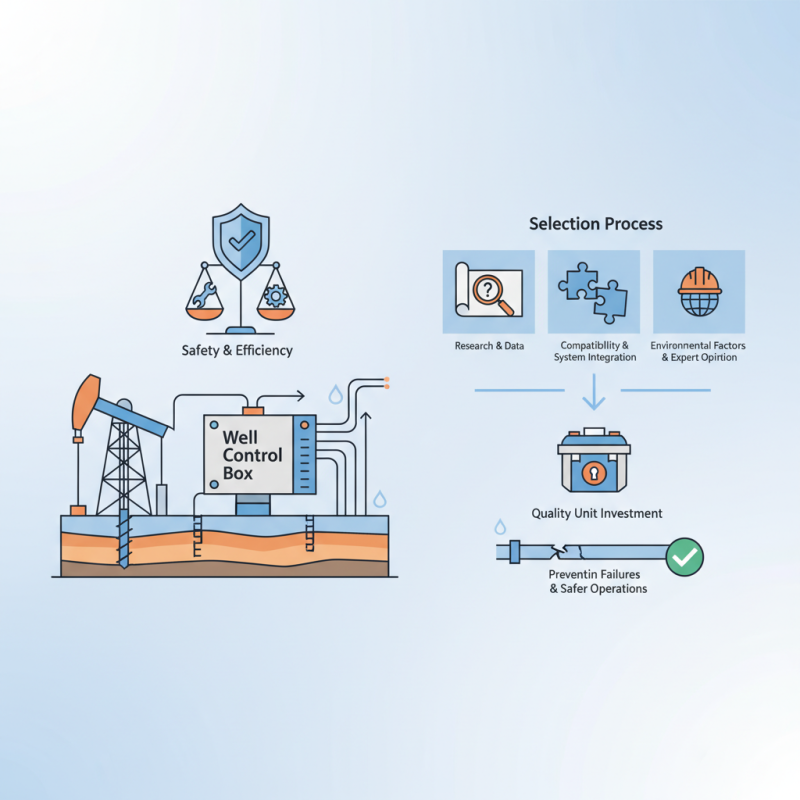
In the oil and gas industry, the Well Control Box is a critical tool for maintaining safety and efficiency. It helps manage pressure and fluid flow during drilling operations. Choosing the right Well Control Box is essential for preventing blowouts and other hazards on the site. With so many options available, it can be overwhelming to select the best one.
A Well Control Box should meet specific standards and functionalities. It needs to be reliable and easy to operate. Many factors play a role in this decision, including compatibility with existing systems and the environment in which it will be used. It’s crucial to rely on expert opinions and data when making this choice.
Reflecting on these elements can save time and resources. A poorly chosen Well Control Box can lead to operational failures. Thus, investing in a quality unit is paramount. Proper research and understanding will ultimately lead to safer drilling operations.
Definition and Purpose of a Well Control Box
A well control box is a crucial tool in drilling operations. It helps manage pressure in wells to prevent blowouts. The box contains various components that monitor and control the well's pressure. Understanding its definition and purpose is essential for safe drilling practices.
The primary function of a well control box is to ensure the stability of the well. If there is an unexpected pressure surge, the box allows operators to respond quickly. It prevents the uncontrolled release of gases or liquids from the well. This feature is vital for protecting both and equipment. A well-designed control box provides real-time data. This data enhances decision-making throughout the drilling process.
Choosing the best well control box involves careful consideration. Factors such as the specific drilling environment and operational needs must be assessed. It is crucial to look at the materials used in the box's construction. A durable yet lightweight option often works best. Reflecting on past experiences can guide these choices. Operators must remember that every well is unique. Therefore, a one-size-fits-all approach may not work.
Key Features to Consider When Choosing a Well Control Box
When selecting a well control box, understanding its key features is essential. Look for a sturdy design and reliable components. A well-constructed box withstands tough environments. Durability can save you costs in the long run. Also, ensure the box has appropriate connections to suit your needs.
Integration is crucial. A versatile well control box should support different systems. Compatibility with existing equipment saves time and avoids frustration. Moreover, pay attention to user-friendly interfaces. A clear design helps operators respond quickly in emergencies.
**Tip:** Always ask for specifications. Requesting documentation ensures you know what you're getting.
Safety features can’t be overlooked. Effective alarms and automatic shut-off mechanisms are vital. They offer peace of mind in critical situations. However, remember that no system is perfect. Regular testing and training are necessary.
**Tip:** Invest in training for all users. Proper training can avoid potential disasters.
Choosing the right well control box is more than just the initial cost. Consider long-term benefits and reliability. A thoughtful approach can enhance operational safety.
Types of Well Control Boxes and Their Applications
Well control boxes are crucial in oil and gas extraction. They manage pressure and prevent blowouts. Understanding their types helps in making informed choices.
There are various types of well control boxes. The most common are the manual control boxes, which provide operators direct access to critical functions. Automated control systems follow, offering advanced monitoring capabilities. According to industry reports, automated systems can reduce human error by up to 75%, enhancing safety and efficiency.
Tips: Always consider the well type when selecting a control box. For offshore drilling, a robust, weather-resistant box is essential. In harsh environments, ensuring compliance with safety regulations is non-negotiable.
Frequently, companies underestimate the importance of training for operators. Well control systems are complex. Proper training leads to fewer mistakes and safer operations. When in doubt, consult with industry experts before making a decision.
Factors Influencing the Cost of Well Control Boxes
Choosing a well control box is crucial for safe drilling operations. Several factors influence its cost, making it essential to understand these elements. The initial cost often reflects the quality and features of the well control box. Cheaper options may lack essential safety features, which could compromise effectiveness.
Material quality is a significant factor. High-quality materials ensure durability and reliability. However, these materials can increase the overall price. Additionally, design complexity may impact cost. A more sophisticated design can enhance functionality, but it might not always be necessary for every operation.
Don’t overlook maintenance costs either. Some boxes require regular servicing, which adds to long-term expenses. Evaluate your needs carefully. Sometimes, spending more upfront leads to lower risks and fewer accidents. However, it's worth reflecting on whether the features justify the higher price. Balancing safety, functionality, and cost is key to making a wise choice.
Maintenance and Safety Practices for Well Control Boxes
Maintenance and safety practices for well control boxes are critical in ensuring operational efficiency. Regular inspections are necessary to identify wear and potential failures. Research from the International Association of Oil & Gas Producers indicates that 65% of incidents could be mitigated through proper maintenance schedules. Each component of the box must be regularly serviced and tested to maintain its reliability.
Training is another crucial aspect. Operators should undergo comprehensive training programs that cover emergency procedures and equipment handling. A report by the American Petroleum Institute highlights that 80% of well control incidents arise from human error. Implementing rigorous training guidelines can significantly decrease these numbers.
Proper documentation of maintenance activities can enhance safety protocols. Having a clear log allows for easy tracking of service history. Regular audits of these records help identify trends or recurring issues. This proactive approach fosters a culture of safety and accountability, which is essential in high-risk environments. Addressing these concerns helps create a safer workplace, but it requires ongoing commitment.