What is Water Treatment Plant Equipment and How Does It Work?
Water Treatment Plant Equipment plays a crucial role in maintaining public health and environmental sustainability. According to Dr. Emily Harper, a leading expert in water management, "Effective water treatment is essential for safe drinking water." This highlights the importance of the right equipment in the treatment process.
Water treatment plants utilize various equipment, including filtration systems, chemical dosing units, and disinfection mechanisms. Each component must work seamlessly to ensure water is clean and safe. The complexity of these systems can be overwhelming, leading to potential oversights in their operation and maintenance. It is essential that operators continuously monitor equipment performance to remedy any inefficiencies.
Despite advancements in technology, challenges remain in the water treatment industry. Aging infrastructure and limited budgets can hinder effective management. Experts suggest that investing in modern Water Treatment Plant Equipment is vital for future-proofing these facilities. Thoughtful upgrades not only improve efficiency but also enhance public confidence in water safety. The conversation around water treatment should always remember that reliable equipment is the backbone of clean water access.
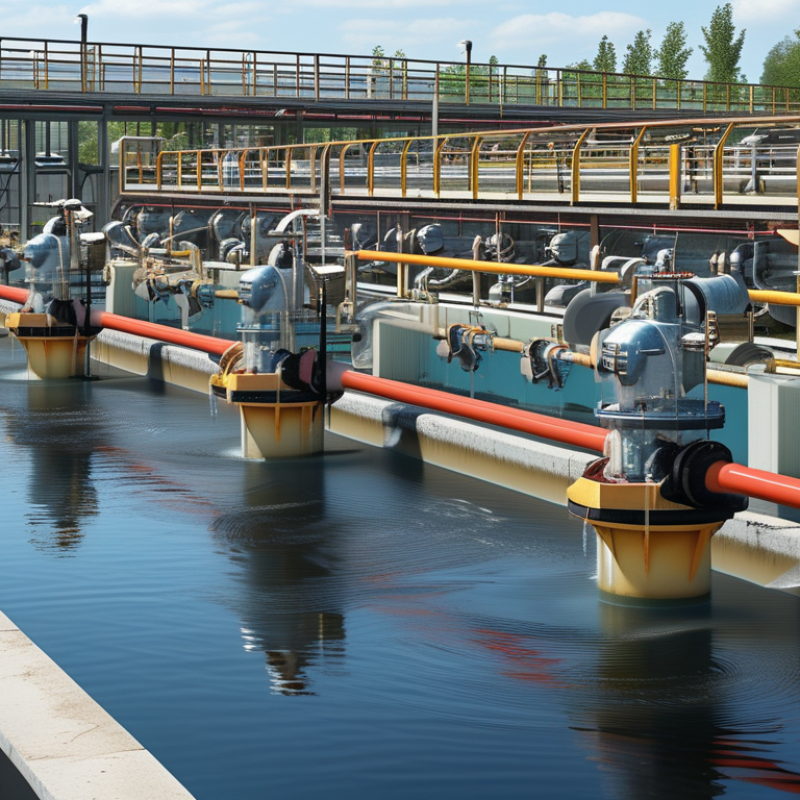
What is Water Treatment Plant Equipment?
Water treatment plant equipment plays a crucial role in ensuring clean and safe water for communities. This equipment includes various systems that remove contaminants from water sources. Key components involve filtration, sedimentation, and chemical treatment processes. Each part works together to improve water quality.
Filtration systems strain out particles and impurities. They can range from simple gravel filters to complex membrane technologies. Sedimentation allows heavier particles to settle at the bottom of tanks. This process helps clarify water before further treatment. Chemical treatments often use agents to neutralize toxins and kill bacteria.
The effectiveness of this equipment can vary based on design and maintenance. Regular inspections are critical. Outdated systems might not address all contaminants effectively, leading to water safety issues. Keeping up with technology advancements can enhance treatment outcomes, but budget constraints often pose challenges. Continuous improvement and adaptation are necessary for optimal water quality management.
Key Components of Water Treatment Facilities
Water treatment facilities are complex systems designed to purify water for consumption and use. Each facility relies on several key components to ensure the process is efficient and effective. These components include screening systems, sedimentation tanks, filtration units, and disinfection systems.
Screening systems remove large debris, like sticks and leaves, before the water moves further in the treatment process.
Sedimentation tanks allow heavier particles to settle at the bottom. This step is crucial. It may seem simple, but failing to remove sediments adequately can compromise water quality.
Filtration units then capture smaller particles and impurities. Common methods include sand filters and activated carbon, each having unique benefits.
Disinfection systems, often using chlorine or ultraviolet light, target harmful microorganisms. This step can be viewed as the final defense in ensuring safe drinking water. However, it raises questions about the potential formation of harmful byproducts.
Continuous evaluation is crucial to balance safety and efficiency in water treatment processes.
How Water Treatment Equipment Functions Together
Water treatment equipment plays a crucial role in ensuring that municipal and industrial water systems function effectively. Each component is vital for the overall process of purifying water. For instance, sedimentation tanks remove larger particles through gravity. As water flows slowly through these tanks, solids settle at the bottom. This simple mechanism forms the foundation of initial water treatment.
Filtration systems follow sedimentation. They capture finer particles and impurities. Advanced technologies, such as membrane filtration, can eliminate pathogens and contaminants. In fact, according to a 2022 report by the American Water Works Association, over 70% of water treatment plants in the U.S. now utilize some form of filtration technology. This shift highlights a trend toward enhanced purification standards.
Chemical treatment is another essential component. Chlorination and ozonation are common methods used to disinfect water. While effective, they require precise dosages to avoid harmful byproducts. Ensuring the right balance can be a challenge for many facilities. The interplay of these systems is complex but necessary. Each piece must operate optimally to produce safe drinking water, reflecting the importance of coherent interaction among water treatment processes.
Processes Involved in Water Purification
Water purification is a critical process that ensures safe drinking water. Various processes are involved in transforming raw water into potable water. Filtration is an essential step, where contaminants are removed using sand, charcoal, and membrane filters. According to the World Health Organization, about 2 billion people lack access to safely managed drinking water. This highlights the urgency of effective water treatment.
Another key process is coagulation. During coagulation, chemicals are added to the water to form clumps of particles. These clumps, or flocs, then settle out of the water, making it clearer. Studies indicate that effective coagulation can reduce particles by up to 90%. However, challenges like controlling pH levels and selecting the right coagulants remain. Each water source has unique characteristics that can complicate this process.
Disinfection follows coagulation to eliminate harmful pathogens. Chlorination is a common method, but alternative disinfection methods like UV treatment are gaining popularity. The Federal Environmental Agency reports that 80% of waterborne diseases could be prevented with improved disinfection practices. Despite advancements, many plants face operational hurdles, such as aging infrastructure and the need for skilled staff. Addressing these issues remains vital for enhancing water safety worldwide.
Maintenance and Upkeep of Treatment Plant Equipment
Maintenance and upkeep of treatment plant equipment are crucial for efficient water purification. Regular checks help prevent equipment failure. This ensures that the plant operates smoothly and meets water quality standards. Equipment such as pumps, filters, and chemical dosing units require ongoing inspections. Each component should be evaluated for wear and tear to catch issues early.
Consider scheduling monthly maintenance tasks. This includes cleaning filters and checking pump connections. Regular audits can identify potential problems before they escalate. It's important to document all maintenance activities. This builds a reliable reference for future maintenance and can help new technicians understand the plant's needs.
Plant operators should be trained in equipment handling. This increases safety and efficiency in operations. Encourage staff to report any irregularities. Quick responses can save costly repairs. Consistency is key. Even small issues can lead to bigger failures if ignored. Cultivating a proactive maintenance culture will enhance equipment lifespan and reliability.





