What is a Water Ring Vacuum Pump and How Does it Work?
Water Ring Vacuum Pumps are essential equipment in various industries, providing reliable vacuum solutions. They operate using a unique mechanism that combines water and air. According to a recent market report, the global vacuum pump market is projected to reach $5 billion by 2026, highlighting the increasing reliance on systems like the Water Ring Vacuum Pump.
These pumps are particularly valued for their efficient performance in wet conditions. Industries including chemical processing, pharmaceuticals, and food production utilize them regularly. Their ability to maintain continuous operation without the risk of burning out is advantageous in diverse applications. Some reports emphasize that Water Ring Vacuum Pumps can achieve vacuum levels up to 29 inches Hg, making them suitable for demanding tasks.
However, users must also consider their limitations. For instance, the efficiency of water usage can vary based on the application. In some scenarios, excessive water consumption raises operational costs. Moreover, they may require regular maintenance to ensure optimal performance. Understanding these aspects is critical for anyone considering the integration of a Water Ring Vacuum Pump into their operations.
What is a Water Ring Vacuum Pump?
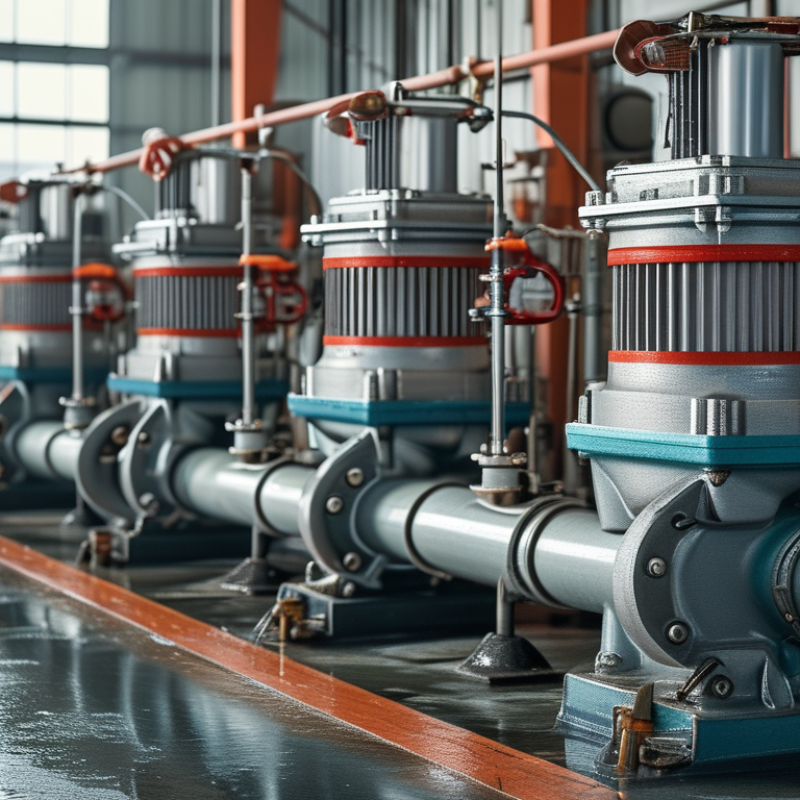
A water ring vacuum pump is a specialized device designed for creating a vacuum through the use of water. These pumps utilize a rotating impeller, which creates a water ring inside the pump casing. As the impeller spins, it draws water into the casing, forming a ring that helps in trapping air and gases. The design is simple yet effective, making it a popular choice for various industrial applications.
In operation, the water ring helps to seal and create a low-pressure environment. This type of pump can efficiently handle gases and vapors, making it suitable for processes like distillation and drying. However, not all gases are ideal for this pump type. For instance, gases with heavy particulate matter can affect its performance. Users should carefully assess their needs before choosing this pump.
It's also crucial to maintain the water level within the system. Insufficient water can lead to reduced efficiency. Monitoring the temperature and quality of the water is important, too. Sometimes, users overlook these maintenance aspects, which can lead to issues over time. Investing in regular check-ups can help keep the pump functioning at its best.
Principle of Operation of Water Ring Vacuum Pumps
Water ring vacuum pumps operate on a unique principle. They use water as a working fluid to create a vacuum. This mechanism is efficient and simple, making it a popular choice in various industries. As the pump rotates, water forms a ring against the casing. This ring modifies the space within the pump, allowing gas to be drawn in.
The efficiency of water ring vacuum pumps is often highlighted in industry reports. According to a study by the International Vacuum Society, these pumps can achieve vacuum levels as low as 0.5 torr. This efficiency is commendable, especially for processes requiring consistent vacuum levels. The water's ability to seal the pump's internal space helps in maintaining performance.
However, there can be challenges. Water consumption can be significant in continuous operations. Excessive water use may raise operational costs and environmental concerns. Additionally, if water quality is poor, it can lead to wear and reduced lifespan of the pump components. Regular maintenance is crucial for optimal performance and longevity, highlighting the need for reflection on operational practices.
Key Components of a Water Ring Vacuum Pump
Water ring vacuum pumps are essential in various industrial applications. Their operation relies on specific components that ensure effective performance. The primary parts include the pump casing, water ring, impeller, and discharge port.
The pump casing forms the outer structure. It houses the rotating elements. The water ring, created by the motion of the impeller, acts as a sealing element. This ring helps in creating a vacuum by trapping gas between the impeller blades. Research indicates that water ring vacuum pumps can achieve pressures down to 0.1 Torr. This makes them suitable for applications where low pressure is critical.
The impeller is vital for generating motion. Its design directly influences the vacuum level. Poor impeller design can lead to decreased efficiency. The discharge port allows the exhausted gases to exit the system. Maintaining these components is crucial. According to industry reports, every 1% reduction in efficiency can lead to significant cost increases over time. Regular maintenance and inspection can prevent unexpected failures and enhance reliability.
What is a Water Ring Vacuum Pump and How Does it Work? - Key Components of a Water Ring Vacuum Pump
| Component | Description | Function |
| Impeller | A rotating component that creates a vacuum by accelerating fluid. | Generates the necessary pressure difference for vacuum creation. |
| Liquid Ring | A film of liquid that forms a ring around the impeller. | Helps to seal the pump and maintain vacuum levels. |
| Pump Body | The main casing that houses the impeller and liquid ring. | Provides structural support and contains the working fluid. |
| Inlet/Outlet Ports | Openings through which gases enter and exit the pump. | Facilitates the flow of gases for vacuum generation. |
| Seal Water | Water used to maintain the liquid ring and provide cooling. | Ensures effective operation and prevents overheating. |
Applications of Water Ring Vacuum Pumps in Industry
Water ring vacuum pumps are widely used in various industrial applications due to their efficiency and reliability. They operate using a simple yet effective principle. A rotating impeller creates a water ring inside a cylindrical casing. This design allows the pump to operate efficiently even with high vapor loads. Common applications include chemical processing, food packaging, and environmental management.
In the food industry, these pumps help maintain vacuum conditions during packaging. They minimize air pockets, thus enhancing product shelf life. In chemical processing, water ring pumps efficiently handle vapor removal. This capability is vital for maintaining safe and effective processing conditions.
Tips for using water ring vacuum pumps include regular maintenance checks. Monitor water levels and inspect seals to ensure optimal performance. Consider the pump size carefully before installation. An incorrectly sized pump can lead to inefficiencies. Understanding the specific requirements of your application is crucial for achieving reliability and longevity. Always document pump performance to identify any patterns that may indicate the need for adjustments or repairs.
Advantages and Disadvantages of Using Water Ring Vacuum Pumps
Water ring vacuum pumps are widely used in various industrial applications due to their unique design and operation. They offer distinct advantages, such as the ability to handle large volumes of gas with high efficiency. One study indicated that these pumps can reach vacuum levels of 29 inches of mercury (Hg) while consuming less energy compared to other types. Their simple mechanical structure also means lower maintenance costs, making them a favorable choice for many companies.
However, there are notable disadvantages to consider. The water ring vacuum pump generally requires a constant supply of water, which may lead to additional operational costs in water treatment and disposal. Reports suggest that without careful management, water consumption could increase operational expenses by up to 15%. Additionally, the pump's performance can be affected by water quality. Impurities can cause wear and could result in decreased efficiency over time. Users must be proactive in monitoring these aspects to maintain optimal performance.





