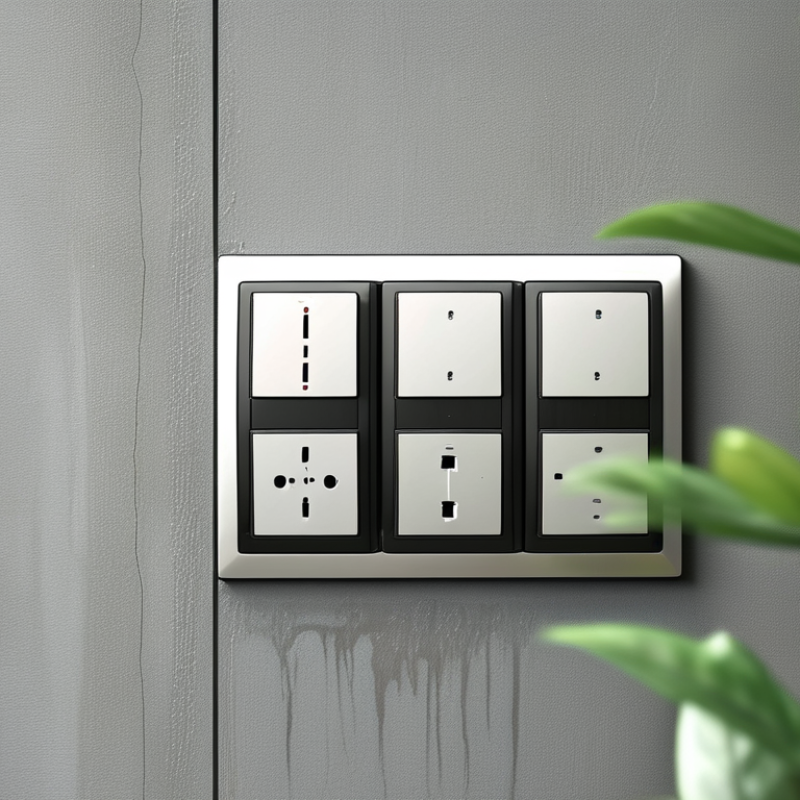
What is a Wall Switch and How Does it Work?
A wall switch is a simple yet essential device found in nearly every building. It controls the flow of electricity to lights and other electrical devices. Understanding how a wall switch works can enhance your appreciation for this everyday item.
Typically, wall switches are wired to a light fixture or an outlet. When you flip the switch, you either complete or break the electrical circuit. This action turns the connected device on or off. Despite their straightforward function, wall switches can have variations, such as dimmer switches, three-way switches, and smart switches.
Many people take wall switches for granted. However, a malfunctioning switch can disrupt daily routines. Poor installation or wear can pose safety risks. Learning about wall switches can help you troubleshoot these issues. Understanding the basics empowers you to make informed decisions about maintenance and upgrades in your home.
What is a Wall Switch?
A wall switch is a common device found in homes and buildings. It serves as a simple mechanism to control the flow of electricity to a light fixture or appliance. The switch typically consists of a toggle or button that connects and disconnects the electrical circuit. When you flip a switch, it either allows electricity to pass through or cuts it off completely, turning lights on or off.
In terms of operation, wall switches are designed to be intuitive. You may notice the click sound of a switch indicating its status. This auditory feedback can help you know whether a light is on or off without needing to look. Most wall switches are wired directly into the electrical system, making them crucial for safety and functionality. However, not all switches are created equal. Some may wear out over time, leading to issues. A faulty switch could cause flickering lights or even electrical hazards. Regularly checking and replacing old or damaged switches is essential to maintaining safety in your space.
Understanding the basic functionality of wall switches enhances your home maintenance knowledge. It’s important to recognize the signs of wear and gauge when a switch needs attention. Ignoring these signs can lead to more significant issues down the line. Discussions about electrical components should always consider safety first, so consulting a professional for electrical work is often a wise choice.
The Components of a Wall Switch
A wall switch is a fundamental component in electrical systems, allowing users to control lighting and power sources. Its basic design includes several key elements: the switch mechanism, electrical contacts, and the housing. Each component plays a significant role in ensuring the switch operates effectively and safely. According to the National Electrical Manufacturers Association (NEMA), proper installation and use of wall switches can enhance energy efficiency and reduce electricity bills by up to 15%.
The switch mechanism often consists of a simple toggle or push button, which completes or breaks an electrical circuit. Inside, electrical contacts connect and disconnect power. A durable housing protects these components from dust and moisture. In the U.S., roughly 50% of households have outdated switches that may not comply with current safety standards. Upgrading these switches can reduce risks and improve energy use.
Consider maintaining your wall switches regularly. Dust accumulation can hinder their functionality. Inspect switches every year, looking for signs of wear like discoloration or unusual heat. It’s also wise to avoid overloading switches with too many devices; this can lead to circuit failure. Understanding these components helps ensure safety and efficiency in your home's electrical system.
How Wall Switches Operate: A Step-by-Step Guide
Wall switches are common devices in any home, facilitating the control of lighting and electrical appliances. Understanding how they operate can empower homeowners. At their core, wall switches connect circuits to allow or interrupt the flow of electricity.
When you flip the switch, it closes or opens the circuit. In a closed circuit, electricity flows freely to the device, turning it on. Conversely, when the circuit opens, the flow ceases, and the device turns off. The mechanism often includes a toggle or push button that toggles this state. Observing the click sound reassures users that the switch is functioning correctly.
It’s worth noting that not all switches are created equal. Some may become unreliable over time. A faulty switch might flicker lights or fail to operate altogether. Regular checks and prompt replacements can prevent safety hazards.
Pay attention to the switch type in your home. Some are made for specific voltage systems. Understanding the voltage needs of your appliances can prevent damage. Always exercise caution when working with electricity. If unsure, consult a professional. This approach not only ensures safety but also maintains the longevity of your electrical systems.
Types of Wall Switches and Their Applications
Wall switches are essential components in any electrical system, controlling the flow of electricity to lighting and appliances. There are various types of wall switches, each designed for different applications. Understanding these types empowers users to make informed choices for their specific needs.
Dimmer switches are popular in residential settings. They allow users to adjust lighting levels, creating ambiance. According to a 2022 report by the National Electrical Manufacturers Association, dimmer switches can reduce energy consumption by 20% to 40%. Programmable switches, on the other hand, offer advanced functionality, enabling users to set schedules for lighting. This is particularly useful for security purposes, creating the illusion of occupancy when homeowners are away.
Wireless switches are gaining traction due to their ease of installation and flexibility. They can be placed anywhere without the need for wiring, which is great for retrofitting older homes. A recent study indicated that over 30% of homeowners prefer wireless options for their convenience. When selecting a switch, consider the specific needs of your space, such as the light bulb type and usage patterns. Understanding your options can lead to better energy efficiency and improved functionality.
Consider modular designs that allow for easy upgrades. A wall switch is not just a functional device; it also plays a role in interior design. Think about color, finish, and placement. Don’t overlook the importance of matching your switch style with your décor.
Common Issues and Troubleshooting Tips for Wall Switches
Wall switches are essential components in any electrical system. They control the power supply to appliances and lighting fixtures. Despite their simplicity, they can face various issues. Common problems include flickering lights, unresponsive switches, or switches that feel warm to the touch. According to the National Fire Protection Association, faulty wiring, which could stem from a malfunctioning switch, accounts for a significant number of residential electrical fires each year.
When troubleshooting a wall switch, start with the basics. Turn off the power at the circuit breaker and inspect for loose wiring connections. Over time, connections can loosen, leading to flickering or non-operational switches. A study by the Electrical Safety Foundation International indicates that many electrical issues can arise from improper installation or wear and tear of electrical components.
Another point to consider is the age of the switch. Older switches may not handle the current requirements of modern devices. In fact, research shows that outdated switches can decrease energy efficiency by up to 20%. If you notice persistent issues, replacement might be the most reliable solution. Always prioritize safety when dealing with electrical switches.
What is a Wall Switch and How Does it Work? - Common Issues and Troubleshooting Tips for Wall Switches
| Feature | Description | Common Issues | Troubleshooting Tips |
| Basic Function | Controls the flow of electricity to a light fixture or appliance. | Switch does not turn on/off. | Check the wiring connections and ensure the power is on. |
| Types of Switches | Toggle, Rocker, Dimmer, Smart Switches. | Dimmer switch flickers. | Replace bulbs with compatible type and check for loose connections. |
| Installation | Typically requires basic tools and electrical knowledge. | Wiring issues causing short circuit. | Inspect wiring for damages and correct any miswirings. |
| Safety Features | May include circuit breakers or fuses. | Frequent tripping of circuit breaker. | Investigate for overloading and check appliances on the circuit. |
| Smart Technology | Allows remote control via smartphone or voice. | Connectivity issues with Wi-Fi. | Restart the router and the switch to re-establish connection. |