What is a Vertical Turning Center Machine and How Does it Work?
A Vertical Turning Center Machine (VTC) is an innovative piece of equipment in modern manufacturing. It offers distinct advantages in efficiency and precision. Unlike traditional lathe machines, a VTC allows workpieces to be held vertically. This unique orientation enhances accessibility and visibility during the machining process.
Understanding how a Vertical Turning Center Machine operates is crucial for any manufacturer. These machines typically feature a rotating spindle and robust tooling systems. This design enables them to easily handle large and heavy parts. While highly effective, it is essential to recognize that mastering a VTC requires experience and training. Operators must learn how to optimize their setups for best results.
Though the benefits of a Vertical Turning Center Machine are clear, challenges exist. New users may struggle with the machine's programming and settings. It can take time to develop the necessary skills. Continuous training and adaptation are vital in overcoming these initial hurdles. Embracing both the potential and limitations of a VTC leads to improved outcomes and smarter manufacturing practices.
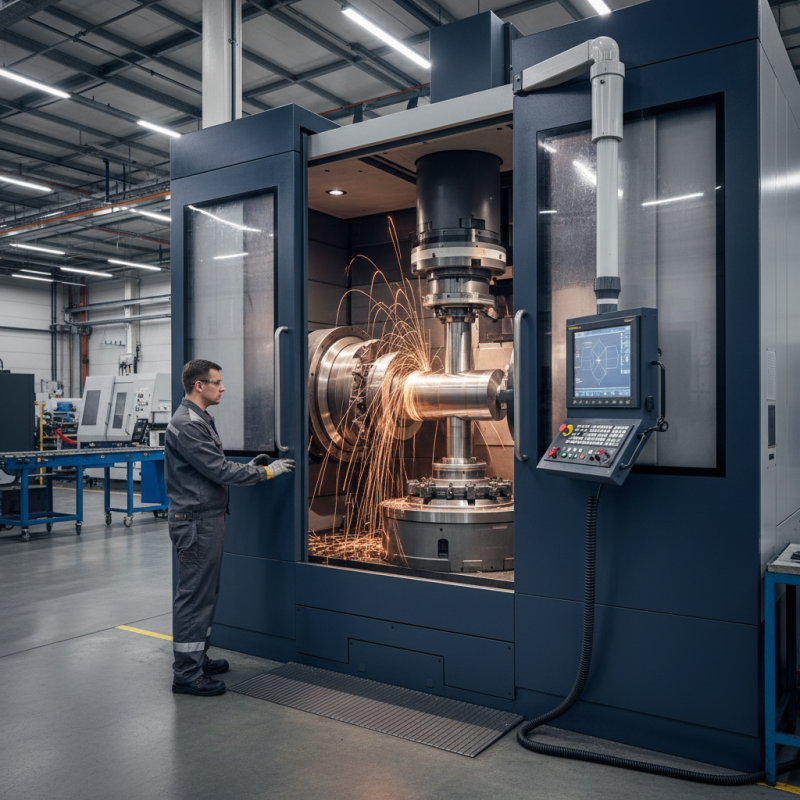
What is a Vertical Turning Center Machine?
A Vertical Turning Center Machine (VTC) is a pivotal tool in modern manufacturing. It is primarily designed for machining large workpieces with high precision. With its vertical orientation, it allows for efficient chip removal, reducing downtime. According to a 2022 report by SME, vertical turning centers are expected to see a market growth of 8% annually due to their versatility in various industries.
VTCs excel in producing cylindrical parts. They are ideal for tasks such as turning, drilling, and milling. Machine operators appreciate the user-friendly interface. However, the learning curve can be steep for beginners. Ensure operators understand the machine's capabilities fully to maximize productivity.
Tips: Regular maintenance of the VTC extends its lifespan. A well-maintained machine operates more efficiently and reduces errors. Pay attention to tool wear and replace dull tools promptly. Keep your workspace organized to enhance safety and efficiency.
While VTCs offer great benefits, they also present challenges. Operators must be vigilant about setup accuracy. A small misalignment can lead to significant production inaccuracies. Training is often overlooked, yet it can dramatically improve manufacturing outcomes. A skilled operator can unlock the true potential of a vertical turning center.
Key Components of a Vertical Turning Center Machine
The vertical turning center machine is a sophisticated tool for precision machining. Understanding its key components is essential for optimizing its use. Central to the machine is the vertical spindle, which allows for efficient positioning of the workpiece. This design enhances chip removal and ensures a clear line of sight during operations.
Another vital part is the turret. The turret holds multiple tools, facilitating quick changes between different operations. This feature boosts productivity but may require careful monitoring to prevent tool wear. Additionally, the machine includes a coolant system that helps maintain optimal temperatures during cutting. Overreliance on this system can lead to issues, such as improper lubrication or overheating.
The control system guides operations based on programmed instructions. Its reliability is paramount for achieving desired outcomes. However, user error can affect precision. Understanding each component’s role can significantly enhance productivity but also highlights the importance of continuous training and reflection on operational practices. A deeper understanding can help identify potential issues and lead to improved performance.
Working Principles of a Vertical Turning Center
Vertical turning centers (VTCs) are advanced machining tools designed for precision manufacturing. They operate using a stationary vertical spindle and a rotating workpiece, which allows for efficient shaping and contouring of materials. This setup enhances visibility for the operator and improves chip removal efficiency, making them ideal for heavy and complex workpieces.
The working principle of a VTC revolves around its unique design. Unlike traditional horizontal lathes, the vertical orientation minimizes the risk of chips accumulating on the cutting tool. According to a recent industry report, VTCs can achieve tolerances of up to ±0.002 inches, significantly improving part accuracy. The vertical spindle can house a variety of cutting tools. This flexibility allows users to switch seamlessly between operations, which reduces downtime.
While VTCs offer advantages, they require skilled operators to fully utilize their potential. Not all materials respond well to vertical machining, leading to possible inefficiencies. Operators must routinely assess their setups and techniques. Additionally, the initial investment in a VTC can be substantial, raising concerns for smaller manufacturing operations. Continued training and monitoring can help mitigate these challenges, ensuring that manufacturers fully leverage their equipment's capabilities.
Vertical Turning Center Machine Performance Analysis
Applications of Vertical Turning Center Machines
Vertical Turning Center Machines are gaining traction across various industries due to their unique capabilities. These machines excel in manufacturing complex, large workpieces with high precision. Industries such as aerospace, automotive, and energy rely heavily on these machines to handle tough materials and high-volume production. A recent market analysis estimated the vertical turning center market growth at 6.5% annually through 2026.
Applications of these machines vary widely. In the aerospace sector, they are used to produce components like turbine housings and landing gear. These parts often require tight tolerances for safety and performance. Similarly, the automotive industry utilizes vertical turning centers for critical engine components. Their ability to process heavy parts reduces the time needed for setup and machining. However, some manufacturers may struggle to adapt to this technology due to initial investment costs and training requirements.
Energy sectors, particularly wind and oil exploration, also benefit significantly. Vertical turning centers produce cylindrical components efficiently, which are essential in these industries. Yet, the precision and efficiency of these machines can only be fully realized with skilled operators. Investing in training can mitigate these challenges. Emphasizing operator expertise is crucial for maximizing productivity and quality outcomes. Balancing between investment and skilled labor remains a key reflection point for many businesses.
Advantages of Using Vertical Turning Centers in Manufacturing
Vertical Turning Centers (VTCs) offer several advantages in manufacturing processes. These machines are designed for high-precision turning of various components, especially larger and heavier parts. They use a vertical orientation, which allows for easier loading and unloading of workpieces. This design enhances productivity by minimizing time lost in setup.
One key advantage of Vertical Turning Centers is their ability to handle complex geometries. They excel at producing intricate shapes that traditional turning methods may struggle with. The stability of the vertical design ensures tighter tolerances and superior surface finishes. This leads to better overall product quality and reduces the need for secondary operations.
Tips for improving your experience with VTCs include regular maintenance to keep the machine in top condition. Monitor the coolant levels and ensure proper lubrication. Another tip is to utilize high-quality cutting tools, which can significantly affect performance and accuracy. Lastly, provide adequate training for operators. This will help maximize efficiency and reduce mistakes during operation. Ensuring that your team is knowledgeable can greatly improve production outcomes.





