


What Is a Vehicle Battery Checker and How Does It Work?

A Vehicle Battery Checker is a practical diagnostic tool for testing a vehicle’s electrical heart. It measures battery voltage, starting power, and charging performance. Some advanced models also assess internal resistance, temperature, and battery health. A small screen can reveal whether a battery is ready, weak, or nearing failure.

This matters because modern vehicles depend on stable electrical power. The U.S. Department of Energy’s Vehicle Technologies Office identifies the low-voltage battery as essential for starting, control systems, lighting, and accessories. AAA roadside service reports have also consistently listed dead or weak batteries among common causes of vehicle breakdowns. These findings support regular battery testing, especially before winter travel or long journeys.

The testing process is straightforward. The checker connects to the positive and negative terminals. It then sends a controlled electrical signal through the battery. The device compares the response with stored standards, often using cold-cranking amps and voltage readings. A healthy battery may show stable voltage and strong starting capacity. A failing one can display low reserve power, even when the engine still starts.

Not every result is perfect. Temperature, dirty terminals, incorrect ratings, and recent driving can affect accuracy. The checker is evidence, not a final verdict. A trained technician should confirm unusual readings with a load test and charging-system inspection. That small distinction matters. Used carefully, a Vehicle Battery Checker turns a hidden electrical problem into measurable information before a silent driveway becomes a roadside delay.
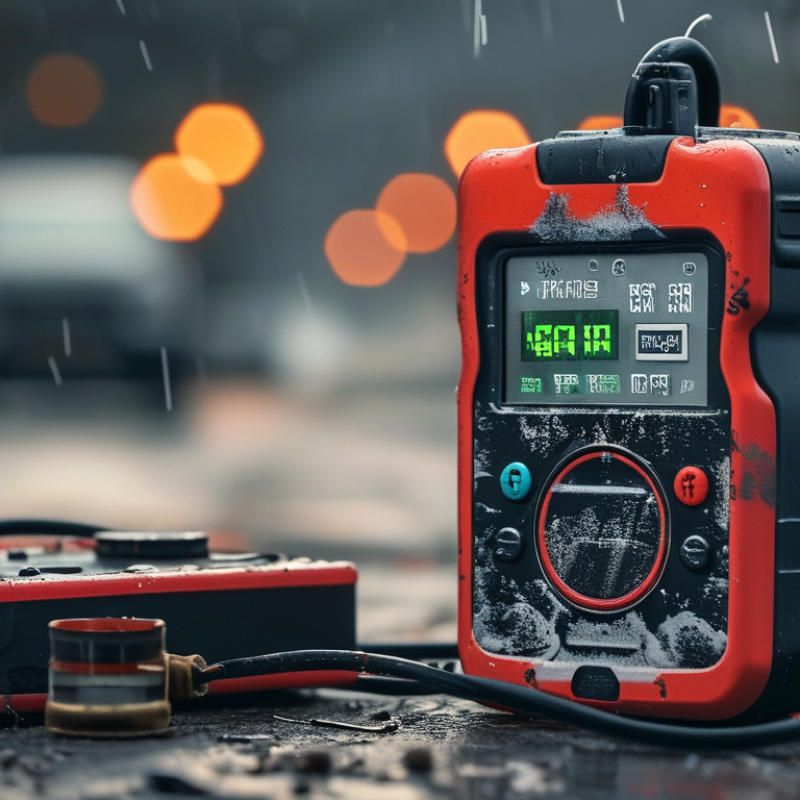
What Is a Vehicle Battery Checker and How Does It Work?

What Is a Vehicle Battery Checker?

A vehicle battery checker is a diagnostic device that evaluates a battery’s electrical condition. It measures resting voltage, starting power, and sometimes charging performance. Basic models show voltage on a digital screen. Advanced testers apply a controlled load or analyze internal resistance. These measurements help indicate whether the battery is charged, weak, or nearing failure. It is not magic.

In practical use, the engine should usually be switched off before testing. A fully charged battery often shows about 12.6 volts at rest. A much lower reading may suggest discharge, aging, or an electrical drain. The checker can also estimate cranking ability by simulating the heavy demand of engine starting. A weak result may appear even when the lights still work. That difference is easy to miss. Temperature, dirty terminals, and loose cable connections can also affect the reading.

A battery checker cannot explain every starting problem. It may report low power when the real issue is poor charging or damaged wiring. For that reason, technicians compare the result with the vehicle’s symptoms and charging voltage. I would recheck an unusual reading after cleaning the terminals and allowing the battery to rest. No tester is perfect. Human judgment still matters. Even a good reading can change after several cold starts or repeated short trips.


What Components and Measurements Does It Use?

What Is a Vehicle Battery Checker and How Does It Work?

A vehicle battery checker combines clamps, cables, a microprocessor, and a display. Some advanced models also include a temperature sensor. These components measure voltage, current response, and resistance inside the battery. The checker may compare results with the battery’s rated cold-cranking amps, or CCA. That rating indicates how much current the battery can deliver during a cold start.

A healthy battery usually shows about 12.6 volts after resting. Around 12.4 volts suggests partial charge, while readings near 12.0 volts require attention. A load test briefly demands current and observes voltage drop. Conductance testers use a smaller electrical signal to estimate internal resistance, state of charge, and state of health. Lower resistance often indicates stronger performance, but the estimate is not perfect. Temperature, loose terminals, and recent charging can distort results. That detail is easy to miss.

ADAC’s 2024 breakdown statistics attributed 44.1% of reported roadside failures to starter batteries. This figure reflects its regional vehicle population, not every market. Still, it shows why battery testing matters. A tester cannot inspect corrosion, damaged plates, or a weak ground connection by itself. Professional technicians should confirm unusual readings with a visual inspection and charging-system test.

Tips: Turn off the engine and accessories before testing. Let the battery rest when possible. Clean clamp contact matters. Record voltage, CCA, and temperature together. One reading can mislead.

How Does a Vehicle Battery Checker Work Step by Step?

What Is a Vehicle Battery Checker and How Does It Work?

A vehicle battery checker is a small diagnostic tool that measures battery condition. It does more than display voltage. A basic check begins with the engine switched off and the vehicle parked safely. The checker connects to the positive and negative terminals. Its clamps must touch clean metal. Poor contact can create a false reading.

The device measures resting voltage, then compares it with expected battery levels. Some advanced checkers apply a controlled electrical load. This imitates the heavy demand created when the engine starts. The tool observes how quickly the voltage drops. A healthy battery usually holds its voltage steadily. A weak battery may fall sharply. The screen can then show conditions such as good, weak, or replace soon. Results are useful, but not perfect.

Tips: Test after the vehicle has rested for several hours. A recent drive may raise the reading temporarily. Wipe dusty terminals before testing. Wear eye protection and avoid touching both terminals with metal objects. Check the battery temperature, too. Cold conditions can reduce performance. If the result seems unusual, repeat the test. One reading can mislead. A battery may pass today but struggle tomorrow, especially after repeated short trips. Record the voltage and test date. This simple habit helps reveal gradual decline and supports a more reliable maintenance decision.

What Is a Vehicle Battery Checker and How Does It Work? – How Does a Vehicle Battery Checker Work Step by Step?

Step What the Checker Does Measurement or Input Typical Result or Reference Value Interpretation
1 Identifies the battery and test mode Battery type, nominal voltage, and rated cold-cranking amps (CCA), when requested Most passenger vehicles use a 12-volt lead-acid battery; common CCA ratings vary by vehicle Correct settings help the tester compare the battery with the appropriate standard
2 Checks the battery terminals and connections Terminal cleanliness, cable tightness, corrosion, and visible case damage Terminals should be clean, secure, and free from cracks, swelling, or leakage Poor connections can cause inaccurate readings and starting problems
3 Measures open-circuit voltage Voltage with the engine off and electrical loads switched off Approximately 12.6–12.8 V: fully charged; about 12.4 V: roughly 75% charged; about 12.2 V: roughly 50% charged; below 12.0 V: deeply discharged Voltage mainly indicates state of charge, not complete battery health
4 Applies a controlled electronic load or conductance test Internal conductance, estimated resistance, and voltage response under a calculated test load A stronger battery maintains voltage and shows conductance close to its rated performance The tester estimates available starting capability without cranking the engine for several seconds
5 Compares the measured value with the rated value Measured CCA or conductance versus the battery’s stated CCA rating A result near or above the rating generally indicates adequate starting performance A substantially lower result suggests aging, sulfation, undercharging, or internal damage
6 Performs a starting-system check, when supported Lowest battery voltage while the starter motor is cranking A healthy 12-volt system commonly remains above approximately 9.6 V at about 20–25°C during cranking A low cranking voltage may indicate a weak battery, poor cables, or excessive starter current
7 Checks the charging system, when selected Voltage at the battery with the engine running and electrical loads operating Many conventional 12-volt charging systems measure approximately 13.8–14.7 V, depending on temperature and vehicle design Low voltage can suggest undercharging; unusually high voltage can indicate a regulation problem
8 Displays the diagnostic conclusion Voltage, estimated CCA, state of charge, internal resistance, and test temperature Common conclusions include “Good,” “Recharge and retest,” “Replace,” or “Check charging system” The result is a decision aid and should be considered with battery age, symptoms, and vehicle specifications
Important testing notes: Allow a recently driven vehicle to rest before an open-circuit voltage test when possible. Temperature affects battery performance, and a discharged battery should generally be recharged before a final health assessment. Always follow the vehicle and tester safety instructions.

What Do Battery Checker Results Mean?

A vehicle battery checker measures voltage, starting strength, and sometimes internal resistance. Its screen may show “Good,” “Recharge,” or “Replace,” but these labels need context.

12.6 volts A fully charged 12-volt battery usually reads about 12.6 volts after resting.
12.4 volts Around 12.4 volts suggests partial charge.
12.0 volts Near 12.0 volts indicates a serious discharge.

During engine cranking, voltage commonly should remain above 9.6 volts. These figures are practical guides, not absolute verdicts.

What do battery checker results mean?

A “Good-Recharge” message often means the battery may still work, but its charge is low. A weak cold-cranking-amp result suggests difficulty starting in cold weather. Internal resistance can rise with age, heat, corrosion, or repeated short trips.

The U.S. Department of Energy reports that temperature extremes reduce battery performance and service life. The Battery Council International commonly places average automotive battery life near three to five years, although driving patterns can shorten it.

A tester can also misjudge a recently charged battery. That detail is easy to miss.

Tips:

Test after the vehicle rests for several hours. Clean corroded terminals first. Compare measured CCA with the battery’s rated CCA. If results conflict, repeat the test and inspect the charging system.

A healthy battery can still fail because of a faulty alternator or loose connection. My own cautious rule is simple: do not trust one number alone. Combine the tester result, battery age, starting behavior, and charging voltage before replacing anything.

When Should You Use a Vehicle Battery Checker?

What Is a Vehicle Battery Checker and How Does It Work?

A vehicle battery checker measures voltage, starting power, and sometimes battery health. Simple models show voltage. Advanced testers estimate cold-cranking performance and internal resistance. The test usually takes less than a minute. It does not replace a trained inspection.

When Should You Use a Vehicle Battery Checker?

Use a checker before a long trip, especially if the battery is more than three years old. Check it again before winter. Cold temperatures reduce available battery power, while engine oil becomes thicker. The U.S. Department of Energy notes that battery capacity can fall sharply in freezing conditions.

A checker is also useful after slow engine cranking, dim headlights, or repeated jump-starts. Test the battery after a vehicle has been parked for several weeks. The 2024 ADAC breakdown report recorded starter-battery problems in 44.1% of roadside failures. That figure makes routine testing practical, not excessive.

Test with the engine off, then compare the result with the battery’s rated specifications. A healthy reading can still hide a damaged cell. This is where many quick checks become misleading.

A second test after driving may reveal charging problems instead. If the voltage drops quickly, seek professional diagnosis.

My own caution is simple: one perfect reading should not create false confidence. Check the battery under realistic conditions, and record the date and result.

Powder Coat Booths

For those larger-sized parts, or smaller quantity runs, we have 2 independent powder coat booths and ovens. The quality, durability and affordability of today’s powder coating finishes make this the process of choice for world-class companies.

Powder coating advantages over other forms of coating are many. Materials used in the Powder coating process can be metals and non-metals that come in a multitude of thicknesses, textures, colors, etc. Another of Powder coating’s biggest advantages over conventional coatings is its ability to create finishes in many different textures. Powder Coating Booths allow us the ability to apply these advantages to large products.

Wet Paint Line

Tri-State Fabricators runs a full-service conveyor line for painting. Wet painting can provide protection or decoration to many different part styles. From start to finish, every project is easier to undergo random and point-based inspection by our skilled painting team.

Advantages to our Wet Paint Line are these lines start with product prep and ends with a thorough inspection of a high quality finished product. Our ability to complete large and small projects with a superior finish and doing so in a timely and economical fashion. This passes along the savings in production to our customers. When powder coating ins not an option, our Wet Paint Line gets the job done right the first time.

Wet Paint Booths

When the parts get big and heavy we roll-out our custom paint racks and oversize booth. By utilizing our partnerships with all the major paint brands, we can match virtually any color with wet paint.

The advantages of having access to a Wet Paint Booth are many. Large projects of many different shapes can be loaded into the booth. The Wet Paint Booth offers an environment that is much more controlled than a typical parts painting operation.

Not only are they used because of their controlled environment, but they’re are also advantageous when it comes to applying paint to parts that are needed in industries that require specialty coatings such as medical, aerospace, etc.

Military CARC

Our military forces have some very high standards when it comes to the finish of their vehicles and equipment. From the first pre-treatment step to final coat, it takes a great deal of knowledge and experience to protect the men and women of our armed forces. They deserve only the best, and Tri-State Fabricators provides it.

All of our processes are closely monitored by our staff and management teams. Both of which are highly trained in the processes of metal fabrication and finishing. Tri-State Fabricators’ goal is to always fully satisfy each and every customer, including the military. We will always put a 110% into what we do.

Glass-Bead Blasting

Abrasive media blasting is an excellent way to remove old paint, rust, and increase the paint/powder adhesion. Glass beads produce a much smoother and brighter finish than angular abrasives; leaving the part clean yet without any dimensional change. Chemically inert and environmentally friendly, we can recycle our beads approximately 30 times; making them a more preferred method of metal cleaning or surface finishing.

Advantages to Glass Bead Blasting are many. Glass bead blast media is used when a project is needing rough surfaces need to become smooth for applications of coatings such as paint. It is typically used to clean paint and rust from a product surface without deforming the surface it is being used on. Overall, compared to many other blasting media, Glass Bead Blasting is a very economical choice and those savings are always passed on to our customers.

Part Washing

Tri-State Fabricators utilize a zinc phosphate wash to clean and etch the material to ensure the best paint adhesion possible. The unique design of our 3-stage wash system does the work like a 5-stage. From Cleaning and rinsing to conversion coating and post-treatment, Our Part Washing process is a complete service and works throughout the fabrication service and the finishing service.

Along with the previously mentioned benefits, Curing is a vital chemical reaction that leaves the product finish hard and relatively safe from mild abrasion and aggressive corrosion. This process can be done in more than one way; ambient air-dry or in curing ovens at temps that exceed 240°.

Burn-Off Oven

From fixing paint mistakes (someone else’s of course) to simply cleaning our paint line hooks, our burn-off oven is put to good use. After a quick burn-off, a little clean up, and a fresh coat of paint, your parts will look better than new.

Why does our Burn-Off Oven work so well? Because super heating the air around parts turns the materials into ashes. From paint and powder coatings to rubber and machining oils, high temps do the job without degrading the integrity of the part.

Masking

Masking is a vital part of producing high quality products. We have die-cut masking patterns to protect machined surfaces as well as a wide range of plugs and caps to protect threaded holes and bolts. We provide permanent and temporary masking.

Masking allows the selected sections of a product to be protected from a fabrication or finishing service. This can be with both chemicals when etching and tapes, paints when only finishing just a section of the product. Masking is great in aiding the customization process of a project.

Screen Printing

Screen printing is a photographic process that transfers artwork onto a porous nylon screen which allows colored ink to flow through the screen and be deposited on an aluminum or plastic component. We can generally have just about any design created onto a screen for your parts.

Some of the advantages of Screen Printing are, brand recognition for your business displaying on your products, assembly instructions, product warnings/hazards, etc. Tri-State Fabricators produces Screen Printing of the highest quality so you know it’s durable.

Metal Finishing

Metal Finishing is the art of treating the exterior portion of product, often metal but can also be made of other materials, so that the surface is clean and free of any debris. Then the process of applying coats or either paint of powder coat takes place. This coating process improves the quality of the product in both appearance and resistance to wear and corrosion.

Tri-State Fabricators, Inc., understands that a project typically isn’t complete until a high-quality finish has been added to your product. This is why our painting and powder coating teams continuously inspect the products throughout the Metal Finishing process.
