How to Use Synthetic Mica Powder for Makeup Applications?
synthetic mica powder has become a popular ingredient in makeup applications. This versatile substance can enhance the texture and appearance of various cosmetic products. It is known for providing a luminous finish. Many makeup artists and brands are turning to synthetic mica for its eco-friendly properties.
Using synthetic mica powder in makeup can be transformative. It offers excellent light-reflective qualities, creating a radiant look. Moreover, it is lightweight, making it ideal for everyday wear. However, achieving the right balance in formulation can be challenging. Too much can lead to an overly shimmery effect, which might not appeal to all users.
Exploring the benefits of synthetic mica powder is essential for every beauty enthusiast. Experimenting with different applications can lead to unique discoveries. Understanding how to incorporate it effectively will help optimize your makeup routine. Reflection on past experiences with other powders can also provide valuable insights. Ultimately, knowing how to use synthetic mica powder is key to mastering your makeup skills.
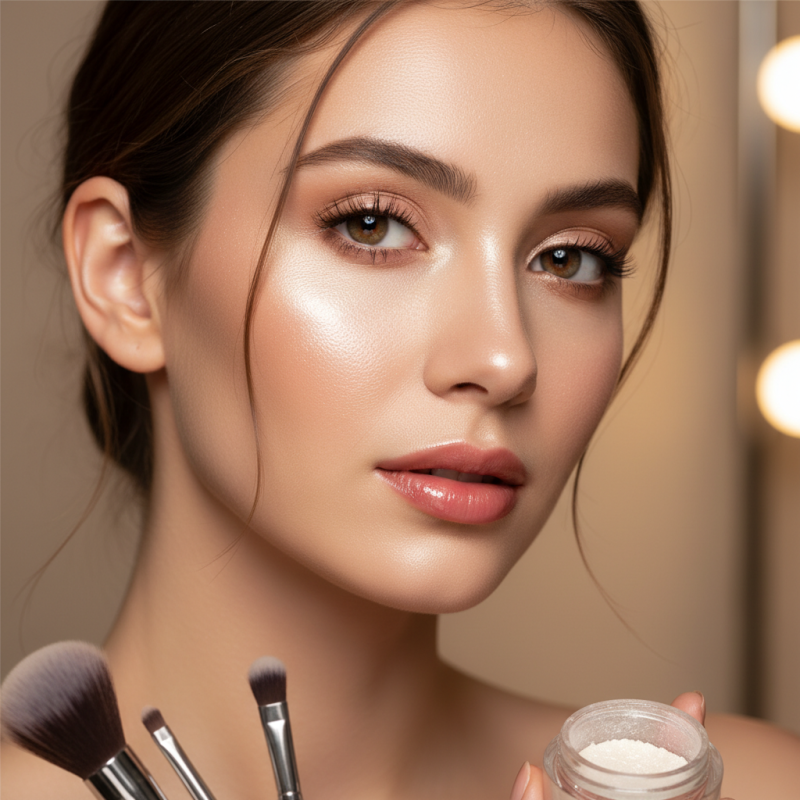
Understanding Synthetic Mica Powder: Composition and Properties
Synthetic mica powder is gaining traction in the cosmetics industry. It serves as a versatile ingredient in makeup formulations. Understanding its composition and properties is crucial for effective use.
Synthetic mica is primarily composed of silica and alumina. This composition gives it a unique shimmer and enhances texture. According to industry reports, it has a particle size range of 5 to 100 microns, allowing it to provide a smooth application. Its non-toxic nature makes it a safer option compared to natural mica. In 2022, the global synthetic mica market size reached approximately $160 million. This indicates a growing preference for synthetic over natural options.
Furthermore, synthetic mica is often used alongside colorants and pigments. It can improve color delivery and stability. Notably, some users may find it less reflective. This could detract from the desired finish. Additionally, its sheen may not appeal to everyone. As with any product, testing is essential. Consumers should evaluate how it interacts with different formulations.
Benefits of Using Synthetic Mica Powder in Makeup Products
Synthetic mica powder has become a popular choice in makeup formulations. Its unique properties offer several benefits that enhance cosmetic performance. One major advantage is its ability to provide a silky texture. This texture allows products to glide smoothly on the skin, making applications effortless.
Additionally, synthetic mica powder is known for its light-reflective qualities. It gives makeup a subtle shimmer. This is especially useful in highlighters and eyeshadows. The shimmer levels can be easily adjusted, allowing for different looks, from natural to glamorous.
Tips: When using synthetic mica powder, mix with other ingredients cautiously. Too much can lead to a gritty feel. Always test the blend on your skin. You might find it's not what you expect.
Synthetic mica is also lighter than natural mica. This can lead to better pigmentation in color cosmetics. However, sourcing synthetic mica must be done thoughtfully. It’s not always eco-friendly. Some practices might leave a carbon footprint. Reflect on the sourcing of your ingredients. It can shape your makeup's impact on the environment.
Application Techniques for Synthetic Mica Powder in Cosmetics
Synthetic mica powder is gaining popularity in cosmetics for its unique shimmer and smooth application. According to a recent market report, the synthetic mica market is expected to grow by 6% annually. This trend reflects a growing demand for safe and effective cosmetic ingredients.
When applying synthetic mica powder, a few techniques can enhance its appearance. Use a fluffy brush for an even distribution. This allows the light-reflecting properties to shine through. Many makeup artists suggest layering the mica over a cream base for added depth. The cream acts as a binder, helping the powder adhere better, thus reducing fallout.
However, perfection is often elusive with synthetic mica. Users sometimes experience streaking or uneven texture if not blended properly. It's essential to assess your technique as you go. Take time to observe how the powder interacts with your skin. Adjust your approach based on personal experience. Engaging with other makeup enthusiasts can reveal nuanced insights. With each application, you refine your skills and discover new possibilities.
Application Techniques for Synthetic Mica Powder in Cosmetics
| Application Technique | Description | Best Products | Skin Type Suitability |
| Loose Powder Application | Using a fluffy brush to apply loose synthetic mica powder for a natural glow. | Setting powders, highlighters | All skin types |
| Pressed Powder | Compact formulation that can be used on-the-go for touch-ups. | Foundation, blushes | Oily and combination skin |
| Cream Formulation | Incorporating synthetic mica into creams for added shimmer and smooth texture. | Illuminators, tinted moisturizers | Dry and normal skin |
| Liquid Products | Use in liquid foundations or primers for a luminous finish. | Foundations, highlighters | All skin types |
Safety Considerations When Using Synthetic Mica Powder
When using synthetic mica powder in makeup applications, safety must be a priority. This glittering mineral is popular for its shine and texture. However, it is crucial to know its potential hazards. While synthetic mica is generally regarded as safe, some powders can cause skin irritation. Always do a patch test before applying it widely.
Inhaling any cosmetic powder can be problematic. Even though synthetic mica is non-toxic, it is a fine powder. This means there is a risk of lung irritation. Use it in well-ventilated areas and consider wearing a mask. Allergic reactions can happen, too. Keep an eye out for redness or irritation on the skin after use.
Proper storage is also essential. Store synthetic mica powder in tightly sealed containers to avoid contamination. Moisture can ruin the texture. Educating yourself about ingredient sourcing is wise. Some synthetic products may come from questionable processes. Reflect on the sustainability of your materials. Your choices in makeup should promote not only beauty but also health and safety.
Usage of Synthetic Mica Powder in Makeup Applications
Creative Ways to Incorporate Synthetic Mica Powder in Makeup Formulations
Synthetic mica powder has gained popularity in the beauty industry due to its shimmering and reflective properties. It is a versatile ingredient that can enhance makeup formulations by adding a soft-focus effect. Reports indicate that the global mica market is projected to reach 1.73 billion USD by 2026, largely driven by the demand for cosmetic applications.
Creative incorporation of synthetic mica powder can transform basic formulations. For instance, adding it to foundations can provide a radiant glow without the heaviness of traditional highlighters. In eye shadows, it enhances pigmentation and creates a luxurious finish. However, the right particle size is crucial. Larger particles may look chunky, while smaller ones can achieve a smooth texture. This requires trial and error to get it just right.
Moreover, the sustainability of synthetic mica allows brands to avoid environmental concerns linked to natural mica mining. However, not all synthetic variants are equal. Some may lack the same quality and sheen as others. This variation can impact the overall look of a product. Experimentation with different sources of synthetic mica can lead to unique textures and finishes. The quest for the perfect formulation may reveal imperfections, sparking creativity along the way.





