What You Need to Know About Thermal Relay Riveting?
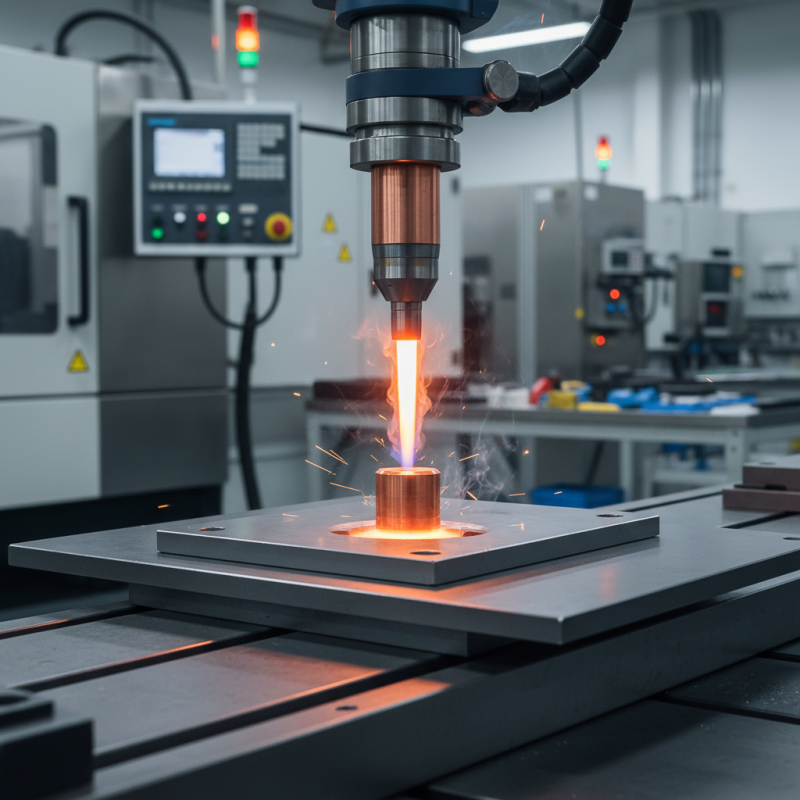
thermal relay riveting is a specialized process in manufacturing. This technique allows for strong and reliable connections in various applications. Understanding the basics is essential for engineers and technicians involved in production.
In thermal relay riveting, heat is applied to a rivet. This heat causes the rivet material to soften, enabling a secure bond when pressed. It combines efficiency with precision. However, errors can occur if temperatures are not controlled properly. Such mistakes can weaken the joint or lead to material failure.
Experience plays a crucial role in mastering thermal relay riveting. Professionals must understand the intricacies of their equipment and materials. A thorough knowledge of this process enhances production reliability. Reflection on past experiences can prevent future errors and improve overall outcomes.
Definition and Purpose of Thermal Relay Riveting
Thermal relay riveting is a specialized process used in various manufacturing sectors. It involves the application of localized heat to create strong, reliable connections between materials. Instead of traditional methods, thermal relay riveting allows for efficient bonding without the need for additional fasteners. This can lead to reduced material cost and weight, which is crucial in industries like automotive and aerospace.
The purpose of thermal relay riveting extends beyond mere assembly. It ensures that components can withstand environmental stresses, such as temperature fluctuations and vibrations. However, there are challenges too. Achieving the right temperature and pressure is vital. Too much heat can weaken the material, while too little can result in poor bonding. It's essential for professionals to understand material properties thoroughly.
Experience plays a key role in mastering this technique. Mistakes made in the initial stages can provide valuable lessons. Observing how different materials respond to heat can refine the process. Continuous learning and adaptation are crucial. Each project has unique requirements, and finding the right balance can be demanding. Understanding these intricacies is what sets skilled practitioners apart in the field of thermal relay riveting.
Key Components of Thermal Relay Riveting Systems
Thermal relay riveting systems are crucial in many manufacturing processes. They provide strong and lasting joints for various materials. Understanding their key components can enhance efficiency.
One essential component is the heating unit. This device generates the necessary heat to soften the materials being joined. The quality of the heating unit can significantly affect the overall performance. Different materials require different temperatures. Monitoring this can be challenging.
Another important aspect is the riveting tool. It applies the necessary force to ensure proper bonding. Choosing the right tool is critical. An improperly calibrated tool can lead to weak joints. Regular maintenance of this equipment is essential to avoid unexpected failures.
Lastly, the control system coordinates the heating and riveting processes. It ensures that everything occurs in sync. A reliable control system can greatly improve production speed. If it malfunctions, the equipment may not operate effectively, leading to costly mistakes. Evaluating these components is vital for optimizing thermal relay riveting systems.
Step-by-Step Process of Thermal Relay Riveting
Thermal relay riveting is a specialized welding technique crucial in various industries, including automotive and aerospace. The process focuses on creating strong joints by using heat generated through electrical resistance. This method is increasingly preferred due to its efficiency and the high quality of joints it produces. In fact, industry reports indicate that thermal riveting can reduce production time by as much as 30%, proving its value in fast-paced manufacturing environments.
The step-by-step process begins with preparing the materials. Proper surface cleaning is essential to maximize bond strength. Next, the thermal relay tool is set up. Precise temperature control is necessary; too high or too low can compromise joint integrity. The tool heats the rivet and the base materials. As the rivet reaches the desired temperature, it is pressed into place. This immediate cooling phase solidifies the joint. A report by the Welding Institute highlights that misalignment during rivet placement can undermine the connection, contributing to potential failures.
After completion, inspection is vital. Non-destructive testing methods such as ultrasonic testing are often used to evaluate joint quality. Findings show that 15% of joints may exhibit flaws if not properly inspected. This uncertainty emphasizes the importance of adherence to process standards. Constant innovation and training are necessary to maintain effectiveness in thermal relay riveting. Manufacturers must remain vigilant, ensuring that every step in the process is meticulously followed to prevent costly errors.
Applications and Industries Utilizing Thermal Relay Riveting
Thermal relay riveting is gaining traction across various industries. This innovative technique involves a high-temperature riveting process, allowing strong and durable joins. Its unique properties make it suitable for applications in the automotive sector. Here, it is used to assemble critical components that must withstand high stress.
In the aerospace industry, thermal relay riveting plays a vital role. It is employed to join lightweight materials, which are essential for fuel efficiency. The process ensures that connections can endure extreme conditions. In electronics, this riveting technology helps attach components to circuit boards securely. Reliability is key, as failures may lead to serious consequences.
Despite its advantages, challenges remain. The complexity of the process can lead to inconsistencies in results. Training technicians requires time and investment. Companies must remain vigilant in monitoring quality, as small defects in riveting can compromise the entire project. This highlights the need for continual improvement and innovation in thermal relay riveting techniques.
What You Need to Know About Thermal Relay Riveting? - Applications and Industries Utilizing Thermal Relay Riveting
| Applications | Industries | Benefits |
| Automotive Assembly | Automotive | High strength connections |
| Electronics Manufacturing | Electronics | Improved thermal conductivity |
| Aerospace Components | Aerospace | Weight reduction and reliability |
| HVAC Systems | Construction | Cost efficiency |
| Medical Devices | Healthcare | Durability under stress |
Benefits and Limitations of Thermal Relay Riveting Techniques
Thermal relay riveting is gaining popularity in various industries. This technique offers unique benefits, but it also comes with limitations. Understanding both sides is crucial for making informed decisions.
One significant advantage of thermal relay riveting is its efficiency. The process can create strong joints quickly, reducing production time. This speed can lead to lower operational costs. Additionally, the method adapts well to different materials. It provides great versatility for manufacturers. However, one must consider potential issues. For instance, not all materials respond equally well to this technique. Some may exhibit weak joints if not properly assessed.
Another point to ponder is the heat distribution during riveting. Uneven heating can lead to defects. Quality control becomes paramount, as initial setups may require adjustments. Despite its advantages, ensuring the reliability of joints is essential. Ultimately, while thermal relay riveting has clear strengths, its limitations demand careful consideration in implementation.
Benefits and Limitations of Thermal Relay Riveting Techniques
This bar chart illustrates the evaluation of various benefits and limitations associated with Thermal Relay Riveting Techniques. Each dimension presents a percentage rating based on effectiveness in the respective area, showcasing the strengths such as joint strength and speed of production, while also highlighting the environmental impact as a notable limitation.