What is Ultrafiltration Water Purifiers and How They Work?
Ultrafiltration Water Purifiers are gaining popularity for their efficient water treatment capabilities. They use a semi-permeable membrane to separate contaminants from water. This process removes bacteria, viruses, and other impurities while preserving essential minerals. The science behind these systems ensures clean, safe water suitable for drinking and cooking.
Choosing ultrafiltration water purifiers can enhance water quality in households. Users appreciate their ability to deliver fresh water without the hassles of traditional methods. However, some may overlook the maintenance requirements. Regularly replacing membranes is crucial for effective filtration. Neglecting this can compromise water purity.
With various models available, understanding specific needs is essential. Not every purifier suits all households. Evaluating factors like water source and usage helps select the right system. Awareness of potential limitations, such as pressure requirements, ensures better decision-making. Ultimately, ultrafiltration water purifiers represent a reliable choice in modern water treatment technology.
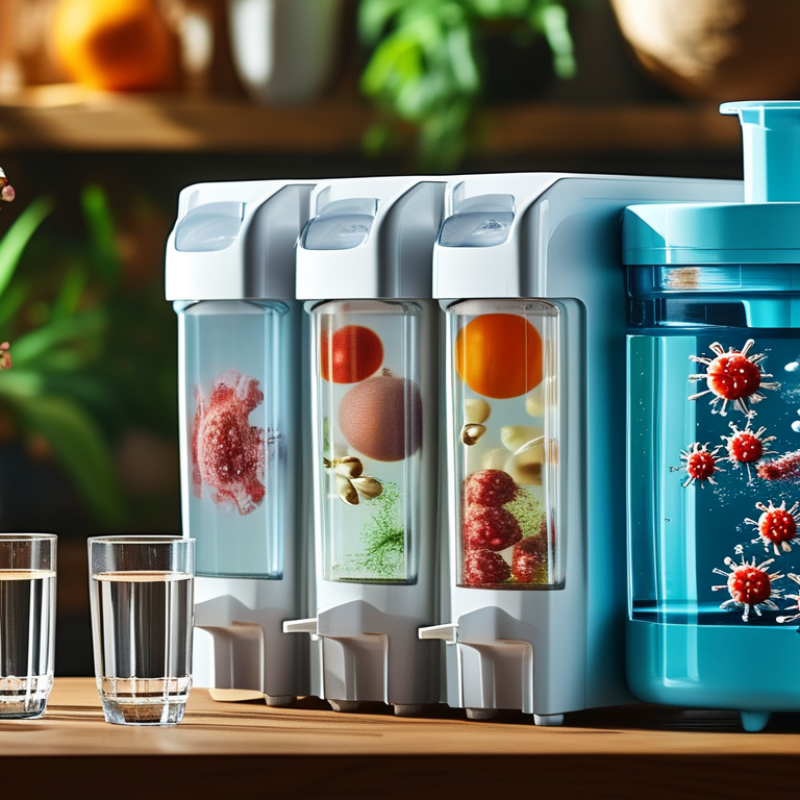
What is Ultrafiltration in Water Purifiers?
Ultrafiltration (UF) is a key technology in water purifiers. It uses a membrane filtration process to remove impurities from water. This includes bacteria, viruses, and suspended solids. The membrane has tiny pores that allow clean water to pass while blocking contaminants. This process doesn’t require any chemicals, making it a safe choice.
In practice, ultrafiltration systems work when water flows through the membrane. Clean water is collected on one side, while contaminants are trapped. This method is effective at a micro-level, ensuring that microbiological impurities are eliminated. However, it may not remove all types of dissolved substances, such as heavy metals or certain chemicals. Understanding this limitation is crucial for consumers seeking comprehensive purification.
Choosing ultrafiltration means prioritizing fresh, safe water. These systems are generally low maintenance, adding to their appeal. Yet, the technology may not suit every situation. In areas with specific contaminants, additional filtration steps could be necessary. This is an essential consideration when evaluating water quality and purification needs.
The Mechanism of Ultrafiltration Technology
Ultrafiltration (UF) technology is a critical advancement in water purification. It operates by using a membrane that separates particles based on size. Typically, UF membranes provide a pore size ranging from 0.1 to 0.01 microns. This allows them to filter out bacteria, viruses, and larger organic molecules, while letting water and smaller ions pass through.
In recent studies, UF systems have demonstrated the ability to remove up to 99% of bacteria and viruses from water sources. According to the Water Quality Association, ultrafiltration can enhance water safety in both domestic and industrial settings. However, it's essential to note that ultrafiltration cannot remove dissolved salts and minerals, which limits its application in certain scenarios. Maintenance of the membrane is also critical; it requires periodic cleaning and eventual replacement, leading to operational costs that must be considered.
Furthermore, water temperature and turbidity can impact the efficiency of ultrafiltration. Cold water may reduce membrane permeability, while high turbidity can lead to fouling. These factors might necessitate additional pre-treatment steps. Hence, users should evaluate their specific water quality needs. Awareness of these variables can ensure optimal performance and prolong the lifespan of ultrafiltration systems.
Ultrafiltration Water Purifiers Performance Analysis
Key Benefits of Ultrafiltration Water Purifiers
Ultrafiltration water purifiers are gaining popularity for their effectiveness. They remove contaminants and provide clean drinking water. One significant benefit is their ability to filter out bacteria and viruses. This ensures safer water for families. Another advantage is that they require no chemical agents. This makes the water safe and pleasant to drink.
When choosing an ultrafiltration system, consider the water quality in your area. Regular maintenance is essential for optimal performance. Replace filters as recommended to maintain efficacy. Look for systems that allow you to monitor filter life. This helps in avoiding unexpected breakdowns.
Tips: Always check the system's warranty and user reviews. This insight can guide your choice. Sometimes, local water issues can go unnoticed. Test your water regularly to ensure your purifier is working effectively.
Common Applications of Ultrafiltration in Water Treatment
Ultrafiltration (UF) is a membrane technology used in various water treatment applications. It effectively separates impurities from water, such as bacteria, viruses, and suspended solids. This method operates at a molecular level, filtering out particles larger than 0.01 microns. This makes it ideal for producing clean water without chemicals.
One common application of ultrafiltration is in municipal water treatment plants. These facilities utilize UF to improve the quality of drinking water. By removing contaminants, the water becomes safer for public consumption. Additionally, UF systems are often used in industrial processes. They help reclaim water from wastewater, promoting sustainability in manufacturing.
Tips: Regular maintenance of ultrafiltration systems is essential. Clean the membranes periodically to ensure optimal performance. Be aware of the water quality entering the system. High levels of certain chemicals can impair filtration efficiency.
Another key application is in food and beverage production. UF assists in concentration and clarification processes, especially in dairy and juice industries. However, it’s important to monitor the membranes closely. Over time, fouling can occur, reducing the system's effectiveness. Regular checks can prevent unexpected downtimes.
In summary, ultrafiltration plays a vital role in different sectors. Understanding its applications can lead to better water management practices and improved safety standards.
Maintenance and Care for Ultrafiltration Systems
Maintaining an ultrafiltration water purifier is crucial for optimal performance. Regular cleaning of the filter membranes keeps them functioning. It's important to follow the manufacturer’s guidelines regarding cleaning frequency. Usually, this should be done every few months, depending on water quality and usage.
Inspecting the system regularly is essential. Check for leaks or unusual noises. Any sign of malfunction should prompt immediate attention. Replace worn-out parts as needed. Many users overlook this, which can lead to more significant issues down the road.
Not all ultrafiltration systems are the same. Some require more maintenance than others. Understanding your specific system can make your maintenance routine effective. Neglecting care can diminish water quality and reduce the lifespan of the purifier. Reflecting on these aspects can help ensure clean, safe drinking water for your household.





