Top Trunnion Mounted Ball Valve Stem Features for Buyers?
The Trunnion Mounted Ball Valve Stem is a critical component in industrial applications. Understanding its features can guide buyers in making informed decisions. A high-quality stem ensures effective sealing and reduces the risk of leaks, which is essential in many settings.
When selecting a Trunnion Mounted Ball Valve Stem, durability is key. Buyers should consider materials that withstand high pressures and temperatures. Valves with robust stems provide reliability and performance over time. Additionally, maintenance requirements should be minimal, ensuring long-term usability without frequent interventions.
Factors such as size and compatibility also matter. Choosing the right dimensions guarantees proper fit within existing systems. It's worth noting that sometimes, manufacturers may overlook specific design elements. A focus on the finer details can lead to improved functionality. Make sure to review the specifications carefully before making a purchase.
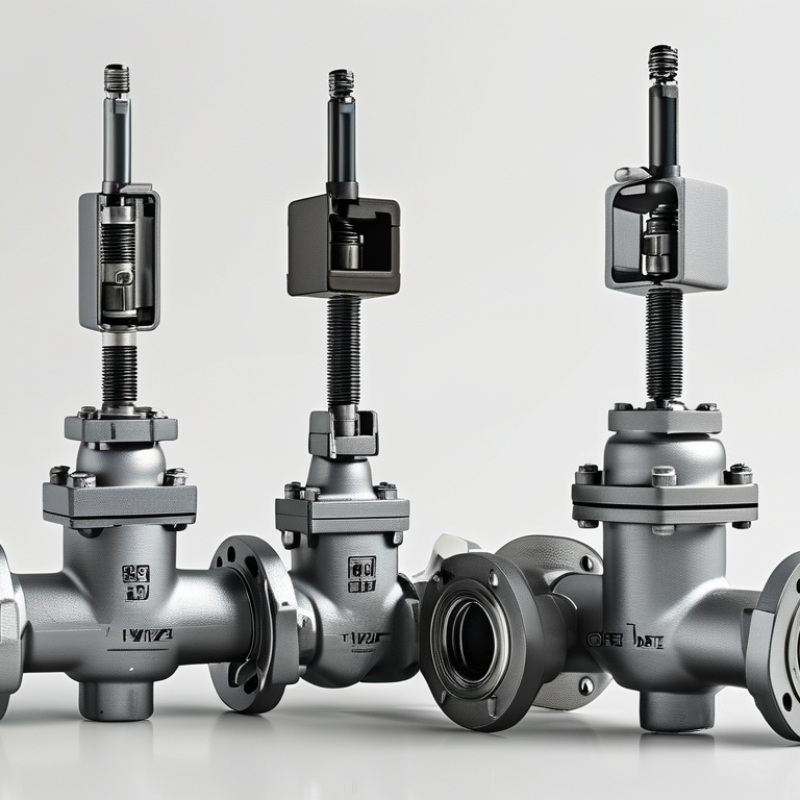
Key Characteristics of Trunnion Mounted Ball Valve Stems
When considering trunnion mounted ball valve stems, several key characteristics emerge. These features significantly affect performance and durability. One crucial aspect is the stem design. A well-engineered stem provides consistent operation, ensuring an effective seal. It helps to minimize the risk of leakage, which is vital in various applications.
Another important feature is the material. Stems made from high-quality alloys resist corrosion and wear. This results in a longer service life and lower maintenance costs. Buyers should also consider the stem size and compatibility with existing systems. A precise fit enables smooth operation and enhances overall efficiency.
Valve automation is an increasingly valuable feature. Automated stems can improve response times in critical applications. However, integrating technology can require additional considerations. Buyers need to weigh the benefits against potential complications. Details that might seem minor can have a significant impact on performance and reliability.
Material Considerations for Durability and Performance
When selecting trunnion mounted ball valves, material choice is critical for both durability and performance. Stainless steel is a popular option. It offers excellent resistance to corrosion, making it suitable for various industries. However, not all stainless steel grades perform equally. For high-pressure applications, look for grades like 316. They withstand harsher environments better than others.
Additionally, polymers like PTFE are commonly used for sealing. These materials are known for their low friction and chemical resistance. They can enhance valve life considerably. However, polymer seals may wear faster under extreme temperatures, which is a trade-off to consider. Selecting the right combination of materials ensures long service intervals and reduces maintenance costs.
Buyers should consider the operational environment. Factors such as pressure, temperature, and fluid type affect material selection. Overlooking these aspects may lead to premature valve failure. Therefore, engaging with knowledgeable suppliers can help clarify these requirements. A careful approach in material selection can lead to a well-functioning system in the long run.
Design Features Enhancing Operational Efficiency
Trunnion mounted ball valves have gained popularity due to their efficient design features. Not only do these valves provide excellent flow control, but they also enhance operational efficiency in various industrial applications. According to a recent report by MarketsandMarkets, the global valve market is expected to reach $100 billion by 2027, largely driven by innovations in valve design.
One significant feature of trunnion mounted ball valves is their low-friction stem design. This design minimizes wear and tear during operation, leading to extended lifespan and reduced maintenance costs. Industry studies indicate that reducing friction can improve valve performance by up to 30%. Additionally, these valves often include double block and bleed functionality, allowing for safer isolation of the process fluid. This feature, combined with the ability to handle high pressures, makes them indispensable in oil and gas applications.
Another consideration for buyers is the material used in valve construction. High-quality materials can resist corrosion, which is essential for maintaining operational integrity. While there are advancements, some materials still show vulnerabilities under certain conditions. This inconsistency can affect long-term reliability and may require additional inspections. Buyers should prioritize comprehensive evaluations of their operational environments and consider regular maintenance schedules to mitigate these risks.
Top Trunnion Mounted Ball Valve Stem Features for Buyers
| Feature | Description | Benefits |
| Robust Design | Engineered to withstand high pressures and temperatures. | Increased durability and reduced maintenance costs. |
| Low Torque Operation | Designed for minimal operational torque. | Enhanced ease of use and reduced actuator wear. |
| Self-Aligning Stem | Automatically aligns during operation. | Improved sealing and longer life span. |
| Anti-Static Design | Prevents static electricity build-up. | Enhanced safety in combustible environments. |
| Double Block and Bleed (DBB) | Allows for complete isolation of the pipeline. | Increased safety and maintenance efficiency. |
| PTFE Seals | High-performance sealing material. | Superior chemical resistance and longer sealing life. |
Maintenance Tips for Longevity of Ball Valve Stems
Proper maintenance of ball valve stems is crucial for ensuring their longevity and performance. Regular inspections help identify wear and tear that could lead to significant issues. According to industry reports, nearly 30% of valve failures stem from inadequate maintenance. Implementing a simple maintenance routine can dramatically enhance the lifespan of your valves.
Lubrication is a critical aspect of maintaining ball valve stems. Using the right types of lubricants can reduce friction and prevent corrosion. Experts suggest that oil-based lubricants are often more effective than greases in certain applications. Furthermore, regular cleaning helps remove debris that can impair valve function. Some manufacturers recommend cleaning intervals based on usage frequency and environmental conditions.
Sealing is another factor to consider. Poor seals can lead to leakage, which is not only wasteful but poses safety risks. Inspections for seal integrity should be part of routine checks. A proactive approach can prevent costly downtime and system failures. Continuous improvement in maintenance practices is necessary. You must reflect on the past practices, learn from them, and adapt for better results ahead.
Comparative Analysis of Different Stem Technologies
When considering trunnion mounted ball valves, understanding stem technologies is crucial. These valves have unique stems that influence their performance and longevity. Two common types are the traditional stem design and the innovative double stem design. Each has distinct characteristics that cater to different applications.
The traditional stem design offers simplicity and reliability. It features a single stem that connects the ball to the actuator. While this design is tried and tested, it may present challenges in high-pressure situations. Users often report wear and tear over time, leading to potential leaks.
On the other hand, the double stem design addresses many of these issues. By utilizing two stems, this technology maintains a tighter seal. It reduces the risk of failure and enhances the durability of the valve. However, the complexity of this design may result in higher maintenance costs. Buyers must weigh these factors carefully. The right choice heavily depends on their specific needs and operational conditions.





