Top 10 Zero Carbon Buildings in China for Global Buyers?
The rise of Zero-carbon Buildings marks a significant shift in architectural design and sustainability practices in China. These innovative structures aim to minimize carbon emissions while maximizing energy efficiency. By relying on renewable resources, they serve as a model for global buyers interested in sustainable investment.
China has emerged as a leader in promoting Zero-carbon Buildings, showcasing a variety of designs across urban landscapes. Each project reflects a commitment to environmental responsibility. However, challenges remain in balancing aesthetics with functionality. As developers push boundaries, they must address these concerns as part of their mission.
For global buyers, understanding this landscape is crucial. Zero-carbon Buildings not only represent green architecture but also potential economic opportunities. Their appeal lies in a sustainable future. Investing in these structures raises questions about feasibility, cost, and long-term benefits. Discovering the top ten projects reveals a mix of triumphs and areas for improvement in China’s ongoing quest for sustainability.
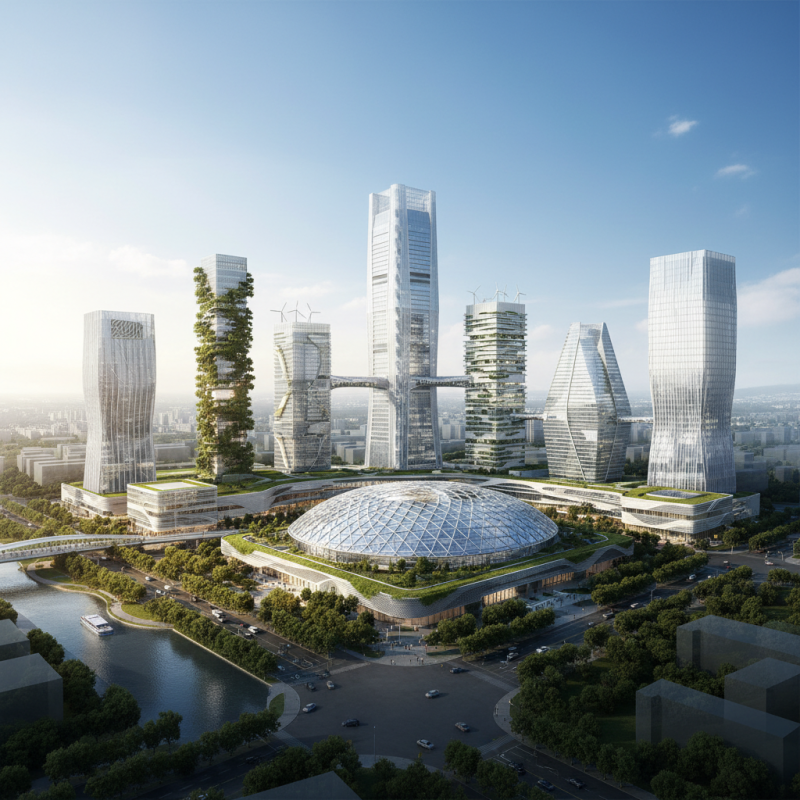
Overview of Zero Carbon Building Concept in China
In recent years, zero carbon buildings have emerged as a vital concept in China. These structures aim to eliminate greenhouse gas emissions during their entire lifecycle. The idea revolves around using renewable energy sources and building materials that have minimal environmental impact. This approach reflects China's commitment to sustainable development and environmental protection.
As these buildings gain traction, challenges remain. Not all architects and builders fully understand the zero carbon methodology. Awareness and training are essential to implement these practices effectively. The construction industry must adapt to innovative technologies and materials, which can sometimes be expensive and complex.
Tips: When exploring zero carbon buildings, consider their orientation and location. Sunlight and natural ventilation can significantly reduce energy consumption. Also, focus on retrofitting existing buildings. It is often more sustainable than new constructions. The transition to zero carbon can be a gradual process, giving stakeholders time to adjust. The goal is not perfection but progress towards a more sustainable future.
Top 10 Zero Carbon Buildings in China for Global Buyers
| Rank | Building Name | Location | Completion Year | Carbon Neutral Features |
| 1 | Green Building 1 | Beijing | 2019 | Solar Panels, Rainwater Harvesting |
| 2 | Eco Tower | Shanghai | 2020 | Wind Energy, Green Roof |
| 3 | Sustainable Hub | Guangzhou | 2021 | Geothermal Heating, Energy-Efficient Design |
| 4 | Zero Emission Pavilion | Shenzhen | 2018 | Carbon Capture Systems, Passive Solar Design |
| 5 | Innovation Center | Hangzhou | 2022 | Smart Energy Management, Solar Thermal Systems |
| 6 | Green City Complex | Xi'an | 2023 | Eco-Friendly Materials, Energy Plus Design |
| 7 | Net-Zero Office | Chengdu | 2020 | Natural Ventilation, High-Performance Glazing |
| 8 | Smart Eco House | Wuhan | 2021 | Integrated Renewable Solutions, Smart Tech |
| 9 | Carbon Neutral Bridge | Nanjing | 2019 | Solar PV, Recycled Materials |
| 10 | Sustainable Living Space | Suzhou | 2023 | Vertical Gardens, Energy Recovery Systems |
Key Features of Zero Carbon Buildings
In recent years, zero carbon buildings have gained significant attention in China. These structures are designed to eliminate carbon emissions during their entire lifecycle. They incorporate renewable energy sources and sustainable materials. This approach minimizes their environmental impact, aligning with global sustainability goals.
Key features of zero carbon buildings include energy efficiency and renewable energy integration. Many utilize solar panels to generate electricity on-site. This helps reduce reliance on fossil fuels, a major contributor to greenhouse gases. Green roofs and walls also contribute, providing insulation and improving air quality. Additionally, smart building technologies optimize energy consumption, making real-time adjustments as needed.
Despite these advancements, challenges remain. The initial costs can be high, deterring some developers. Moreover, not all regions have the necessary infrastructure for widespread green technology adoption. Continuous improvement in materials and design is essential. Industry stakeholders must collaborate to make zero carbon buildings more accessible for all.
Top 10 Zero Carbon Buildings in China
China is making strides in sustainable architecture, showcasing impressive zero carbon buildings. These projects aim to reduce energy consumption and minimize environmental impact. According to a 2022 report by the China Green Building Council, over 1.6 billion square meters of green building space has been certified, proving the country's commitment to sustainability.
Among the top zero carbon buildings, one notable example features solar panels that generate up to 30% of energy needs. This innovative design ensures a reduction in reliance on fossil fuels. Data shows that occupancy in these buildings often leads to a 15-20% decrease in energy bills compared to traditional structures. However, challenges remain. Integrating advanced technology can be costly, and retrofitting older buildings often proves complex and time-consuming.
The approach to zero carbon architecture in urban settings is multifaceted. Green roofs contribute to biodiversity while improving insulation. Yet, there are concerns over the effectiveness of some technologies in high-density areas. The continuous evaluation of these projects is crucial for future developments. Balancing cost, aesthetics, and environmental benefits is an ongoing challenge in China's quest to lead in sustainable design.
Comparison of Global Zero Carbon Building Standards
The global quest for zero carbon buildings is transforming urban landscapes. Standards vary significantly across regions. Each country takes a unique approach based on local climate, resources, and regulations. This diversity creates a rich tapestry of practices but also presents challenges for international buyers.
China has made impressive strides in zero carbon architecture. The country emphasizes energy efficiency and renewable technologies in its building codes. Yet, these standards can be complex, sometimes lacking uniformity. Buyers often face difficulties in comparing buildings across different regions. Some projects shine brightly, while others may not fully meet the lofty zero carbon benchmarks.
Quality assurance is crucial in this field. Verifying that a building truly qualifies as zero carbon requires expertise and diligence. Data on energy consumption and emissions must be transparent. Some buildings claim to be zero carbon but fall short upon closer inspection. This inconsistency underlines the importance of thorough assessments. As we navigate this evolving landscape, a careful approach is necessary for discerning buyers.
Top 10 Zero Carbon Buildings in China
Future Trends in Zero Carbon Architecture in China
China is currently at the forefront of zero carbon architecture. This shift is driven by both policy and market demand. Recent reports indicate that the country aims to achieve carbon neutrality by 2060. A significant portion of investment, estimated at around $3 trillion, will cater to sustainable construction practices. This presents a unique opportunity for global buyers interested in eco-friendly buildings.
Innovative materials, such as carbon-neutral concrete, are making a mark. Research shows that transitioning to these materials can reduce emissions by over 50%. However, challenges remain. The cost of implementing these technologies can be high. Additionally, there is a need for skilled professionals who understand sustainable practices. Without a qualified workforce, the zero carbon goal might face delays.
Tips: Always look for certifications. They indicate a building's compliance with zero carbon standards. Engage with local experts. Their insights on design trends are invaluable. Finally, assess the lifecycle impact of materials. This will guide better decision-making in sustainable architecture.





