


Top Zebra Blind Mechanism Manufacturers for Global Buyers

Global demand for window coverings is expanding, but buyers still face a practical question: which mechanism will perform reliably after thousands of daily adjustments? Grand View Research’s Window Coverings Market report valued the broader global market at about USD 30.3 billion in 2022 and projected 7.6% annual growth through 2030. That figure covers more than zebra blinds. It signals a growing category, not proof that every supplier meets the same standard.

Small parts matter. A zebra blind’s smooth operation depends on coordinated components: the clutch, chain, brackets, tube, and fabric alignment. Buyers comparing a Zebra Blind Mechanism Manufacturer should examine load capacity, operating consistency, material quality, customization options, and documented quality controls. Ask for samples. Test the chain under realistic use. Check how the blind stops and aligns across repeated cycles. Specifications still leave gaps.

Quality expert W. Edwards Deming’s principle, “Quality is everyone’s responsibility,” is relevant to supplier evaluation, though he was not a zebra-blind specialist. It points to a useful question: how does a manufacturer control quality from component sourcing to final inspection? Trade reports can frame market demand, but they cannot verify an individual factory’s claims. Buyers need evidence. This guide compares manufacturers through practical sourcing criteria, while recognizing that published data and product performance do not always tell the whole story.
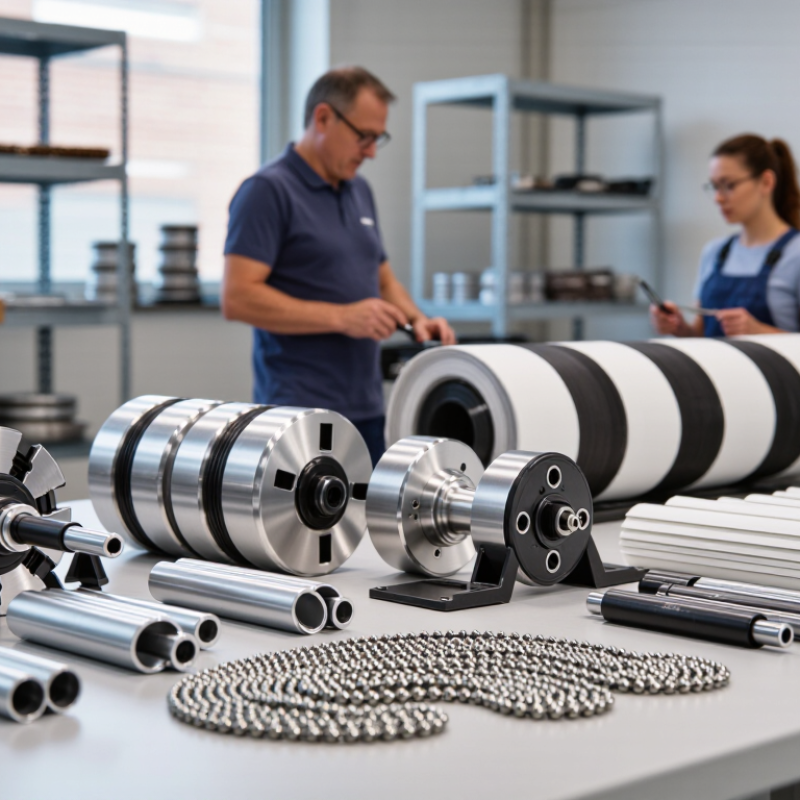
Top Zebra Blind Mechanism Manufacturers for Global Buyers

Understanding Zebra Blind Mechanisms and Their Main Components

A zebra blind mechanism controls two fabric layers with alternating sheer and opaque bands. Each layer moves around a shared roller tube, allowing the bands to overlap or separate. When opaque sections align, they reduce incoming light; when sheer sections meet, daylight filters through. The effect depends on accurate fabric alignment and steady movement. Small parts matter.

The roller tube supports the fabric and keeps it winding evenly. Brackets hold the assembly in place, while a clutch and bead chain let users adjust the blind by hand. Motorized versions use a compact drive unit instead. A bottom rail adds weight, helping the fabric hang straight, and a fascia can conceal the roller. During installation, uneven brackets or excessive fabric tension may cause drifting or creasing. A showroom sample may hide those problems. Buyers should check how smoothly the mechanism runs across repeated cycles, not just how it looks once. Even a well-made unit can feel rough if its parts are poorly matched.


Understanding Zebra Blind Mechanisms and Their Main Components

A representative manual roller-style zebra blind assembly contains one of each listed component, except for the two mounting brackets. Actual configurations may vary by blind design.

Leading Zebra Blind Mechanism Manufacturers in the Global Market

Leading zebra blind mechanism manufacturers in the global market compete on smooth operation, consistent component quality, and support for different fabric widths. Their systems typically combine a clutch, drive tube, brackets, and control chain. Small differences matter. A poorly matched tube can cause uneven movement, while a weak clutch may struggle with heavier shades. Reliable manufacturers provide clear load limits and installation guidance, not just attractive product images.

Buyers should compare more than price. Ask for material specifications, cycle-test information, available spare parts, and samples that can be tested with the intended fabric. Check whether the mechanism moves evenly and stops without slipping. A polished sample can still hide limitations, and no supplier is perfect. Some mechanisms are quiet but cost more; others are affordable but need closer quality checks.

Tips: Test a full-width sample with the actual fabric before placing a large order. Check chain tension, bracket fit, and alignment after repeated cycles. Request written details for tolerances and replacement parts. Small oversights can become costly.

Top Zebra Blind Mechanism Manufacturers for Global Buyers - Leading Zebra Blind Mechanism Manufacturers in the Global Market

Mechanism category Main components How it operates Typical application Buyer evaluation points
Chain-operated clutch system Bead chain, clutch, tube, brackets and bottom rail Pulling the chain rotates the tube, moving the fabric to align its alternating sheer and opaque bands. Common residential and light-commercial installations Check clutch operation, chain compatibility, mounting options, component availability and applicable cord-safety requirements.
Spring-assisted system Spring unit, roller tube, end plugs, brackets and bottom rail A spring inside the roller supports movement; the exact lift and stopping method depends on the design. Installations where a chain-free operating option is preferred Confirm adjustment procedure, operating range, fabric compatibility and whether replacement spring parts are available.
Motorized roller system Tubular motor, roller tube, power supply or battery, controls and brackets An electric motor turns the tube; operation may use a wall switch, remote control or compatible automation system. Large, hard-to-reach or multi-window installations Verify voltage and power method, control compatibility, limit-setting process, noise information and service support.
Dual-layer zebra fabric system Two aligned fabric layers, roller assembly, control mechanism and bottom rail The fabric layers shift relative to each other to vary the alignment of sheer and opaque bands. Rooms requiring adjustable light filtering and daytime privacy Assess fabric alignment, smooth travel, edge finish, available fabric options and the suitability of the selected control system.
Custom-width mechanism assembly Cut-to-size tube, mechanism, brackets, fabric and bottom rail Components are specified or prepared for the ordered blind dimensions and installation method. Projects with varied window sizes or made-to-measure requirements Request dimensional tolerances, measurement instructions, sample approval and confirmation of left- or right-side control options.
Replacement-parts supply Clutches, chain loops, brackets, end plugs, tubes and motor accessories Individual compatible parts support repair or servicing of an existing blind assembly. Maintenance, repair and spare-parts procurement Match part dimensions and interface details; confirm drawings, samples, minimum order quantities and reorder availability.

Buyer note: Mechanism specifications and compatibility vary by product design. Confirm dimensions, operating requirements, applicable safety rules, documentation and shipping terms with the supplier before ordering.

Comparing Manufacturers by Quality, Customization, and Production Capacity

Global buyers should compare zebra blind mechanism manufacturers through measurable quality controls, customization options, and verified production capacity. Ask for cycle-test results, load limits, and inspection records—not just a sample that feels smooth. Small details matter. Check how the clutch, tube, brackets, and fabric alignment perform together; a strong mechanism can still produce uneven stripes if assembly tolerances vary. Request samples in your intended width and fabric weight, then test repeated lifting and stopping.

Tips: Ask for defect rates, monthly output, and recent on-time delivery figures. Confirm whether custom tube lengths, control sides, colors, and packaging affect lead times or minimum order quantities.

Customization is useful only when specifications remain consistent at scale. Request a written tolerance range for dimensions and fabric alignment, plus a process for handling changes between sample approval and mass production. The U.S. Department of Energy’s Energy Saver guidance reports that certain cellular shades can reduce window heat loss by 40% or more and solar heat gain by up to 60%. These figures do not apply directly to zebra blinds, but they show why shade performance should be tested by product type. Ask manufacturers for relevant test methods and results, and compare capacity against your forecast, not a headline factory number. A little skepticism helps.

How to Evaluate Suppliers for Different Project Requirements

Selecting a zebra blind mechanism supplier starts with the project, not a catalogue. A compact apartment window may need a quiet clutch and a narrow headrail. A hotel installation may demand consistent operation across hundreds of blinds. Share fabric weight, finished width, tube size, and daily use expectations before requesting a quotation. These details help suppliers recommend compatible components rather than simply quote the lowest price.

Ask for a working sample and check how smoothly it lifts and holds the fabric. If possible, test it with your own fabric, since heavier or textured material can change performance. Request written specifications, installation guidance, and details about replacement parts. For large orders, confirm production capacity, packaging, and delivery timelines. A sample can still behave differently from a full production batch, so agree on inspection criteria in advance. This step is easy to overlook.

Tips: Compare suppliers against the same project brief. Record operating force, noise, fit, and finish. Ask how they handle defects and spare-part requests. Keep one tested sample for reference; it may not answer every question, but it gives your team a useful baseline.

Global Sourcing Factors: Compliance, Logistics, and After-Sales Support

For global buyers, a zebra blind mechanism should be assessed beyond its sample-room performance. Ask suppliers for current test reports, material declarations, and labeling details relevant to the destination market. Motorized systems may require different documentation from manual ones. Verify the requirements with your compliance team or local adviser; paperwork can vary by market.

Check the real shipping plan. Request carton dimensions, gross weight, pallet details, and a written production lead time. A neatly packed sample can still arrive damaged if long rails shift inside a container. Confirm who handles export documents and ask your freight partner to verify tariff classification. Small details matter. Yet forecasts are rarely perfect, so agree how delays or short shipments will be reported.

After-sales support is part of the mechanism’s value. Ask how long replacement clutches, brackets, and control components remain available. Get response-time expectations in writing, along with clear troubleshooting steps and warranty terms. A short video showing installation can prevent repeated service calls. Some suppliers may promise more than they can consistently deliver; check references and test the support process with a practical question before placing a large order.

Powder Coat Booths

For those larger-sized parts, or smaller quantity runs, we have 2 independent powder coat booths and ovens. The quality, durability and affordability of today’s powder coating finishes make this the process of choice for world-class companies.

Powder coating advantages over other forms of coating are many. Materials used in the Powder coating process can be metals and non-metals that come in a multitude of thicknesses, textures, colors, etc. Another of Powder coating’s biggest advantages over conventional coatings is its ability to create finishes in many different textures. Powder Coating Booths allow us the ability to apply these advantages to large products.

Wet Paint Line

Tri-State Fabricators runs a full-service conveyor line for painting. Wet painting can provide protection or decoration to many different part styles. From start to finish, every project is easier to undergo random and point-based inspection by our skilled painting team.

Advantages to our Wet Paint Line are these lines start with product prep and ends with a thorough inspection of a high quality finished product. Our ability to complete large and small projects with a superior finish and doing so in a timely and economical fashion. This passes along the savings in production to our customers. When powder coating ins not an option, our Wet Paint Line gets the job done right the first time.

Wet Paint Booths

When the parts get big and heavy we roll-out our custom paint racks and oversize booth. By utilizing our partnerships with all the major paint brands, we can match virtually any color with wet paint.

The advantages of having access to a Wet Paint Booth are many. Large projects of many different shapes can be loaded into the booth. The Wet Paint Booth offers an environment that is much more controlled than a typical parts painting operation.

Not only are they used because of their controlled environment, but they’re are also advantageous when it comes to applying paint to parts that are needed in industries that require specialty coatings such as medical, aerospace, etc.

Military CARC

Our military forces have some very high standards when it comes to the finish of their vehicles and equipment. From the first pre-treatment step to final coat, it takes a great deal of knowledge and experience to protect the men and women of our armed forces. They deserve only the best, and Tri-State Fabricators provides it.

All of our processes are closely monitored by our staff and management teams. Both of which are highly trained in the processes of metal fabrication and finishing. Tri-State Fabricators’ goal is to always fully satisfy each and every customer, including the military. We will always put a 110% into what we do.

Glass-Bead Blasting

Abrasive media blasting is an excellent way to remove old paint, rust, and increase the paint/powder adhesion. Glass beads produce a much smoother and brighter finish than angular abrasives; leaving the part clean yet without any dimensional change. Chemically inert and environmentally friendly, we can recycle our beads approximately 30 times; making them a more preferred method of metal cleaning or surface finishing.

Advantages to Glass Bead Blasting are many. Glass bead blast media is used when a project is needing rough surfaces need to become smooth for applications of coatings such as paint. It is typically used to clean paint and rust from a product surface without deforming the surface it is being used on. Overall, compared to many other blasting media, Glass Bead Blasting is a very economical choice and those savings are always passed on to our customers.

Part Washing

Tri-State Fabricators utilize a zinc phosphate wash to clean and etch the material to ensure the best paint adhesion possible. The unique design of our 3-stage wash system does the work like a 5-stage. From Cleaning and rinsing to conversion coating and post-treatment, Our Part Washing process is a complete service and works throughout the fabrication service and the finishing service.

Along with the previously mentioned benefits, Curing is a vital chemical reaction that leaves the product finish hard and relatively safe from mild abrasion and aggressive corrosion. This process can be done in more than one way; ambient air-dry or in curing ovens at temps that exceed 240°.

Burn-Off Oven

From fixing paint mistakes (someone else’s of course) to simply cleaning our paint line hooks, our burn-off oven is put to good use. After a quick burn-off, a little clean up, and a fresh coat of paint, your parts will look better than new.

Why does our Burn-Off Oven work so well? Because super heating the air around parts turns the materials into ashes. From paint and powder coatings to rubber and machining oils, high temps do the job without degrading the integrity of the part.

Masking

Masking is a vital part of producing high quality products. We have die-cut masking patterns to protect machined surfaces as well as a wide range of plugs and caps to protect threaded holes and bolts. We provide permanent and temporary masking.

Masking allows the selected sections of a product to be protected from a fabrication or finishing service. This can be with both chemicals when etching and tapes, paints when only finishing just a section of the product. Masking is great in aiding the customization process of a project.

Screen Printing

Screen printing is a photographic process that transfers artwork onto a porous nylon screen which allows colored ink to flow through the screen and be deposited on an aluminum or plastic component. We can generally have just about any design created onto a screen for your parts.

Some of the advantages of Screen Printing are, brand recognition for your business displaying on your products, assembly instructions, product warnings/hazards, etc. Tri-State Fabricators produces Screen Printing of the highest quality so you know it’s durable.

Metal Finishing

Metal Finishing is the art of treating the exterior portion of product, often metal but can also be made of other materials, so that the surface is clean and free of any debris. Then the process of applying coats or either paint of powder coat takes place. This coating process improves the quality of the product in both appearance and resistance to wear and corrosion.

Tri-State Fabricators, Inc., understands that a project typically isn’t complete until a high-quality finish has been added to your product. This is why our painting and powder coating teams continuously inspect the products throughout the Metal Finishing process.
