2026 Top Uses for Galvanized Nails in Construction Projects?
Galvanized nails are essential in construction projects. Their robust design and resistance to corrosion make them valuable. These fasteners are coated with zinc, providing durability. In various environments, galvanized nails perform exceptionally well, especially in humid areas.
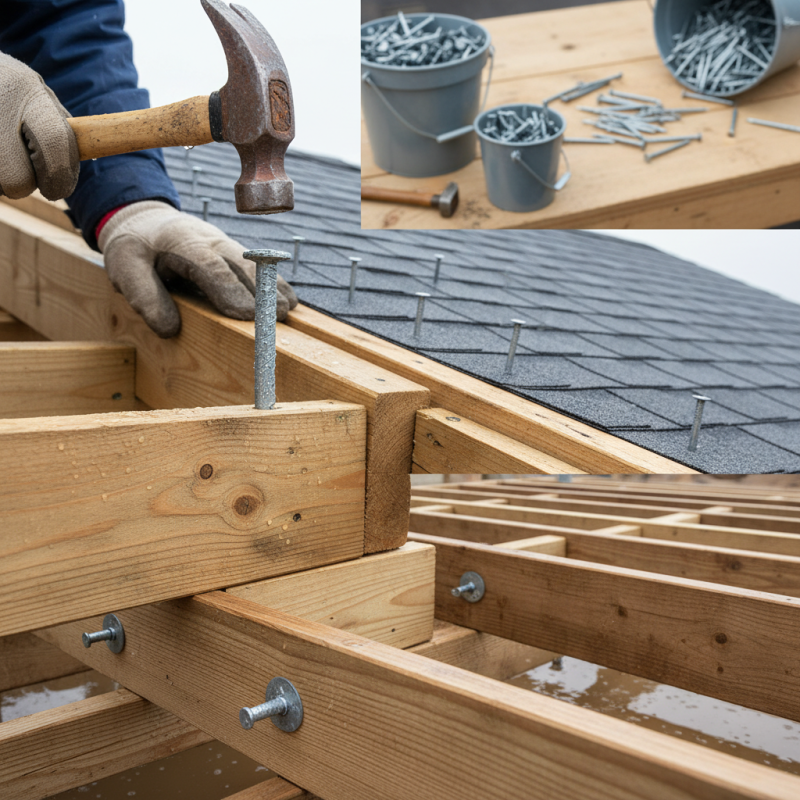
The versatility of galvanized nails is noteworthy. They are ideal for framing, roofing, and decking. Over time, the reliance on these nails has increased significantly. However, some builders may overlook specific details, like proper sizing. Choosing the right galvanized nail for a specific task is critical.
In 2026, the trend continues to favor galvanized nails. Projects that require longevity and strength will benefit greatly. Yet, not all applications might see the same performance. In some cases, alternative fasteners could prove more effective. Ultimately, understanding where and how to use galvanized nails is vital for success.
2026 Trends in Galvanized Nails for Residential Construction
In 2026, galvanized nails are crucial for residential construction. Their resistance to rust and corrosion makes them ideal in various climates. Reports show that about 80% of builders now prefer galvanized nails for framing and roofing. This trend is driven by the increasing demand for durable materials.
Cost efficiency remains a concern. Galvanized nails can cost slightly more than standard nails, yet their longevity often offsets this expense. Builders estimate that using these nails can extend the life of structures by up to 25%. However, some argue that over-reliance on these nails could lead to a false sense of security against environmental factors.
A shift toward eco-friendly materials is noted. While galvanized nails are effective, some builders are exploring alternatives. They are investigating biodegradable options that may meet future regulations. This opens up discussions about sustainability versus performance in building materials. Balancing these aspects remains a challenge for many in the industry.
2026 Top Uses for Galvanized Nails in Construction Projects
| Use Case | Description | Benefits | Expected Growth |
| Roofing | Used for securing shingles and other roofing materials. | Corrosion resistance and longevity. | 8% increase in usage by 2026. |
| Framing | Commonly used in wood framing for structural integrity. | Durability and strength in holding together components. | 5% increase in use projected. |
| Decking | Ideal for fastening decking boards. | Resistant to weathering and rust. | 10% growth expected. |
| Fencing | Used to build wooden fences. | Enhanced lifespan of the fence components. | 7% growth by 2026. |
| Siding | Applying siding materials to structures. | Improved resistance to outdoor elements. | 6% increase in application. |
Key Benefits of Using Galvanized Nails in Outdoor Projects
When it comes to outdoor construction projects, galvanized nails offer key advantages. Their special coating resists rust and corrosion, making them ideal for various climates. According to industry reports, projects using galvanized nails can last up to 30% longer than those using non-galvanized options. This longevity saves money in the long run, even if the initial investment is higher.
The benefits extend beyond mere durability. The enhanced grip provided by galvanized nails ensures structural integrity, especially in high-stress environments. A study highlighted that using galvanized nails reduced nail pull-through by 25%. This is critical for applications like decking and fencing, where strong initial connections are vital. However, improper installation can negate these advantages. It’s crucial to select the correct gauge and length for the specific material. This attention to detail can prevent future issues.
In harsher outdoor conditions, galvanized nails truly shine. They're less susceptible to environmental wear, including moisture and UV exposure. Data shows outdoor structures using these nails require less maintenance. Yet, achieving the best performance relies on using them correctly. Misaligned nails can lead to early failure, underscoring the importance of skilled workmanship.
Comparison of Galvanization Methods for Nail Durability
In the construction industry, the choice of fasteners significantly affects the longevity of structures. Galvanized nails are essential due to their resistance to rust and corrosion. The method of galvanization can influence this durability substantially. There are various galvanization techniques available, each with different performance metrics.
Hot-dip galvanization is widely recognized for its superior coating thickness. Reports indicate that this method can produce a coating that is 10 times thicker than electro-galvanized applications. The thicker coating enhances corrosion resistance, especially in harsh environments. However, hot-dip galvanization is not without its drawbacks. The process can introduce internal stresses in some metal types, potentially leading to decreased tensile strength.
In contrast, electro-galvanization offers smoother surfaces. This method is less labor-intensive and can reduce production costs by up to 30%. Yet, the coating is thinner, making these nails less durable in extreme conditions. A study highlighted that nails with electro-galvanized coatings may begin to corrode after only two years in coastal areas, while hot-dip galvanized nails can last over 20 years under similar conditions. Thus, selecting the right method depends on specific project requirements and environmental factors.
Industry Standards and Codes for Galvanized Nail Usage in Construction
Galvanized nails play a crucial role in construction. They resist rust and corrosion, making them ideal for various applications. According to the American Society for Testing and Materials (ASTM), hot-dip galvanized nails meet specific standards for durability. These nails are commonly used in outdoor projects, where moisture is a concern.
Codes such as the International Building Code (IBC) outline specific guidelines for their usage. For instance, when constructing decks or roofs, the IBC specifies galvanized nails to ensure longevity and safety. A study by the National Association of Home Builders indicates that improper nail selection can lead to structural failures.
Despite these standards, inconsistencies in zinc coating can arise. Not all galvanized nails are created equal. Certain projects might require a specific gauge or length that isn't readily available. This reliance on quality can sometimes lead to misunderstandings and mistakes in the planning phase. Builders need to stay updated on the latest codes and material specifications, or risk costly delays.
Case Studies: Successful Applications of Galvanized Nails in Building Projects
In recent years, galvanized nails have played a crucial role in construction projects. Case studies show their effectiveness in various applications. For instance, a commercial building in Texas used galvanized nails for framing. This choice reduced rust issues and enhanced the structure's longevity. According to a 2022 industry report, using galvanized nails can increase durability by up to 30%.
Another successful application took place in a residential project in California. Here, galvanized nails secured siding materials against harsh weather. The nails helped maintain structural integrity and avoided potential water damage. The construction team emphasized that proper installation was essential. Some challenges arose, such as corrosion at joints not correctly sealed.
A significant highlight comes from a bridge renovation project in Florida. Galvanized nails were essential in connecting metal components. Contractors reported a decrease in maintenance costs by 15% after using these nails. Yet, it's worth noting that not all teams adopted best practices. Some overlooked the importance of quality control, leading to inconsistent results. This indicates that while galvanized nails offer strong benefits, attention to detail is vital for optimal performance.