


What Are the Top Types of Screw Nuts?

Choosing the right Screw Nuts can determine whether a joint remains secure or slowly loosens under vibration. A small nut may look ordinary, yet its thread profile, material, and locking method affect the entire assembly. This guide examines common types, including hex nuts, lock nuts, wing nuts, cap nuts, flange nuts, and square nuts. Each design solves a different practical problem.

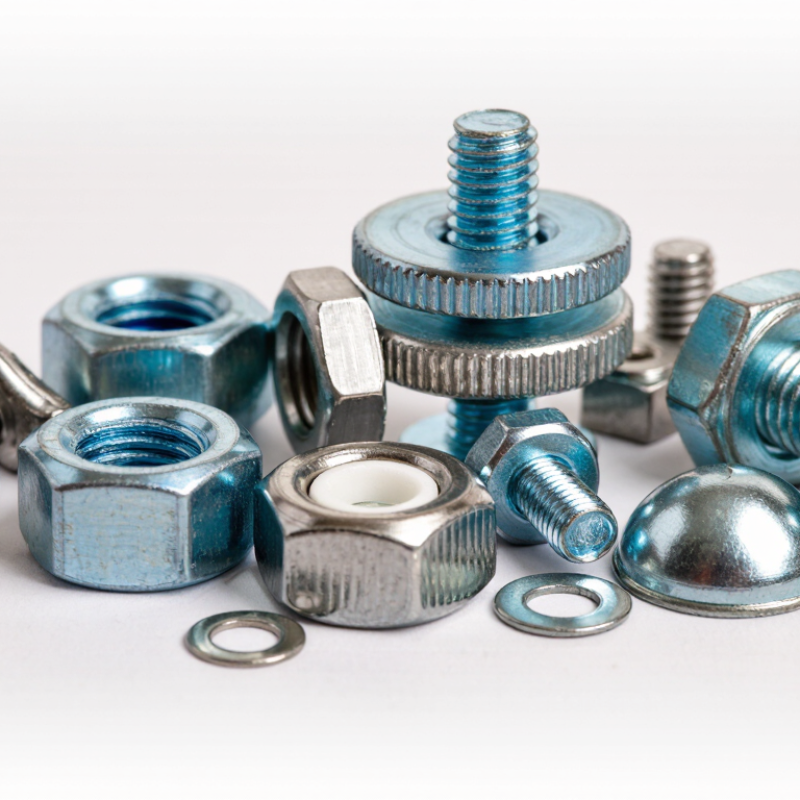
A hex nut suits many general fastening tasks. A nylon-insert lock nut resists rotation when machinery vibrates. Wing nuts allow tool-free adjustments, while cap nuts cover exposed threads and improve safety around moving hands. Flange nuts spread pressure across a wider surface, especially on softer materials. Square nuts can provide strong edge contact in channels and older hardware systems. Details matter.

Experienced technicians usually check thread size, pitch, grade, temperature, and load before selecting a nut. Stainless steel may resist corrosion, but it is not automatically the best choice for every application. A hardened steel nut can handle demanding loads, yet it may require compatible bolts. Manufacturer specifications and recognized engineering standards should guide critical installations. Guesswork has a cost.

I have seen loose fasteners blamed on poor nuts when incorrect tightening caused the real problem. That mistake is easy to repeat. A clean thread, suitable washer, and controlled torque often matter as much as the nut’s shape. This overview offers practical comparisons, but field conditions can change the final decision. The best Screw Nuts are not merely popular; they fit the load, environment, and maintenance requirements of the project.
What Are the Top Types of Screw Nuts?

What Are Screw Nuts and How Do They Work?

What Are the Top Types of Screw Nuts?

What Are Screw Nuts and How Do They Work?

Screw nuts are internally threaded fasteners. They clamp parts against a bolt, stud, or threaded shaft. Turning the nut moves it along the external thread. This action creates clamping force between connected surfaces. The thread pitch controls movement, while friction prevents unwanted loosening.

Common types include hex nuts, lock nuts, flange nuts, wing nuts, and cap nuts.

Hex nuts suit general structural work. Lock nuts add resistance against vibration. Flange nuts spread pressure across a wider surface. Wing nuts allow tool-free adjustment. Cap nuts cover exposed threads and improve safety around edges.

A NASA fastener design reference explains a useful torque principle. Roughly 50% of tightening torque can overcome friction beneath the nut. About 40% may overcome thread friction. Only around 10% creates useful bolt preload. These figures vary with lubrication, surface finish, thread condition, and tooling. They are not universal.

The details matter.

Industry market research also shows strong demand for fasteners in construction, transportation, and industrial equipment. A 2024 global fasteners market analysis reported continued growth across these application areas. However, market figures differ by research method and product definition. Engineers should verify load ratings, material grades, and thread standards before selection. In practice, a clean thread and controlled tightening often matter more than choosing the most expensive nut. Proper washers may also reduce surface damage, but they cannot correct poor alignment or insufficient engagement.


How Are Screw Nuts Classified by Shape and Function?

Screw nuts are commonly classified by their outside shape and intended function. Hex nuts have six flat sides, so a wrench can grip them easily in narrow assemblies. Square nuts offer broad contact faces and resist turning when fitted inside channels or recesses. Round nuts are useful where smooth edges reduce snagging, although they often require a special tool.

Function creates another practical group. Lock nuts help resist loosening from vibration, while jam nuts secure a thinner, adjustable position against another nut. Flange nuts spread pressure through an attached collar, reducing surface damage on softer materials. Wing nuts allow hand tightening, and cap nuts cover exposed threads for safer, cleaner assemblies. Fit matters.

In field repairs, I check thread diameter, pitch, material, and available clearance before selecting a nut. A locking feature may be unnecessary on a stable bracket, but essential near repeated movement. Matching the nut to the bolt is not enough; the joint surface matters too. A soft panel can deform under a narrow bearing area. A washer may improve the result. I have also seen “universal” choices fail because the wrench space was overlooked. Not always obvious. Nut shape should support the installation method, expected load, maintenance access, and environmental exposure. Salt, heat, and repeated tightening can change the best choice.

What Are the Main Types of Screw Nuts?

What Are the Main Types of Screw Nuts?

Screw nuts are not interchangeable metal rings. Each type manages load, vibration, access, or alignment differently. Hex nuts are the everyday choice for general bolted joints. They work well with standard spanners and threaded bolts. Lock nuts add resistance against loosening. Common designs include nylon-insert, all-metal prevailing-torque, and jam nuts. Flange nuts spread pressure through a built-in washer-like base. They help protect painted panels and thin sheet metal.

Hex nuts
General bolted joints

Lock nuts
Resistance against loosening

Flange nuts
Pressure distribution

Cap nuts cover exposed threads and create a cleaner, safer finish. Wing nuts support tool-free adjustment, although they are unsuitable for high-torque joints. Square nuts offer strong anti-rotation contact in channels. T-nuts grip wood or composite panels. Castle nuts work with cotter pins where a visible locking method is necessary. ISO 898-2 lists nut property classes from 4 to 12, showing why strength markings matter. A nut that looks correct may still fail under heat, vibration, or repeated loading.

Tips:

Match the nut to the bolt diameter, pitch, material, and strength class. Check the mating surface before tightening. A flange nut can mark soft aluminum. A nylon-insert lock nut can lose performance near high heat. Grand View Research’s 2024 fasteners market report valued the global market at roughly 89 billion dollars in 2023. That scale reflects broad industrial use, but it does not make every nut suitable. I still see installations relying on appearance alone. That is a poor shortcut. Records of torque and inspection are often more useful than confidence.

Which Materials and Coatings Are Used for Screw Nuts?

What Are the Top Types of Screw Nuts?

Screw nuts are commonly made from carbon steel, stainless steel, brass, aluminum, or nylon. Each material suits a different working environment. Carbon steel offers strong clamping force at a reasonable cost. Stainless steel resists moisture, salt, and many chemicals, making it useful outdoors and near water. Brass handles electrical applications well and adds natural corrosion resistance. Aluminum is light, but it may deform under excessive tightening. Nylon nuts are useful where electrical insulation and low weight matter.

Coatings can change a nut’s service life considerably. Zinc plating protects carbon steel in ordinary indoor and outdoor conditions. Hot-dip galvanizing creates a thicker zinc layer for harsher exposure. Black oxide gives a dark appearance and limited corrosion protection, so it often needs oil. Phosphate coatings improve surface grip and support paint or lubrication. Nickel coatings offer a bright finish and better wear resistance. However, no coating works everywhere. Salt, heat, friction, and trapped moisture can defeat a poorly selected finish.

Tips: Match the material to the environment, not just the price. Check the bolt material too, because dissimilar metals can create galvanic corrosion. Tighten with controlled torque. Over-tightening can crush softer aluminum or nylon threads. In workshop testing, a clean, dry thread often performs differently from a contaminated one. That detail is easy to overlook. Coating thickness also affects thread fit, and this is where specifications should be checked carefully.

What Are the Top Types of Screw Nuts? - Which Materials and Coatings Are Used for Screw Nuts?

Nut Type Typical Materials Common Coatings or Finishes Main Features Typical Applications
Hex Nut Carbon steel, stainless steel, brass Zinc plating, hot-dip galvanizing, black oxide, plain finish Six-sided body for wrench installation; general-purpose threaded fastening Machinery, structural assemblies, automotive and general maintenance
Lock Nut Carbon steel, stainless steel, alloy steel Zinc plating, black oxide, phosphate, plain finish Resists loosening caused by vibration; designs include all-metal and prevailing-torque types Vibration-prone machinery, vehicles, equipment frames
Nylon-Insert Lock Nut Carbon steel, stainless steel, brass Zinc plating, stainless plain finish, nickel plating Polymer insert creates resistance to loosening; not recommended where temperatures exceed the insert rating Electrical equipment, appliances, light machinery and automotive assemblies
Flange Nut Carbon steel, stainless steel Zinc plating, hot-dip galvanizing, plain stainless finish Integrated flange distributes clamping load and may reduce the need for a separate washer Automotive components, sheet metal, machinery and structural connections
Wing Nut Carbon steel, stainless steel, brass, zinc alloy Zinc plating, nickel plating, plain or polished finish Large projections allow hand tightening and removal without tools Access panels, fixtures, temporary assemblies and laboratory equipment
Cap Nut / Acorn Nut Carbon steel, stainless steel, brass Chrome plating, nickel plating, zinc plating, polished finish Closed end protects exposed threads and provides a finished appearance Guardrails, furniture, decorative assemblies and consumer products
Square Nut Carbon steel, stainless steel Zinc plating, black oxide, hot-dip galvanizing, plain finish Large flat sides provide good resistance to turning and a broad bearing area Channels, wood connections, brackets and industrial assemblies
T-Nut Carbon steel, stainless steel, zinc-plated steel Zinc plating, black oxide, plain finish Designed to fit a T-slot or embed into wood; enables adjustable or concealed fastening Machine tables, workholding systems, furniture and woodworking fixtures
Coupling Nut Carbon steel, stainless steel, brass Zinc plating, hot-dip galvanizing, plain or passivated finish Long cylindrical nut used to join two externally threaded rods or bolts Threaded rod extensions, construction, suspension systems and repairs
Slotted or Castle Nut Carbon steel, alloy steel, stainless steel Zinc plating, phosphate, black oxide, plain finish Slots accept a cotter pin or locking wire to provide positive retention Wheel hubs, steering linkages, shafts and other safety-critical mechanisms
Weld Nut Low-carbon steel, stainless steel Zinc plating, phosphate, weld-through coating, plain finish Permanent internal thread that can be attached to sheet metal or fabricated parts Automotive bodies, enclosures, frames and sheet-metal fabrication
Rivet Nut Aluminum, carbon steel, stainless steel Zinc plating, passivation, anodizing, plain finish Installs from one side to create a load-bearing thread in thin or inaccessible materials Enclosures, aircraft interiors, vehicle panels and thin-wall structures

Common Screw Nut Materials and Their Characteristics

Material Key Advantages Limitations Suitable Environments
Carbon Steel High strength, economical, widely available Can corrode without adequate protection Indoor machinery, construction and general industrial use
Alloy Steel Higher tensile strength and hardness than standard carbon steel Requires corrosion protection in exposed environments Heavy-duty machinery, high-load and safety-critical assemblies
Stainless Steel Good corrosion resistance and clean appearance More expensive; some grades can gall during installation Outdoor, marine, food-processing and chemical environments
Brass Good corrosion resistance, electrical conductivity and appearance Lower strength than steel and comparatively higher cost Electrical equipment, plumbing fittings and decorative assemblies
Aluminum Lightweight, naturally corrosion resistant and non-magnetic Lower strength and greater risk of thread damage than steel Weight-sensitive equipment, electronics and transportation products
Nylon and Other Engineering Plastics Lightweight, electrically insulating and resistant to many chemicals Lower load capacity and temperature resistance than metal nuts Electrical insulation, low-load assemblies and corrosion-sensitive applications

Common Coatings and Finishes for Screw Nuts

Coating or Finish Primary Purpose Advantages Important Considerations
Electroplated Zinc Protects steel from general atmospheric corrosion Smooth appearance, consistent thickness and relatively low cost Usually less durable than hot-dip galvanizing in severe outdoor exposure
Hot-Dip Galvanizing Provides a thicker sacrificial zinc layer for outdoor corrosion protection Suitable for demanding weather exposure and structural applications Thicker coating can affect thread fit; compatible fasteners should be selected
Black Oxide Improves appearance and provides mild corrosion protection when oiled Minimal dimensional change and low-reflective black surface Not intended as a stand-alone finish for harsh or wet environments
Phosphate Improves paint adhesion and provides a base for oil or other protective treatments Useful for painted or lubricated components Limited corrosion resistance without an additional protective layer
Nickel or Chrome Plating Enhances appearance, surface hardness and corrosion resistance Bright decorative finish and improved wear resistance Costlier than basic zinc finishes; plating quality affects performance
Passivation Removes free iron and strengthens the natural oxide layer on stainless steel Improves stainless-steel corrosion resistance without adding a thick coating Used primarily with stainless steel; it does not replace correct material selection
PTFE or Other Dry-Film Coatings Reduces friction and supports corrosion protection Useful where controlled torque, chemical resistance or low friction is required Friction values vary by formulation; torque requirements should be verified before assembly

How Do You Choose the Right Screw Nut for an Application?

What Are the Top Types of Screw Nuts?

How Do You Choose the Right Screw Nut for an Application?

Choosing a screw nut starts with the joint, not the nut’s appearance. Match the nut thread to the screw’s diameter and pitch. A standard hex nut suits many general assemblies. A flange nut spreads pressure across a wider surface. Use a lock nut when vibration could loosen the joint. Nylon-insert types work well in moderate temperatures, while all-metal lock nuts tolerate more heat. Wing nuts support tool-free adjustment, but they are not ideal for high loads.

Check the load direction, installation space, and surrounding environment. For outdoor equipment, corrosion resistance matters. Stainless materials can help, although they may gall during installation. In that case, controlled torque and suitable lubrication deserve attention. For soft materials, a flange or washer can reduce surface damage. Thin sheet metal may need a captive or cage nut. It keeps the nut positioned behind an inaccessible panel.

Do not choose by size alone. Confirm the screw’s strength class, nut grade, thread direction, and required tightening torque. A lock nut may resist vibration, but it cannot repair poor joint design. I have seen assemblies fail because the nut matched the diameter but not the thread pitch. That mistake is easy to miss. Temperature also changes the decision. Nylon inserts can lose performance in hot areas, while all-metal designs may require more accurate torque control. When specifications are unclear, verify the joint with an engineer or a recognized fastener standard. Guessing saves minutes, sometimes. It can cost much more later.

What Are the Top Types of Screw Nuts?

The chart compares common nut types using a practical selection score from 1 to 5. Higher values indicate stronger suitability for the listed application requirement. Hex nuts are the general-purpose option, while lock nuts, flange nuts, wing nuts, and cap nuts are selected for more specific installation or protection needs.

Choose the right screw nut by matching the nut’s function to the application: vibration resistance, load distribution, tool-free adjustment, thread protection, or general fastening. Actual performance also depends on material, thread size, preload, lubrication, and installation conditions.

Powder Coat Booths

For those larger-sized parts, or smaller quantity runs, we have 2 independent powder coat booths and ovens. The quality, durability and affordability of today’s powder coating finishes make this the process of choice for world-class companies.

Powder coating advantages over other forms of coating are many. Materials used in the Powder coating process can be metals and non-metals that come in a multitude of thicknesses, textures, colors, etc. Another of Powder coating’s biggest advantages over conventional coatings is its ability to create finishes in many different textures. Powder Coating Booths allow us the ability to apply these advantages to large products.

Wet Paint Line

Tri-State Fabricators runs a full-service conveyor line for painting. Wet painting can provide protection or decoration to many different part styles. From start to finish, every project is easier to undergo random and point-based inspection by our skilled painting team.

Advantages to our Wet Paint Line are these lines start with product prep and ends with a thorough inspection of a high quality finished product. Our ability to complete large and small projects with a superior finish and doing so in a timely and economical fashion. This passes along the savings in production to our customers. When powder coating ins not an option, our Wet Paint Line gets the job done right the first time.

Wet Paint Booths

When the parts get big and heavy we roll-out our custom paint racks and oversize booth. By utilizing our partnerships with all the major paint brands, we can match virtually any color with wet paint.

The advantages of having access to a Wet Paint Booth are many. Large projects of many different shapes can be loaded into the booth. The Wet Paint Booth offers an environment that is much more controlled than a typical parts painting operation.

Not only are they used because of their controlled environment, but they’re are also advantageous when it comes to applying paint to parts that are needed in industries that require specialty coatings such as medical, aerospace, etc.

Military CARC

Our military forces have some very high standards when it comes to the finish of their vehicles and equipment. From the first pre-treatment step to final coat, it takes a great deal of knowledge and experience to protect the men and women of our armed forces. They deserve only the best, and Tri-State Fabricators provides it.

All of our processes are closely monitored by our staff and management teams. Both of which are highly trained in the processes of metal fabrication and finishing. Tri-State Fabricators’ goal is to always fully satisfy each and every customer, including the military. We will always put a 110% into what we do.

Glass-Bead Blasting

Abrasive media blasting is an excellent way to remove old paint, rust, and increase the paint/powder adhesion. Glass beads produce a much smoother and brighter finish than angular abrasives; leaving the part clean yet without any dimensional change. Chemically inert and environmentally friendly, we can recycle our beads approximately 30 times; making them a more preferred method of metal cleaning or surface finishing.

Advantages to Glass Bead Blasting are many. Glass bead blast media is used when a project is needing rough surfaces need to become smooth for applications of coatings such as paint. It is typically used to clean paint and rust from a product surface without deforming the surface it is being used on. Overall, compared to many other blasting media, Glass Bead Blasting is a very economical choice and those savings are always passed on to our customers.

Part Washing

Tri-State Fabricators utilize a zinc phosphate wash to clean and etch the material to ensure the best paint adhesion possible. The unique design of our 3-stage wash system does the work like a 5-stage. From Cleaning and rinsing to conversion coating and post-treatment, Our Part Washing process is a complete service and works throughout the fabrication service and the finishing service.

Along with the previously mentioned benefits, Curing is a vital chemical reaction that leaves the product finish hard and relatively safe from mild abrasion and aggressive corrosion. This process can be done in more than one way; ambient air-dry or in curing ovens at temps that exceed 240°.

Burn-Off Oven

From fixing paint mistakes (someone else’s of course) to simply cleaning our paint line hooks, our burn-off oven is put to good use. After a quick burn-off, a little clean up, and a fresh coat of paint, your parts will look better than new.

Why does our Burn-Off Oven work so well? Because super heating the air around parts turns the materials into ashes. From paint and powder coatings to rubber and machining oils, high temps do the job without degrading the integrity of the part.

Masking

Masking is a vital part of producing high quality products. We have die-cut masking patterns to protect machined surfaces as well as a wide range of plugs and caps to protect threaded holes and bolts. We provide permanent and temporary masking.

Masking allows the selected sections of a product to be protected from a fabrication or finishing service. This can be with both chemicals when etching and tapes, paints when only finishing just a section of the product. Masking is great in aiding the customization process of a project.

Screen Printing

Screen printing is a photographic process that transfers artwork onto a porous nylon screen which allows colored ink to flow through the screen and be deposited on an aluminum or plastic component. We can generally have just about any design created onto a screen for your parts.

Some of the advantages of Screen Printing are, brand recognition for your business displaying on your products, assembly instructions, product warnings/hazards, etc. Tri-State Fabricators produces Screen Printing of the highest quality so you know it’s durable.

Metal Finishing

Metal Finishing is the art of treating the exterior portion of product, often metal but can also be made of other materials, so that the surface is clean and free of any debris. Then the process of applying coats or either paint of powder coat takes place. This coating process improves the quality of the product in both appearance and resistance to wear and corrosion.

Tri-State Fabricators, Inc., understands that a project typically isn’t complete until a high-quality finish has been added to your product. This is why our painting and powder coating teams continuously inspect the products throughout the Metal Finishing process.
