


2026 Top TL130 Bottom Roller for Global Buyers?

Choosing the right Tl130 Bottom Roller in 2026 requires more than comparing prices or polished product photos. Global buyers need stable dimensions, durable materials, correct mounting points, and dependable after-sales support. A roller may look identical to another part, yet a small difference in shaft length can create installation delays.

Details matter.

This guide examines practical buying factors for TL130 undercarriage applications, including load conditions, track compatibility, sealing performance, surface treatment, and supplier communication. Experienced maintenance teams usually check the part number, machine serial information, drawings, and worn-part measurements before ordering. They also ask for clear photos, inspection records, and packaging details. These steps reduce uncertainty across international shipments.

However, no universal specification should be assumed. Production variations, machine age, and regional configurations can affect fit. Some suppliers describe parts as “compatible” without explaining testing standards or service limits. That wording deserves careful review. Buyers should confirm dimensions, warranty terms, delivery responsibilities, and documentation before payment. Independent inspection may also be worthwhile for larger orders.

The goal is practical confidence, not exaggerated certainty. A reliable Tl130 Bottom Roller should support smooth track movement, resist contamination, and maintain performance under demanding ground conditions. Still, even a well-made component can fail when installed with incorrect tension or damaged track hardware. This guide therefore combines technical checks with realistic purchasing judgment, helping global buyers compare suppliers more responsibly in 2026.
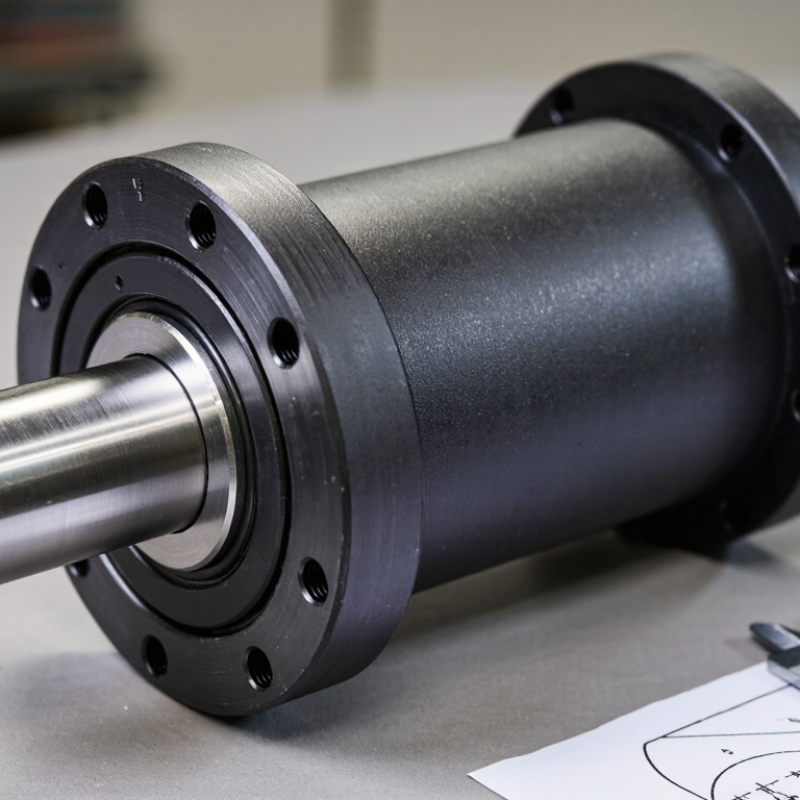
2026 Top TL130 Bottom Roller for Global Buyers?

TL130 Bottom Roller: Definition, Purpose, and Operating Role

TL130 Bottom Roller: Definition, Purpose, and Operating Role

A TL130 bottom roller is an undercarriage component supporting the machine’s track chain. It carries operating weight and guides the track along the lower frame. Its steel shell rotates around a sealed shaft. This reduces sliding friction during travel, grading, and loading work. The roller also helps maintain track alignment on uneven ground. A damaged roller may create vibration, heat, or irregular track wear. Small defects become expensive quickly.

The 2024 Yellow Table report recorded global construction equipment sales of about 239 billion US dollars in 2023, despite an annual decline. This market pressure makes undercarriage maintenance more important for fleet owners. In practical inspections, technicians should check oil leakage, chipped flanges, rough rotation, and abnormal roller spacing. Mud packed around the seal deserves attention. So does a loose track.

A clean roller is not always a healthy roller. Field experience shows that internal bearing damage can remain invisible until noise increases. Replacement decisions should follow measured wear, service records, and the machine’s operating conditions. Manufacturer service data remains essential because TL130 dimensions and mounting details can vary. The wrong roller may fit physically but fail under load. That is a costly assumption.

2026 Top TL130 Bottom Roller for Global Buyers? - TL130 Bottom Roller: Definition, Purpose, and Operating Role

Technical Data and Purchasing Reference for TL130-Class Crawler Dozer Bottom Rollers

Data Category Specification Typical Data Operating or Purchasing Relevance
Product Definition Component type Track bottom roller, also called a lower track roller A load-bearing undercarriage component installed beneath the track frame of a crawler dozer.
Product Definition Application class TL130-class crawler dozer Confirm the exact machine model, production series, serial number, and undercarriage configuration before ordering.
Operating Role Primary function Supports the machine weight and guides the track chain The roller transfers machine loads to the track chain while helping maintain stable track movement.
Operating Role Load direction Predominantly radial compression with impact loading The component must withstand static machine weight, ground reaction forces, shock loads, and uneven terrain.
Construction Main body Machined steel roller shell The shell provides the rolling surface and must maintain a precise profile for correct track contact.
Construction Shaft material Hardened alloy steel A hardened shaft improves resistance to bending, surface wear, and repeated impact stress.
Construction Rolling elements Heat-treated steel bushing and bearing surfaces The internal running surfaces are designed to reduce friction and distribute the operating load.
Sealing System Lubrication arrangement Oil-lubricated sealed assembly Oil lubrication is commonly used to reduce internal wear and support longer service intervals.
Sealing System Seal function Retains lubricant and excludes dirt and water Seal condition is critical in abrasive, muddy, wet, or highly contaminated working environments.
Dimensional Control Roller diameter Must match the approved TL130 undercarriage specification Diameter affects track height, load distribution, chain engagement, and clearance within the track frame.
Dimensional Control Track-frame mounting width Must match the original roller mounting arrangement Incorrect width can cause side loading, mounting difficulty, uneven wear, or interference with the track frame.
Dimensional Control Shaft and bolt-hole alignment Exact fit required Verify shaft position, mounting-hole spacing, bolt size, and roller offset using technical drawings or measurements.
Performance Operating environment Construction sites, earthmoving areas, quarry work, and forestry terrain The correct specification depends on soil abrasiveness, impact severity, moisture, temperature, and daily operating hours.
Performance Wear resistance requirement High resistance to abrasive contact and impact wear A durable wear surface helps maintain correct track guidance and delays replacement of the complete roller assembly.
Performance Temperature consideration Lubricant and seal materials must suit the working climate Cold-region and high-temperature applications may require different lubricant and seal specifications.
Inspection External condition Check for cracks, scoring, oil leakage, and abnormal wear Visible damage or lubricant leakage can indicate seal failure, internal wear, misalignment, or overload.
Inspection Running condition Monitor noise, heat, vibration, and roller rotation A roller that binds, overheats, or produces unusual noise should be inspected promptly to prevent track damage.
Maintenance Track tension Maintain according to the machine service specification Over-tight tracks increase roller, idler, sprocket, and chain wear; loose tracks can increase derailment risk.
Maintenance Cleaning practice Remove compacted soil, stones, and debris from the undercarriage Regular cleaning reduces abrasive buildup and makes leakage, cracking, and uneven wear easier to identify.
Replacement Recommended replacement condition Excessive wear, leakage, seizure, cracking, or unacceptable dimensional loss Replacement timing should be based on inspection measurements and the service limits specified for the machine.
Replacement Related components to inspect Track chain, track shoes, idler, sprocket, carrier roller, and track-frame mounts Replacing only one worn component may not solve the problem if other undercarriage parts are already damaged or misaligned.
Buyer Verification Required identification information Machine model, serial number, roller position, measurements, and photographs Providing complete identification data reduces the risk of receiving an incorrectly sized or incorrectly configured roller.
Buyer Verification Quality documents Material information, dimensional inspection report, seal test record, and shipment inspection images Documentation helps global buyers evaluate consistency, traceability, and conformity before installation.
Installation Installation requirements Clean mounting surfaces, correct fastener torque, and proper track adjustment Installation should follow the machine service manual and applicable workplace safety procedures.
Service Life Expected durability Varies according to ground conditions, load, maintenance, alignment, and operating practice No single service-life figure applies to every jobsite; operating conditions are the main factor in component life.
Global Purchasing Packaging requirements Corrosion protection, sealed wrapping, impact-resistant packing, and clear part identification Suitable packaging protects precision surfaces and seals during international storage and transportation.
Global Purchasing Pre-shipment checks Dimensions, rotation, sealing condition, mounting configuration, and quantity verification A documented final inspection can reduce installation delays and cross-border return costs.
Buyer Note: Dimensions and fitment details should always be confirmed against the specific machine serial number and approved technical documentation before purchase.

Key Specifications Global Buyers Should Evaluate

2026 Top TL130 Bottom Roller for Global Buyers?

Global buyers should evaluate fit, load, sealing, and service life before ordering a TL130 bottom roller. A catalog match can still be wrong. Measure the original roller’s outer diameter, track width, flange height, shaft diameter, and mounting length. Small dimensional errors can create track misalignment and accelerated wear.

Fit  |  Load  |  Sealing  |  Service Life

ISO 16754 provides methods for evaluating ground contact pressure in earth-moving machinery. Use its principles when checking how machine weight reaches the undercarriage. The roller’s rated load should exceed the calculated share of operating weight, including shock loads. Check shell hardness, shaft strength, bearing type, and grease capacity. Double-cone seals are often preferred in abrasive soil, but seal quality matters more than appearance. Grand View Research estimated the global construction equipment market above USD 230 billion in 2023, showing why consistent component quality matters across varied work conditions. That figure does not guarantee every aftermarket specification is reliable.

Tips

Request a dimensional drawing and material certificate. Confirm whether the TL130 operates in clay, gravel, or frozen ground. Ask for temperature limits and seal test details. Compare warranty terms carefully. I would also inspect the old roller for scoring and flange wear. That evidence may reveal an alignment problem, not a defective roller. A perfect-looking replacement may still fail early.

Materials, Design Features, and Manufacturing Standards

2026 Top TL130 Bottom Roller for Global Buyers?

A dependable TL130 bottom roller starts with the right steel. Forged alloy steel offers strength under repeated track loads. Its outer tread should receive controlled induction hardening. The core must remain tougher, not simply harder. This balance helps resist flaking, cracking, and uneven wear. Fit matters.

A sealed oil-bath design can protect the bushing and shaft from dust and moisture. Double-lip seals need stable rubber compounds and precise contact pressure. Poor sealing may appear acceptable during installation. Problems often surface after long work shifts. Small errors spread. Correct shaft diameter, flange height, and bolt-hole spacing should be verified against approved drawings. Runout inspection is also important because slight misalignment can damage the track chain.

Manufacturers serving global buyers should maintain traceable heat numbers, calibrated measuring tools, and documented process controls. ISO 9001-based quality systems support consistency, but certificates alone prove little. Ask for hardness records, dimensional reports, leak-test results, and batch identification. A responsible factory should inspect both the finished roller and critical components. That is not enough. Buyers should also review packaging quality, corrosion protection, and replacement support. No roller is perfect, and real operating conditions vary. Mud, steep ground, and incorrect track tension can shorten service life, even when production standards are sound.

How to Select a Reliable TL130 Bottom Roller Supplier

Selecting a reliable TL130 bottom roller supplier requires more than comparing online prices. In field maintenance, roller failure often begins with small details: uneven flange wear, weak seals, or incorrect shaft dimensions. Ask the supplier for measured drawings, material specifications, heat-treatment records, and load-test evidence. The roller should match the machine’s frame, track width, bolt pattern, and operating weight. Guessing here can create expensive alignment problems.

An experienced supplier should explain manufacturing tolerances clearly. Check whether the shell is machined evenly and whether the shaft uses suitable alloy steel. Ask about seal protection against mud, water, and abrasive soil. Request a sample inspection or clear inspection photos before ordering large quantities. Reliable communication matters too. Confirm production time, packaging methods, replacement procedures, and warranty terms in writing. Vague promises are a warning sign.

Tips: Compare at least three suppliers. Verify dimensions with your worn roller, not memory. Request hardness and leakage-test results. Inspect the contact surface for scoring, dents, or rough machining. Keep installation records.

A low quote can still look attractive. I have seen buyers focus on price and overlook shipping damage or poor after-sales support. That mistake is understandable, but avoidable. No checklist catches everything. Ask practical questions and judge how precisely the supplier answers. A dependable partner welcomes technical scrutiny, admits limitations, and improves when feedback exposes a gap.

Installation, Maintenance, and Service Life Considerations

2026 Top TL130 Bottom Roller for Global Buyers?

Installation, Maintenance, and Service Life Considerations

A TL130 bottom roller must sit squarely against the track frame. Even slight misalignment can create uneven loading and rapid flange wear. Before installation, clean the mounting surface and inspect bolt holes for distortion. Measure the roller centerline from both sides. Keep it level. Tighten fasteners gradually, using the specified torque for the machine assembly.

After installation, rotate the roller by hand when possible. It should move smoothly without grinding, binding, or unusual side play. During operation, listen for clicking sounds and check for abnormal heat near the seals. Mud, stones, and trapped water can damage sealing surfaces. Remove packed debris during daily inspections. Do not rely only on visual checks. A clean exterior can hide internal wear.

Service life depends on load, soil conditions, alignment, lubrication, and operating habits. Hard ground may shorten working life significantly. Record operating hours, temperature changes, and repeated repairs. These details help identify a developing fault before downtime becomes expensive. One point deserves honesty: service-life estimates are never exact. A roller may appear sound while its bearing clearance increases. Small errors grow. Replace the component when movement, noise, leakage, or shell damage exceeds safe limits. Reusing worn fasteners is also a poor compromise.

2026 Top TL130 Bottom Roller for Global Buyers

Installation, maintenance, and service-life considerations by operating environment

Estimated service life is strongly influenced by ground conditions, track tension, alignment, lubrication, load, and operator practices. Routine inspection intervals should be shortened in wet, abrasive, or rock-heavy conditions. The figures shown are practical planning estimates for crawler undercarriage applications and are not a guaranteed replacement schedule.

Powder Coat Booths

For those larger-sized parts, or smaller quantity runs, we have 2 independent powder coat booths and ovens. The quality, durability and affordability of today’s powder coating finishes make this the process of choice for world-class companies.

Powder coating advantages over other forms of coating are many. Materials used in the Powder coating process can be metals and non-metals that come in a multitude of thicknesses, textures, colors, etc. Another of Powder coating’s biggest advantages over conventional coatings is its ability to create finishes in many different textures. Powder Coating Booths allow us the ability to apply these advantages to large products.

Wet Paint Line

Tri-State Fabricators runs a full-service conveyor line for painting. Wet painting can provide protection or decoration to many different part styles. From start to finish, every project is easier to undergo random and point-based inspection by our skilled painting team.

Advantages to our Wet Paint Line are these lines start with product prep and ends with a thorough inspection of a high quality finished product. Our ability to complete large and small projects with a superior finish and doing so in a timely and economical fashion. This passes along the savings in production to our customers. When powder coating ins not an option, our Wet Paint Line gets the job done right the first time.

Wet Paint Booths

When the parts get big and heavy we roll-out our custom paint racks and oversize booth. By utilizing our partnerships with all the major paint brands, we can match virtually any color with wet paint.

The advantages of having access to a Wet Paint Booth are many. Large projects of many different shapes can be loaded into the booth. The Wet Paint Booth offers an environment that is much more controlled than a typical parts painting operation.

Not only are they used because of their controlled environment, but they’re are also advantageous when it comes to applying paint to parts that are needed in industries that require specialty coatings such as medical, aerospace, etc.

Military CARC

Our military forces have some very high standards when it comes to the finish of their vehicles and equipment. From the first pre-treatment step to final coat, it takes a great deal of knowledge and experience to protect the men and women of our armed forces. They deserve only the best, and Tri-State Fabricators provides it.

All of our processes are closely monitored by our staff and management teams. Both of which are highly trained in the processes of metal fabrication and finishing. Tri-State Fabricators’ goal is to always fully satisfy each and every customer, including the military. We will always put a 110% into what we do.

Glass-Bead Blasting

Abrasive media blasting is an excellent way to remove old paint, rust, and increase the paint/powder adhesion. Glass beads produce a much smoother and brighter finish than angular abrasives; leaving the part clean yet without any dimensional change. Chemically inert and environmentally friendly, we can recycle our beads approximately 30 times; making them a more preferred method of metal cleaning or surface finishing.

Advantages to Glass Bead Blasting are many. Glass bead blast media is used when a project is needing rough surfaces need to become smooth for applications of coatings such as paint. It is typically used to clean paint and rust from a product surface without deforming the surface it is being used on. Overall, compared to many other blasting media, Glass Bead Blasting is a very economical choice and those savings are always passed on to our customers.

Part Washing

Tri-State Fabricators utilize a zinc phosphate wash to clean and etch the material to ensure the best paint adhesion possible. The unique design of our 3-stage wash system does the work like a 5-stage. From Cleaning and rinsing to conversion coating and post-treatment, Our Part Washing process is a complete service and works throughout the fabrication service and the finishing service.

Along with the previously mentioned benefits, Curing is a vital chemical reaction that leaves the product finish hard and relatively safe from mild abrasion and aggressive corrosion. This process can be done in more than one way; ambient air-dry or in curing ovens at temps that exceed 240°.

Burn-Off Oven

From fixing paint mistakes (someone else’s of course) to simply cleaning our paint line hooks, our burn-off oven is put to good use. After a quick burn-off, a little clean up, and a fresh coat of paint, your parts will look better than new.

Why does our Burn-Off Oven work so well? Because super heating the air around parts turns the materials into ashes. From paint and powder coatings to rubber and machining oils, high temps do the job without degrading the integrity of the part.

Masking

Masking is a vital part of producing high quality products. We have die-cut masking patterns to protect machined surfaces as well as a wide range of plugs and caps to protect threaded holes and bolts. We provide permanent and temporary masking.

Masking allows the selected sections of a product to be protected from a fabrication or finishing service. This can be with both chemicals when etching and tapes, paints when only finishing just a section of the product. Masking is great in aiding the customization process of a project.

Screen Printing

Screen printing is a photographic process that transfers artwork onto a porous nylon screen which allows colored ink to flow through the screen and be deposited on an aluminum or plastic component. We can generally have just about any design created onto a screen for your parts.

Some of the advantages of Screen Printing are, brand recognition for your business displaying on your products, assembly instructions, product warnings/hazards, etc. Tri-State Fabricators produces Screen Printing of the highest quality so you know it’s durable.

Metal Finishing

Metal Finishing is the art of treating the exterior portion of product, often metal but can also be made of other materials, so that the surface is clean and free of any debris. Then the process of applying coats or either paint of powder coat takes place. This coating process improves the quality of the product in both appearance and resistance to wear and corrosion.

Tri-State Fabricators, Inc., understands that a project typically isn’t complete until a high-quality finish has been added to your product. This is why our painting and powder coating teams continuously inspect the products throughout the Metal Finishing process.


