


Top 10 Tips for Buying Electrical Transformers Today?

In today's fast-paced world, selecting the right Electrical Transformer can seem daunting. The global market for electrical transformers is projected to grow from USD 43 billion in 2021 to USD 62 billion by 2028, according to a report by ResearchAndMarkets. This surge indicates an increasing reliance on efficient energy solutions. Understanding the different types and applications of transformers is essential.

Many buyers overlook crucial aspects of electrical transformers, leading to costly mistakes. Factors like voltage levels, load demands, and operational efficiency must be considered. A misstep in selecting a transformer can result in inefficiencies and increased operational costs. The ability to make informed choices requires deep industry knowledge, and it’s vital to verify specifications.

Industry experts emphasize the importance of reliability when choosing an electrical transformer. For instance, transformers should be tested rigorously before use. There’s a need for transparency in pricing and performance data. Potential buyers cannot afford to overlook these aspects. Investing time in research ensures optimal choices that align with evolving energy needs.
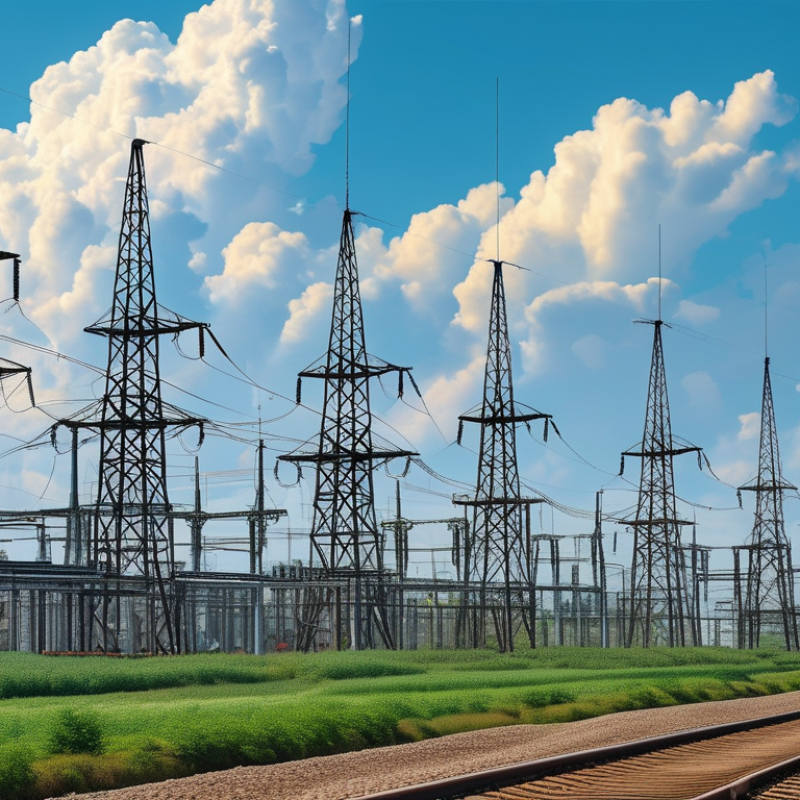
Top 10 Tips for Buying Electrical Transformers Today?

Understanding Different Types of Electrical Transformers and Their Applications

When selecting electrical transformers, it's crucial to understand the different types available and their specific applications. Two primary categories are step-up and step-down transformers. Step-up transformers increase voltage, making them ideal for power generation. They enhance efficiency during long-distance electricity transmission. In contrast, step-down transformers reduce voltage for consumer use. This is essential for residential and commercial settings. According to industry reports, around 60% of transformers are used in transmission systems, highlighting their significance in energy distribution.

Another essential type is isolation transformers. These are designed to separate different segments of electrical systems. They protect sensitive equipment from voltage spikes and electrical noise. In medical devices, for instance, isolation transformers are crucial for patient safety. The Global Transformer Market Report states that the demand for isolation transformers is expected to grow at a CAGR of 4.5% over the next decade. This paints a clear picture of their increasing importance, especially in safety-critical applications.

It's also vital to consider environmental factors when buying transformers. Temperature, humidity, and altitude can affect performance. Installing a transformer without considering these aspects can lead to failure. Data shows that about 20% of transformer failures are linked to unsuitable environmental conditions. Buyers should reflect on their specific needs and make informed decisions.


Evaluating Transformer Ratings: Voltage, Current, and Power Considerations

When evaluating transformer ratings, understanding voltage, current, and power is crucial. The voltage rating indicates the maximum voltage the transformer can handle safely. According to the IEEE Power and Energy Society, a transformer’s efficiency maximizes at around 97%, but this varies with its design, load, and cooling system. The primary voltage determines how much energy the transformer can convert, affecting overall functionality.

Current ratings are equally important. They reflect the maximum current the transformer can carry without overheating. The National Electrical Manufacturers Association reports that improper current ratings can lead to insulation damage or operational failure. Overloading a transformer beyond its rated current often results in safety hazards and long-term costs.

When buying transformers, always consider the power specifications. Match the power rating to the system requirements. Inadequate power ratings can lead to energy losses. Quick tip: Calculate your total system load and choose a transformer rated 20% higher to ensure reliability. This avoids issues and prolongs transformer life.

Always analyze these elements before purchasing. It’s essential to choose wisely, considering different factors. A misstep here can cause costly delays in your project.

Importance of Efficiency Ratings in Transformer Selection and Operation

When selecting electrical transformers, efficiency ratings play a critical role in ensuring optimal performance. According to the U.S. Department of Energy, losses in transformers can significantly impact overall energy consumption. A more efficient transformer minimizes these losses, leading to lower operational costs. For example, a standard transformer might have efficiency ratings as low as 95%, while premium models can exceed 98%.

It's crucial to analyze the efficiency ratings of transformers under various loading conditions. Different types of transformers may perform differently at partial loads. Hence, reviewing the transformer’s efficiency curves is essential. Many industry experts recommend seeking transformers with high efficiency at typical operating loads.

Consider these tips during your buying process. First, check for compliance with industry standards for efficiency, such as the IEEE and IEC guidelines. This information can help gauge reliability. Additionally, factor in the long-term operational costs against initial purchase prices. Choosing a high-efficiency transformer may involve a higher upfront cost, but the benefits accrue over time through energy savings. Always prioritize models with clearly defined efficiency data, as this can guide your purchasing decisions.

Analyzing Cost vs. Performance: Budgeting for Quality Transformers

When purchasing electrical transformers, cost and performance are pivotal. A thorough analysis shows that investing in quality transformers often leads to lower operational costs. According to industry reports, around 30% of poorly designed transformers lead to increased energy losses. It's essential to strike a balance between budget constraints and quality performance.

Tip: Evaluate efficiency ratings when selecting a transformer. Higher efficiency indicates less energy loss. For example, a transformer with a rating of 98% can save substantial energy costs over time. However, the initial investment may be higher.

Sometimes, budget limitations force compromises on quality. A cheaper option might seem attractive but could raise maintenance costs. Research shows that businesses that invest up front in reliable transformers often see lower total expenditure in just a few years.

Tip: Consider lifetime costs. Understand not just the purchase price but also installation, operation, and maintenance costs. It's essential to assess long-term performance versus immediate savings. Balancing these factors is crucial for making informed decisions.

Assessing Manufacturer Reputation and Warranty for Long-term Investment

When considering electrical transformers, assessing manufacturer reputation plays a vital role. A company’s history can provide insight into its reliability. Research reviews and testimonials from previous customers. Look for feedback on performance and durability over time. This information can help gauge the manufacturer’s commitment to quality.

Warranty coverage is another essential factor. A comprehensive warranty often indicates confidence in the product. It can also save you from unexpected repair costs. Understand the terms and conditions of the warranty. Some warranties cover only specific issues. Ask about support services available during the warranty period. This can reveal the manufacturer’s dedication to customer care.

Keep in mind that not all manufacturers are created equal. Some may offer attractive pricing, but at what cost? Cutting corners on materials can lead to issues down the line. Prioritize brands that have a proven history of addressing customer concerns. When making a long-term investment, choose wisely.

Powder Coat Booths

For those larger-sized parts, or smaller quantity runs, we have 2 independent powder coat booths and ovens. The quality, durability and affordability of today’s powder coating finishes make this the process of choice for world-class companies.

Powder coating advantages over other forms of coating are many. Materials used in the Powder coating process can be metals and non-metals that come in a multitude of thicknesses, textures, colors, etc. Another of Powder coating’s biggest advantages over conventional coatings is its ability to create finishes in many different textures. Powder Coating Booths allow us the ability to apply these advantages to large products.

Wet Paint Line

Tri-State Fabricators runs a full-service conveyor line for painting. Wet painting can provide protection or decoration to many different part styles. From start to finish, every project is easier to undergo random and point-based inspection by our skilled painting team.

Advantages to our Wet Paint Line are these lines start with product prep and ends with a thorough inspection of a high quality finished product. Our ability to complete large and small projects with a superior finish and doing so in a timely and economical fashion. This passes along the savings in production to our customers. When powder coating ins not an option, our Wet Paint Line gets the job done right the first time.

Wet Paint Booths

When the parts get big and heavy we roll-out our custom paint racks and oversize booth. By utilizing our partnerships with all the major paint brands, we can match virtually any color with wet paint.

The advantages of having access to a Wet Paint Booth are many. Large projects of many different shapes can be loaded into the booth. The Wet Paint Booth offers an environment that is much more controlled than a typical parts painting operation.

Not only are they used because of their controlled environment, but they’re are also advantageous when it comes to applying paint to parts that are needed in industries that require specialty coatings such as medical, aerospace, etc.

Military CARC

Our military forces have some very high standards when it comes to the finish of their vehicles and equipment. From the first pre-treatment step to final coat, it takes a great deal of knowledge and experience to protect the men and women of our armed forces. They deserve only the best, and Tri-State Fabricators provides it.

All of our processes are closely monitored by our staff and management teams. Both of which are highly trained in the processes of metal fabrication and finishing. Tri-State Fabricators’ goal is to always fully satisfy each and every customer, including the military. We will always put a 110% into what we do.

Glass-Bead Blasting

Abrasive media blasting is an excellent way to remove old paint, rust, and increase the paint/powder adhesion. Glass beads produce a much smoother and brighter finish than angular abrasives; leaving the part clean yet without any dimensional change. Chemically inert and environmentally friendly, we can recycle our beads approximately 30 times; making them a more preferred method of metal cleaning or surface finishing.

Advantages to Glass Bead Blasting are many. Glass bead blast media is used when a project is needing rough surfaces need to become smooth for applications of coatings such as paint. It is typically used to clean paint and rust from a product surface without deforming the surface it is being used on. Overall, compared to many other blasting media, Glass Bead Blasting is a very economical choice and those savings are always passed on to our customers.

Part Washing

Tri-State Fabricators utilize a zinc phosphate wash to clean and etch the material to ensure the best paint adhesion possible. The unique design of our 3-stage wash system does the work like a 5-stage. From Cleaning and rinsing to conversion coating and post-treatment, Our Part Washing process is a complete service and works throughout the fabrication service and the finishing service.

Along with the previously mentioned benefits, Curing is a vital chemical reaction that leaves the product finish hard and relatively safe from mild abrasion and aggressive corrosion. This process can be done in more than one way; ambient air-dry or in curing ovens at temps that exceed 240°.

Burn-Off Oven

From fixing paint mistakes (someone else’s of course) to simply cleaning our paint line hooks, our burn-off oven is put to good use. After a quick burn-off, a little clean up, and a fresh coat of paint, your parts will look better than new.

Why does our Burn-Off Oven work so well? Because super heating the air around parts turns the materials into ashes. From paint and powder coatings to rubber and machining oils, high temps do the job without degrading the integrity of the part.

Masking

Masking is a vital part of producing high quality products. We have die-cut masking patterns to protect machined surfaces as well as a wide range of plugs and caps to protect threaded holes and bolts. We provide permanent and temporary masking.

Masking allows the selected sections of a product to be protected from a fabrication or finishing service. This can be with both chemicals when etching and tapes, paints when only finishing just a section of the product. Masking is great in aiding the customization process of a project.

Screen Printing

Screen printing is a photographic process that transfers artwork onto a porous nylon screen which allows colored ink to flow through the screen and be deposited on an aluminum or plastic component. We can generally have just about any design created onto a screen for your parts.

Some of the advantages of Screen Printing are, brand recognition for your business displaying on your products, assembly instructions, product warnings/hazards, etc. Tri-State Fabricators produces Screen Printing of the highest quality so you know it’s durable.

Metal Finishing

Metal Finishing is the art of treating the exterior portion of product, often metal but can also be made of other materials, so that the surface is clean and free of any debris. Then the process of applying coats or either paint of powder coat takes place. This coating process improves the quality of the product in both appearance and resistance to wear and corrosion.

Tri-State Fabricators, Inc., understands that a project typically isn’t complete until a high-quality finish has been added to your product. This is why our painting and powder coating teams continuously inspect the products throughout the Metal Finishing process.
