Top 5 Tips for Choosing a Wood Pellet Press for Your Business?
Choosing the right Wood Pellet Press is crucial for your business's success. The global wood pellet market is projected to grow significantly. Reports show that it will reach a value of around $20 billion by 2025. This expansion highlights the increasing demand for efficient biomass solutions.
Selecting a wood pellet press involves evaluating various factors. Quality, production capacity, and energy consumption are vital aspects to consider. A well-chosen press can enhance productivity and reduce costs. However, many businesses overlook the importance of these criteria in their purchasing decisions. They often regret not doing thorough research.
The right equipment not only improves output but also supports sustainability goals. Using renewable resources is more important than ever. However, investing in the best press requires careful thought. Each model has its pros and cons, and understanding these can save time and money. Your choice will impact your operations for years. Therefore, don’t rush the decision-making process. Take the time to weigh the options carefully.
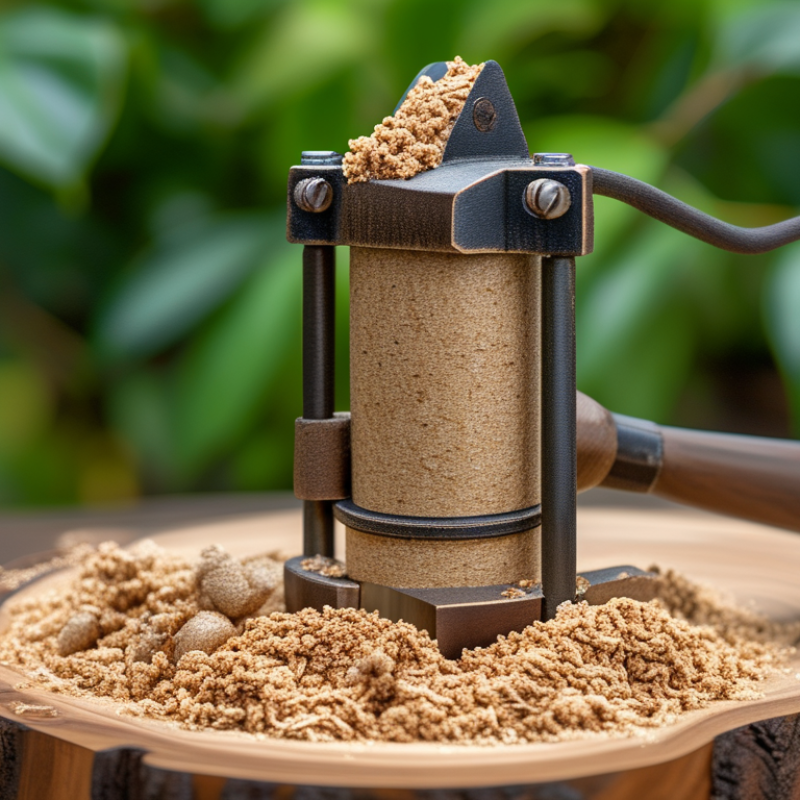
Understanding Wood Pellet Press Types: Pros and Cons for Businesses
When choosing a wood pellet press, it’s crucial to understand the different types available. There are primarily two types: flat die presses and ring die presses. Flat die presses are often more affordable and easier to operate. They work well for small to medium scale production. However, they may not handle large quantities efficiently. This can affect overall productivity and profitability.
On the other hand, ring die presses are designed for high-capacity production. They are more efficient and can produce pellets faster. Yet, the initial investment is higher. The complexity of ring die presses may require specialized training for your staff. Consider these factors carefully before making a decision. Think about current business needs and future growth.
Many businesses find themselves at a crossroads. They can choose a less expensive option that limits scalability or invest in advanced technology. This can be daunting. It’s essential to weigh the pros and cons thoughtfully. Choosing the right press can lead to increased efficiency. But, rushing into a decision may lead to regret later on.
Top 5 Tips for Choosing a Wood Pellet Press for Your Business
Key Specifications to Consider in Wood Pellet Press Selection
When selecting a wood pellet press, several specifications demand careful consideration. The capacity of the press is a key factor. It determines the amount of pellets produced per hour. According to recent industry findings, presses with a capacity between 500 to 2,000 kg/hour are commonly used. Your choice must align with your business scale and production goals.
Additionally, the power consumption of the press should not be overlooked. Efficient models consume less energy while providing optimal output. Industry studies indicate that presses averaging around 50 kW are efficient for mid-sized operations. Durability is also vital. Look for presses made from high-quality materials, as they reduce maintenance costs and downtime.
Moreover, the size of the die and pellet quality have a direct impact on your product's marketability. Presses with adjustable die sizes offer flexibility for different pellet types. Many users report that this versatility is crucial in responding to market demands. These specifications require thoughtful evaluation before a purchase. Ignoring them can lead to costly business setbacks.
Analyzing Production Capacity and Efficiency Metrics for Business Needs
When selecting a wood pellet press, understanding production capacity and efficiency is crucial. The production capacity directly influences your business's profitability. According to a 2023 market report, optimal presses can produce between 1,000 to 3,000 kilograms per hour. This range meets varying business scales, from small operations to larger enterprises. Assessing your needs is essential to choosing the right capacity.
Efficiency metrics also matter significantly. A high-quality pellet press should have an energy efficiency rate of at least 90%. Lower efficiency could lead to increased operational costs. Businesses might overlook this factor, underestimating the long-term savings. Additionally, regular maintenance affects overall performance. A neglected press could decrease capacity by nearly 20% over time. Prioritizing efficiency ensures sustainable production and reduces waste.
Moreover, operational flexibility is invaluable. Different materials may require different pressure settings. Presses that lack versatility can discourage innovation. As reported by the Renewable Energy Association, businesses with adaptable machinery saw a 15% increase in product line expansion. Reflecting on your current setup will help in making informed choices. Always consider your growth potential when investing in equipment.
Top 5 Tips for Choosing a Wood Pellet Press for Your Business
| Tip | Description | Production Capacity (kg/h) | Energy Efficiency (%) | Maintenance Frequency (months) |
| Evaluate Production Needs | Assess your expected production volume to determine the right capacity. | 500 | 85 | 6 |
| Understand Material Compatibility | Ensure the press can handle the types of wood you intend to use. | 750 | 80 | 8 |
| Check for Energy Efficiency | Look for models that optimize energy usage to save costs. | 600 | 90 | 12 |
| Assess Maintenance and Support | Ensure access to support services and availability of spare parts. | 550 | 75 | 10 |
| Evaluate Cost vs. Quality | Balance upfront costs with the expected durability and output. | 700 | 88 | 9 |
Evaluating Cost-Effectiveness of Wood Pellet Press Models and Brands
When evaluating wood pellet press models, consider their cost-effectiveness. The initial investment can vary significantly among different models. It is crucial to analyze both upfront costs and potential long-term savings. A cheaper model might save money initially but could lead to higher maintenance costs down the line.
Understand the capacity and efficiency of the presses. Some may promise high output but lack reliability. This inconsistency can lead to waste and increased energy costs. Look for machines that provide clear specifications about their efficiency rates and expected lifespan. It's also beneficial to read reviews from businesses within your industry. Their experiences can offer insights into the real-world performance of various models.
Don't forget to assess the supplier's support and warranty options. Good customer service can save you from future headaches. A solid warranty is a sign of quality and trust in the product. Ensure that you have access to replacement parts easily. This factor can drastically influence your operational continuity. Choosing the right wood pellet press is a balance between upfront cost and long-term viability. Each step of the evaluation requires careful consideration.
Future Trends in Wood Pellet Press Technology Impacting the Industry
The wood pellet industry is experiencing rapid technological advancements. Emerging trends focus on automation and efficiency to meet growing demand. According to a recent report from the Biomass Power Association, global wood pellet production is projected to reach 50 million tons by 2025. This growth is driving the need for innovative wood pellet presses that align with these trends.
One notable trend is the integration of smart technology into pellet presses. These systems utilize real-time monitoring to enhance production efficiency. They can adjust parameters automatically, reducing waste and downtime. A study shows that automated systems can improve output by up to 25%. This integration not only boosts production but also cuts operational costs significantly.
Furthermore, sustainability remains a pressing concern. Many manufacturers are exploring bio-based materials for constructing pellet presses. This shift not only reduces the carbon footprint but also enhances the durability of the equipment. Reports indicate that using sustainable materials can reduce production costs by up to 15% over five years. However, the challenge lies in balancing cost, quality, and sustainability. It requires careful consideration and innovation in design to meet these evolving industry demands effectively.





