Top 5 Tips for Choosing a Robotic Forklift for Your Warehouse?
In today’s fast-paced warehouse environments, the demand for efficiency is higher than ever. Robotic Forklifts have emerged as a pivotal solution to meet this need. These automated machines are not just a trend; they represent a significant shift in warehouse operations. With their ability to manage materials swiftly, robotic forklifts can reduce labor costs and enhance productivity. However, selecting the right robotic forklift requires careful consideration.
Potential buyers must think beyond just the initial investment. Each model offers unique features tailored to specific tasks. Factors such as load capacity, battery life, and compatibility with existing systems are critical. It’s also important to assess the vendor's support and training offerings. Reflecting on these elements may unveil challenges that require strategic solutions. Opting for a robotic forklift is a decision that should align with long-term operational goals. By reflecting on the salient factors, warehouse managers can make informed decisions that drive efficiency and success.
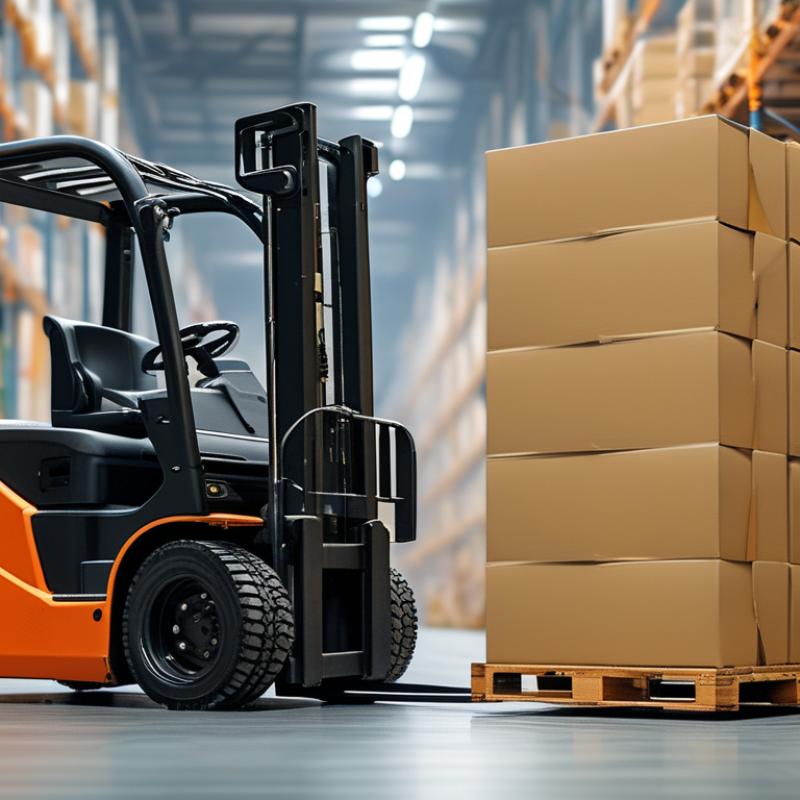
Understanding the Role of Robotic Forklifts in Warehouse Automation
Robotic forklifts play a crucial role in modern warehouse automation. According to a recent industry report by McKinsey, companies using automation can boost productivity by up to 30%. This significant increase stems from the ability of robotic forklifts to operate without human intervention, optimizing space and time efficiency. These machines can navigate narrow aisles and swiftly move goods, reducing potential bottlenecks in operations.
Data from the International Federation of Robotics indicates that the adoption of robotic forklifts is growing at a rate of 15% annually. However, companies must carefully assess their needs before choosing the right model. Factors like weight capacity, battery life, and integration with existing systems are essential to consider. Some businesses have reported challenges in achieving seamless integration, highlighting a gap in training and planning.
The use of robotic forklifts also raises questions about workforce dynamics. While automation can mitigate labor shortages, it can lead to concerns among employees. Workers might feel anxious about job security as robots take over repetitive tasks. Engaging employees in the automation process and providing reskilling opportunities can help alleviate such concerns, fostering a positive environment amid technological change.
Key Features to Consider When Selecting a Robotic Forklift
When selecting a robotic forklift, there are key features to consider that can significantly enhance warehouse efficiency. One essential factor is the lift capacity. Many robotic forklifts can handle loads ranging from 1,000 to 3,000 pounds. Choosing the right capacity ensures safety and productivity. Data shows that 67% of warehouse accidents stem from overloading equipment, making this feature critical.
Another important aspect is the navigation technology used by the forklift. Popular options include laser-based and camera-based systems. Laser navigation often provides higher accuracy, which can reduce bottlenecks. According to industry reports, warehouses using advanced navigation systems experience an up to 30% increase in operational efficiency. This improvement can lead to a rapid return on investment, as operations become smoother and more streamlined.
Battery life should also be evaluated carefully. Many robotic forklifts run on lithium-ion batteries, which can last up to eight hours. However, charging times can vary significantly. Some models require just one hour to recharge, while others may take much longer. If not considered, battery issues can lead to operational delays. With an increasing need for productivity, exploring these aspects is vital for making the best choice.
Top 5 Features to Consider When Choosing a Robotic Forklift
Assessing the Capacity and Size Requirements for Your Warehouse Needs
Selecting the right robotic forklift for your warehouse involves careful consideration of capacity and size requirements. Many warehouses face challenges due to inadequate equipment, resulting in operational inefficiencies. For example, a report by the Material Handling Industry of America indicates that up to 60% of warehouse operations often cannot meet their merchandise throughput goals because of mismatched equipment.
Identify your lifting needs and weights of stored materials. Robotic forklifts typically range in capacity from 1,000 to 8,000 pounds. An analysis from a logistics consulting firm shows that nearly 50% of warehouses operate equipment beyond their intended capacity, leading to frequent breakdowns. Also, consider aisle widths and shelf heights. Properly sizing equipment prevents unnecessary wear and tear. Ensuring that the dimensions fit your current layout can lead to substantial savings in operational costs.
While evaluating size requirements, don't overlook the potential for future growth. Warehouses often expand or change inventory types. Harboring outdated forklift models can severely limit operational flexibility. Insights from the International Warehouse Logistics Association have shown that companies investing in adaptable equipment see a 30% boost in efficiency during inventory adjustments. Assessing capacity and size thoughtfully ensures your robotic forklift aligns with both current and future warehouse needs.
Evaluating Safety Standards and Compliance for Robotic Forklifts
When choosing a robotic forklift, safety standards and compliance are paramount. The autonomous nature of these machines poses unique risks, making adherence to safety regulations crucial. According to the Occupational Safety and Health Administration (OSHA), nearly 10,000 injuries occur annually due to forklift accidents. So, it’s essential to ensure that any robotic forklift you consider meets, or even exceeds, the required safety standards.
A comprehensive evaluation should include reviewing the safety features of the robotic forklift. Look for models equipped with advanced sensors, emergency stop functions, and collision avoidance systems. The International Organization for Standardization (ISO) emphasizes that robotic systems in warehouses must align with ISO 3691-4, which outlines safety requirements specifically for driverless industrial trucks. Understanding these standards can guide your selection process and reduce potential liabilities.
Training staff on these safety compliance measures is equally important. Research indicates that 30% of workplace accidents stem from inadequate training. Even with advanced robotic technology, the human element remains critical. Regular safety audits and adherence to established protocols can help mitigate risks associated with robotic forklifts in a warehouse environment.
Comparing Costs and Maintenance Options for Long-Term Investment
When selecting a robotic forklift, understanding costs and maintenance options is crucial for long-term investments. The initial price may seem daunting. However, consider longevity and reliability. A lower-priced option may have higher maintenance costs. Investing in quality can result in savings over time.
Another factor to evaluate is the frequency of required maintenance. Regular service can prevent breakdowns and extend the life of the forklift. Look for systems with easy access to parts. This can help reduce downtime. Check service availability in your area. Locating qualified technicians is essential.
Understand your warehouse layout and the specific tasks the forklift will perform. This knowledge will guide you in choosing the right model. The wrong choice can lead to inefficiency. Think about how often the unit will be used. Heavy usage demands a robust design. The wrong investment may not only lead to higher costs but also impact productivity and safety.





