Top Tips for Choosing a Compact Wheel Loader Today?
Choosing the right Compact Wheel Loader can be a daunting task. Industry expert John Doe once stated, "Selecting a compact loader is about understanding your unique needs." This underscores the critical importance of making informed decisions.
Compact Wheel Loaders are versatile machines that can enhance productivity on various job sites. However, not all loaders are created equal. Candidates must consider their specific applications, budget, and key features. Some loaders excel at lifting, while others are better suited for material handling. Understanding these differences is vital for making the right choice.
Buyers should also reflect on the long-term value of their investment. While a lower-cost loader may seem attractive, it is crucial to assess reliability and maintenance costs. A more expensive model might offer better performance and durability. These reflections are essential when selecting a Compact Wheel Loader that truly meets your operational needs.
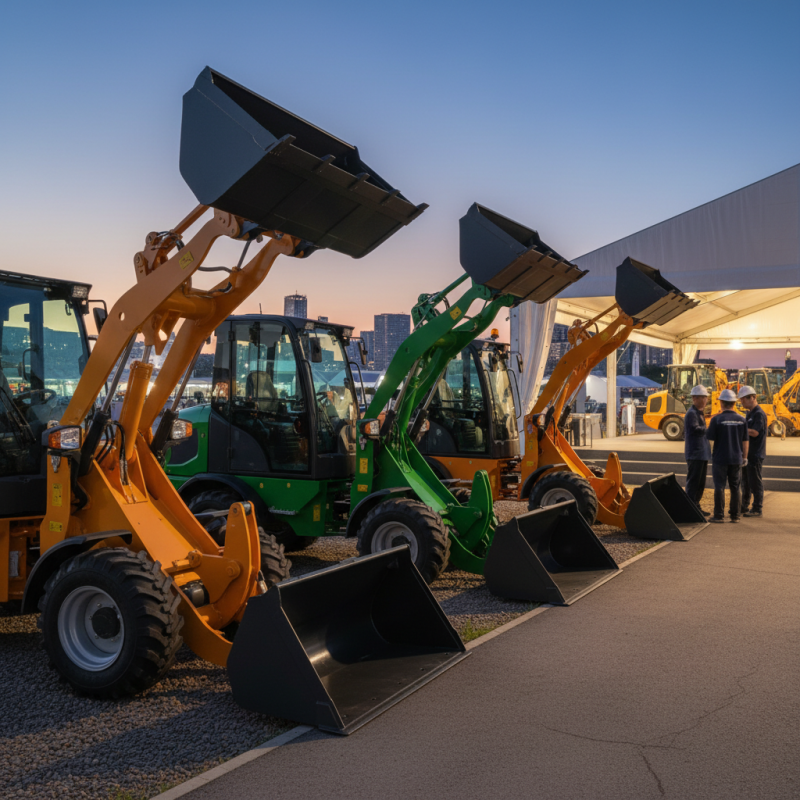
Understanding the Key Features of Compact Wheel Loaders
When selecting a compact wheel loader, understanding key features is crucial. These machines are often chosen for tight spaces and versatility. There are several distinct aspects to consider.
One vital feature is the lift capacity. Many compact wheel loaders provide a capacity ranging from 1,500 to 3,500 pounds. A loader with a higher lifting capacity allows for moving heavier materials, increasing productivity. Pay attention to the machine's operating weight. A well-balanced weight ensures stability during operations. Opt for models with advanced hydraulic systems. They offer faster cycle times, which is essential for efficiency.
Tip: Always test the loader’s maneuverability. How it handles tight turns is critical. Operators should find a machine that fits their comfort level. Additionally, examine the attachment compatibility. Some loaders can use various attachments which enhance functionality.
Another aspect is engine performance. Many compact models utilize efficient diesel engines, operating around 50 to 70 horsepower. While power is essential, fuel efficiency matters too. Industry reports reveal that about 25% of operating costs are fuel-related. Opt for loaders with extended maintenance intervals to lower downtime.
Lastly, don’t overlook operator comfort. An ergonomic cab design improves productivity and safety. Elements like visibility, noise levels, and controls should be prioritized. A comfortable operator can significantly impact project efficiency. Investing in features that enhance the operator experience may yield long-term benefits.
Assessing Your Specific Needs for a Compact Wheel Loader
When choosing a compact wheel loader, understanding your specific needs is crucial. Start by evaluating the jobs you plan to handle. Will you be moving dirt, gravel, or landscaping materials? Each task may require different features. Consider the weight capacity and bucket size. They determine how much you can lift and move efficiently.
Another tip is to assess the working environment. Is there limited space? A smaller model might be suitable if navigating tight areas is essential. Think about the terrain as well. Are you working on soft ground or hard surfaces? This can influence tire selection. Avoid settling on the first model that looks good; reflect on your unique challenges.
Also, think about your long-term plans. How often will you use the loader? If it's a daily tool, investing in a more robust option may save costs over time. Remember to account for maintenance needs. Regular upkeep is vital. A compact wheel loader might look appealing, but if it requires frequent repairs, it could be more of a burden. Don’t rush the decision; weigh your options carefully.
Comparing Brands and Models of Compact Wheel Loaders
When comparing compact wheel loaders, it's crucial to consider the application. Each model has unique features. Some excel in lift capacity. Others may be better suited for tight spaces. Research each model's specifications thoroughly. Look for reviews from users. Their experiences provide valuable insights.
One tip is to test the loader in a real work environment. This approach gives you a better feel for its maneuverability and power. Pay attention to comfort as well. Operators will spend many hours in the cab. Ergonomics and visibility are important.
Also, think about maintenance needs. Some models require more frequent servicing. This could lead to higher long-term costs. It's useful to learn about parts availability as well. A reliable model can save time and minimize frustration. Ultimately, weighing these factors will help you make a well-informed choice.
Evaluating Cost and Budget Considerations for Purchase
When considering the purchase of a compact wheel loader, budget constraints play a vital role. Establish a clear budget before you start looking. Identify how much you can spend upfront. Remember, maintenance costs will add to your expenses later. These include fuel, repairs, and regular servicing. Be realistic about these figures.
Evaluating costs involves more than just the purchase price. Look into financing options and long-term investment returns. Decide if you want to rent or buy. Rentals may seem cheaper initially but can become costly over time. Compare the efficiency and productivity of models within your budget. A cheaper option may save money now but might not meet your operational needs effectively.
Don’t overlook the resale value. Some models depreciate quickly, while others hold value better. Think about longevity and usability. Can the loader handle future projects? Your choice should reflect both current and future needs. This balance will help ensure you make a sound financial decision.
Top Tips for Choosing a Compact Wheel Loader Today? - Evaluating Cost and Budget Considerations for Purchase
| Feature | Description | Average Cost (USD) |
| Engine Power | Measured in horsepower; affects lifting capacity and speed. | $30,000 - $50,000 |
| Operating Weight | Weight of the loader; impacts stability and traction. | $25,000 - $45,000 |
| Lift Capacity | Max weight the loader can lift; crucial for job requirements. | $35,000 - $55,000 |
| Bucket Size | Volume of the bucket; affects material handling efficiency. | $28,000 - $48,000 |
| Attachment Options | Versatility to use various attachments for different tasks. | $30,000 - $60,000 |
Exploring Maintenance and Support Options for Your Loader
Choosing a compact wheel loader involves careful consideration of maintenance and support options. A report from the Construction Equipment Association highlights that 30% of equipment downtime is caused by inadequate maintenance. Regular checks are key to keeping a loader operational. Users must be proactive in scheduling routine servicing.
Maintenance contracts can provide peace of mind. Research indicates that loaders with support programs have a 25% higher utilization rate. Consider options like extended warranties or service packages. These not only cover unexpected repairs but also reduce costs in the long run. Awareness of service accessibility is crucial. It's important to choose a loader that can be serviced locally.
Investing in training for operators is essential. A well-trained team can identify issues early, significantly reducing repair times. A study revealed that companies investing in training saw a 15% decrease in maintenance costs. Loaders equipped with advanced diagnostic tools also help streamline maintenance. Manufacturers often provide software to monitor the loader’s health. However, not all users take advantage of these tools, leading to missed opportunities for efficiency.





