Top Thermocouple Module Manufacturers in China
The Thermocouple Module is a small component with an outsized role in dependable temperature measurement. In factories, laboratories, and equipment panels, it converts thermocouple signals into data control systems can use. China has a broad supplier base, from specialist sensor firms to automation manufacturers and OEM-focused producers. That range creates opportunity, but it also makes comparisons less straightforward. Catalog photos rarely tell the whole story. Buyers should check input types, channel count, measurement range, accuracy, isolation, response time, and communication interfaces. Details matter. A module designed for a compact machine may not suit a high-noise process line.
This guide introduces leading Thermocouple Module manufacturers in China and the practical differences buyers should investigate. It considers product coverage, customization options, technical documentation, quality controls, and support after delivery. Published specifications and company information offer useful starting points, but they do not replace application testing. Ask how cold-junction compensation works, which thermocouple types are supported, and whether accuracy holds across the operating range. Confirm wiring requirements and PLC or fieldbus compatibility before requesting samples. Not every supplier documents these points equally well. That gap deserves attention. The right choice depends on installation conditions, not price or a headline specification alone. Use this overview to build a shortlist, then verify performance with your own sensor, wiring, and operating conditions. Some comparisons remain imperfect; product revisions and regional support can change. That is worth remembering.
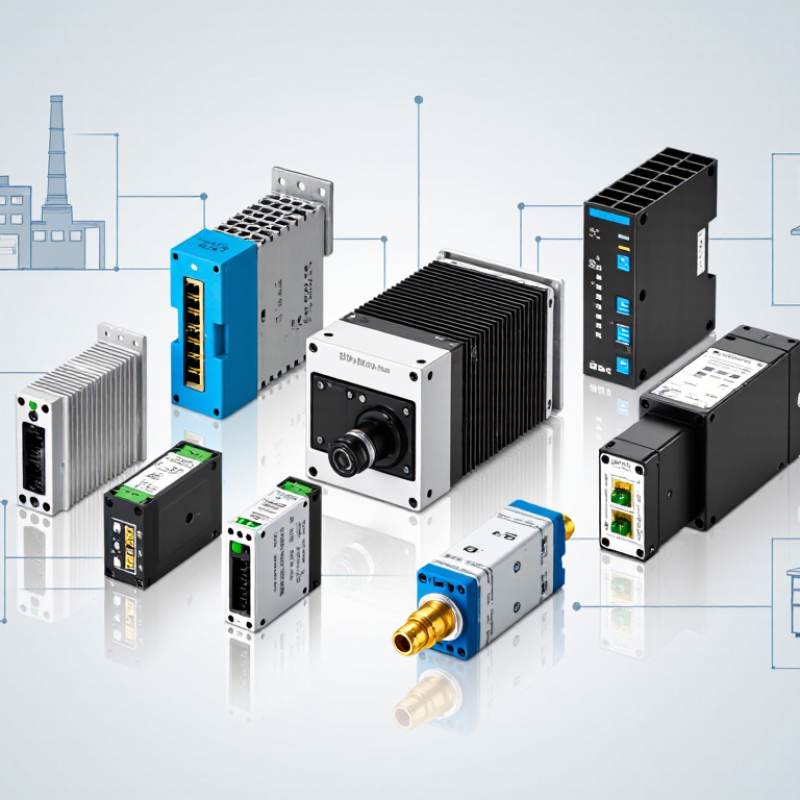
Thermocouple Modules: Design, Functions, and Key Components
A thermocouple module converts a small voltage from a thermocouple into usable temperature data. At its input terminals, the module must preserve a signal that can change with tiny temperature differences. A cold-junction sensor measures the terminal temperature, allowing the module to compensate for the reference junction. The signal then passes through an amplifier and analog-to-digital converter. Many designs also apply filtering and thermocouple-specific linearization. Small details matter.
Inside the housing, terminal blocks, isolation barriers, circuit boards, and communication interfaces all affect performance. Electrical isolation can help limit interference between field wiring and control equipment, while filtering reduces noise from nearby motors or long cable runs. These features vary by module, so installation conditions should guide selection. Check supported thermocouple types, input range, accuracy specifications, and calibration procedures. A datasheet alone is not enough; wiring and grounding matter too. Real installations are less tidy than bench tests. That gap matters. Compare measurements against a suitable reference under expected operating conditions, and document any drift or unusual readings.
Thermocouple Temperature Ranges: A Design Reference
Bars show the approximate upper temperature limits of standardized thermocouple reference functions, not guaranteed operating limits. Actual limits depend on wire construction, insulation, atmosphere, and the thermocouple module’s input specifications.
China’s Thermocouple Module Manufacturing Industry
China’s thermocouple module manufacturing industry serves process plants, equipment builders, and laboratory systems. Modules combine sensor inputs with cold-junction compensation, isolation, and signal conversion. Small design choices matter. A loose terminal or poorly matched extension wire can distort readings, especially across long cable runs.
Fortune Business Insights estimated the global thermocouple market at USD 4.25 billion in 2023, projecting USD 6.01 billion by 2032. This is a global estimate, not a measure of Chinese module sales. Still, it points to sustained demand for temperature measurement. Chinese suppliers compete through varied input counts, compact rail-mounted housings, and integration with common industrial communication systems.
Manufacturing strength depends on more than assembly volume. Buyers should check calibration records, cold-junction performance, electrical isolation, and stability across the stated temperature range. Ask how each module is tested. A datasheet alone is not enough. China’s broad electronics supply chain can support flexible production, but consistency between batches deserves careful review. That detail is easy to overlook. An occasional weak point in public market data is its limited separation of complete thermocouple modules from sensors and other temperature products.
Top Thermocouple Module Manufacturers in China - China’s Thermocouple Module Manufacturing Industry
| Thermocouple Type | Positive and Negative Conductors | Common Approximate Temperature Range | Typical Measurement Use | Thermocouple Module Design Consideration |
| K | Nickel-chromium / nickel-aluminium alloy | Approximately −200 to 1,260 °C | General-purpose industrial temperature measurement | Confirm K-type linearization and cold-junction compensation support. |
| J | Iron / copper-nickel alloy | Approximately −210 to 760 °C | Process measurement in compatible, generally non-oxidizing conditions | Check that the selected input configuration explicitly supports J-type sensors. |
| T | Copper / copper-nickel alloy | Approximately −200 to 370 °C | Low-temperature measurement, including refrigeration applications | Verify the module’s specified measurement range and resolution for low-temperature work. |
| N | Nicrosil / Nisil nickel-based alloys | Approximately −200 to 1,300 °C | High-temperature industrial measurement | Check N-type calibration support and the input’s rated temperature limits. |
| R | Platinum-13% rhodium / platinum | Approximately 0 to 1,450 °C | High-temperature measurement in suitable oxidizing environments | Ensure the module supports noble-metal thermocouple inputs and the required range. |
| S | Platinum-10% rhodium / platinum | Approximately 0 to 1,450 °C | High-temperature measurement, including laboratory and process applications | Check S-type support, cold-junction compensation, and installation requirements. |
Temperature ranges are approximate common-use values, not guaranteed module ratings. Actual limits and measurement accuracy depend on thermocouple wire, construction, applicable standards, and the module datasheet. Thermocouple types and tolerance requirements are covered by IEC 60584.
Leading Thermocouple Module Manufacturers in China
Leading thermocouple module manufacturers in China serve automation, process control, and equipment-monitoring projects. Their modules convert small thermoelectric signals into usable measurements for controllers or data-acquisition systems. Common design details include supported thermocouple types, input range, channel count, isolation, and cold-junction compensation. These features affect accuracy in real installations.
A useful supplier can explain how its module handles electrical noise, wiring faults, and temperature changes around the terminals. Ask for calibration records, test conditions, communication protocols, and clear installation documents. Ask for evidence. A product sheet alone may not reveal performance near motors or long cable runs. Check whether the manufacturer can provide sample testing and technical support for your intended setup. Small errors matter.
Selection should match the sensor, controller, and operating environment, rather than rely on a broad accuracy claim. Compare stated error limits across the full temperature range, and confirm whether figures include sensor or compensation effects. Some specifications can be easy to misread. That deserves a closer look. A careful review of drawings, test reports, and response times helps buyers judge whether a Chinese manufacturer is a practical fit for steady, repeatable measurement.
Manufacturing Capabilities, Certifications, and Quality Control
Top Thermocouple Module Manufacturers in China
Manufacturing capability is more than assembly speed. A dependable supplier should control sensor inputs, PCB production, cold-junction compensation, and final calibration. Ask how each batch is checked across its operating range. Look for traceable reference instruments, documented test results, and clear procedures for handling failed units. Small details matter: a loose terminal screw or uneven solder joint can distort a reading.
Certifications help assess process discipline, but they do not guarantee module accuracy. The ISO Survey 2022 recorded over 1.2 million valid ISO 9001 certificates worldwide, reflecting broad adoption of quality-management systems—not proof of any product’s performance. For thermocouple modules, check whether testing follows relevant IEC 60584 requirements and whether suppliers record calibration conditions, uncertainty, and serial-level results. Thermal cycling and burn-in tests can reveal drift or intermittent connections. Still, no test plan catches everything; supplier claims deserve careful verification.
Tip: Request a sample report showing readings at several temperatures, not just a pass certificate. Check that the stated thermocouple type, reference junction method, and test limits match your application. A neat report is useful. Raw data is better.
Applications and Factors for Comparing Manufacturers
Thermocouple modules are used in furnaces, plastic processing lines, laboratory ovens, and equipment that monitors multiple temperature points. A module may read several probes beside a machine, where vibration, electrical noise, and fast temperature changes affect the signal. Check whether its input type matches the installed thermocouples, such as K or J, and confirm the measurement range, accuracy, and cold-junction compensation method. Wiring details matter. A mismatched extension cable or poorly shielded lead can produce unstable readings, even when the module itself meets its specification.
When comparing manufacturers in China, ask for datasheets, calibration records, and test conditions—not just a headline accuracy figure. Compare channel count, isolation, response time, communication options, operating temperature, and mounting dimensions against your actual installation. Request a sample unit if the module will connect to an existing controller; verify its readings with a known temperature source and inspect the terminal layout. Fit matters. Ask how production batches are checked and how technical questions are handled after delivery. A spreadsheet helps, but it can hide differences in test methods. Even experienced buyers may overlook connector spacing or software compatibility, so leave room for a practical review before ordering.





