Top 10 Steel Pipe Manufacturers for Global Buyers
Global buyers rarely choose a Steel Pipe manufacturer on price alone. Wall thickness, grade consistency, weld quality, coating, and delivery records matter on the shop floor. A polished mill certificate is useful, but the pipe must still match the order and intended service. Details decide. This guide compares ten manufacturers through practical procurement questions, not brand claims alone.
Andrew Carnegie, an influential steel industry pioneer, observed, “No man will make a great business who wants to do it all himself or get all the credit for doing it.” His words are not a pipe-buying rule, but they highlight the value of skilled teams and dependable partners. For buyers, that means checking production range, traceability, inspection practices, and the ability to explain deviations clearly. Ask about the actual grade and standard offered; vague assurances are not enough. Keep records.
Supplier comparisons also need context. A large mill may suit a long infrastructure order, while a regional producer may offer closer coordination or shorter lead times. Neither advantage is automatic. Capacity, export experience, documentation, and after-sales support can vary by plant and product line. This Top 10 overview gives global buyers a starting point for shortlisting steel pipe manufacturers, then verifying fit directly. Rankings can simplify a complex market, yet they cannot replace technical review, sample checks, or clear contract specifications. Some details are easy to overlook. That is worth admitting.
Steel Pipe Types, Manufacturing Processes, and Global Markets
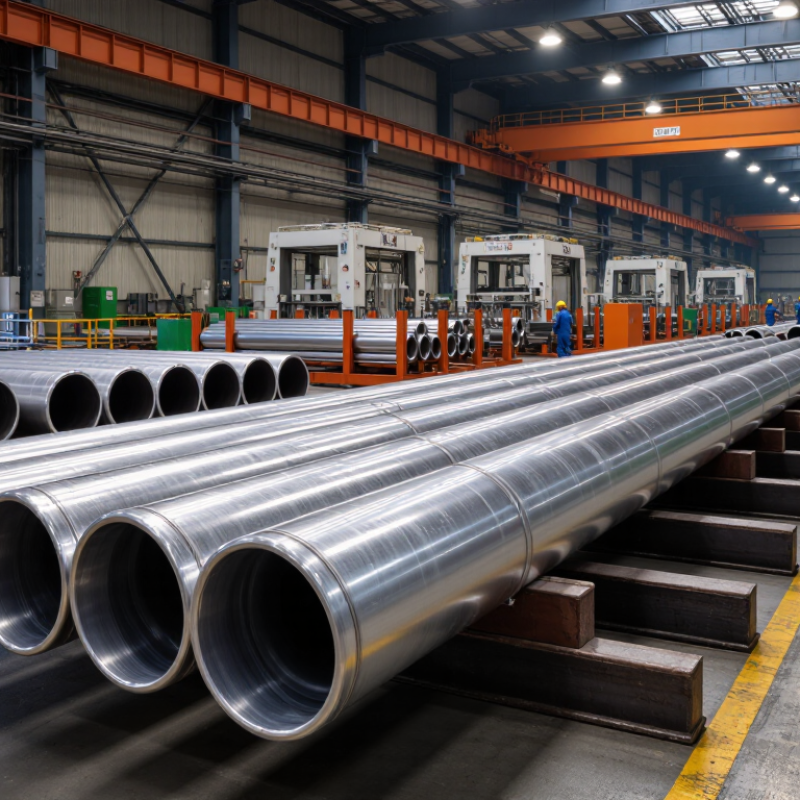
Steel pipe choice depends on pressure, temperature, corrosion exposure, and installation conditions. Seamless pipe is formed from a heated billet, pierced, then rolled to size. It is often selected for demanding pressure applications, though quality still depends on material grade and inspection. Welded pipe begins as steel plate or coil, formed into a tube and joined along its seam. Electric-resistance and submerged-arc welding suit different sizes and service needs. Neither route is automatically superior.
Manufacturing details matter. Heat treatment can change strength and toughness, while sizing and straightening help control dimensions. Buyers should review the product standard, wall-thickness tolerance, test records, and traceability documents. Global suppliers may use different standards or units, so confirm the specification in writing before comparing quotes. A low price can hide differences in coating, inspection scope, or delivery terms. I would not assume every certificate answers every question; verify what the stated tests actually cover.
Tips: Check pipe markings against the order, then inspect a sample for coating damage, ovality, and visible seam irregularities. Ask how defects are handled. Small details count.
Criteria for Selecting Leading Steel Pipe Manufacturers
Selecting a steel pipe manufacturer starts with the application, not the catalogue. Define the pipe’s grade, outside diameter, wall thickness, length, and service conditions. Then check whether the manufacturer can meet those specifications consistently. Ask for material test reports and heat-number traceability. These records help connect each pipe bundle to its production batch. Paperwork matters.
Quality controls should be specific and verifiable. Ask how welds are inspected, which dimensional checks are recorded, and whether pressure testing applies to your order. A clear inspection plan is more useful than a broad quality claim. Review sample reports, defect procedures, and the process for handling nonconforming pipe. If possible, arrange a facility visit or independent inspection. No mill is perfect. Even strong systems can miss an unusual defect, so confirm how issues are documented and resolved.
Tips: Compare lead times against actual production capacity, not a sales estimate alone. Request a sample schedule with inspection and shipping milestones. Check packaging details, too: end caps, bundle strapping, and labels can prevent damage or mix-ups during transit. Keep a written list of agreed tolerances and tests. It may feel repetitive, but small assumptions often cause costly delays.
Profiles of 10 Steel Pipe Manufacturers for Global Buyers
A useful supplier shortlist starts with manufacturing fit, not catalog size. The World Steel Association’s World Steel in Figures 2024 reports 1,892.2 million tonnes of crude steel produced in 2023. That is useful industry context, not a measure of pipe output. One integrated mill may control steelmaking and pipe production. An electric-resistance-welded producer often suits standard line-pipe sizes. A seamless specialist serves applications where weld-free construction is specified. Fit matters.
Other profiles differ in process and end use. A large-diameter, longitudinally welded mill can make heavy plate pipe for demanding projects. A spiral-welded producer may offer flexibility across diameters. A stainless-steel maker focuses on corrosion resistance and grade traceability. An oil-country tubular goods specialist supplies casing and tubing, where connection quality matters. A precision cold-drawn producer targets tight tolerances for machinery. An alloy-pipe manufacturer serves elevated-temperature or pressure requirements. Ask for evidence.
The final two profiles are a large-diameter water-pipe producer and a regional manufacturer offering shorter runs or responsive delivery. Together, these ten types show why buyers should compare process capability, not just price. Request current mill test certificates, dimensional tolerances, inspection records, and realistic lead times. Check whether stated standards match the project specification; similar labels can conceal different test scopes. A polished brochure is not proof. I would also verify capacity directly, since reported nameplate output can differ from available production.
Global Crude Steel Production (2019–2024)
Annual global crude steel production provides market context for buyers comparing steel pipe manufacturers. These figures represent the steel industry as a whole, not individual manufacturers or pipe output.
Source: World Steel Association, annual crude steel production statistics. Values are in million tonnes.
Comparing Product Range, Quality Standards, and Global Reach
Global buyers should compare steel pipe manufacturers by product fit, verified quality, and delivery reach—not catalog size alone. A useful shortlist separates seamless and welded pipe, then checks whether the mill supplies line pipe, casing, pressure pipe, or structural grades. World Steel Association’s World Steel in Figures 2024 reports 1,892.2 million tonnes of crude steel production in 2023. That figure describes steelmaking, not pipe capacity. The distinction matters. Ask for current mill test certificates, heat-number traceability, and evidence that the offered grade meets the specified standard, such as ISO 3183 or API 5L. A certificate alone cannot answer every quality question.
Global reach is practical, not just a map of export markets. UNCTAD’s Review of Maritime Transport 2024 says shipping carries over 80% of world merchandise trade by volume. Buyers should therefore check port access, packaging, shipment frequency, and the supplier’s record handling delays or damage. Details matter. Compare promised lead times with stock availability, and confirm who manages inspection and documentation. A manufacturer may offer many diameters yet lack the exact wall thickness needed for a project. No checklist removes judgment; even a polished comparison can miss a weak point in communication. Ask specific questions, and judge the answers as closely as the product range.
How Buyers Can Evaluate and Shortlist Suppliers
Shortlisting steel pipe suppliers starts with matching their process to the project. World Steel Association’s World Steel in Figures 2024 reports global crude steel production of 1,892.2 million tonnes in 2023. That scale makes capacity claims easy to make, but not easy to verify. Ask for recent production records, monthly capacity by pipe type, and lead times for the required sizes and grades. A large mill may still be a poor fit for small, varied orders.
Check whether the supplier can provide material test certificates linked to heat numbers and individual bundles. Confirm that its testing and inspection plan covers the required dimensions, wall thickness, weld quality, and non-destructive testing. Standards such as API 5L or ASTM specifications matter only when they match the purchase requirements. Request sample records, then compare them with an independent inspection report where the order’s risk justifies it. A clean brochure is not proof.
Compare suppliers using the same scorecard: specification compliance, traceability, defect handling, delivery performance, and total landed cost. Ask for references from buyers with similar pipe sizes and end uses. Check how the supplier handles a rejected batch, including replacement timing and documented corrective action. No scorecard catches every production surprise. I would still verify a few details directly with the mill, not only through a sales contact.





