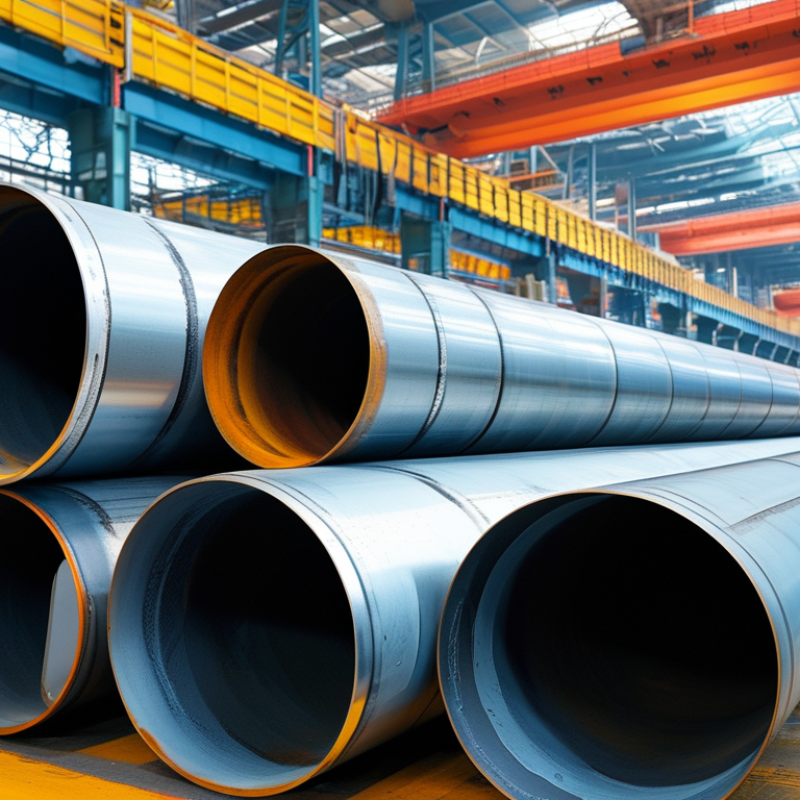
China Top Steel Pipe Manufacturers and Their Best Products?
The Steel Pipe industry plays a crucial role in global infrastructure. In China, several manufacturers dominate this sector, producing a range of high-quality steel pipes. These products serve various applications, including construction, oil and gas, and water supply.
Leading manufacturers have showcased innovative techniques and exceptional craftsmanship. Their products not only meet rigorous international standards but also integrate advanced technology for improved durability. Many companies emphasize sustainability, reflecting a commitment to environmentally friendly practices.
However, the rapid growth raises concerns. Issues like quality control and production consistency need attention. Companies must continuously adapt to market demands while ensuring reliability in their steel pipe offerings. Balancing innovation with quality assurance remains a challenge for these manufacturers.
China's Steel Pipe Industry Overview: Market Size and Growth Trends
China's steel pipe industry shows steady growth. In recent years, it has grown significantly, with a market size estimated at USD 30 billion in 2022. The industry benefits from robust demand in construction and energy sectors. However, there are challenges, including fluctuating raw material prices and environmental regulations.
Market analysis indicates that China's steel pipe production capacity reached over 50 million tons in 2022. This reflects a 5% increase compared to the previous year. The increasing infrastructure projects and energy requirements, especially in renewable energy, drive further growth. Yet, industry players often struggle with production efficiency and quality control.
Tips for stakeholders: Stay informed on market trends and consumer preferences. Invest in sustainable practices to meet regulatory standards. Regular training for staff can improve quality control. Monitoring global steel prices is crucial for cost management. Adaptability in operations can also enhance competitiveness in this evolving market.
China's Top Steel Pipe Manufacturers - Overview
| Manufacturer Type | Annual Production (Metric Tons) | Main Products | Market Share (%) | Growth Rate (%) |
| Large Scale Manufacturer | 1,500,000 | Seamless Steel Pipes | 25.0 | 8.5 |
| Medium Scale Manufacturer | 800,000 | Welded Steel Pipes | 15.0 | 5.2 |
| Small Manufacturer | 300,000 | Galvanized Pipes | 10.0 | 3.0 |
| Specialized Manufacturer | 500,000 | High-Pressure Pipes | 20.0 | 7.0 |
| Export-Focused Manufacturer | 400,000 | API Pipes | 12.0 | 6.5 |
Leading Steel Pipe Manufacturers in China: Key Players and Capacities
China has become a global leader in steel pipe manufacturing. Key players in this industry exhibit significant production capacities. These manufacturers cater to various sectors, including construction, automotive, and energy. They produce a wide range of steel pipes, including seamless and welded varieties, designed for durability and performance.
When considering steel pipe suppliers, you might explore their specific strengths. Some manufacturers excel in producing heavy-duty pipes. Others focus on innovative designs for special applications. It’s essential to assess the specific requirements of your project. Evaluating the quality certifications and production methods of each manufacturer is crucial.
Tip: Look for manufacturers that provide quality assurance tests with their products. This can be an indicator of reliability.
Even within a strong market, variability exists. Some manufacturers struggle with consistent quality. Others may have limited production capacities, impacting supply. Thus, it's vital to conduct thorough research. Gather insights from industry experts and peer reviews.
Tip: Don’t hesitate to inquire directly about past projects. Assessing their experience can provide clarity on their capabilities.
Product Categories: Types of Steel Pipes and Their Applications
China's steel pipe industry is diverse, with various types tailored for specific applications. Steel pipes are categorized based on their manufacturing process, such as seamless and welded. Seamless pipes offer higher durability, making them suitable for high-pressure applications. In contrast, welded pipes are generally more cost-effective and widely used in construction.
According to industry reports, the demand for steel pipes is expected to increase by 5% annually, driven by infrastructure projects and energy sector growth. This trend indicates a shift towards high-performance materials, particularly in oil and gas applications. Pipe specifications often include diameter, wall thickness, and material grades, which are crucial in determining their suitability for different jobs.
Tips: When choosing steel pipes, always consider the environment where they will be used. Corrosive settings may require protective coatings or specialized alloys. Regular maintenance practices can prolong the life of steel pipes and reduce unexpected failures. Users should also reflect on their project needs and determine the right type before making a purchase. This careful evaluation can prevent potential inefficiencies and costly mistakes.
Quality Standards and Certifications: Ensuring Product Excellence in China
In the steel pipe manufacturing sector, quality assurance is paramount. Robust standards and certifications play a vital role in this industry. The demand for high-quality steel pipes has led to stricter regulations. For instance, certifications like ISO 9001 focus on ensuring consistency and excellence in production. According to a recent market report, over 70% of leading manufacturers have adopted such standards to enhance their market position.
Moreover, the implementation of the ASTM and ASME standards is critical. These standards dictate material specifications, testing methods, and dimensions. Consequently, manufacturers that comply with them often gain a competitive edge. A survey indicates that products meeting these certifications report 30% fewer failures in operational environments. However, not all companies prioritize these standards equally, and this disparity can lead to quality inconsistencies.
Many manufacturers struggle to keep up with evolving regulations. The industry is witnessing rapid advancements in material science and production techniques. Yet, some companies lag behind due to the high costs associated with obtaining these certifications. As a result, buyers need to conduct due diligence. It is essential to assess the quality documentation of potential suppliers to avoid the pitfalls of inferior products. Quality assurance is not just about compliance; it is about building trust.
Emerging Innovations in Steel Pipe Manufacturing: Trends and Technologies
The steel pipe manufacturing industry is witnessing rapid innovations. Advanced technologies are shaping production processes. Automation enhances efficiency and reduces human error. Manufacturers are now using smart sensors. These sensors monitor various parameters in real-time. This trend leads to higher quality and performance.
Furthermore, environmentally-friendly practices are taking center stage. Recyclable materials contribute to sustainability. Energy-efficient machines consume less power during production. However, challenges remain. Implementing new technologies can require significant investment. Some companies struggle to adapt. Training staff on new systems often takes time.
Customer demand is evolving. There’s a growing need for customized solutions. Manufacturers are exploring 3D printing for bespoke designs. This technique allows for complex geometries. However, the technique is not without hurdles. Material limitations can affect strength and durability. Balancing innovation with practical application is essential for progress.