Top 10 Stainless Steel Mixing Tanks for Global Buyers?
In today's manufacturing landscape, stainless steel mixing tanks play a crucial role. These tanks are essential for various industries, including food, pharmaceuticals, and chemicals. Their durability and resistance to corrosion make them a preferred choice for many global buyers.
Choosing the right stainless steel mixing tank can be a daunting task. With numerous options available, buyers often struggle to identify the best fit for their needs. Considerations such as tank size, mixing efficiency, and maintenance are critical. Not all tanks are created equal, and making an informed choice can greatly impact production quality.
This article explores the top 10 stainless steel mixing tanks available on the market today. Each option has unique features that can enhance your mixing processes. While some tanks excel in large-scale operations, others are better suited for smaller applications. The goal is to provide reliable insights to help buyers make educated decisions.
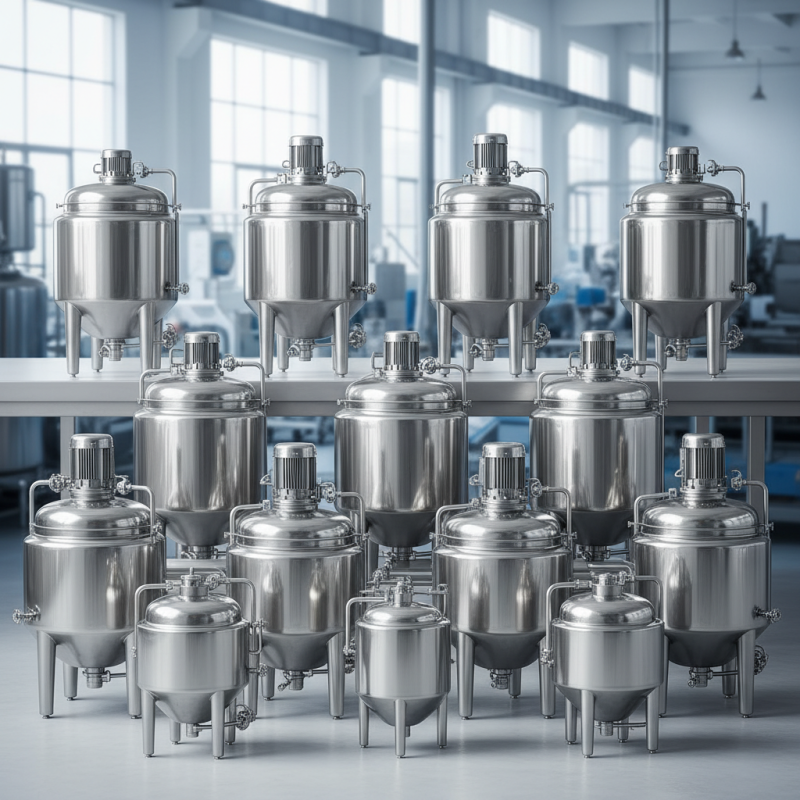
Overview of Stainless Steel Mixing Tanks in Global Markets
Stainless steel mixing tanks are crucial in various industries. Their durability and resistance to corrosion make them a practical choice for food processing, pharmaceuticals, and chemical production. According to a recent market report, the global stainless steel mixing tank market is projected to grow at a CAGR of 5.2% over the next five years. This growth indicates a rising demand for high-quality mixing solutions across multiple sectors.
In food processing, for instance, stainless steel tanks help maintain hygiene standards while providing efficient mixing capabilities. The ability to withstand high temperatures and pressures is vital in ensuring product consistency. However, not all manufacturers meet the rigorous safety and quality standards expected in this industry. Continuous quality assurance practices are necessary to ensure reliability.
The pharmaceutical sector relies heavily on these tanks for drug formulation. Mixing tanks must adhere to strict regulatory requirements, which often leads to increased production costs. It’s crucial for buyers to consider these factors when selecting a mixing tank. A comprehensive assessment of supplier credentials and tank specifications can significantly impact overall production efficacy.
Key Factors to Consider When Selecting Mixing Tanks
When selecting stainless steel mixing tanks, several key factors demand attention. Material quality is paramount. Stainless steel offers durability and resistance to corrosion. It is ideal for food and pharmaceutical applications. According to industry reports, 70% of buyers prioritize compliance with FDA standards when making their choices.
Capacity is another critical consideration. Mixing tanks come in various sizes, impacting production efficiency. A 2023 survey indicated that 60% of manufacturers assess their current and future needs before deciding. It's vital to match tank size with output requirements. Oversized tanks can lead to inefficiency and increased costs.
Additionally, the design of the tank plays a role in operational effectiveness. Features such as agitation mechanisms and access ports can enhance mixing and maintenance. However, not all designs suit every manufacturer. Some users struggle with overly complex setups. Research shows that 50% of operators prefer simple, effective designs, indicating a trend towards practicality.
Top Features of High-Quality Stainless Steel Mixing Tanks
Stainless steel mixing tanks are essential in numerous industrial applications. High-quality tanks ensure efficiency and durability. The right tank can significantly enhance productivity in production lines.
One major feature to consider is the construction material. Stainless steel tanks resist corrosion and provide longevity. A report by Grand View Research indicates the global stainless steel tank market is projected to grow at a CAGR of 5.6% from 2021 to 2028. These tanks often feature a polished surface finish, which aids in cleaning and minimizes contamination risks.
Another crucial element is the design of the mixing mechanism. High-quality tanks often use advanced mixing technologies, such as high-shear or bottom entry mixers. These designs allow for effective blending of various materials, meeting industry standards. The efficiency of a mixing tank can affect overall production output. Research by Market Research Future shows that inefficient mixing can lead to up to a 20% decrease in productivity. This highlights the importance of selecting the right tank tailored to specific needs.
Top 10 Stainless Steel Mixing Tanks Features
This chart displays the top features of high-quality stainless steel mixing tanks, rated from 1 to 10 based on their importance and performance. The features include capacity, durability, corrosion resistance, ease of cleaning, temperature resistance, design flexibility, and cost efficiency.
Comparative Analysis of Leading Brands in the Industry
When evaluating stainless steel mixing tanks, key features distinguish top brands. The construction quality often sets the standard. Tanks should have durable, corrosion-resistant materials. Aesthetics matter, but functionality is paramount. Smooth interiors facilitate easier cleaning and reduce contamination risks.
Capacity and design are critical factors as well. Larger tanks can accommodate varying production needs. However, efficiency must not be compromised for size. Consideration of tank geometry affects mixing performance. Some designs may require more energy to achieve similar results compared to others.
Lastly, customer support and warranties reflect a brand's confidence. Assessing feedback on service quality is vital. Some companies might promise extensive features yet fall short in reliability or assistance. Prospective buyers must focus on these aspects. Engaging with industry peers can provide insights and highlight areas needing improvement.
Top 10 Stainless Steel Mixing Tanks for Global Buyers
| Model | Capacity (Liters) | Material Grade | Mixing Type | Heating Option | Price Range (USD) |
| Model A | 500 | 304 | Mechanical | Yes | $1,200 - $1,500 |
| Model B | 1000 | 316 | Air | No | $2,000 - $2,500 |
| Model C | 750 | 304 | Hydraulic | Yes | $1,800 - $2,200 |
| Model D | 2000 | 316 | Mechanical | Yes | $3,200 - $3,800 |
| Model E | 100 | 201 | Air | No | $600 - $800 |
| Model F | 1500 | 304 | Hydraulic | Yes | $2,900 - $3,300 |
| Model G | 300 | 316 | Air | No | $700 - $900 |
| Model H | 900 | 304 | Mechanical | Yes | $1,500 - $1,800 |
| Model I | 1300 | 316 | Hydraulic | No | $2,600 - $2,900 |
| Model J | 400 | 201 | Air | Yes | $800 - $1,000 |
Maintenance and Care Tips for Stainless Steel Mixing Tanks
Stainless steel mixing tanks are vital in various industries. Regular maintenance extends their lifespan and ensures product quality. According to a recent industry report, 60% of mixing tank failures stem from inadequate care. Proper cleaning is essential. Residue accumulation can lead to corrosion and contamination. Ideally, tanks should be cleaned after every use, using non-abrasive cleaners.
Inspecting seals and gaskets can prevent leaks and preserve tank integrity. A surprising 30% of users neglect this step, risking costly repairs. It’s crucial to check these components frequently. Even minor wear can lead to significant issues. Periodically, users should also examine the mixing mechanisms for clogs or damage. Small irregularities can affect performance.
Temperature control is another factor often overlooked. Stainless steel can warp or lose effectiveness under extreme conditions. Monitoring temperature fluctuations helps in maintaining tank functionality. Lastly, document all maintenance activities. This practice not only aids in regulatory compliance but also builds a history of care that can enhance decision-making.





