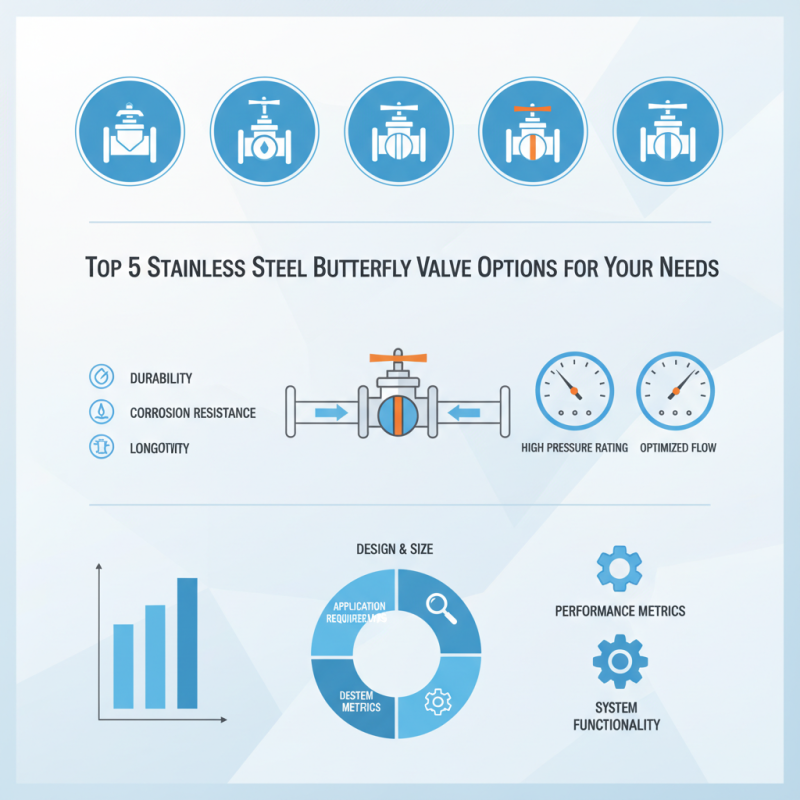
Top 5 Stainless Steel Butterfly Valve Options for Your Needs?
Choosing the right valve for your system can be challenging. Stainless Steel Butterfly Valves are a popular choice for various applications. They offer durability and resistance to corrosion, making them suitable for demanding environments.
When considering these valves, it is essential to look beyond just the material. The design and size play critical roles in efficiency. Each application has unique requirements that influence your choice.
There are numerous options on the market. However, not every Stainless Steel Butterfly Valve will meet your specific needs. It’s important to assess performance metrics like pressure ratings and flow characteristics. Taking the time to evaluate these factors can lead to better functionality and longevity for your systems.
Overview of Stainless Steel Butterfly Valves
Stainless steel butterfly valves are crucial in various industries, known for their durability and efficiency. According to a report by ResearchAndMarkets, the global butterfly valve market is projected to reach $4 billion by 2026, growing at a CAGR of 5.2%. This growth signals increasing demand for reliable and robust valve solutions.
These valves provide excellent corrosion resistance, making them suitable for environments exposed to harsh chemicals. A 2022 study highlighted that stainless steel valves outperform most materials in strength and lifespan. Many industries, including oil and gas, water treatment, and food processing, rely on stainless steel butterfly valves. Their lightweight design allows for easier installation and maintenance, which is vital in reducing operational downtime.
However, challenges exist. While stainless steel valves can withstand high temperatures and pressures, they might not always be the optimal choice for extremely high corrosive applications. Maintenance of these valves is crucial to prevent potential leaks and ensure peak performance. Understanding the specific application requirements is necessary for selecting the right valve. It emphasizes the importance of weighing the advantages against any limitations in specific scenarios.
Key Features to Consider When Choosing Butterfly Valves
When selecting a stainless steel butterfly valve, consider the material quality first. Stainless steel offers corrosion resistance and durability. A good valve should withstand various pressures and temperatures. Additionally, look for valves that feature an easy-to-use manual or automated operation. Comfort in handling can significantly impact your workflow efficiency.
Another key factor is the sealing mechanism. Proper sealing prevents leaks and ensures safe operation. Trims made from materials like EPDM or PTFE enhance performance. Also, evaluate the valve size and connection types. Compatibility with existing piping systems is crucial. Standardized connections make installation simpler, reducing potential issues down the line.
Design is often overlooked but essential. Compact designs save space, especially in tight installations. Check for features like quick-release bolts for maintenance ease. Quality valves should allow for disassembly without special tools. While it can be tempting to opt for cheaper options, investing in a reliable valve can save costs in repairs and replacements. Reflecting on these aspects ensures you choose a butterfly valve that meets your specific operational needs.
Top 5 Recommended Stainless Steel Butterfly Valve Models
When selecting a stainless steel butterfly valve, quality and reliability are key. These valves are essential in various industries, handling liquids and gases effectively. Their design allows for quick operation, offering a reliable solution for flow control. When configured properly, they can last for years, reducing maintenance needs significantly.
Some recommended models prioritize durability and performance. For instance, high-grade stainless steel construction resists corrosion. This is vital for applications in harsh environments. Additionally, look for a valve with a smooth disc operation to ensure easy handling. Simplicity in design often leads to fewer mechanical failures.
The seal quality in these valves is critical, affecting overall efficiency. Choose models praised for their sealing capability, reducing leaks and unwanted flow. Some designs incorporate user-friendly features, making installation and replacement easier. Though many options excel, it’s important to consider your specific requirements. Evaluating your unique conditions will help in making the right choice.
Comparative Analysis of Performance and Durability
When selecting the best stainless steel butterfly valves, performance and durability are crucial to consider. According to industry reports, high-quality stainless steel can withstand high pressures and temperatures, making it ideal for various applications. Valves made from this material exhibit superior resistance to corrosion, enhancing their lifespan. Tests show that top-tier butterfly valves can last over 15 years in demanding environments, like chemicals or power plants.
Tips: Always look for certifications that indicate compliance with international standards. This helps ensure reliability and quality.
A comparative analysis of different designs reveals that factors like seat material and stem design greatly influence performance. Some valves may become less effective over time, particularly with improper maintenance or exposure to harsh conditions. Regular inspections are essential to avoid premature failures.
Tips: Establish a routine maintenance schedule for your valves. This can significantly improve their reliability and overall performance.
Manufacturers often recommend specific grades of stainless steel, but not all provide the same performance metrics. Testing for factors like flow characteristics and torque requirements can help you make informed decisions. Not all valves passed rigorous testing, highlighting the importance of selecting the right option for your specific needs.
Top 5 Stainless Steel Butterfly Valve Options for Your Needs
| Valve Type | Size (inches) | Pressure Rating (psi) | Temperature Range (°F) | Material Grade | Durability Rating |
| Semi-Heavy Duty | 2 | 150 | -20 to 200 | 316 Stainless Steel | Good |
| Heavy Duty | 4 | 300 | -20 to 300 | 304 Stainless Steel | Excellent |
| Light Duty | 3 | 150 | -20 to 150 | 316 Stainless Steel | Fair |
| Corrosion Resistant | 6 | 150 | -50 to 200 | Duplex Stainless Steel | Very Good |
| High Flow | 8 | 150 | -20 to 250 | 316L Stainless Steel | Excellent |
Maintenance Tips for Stainless Steel Butterfly Valves
Maintaining stainless steel butterfly valves is essential for optimal performance. These valves require regular checks to ensure their longevity. Begin with a visual inspection of the valve body. Look for corrosion or pitting. Any signs of wear can lead to potential leaks.
Lubrication is another crucial aspect of maintenance. Use food-grade lubricants to grease stem fittings and seals. This can prevent friction and ensure smooth operation. Remember to replace seals if you notice any signs of leakage. Over time, even quality seals can wear down, affecting the valve’s function.
Cleaning is just as vital. Use mild detergents to clean the valve surfaces. Avoid harsh chemicals that may damage the stainless steel. Ensure that all dirt and debris are removed. This helps avoid blockages that could impair performance. Regular maintenance can save you from costly repairs later. Keep a maintenance log to track any inspections or replacements. This practice builds reliability in your system.