Top 5 Stainless Metal Fabrication Techniques for Global Buyers?
Stainless Metal Fabrication is a critical element in numerous industries, particularly in construction, automotive, and aerospace. According to a recent market report, the stainless steel fabrication market is projected to reach $20 billion by 2027, growing at a compound annual growth rate of 5.5%. This growth underscores the increasing demand for durable, corrosion-resistant materials.
However, the industry faces challenges. Many manufacturers struggle with outdated techniques that can lead to inefficiencies. Effective stainless metal fabrication requires not only innovation but also precise execution to meet diverse global standards. Advanced techniques like laser cutting and TIG welding are becoming essential. Still, adopting these technologies can be daunting for some businesses.
Moreover, understanding the specific needs of clients in different regions is crucial. Buyers must navigate varying quality standards and certifications. They often rely on expert insights to make informed decisions. As we explore the top five fabrication techniques, it is vital to address these complexities. Engineering excellence, quality control, and adaptability are the cornerstones of thriving in this competitive landscape.
Overview of Stainless Metal Fabrication Techniques
Stainless steel fabrication techniques play a crucial role in various industries. They provide strength, durability, and resistance to corrosion. According to industry reports, global stainless steel consumption reached over 50 million metric tons in 2021. This growing demand underscores the importance of efficient fabrication methods.
The welding of stainless steel is a vital fabrication technique. Different methods include TIG, MIG, and spot welding. Each offers distinct advantages depending on the project's requirements. For instance, TIG welding produces high-quality joints but is slower than MIG welding. This balance of speed and quality is crucial for many industrial applications.
Another notable technique is CNC machining. This method allows precise control over the fabrication process, leading to high-quality, repeatable results. Studies indicate that the global CNC machining market is projected to reach $100 billion by 2025, highlighting its growing significance. Nevertheless, it presents challenges. Machining stainless steel can introduce internal stresses, affecting the material's integrity. Understanding these nuances is key for professionals in the field.
Technique 1: Laser Cutting for Precision Shapes
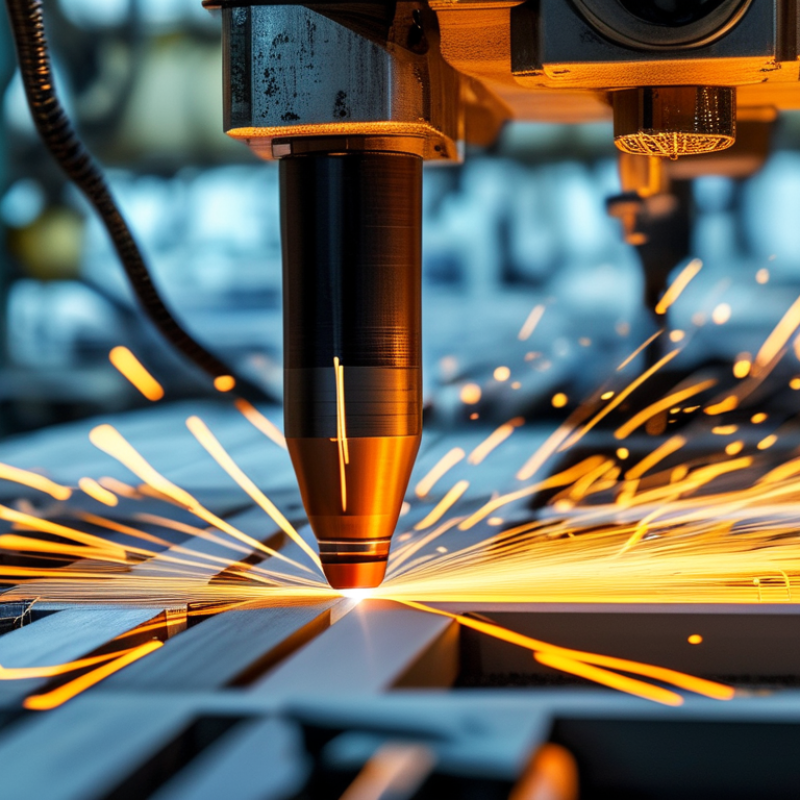
Laser cutting has emerged as a leading technique in stainless metal fabrication. This method utilizes a high-powered laser beam to cut through metal with exceptional precision. According to industry reports, the global laser cutting market is projected to reach $4.5 billion by 2026, showcasing its growing importance in manufacturing. The ability to create intricate shapes and fine details is a significant advantage for buyers.
The precision of laser cutting minimizes material waste. This efficiency not only saves costs but also supports sustainability goals. However, achieving perfect cuts is a nuanced process that requires skilled operators and advanced settings. Variations in thickness, type of stainless steel, and environmental factors can affect the outcome. Reports indicate that nearly 20% of laser cutting operators encounter challenges with production quality, underscoring the need for continuous training and investment in technology.
While laser cutting excels in accuracy, it may not be the best choice for every application. The setup can be expensive, and slower production rates may occur when cutting thicker materials. Buyers must evaluate their specific needs against these limitations. With the right approach, laser cutting remains a transformative method in stainless metal fabrication.
Top 5 Stainless Metal Fabrication Techniques - Laser Cutting Precision Analysis
Technique 2: Welding Methods and Their Applications
Welding methods play a crucial role in stainless metal fabrication. They are essential for creating strong, durable joints in various applications. According to a recent industry report, over 40% of fabricated stainless steel components rely on welding techniques. This statistic highlights the importance of understanding the different welding methods available.
Among the commonly used techniques, MIG (Metal Inert Gas) welding stands out for its versatility. It's well-suited for thin materials, making it popular in automotive and HVAC industries. On the other hand, TIG (Tungsten Inert Gas) welding is known for precision. It produces clean lines and is often chosen for intricate designs, especially in artistic fabrication.
However, not all welding methods are foolproof. Each technique has its limitations. For example, MIG welding may struggle with thicker materials. In contrast, TIG welding can be slower and require a higher level of skill. Workers need training to master these techniques. Continuous advancements in welding technology are also essential. Industry forecasts suggest that automated welding systems could become mainstream, but they require significant investment and technical expertise. These factors should be carefully considered by global buyers when selecting appropriate welding methods for their projects.
Top 5 Stainless Metal Fabrication Techniques for Global Buyers - Technique 2: Welding Methods and Their Applications
| Welding Method | Description | Applications | Advantages |
| TIG Welding | Tungsten Inert Gas welding is a process that uses a non-consumable tungsten electrode to produce the weld. | Thin-walled stainless steel applications, food processing equipment, and aerospace parts. | High precision, excellent finish, and ability to weld a variety of metals. |
| MIG Welding | Metal Inert Gas welding uses a continuous feed of filler metal to create the weld. | Construction, automotive industry, and general fabrication. | Fast welding speed and ease of use. |
| Spot Welding | A resistance welding process that joins metal pieces by applying pressure and electrical current at specific points. | Automotive manufacturing and assembly of stainless steel components. | High production rates and minimal thermal distortion. |
| Submerged Arc Welding | Process involves forming an arc between the electrode and workpiece, submerged under a blanket of granular fusible flux. | Heavy industrial applications like structural steel fabrication and shipbuilding. | Deep penetration and high deposition rate. |
| Laser Welding | Involves using laser beams to melt materials together, providing precision and speed. | Medical devices, electronics, and intricate designs. | Minimal heat-affected zone and high precision. |
Technique 3: CNC Machining in Metal Fabrication
CNC machining has revolutionized metal fabrication. This technique uses computer-controlled tools to create precise components from stainless steel. It's efficient and reduces human error significantly. With CNC machining, complex designs become achievable, ensuring high-quality results. Manufacturers often rely on CNC for its speed and accuracy.
The process begins with a digital model. This model dictates every cut and drill, allowing for intricate detailing. Different tools can be swapped quickly during production. However, the initial setup time can be lengthy. Sometimes, minor adjustments to the design are necessary post-production. This requires skilled operators to ensure everything aligns perfectly.
Quality control is critical in CNC machining. Regular inspections guarantee that parts meet specifications. However, even sophisticated machines can produce faulty parts if not maintained well. This aspect requires constant attention. While CNC machining offers remarkable efficiency, it’s essential to remain vigilant about potential pitfalls.
Technique 4: Metal Forming Processes Explained
Metal forming processes play a significant role in stainless metal fabrication. These techniques convert flat sheets into complex shapes using methods like bending, stretching, and deep drawing. According to industry reports, the global metal forming market is projected to grow at a compound annual growth rate (CAGR) of 5.6% from 2021 to 2028. This growth highlights the increasing demand for precision and efficiency in production.
Bending is one of the most common metal forming techniques. It involves deforming a metal sheet along a straight axis. This process requires specialized tools and expertise to ensure accurate angles and sharp corners. Another crucial technique is deep drawing, often used for creating hollow shapes. This requires precise control over material flow, which can be challenging and may result in defects if not executed properly.
Tips: Always assess the material properties before selecting a forming process. Different metals respond uniquely to bending and stretching. Make sure to work with experienced fabricators who understand these nuances.
Improper execution in forming processes can lead to significant waste. Material scraps increase costs and reduce sustainability. It’s essential to continuously evaluate and refine processes. Regular audits can help identify weaknesses in fabrication techniques.
Conclusion
Stainless Metal Fabrication encompasses a variety of techniques essential for creating precise and durable metal components. Among these, laser cutting emerges as a preferred method for producing intricate shapes with high accuracy. Welding methods also play a crucial role, offering versatile solutions for joining stainless steel parts across different applications. Additionally, CNC machining provides advanced automation and precision, allowing for complex designs to be executed with ease.
Furthermore, the metal forming processes are essential for shaping materials through techniques such as bending and stamping, while surface finishing techniques enhance the aesthetics and corrosion resistance of stainless steel products. Together, these five fabrication techniques highlight the technological advancements in stainless metal fabrication, catering to global buyers seeking quality and efficiency in their metalworking projects.





