


What Are the Top Square Light Types in 2026?

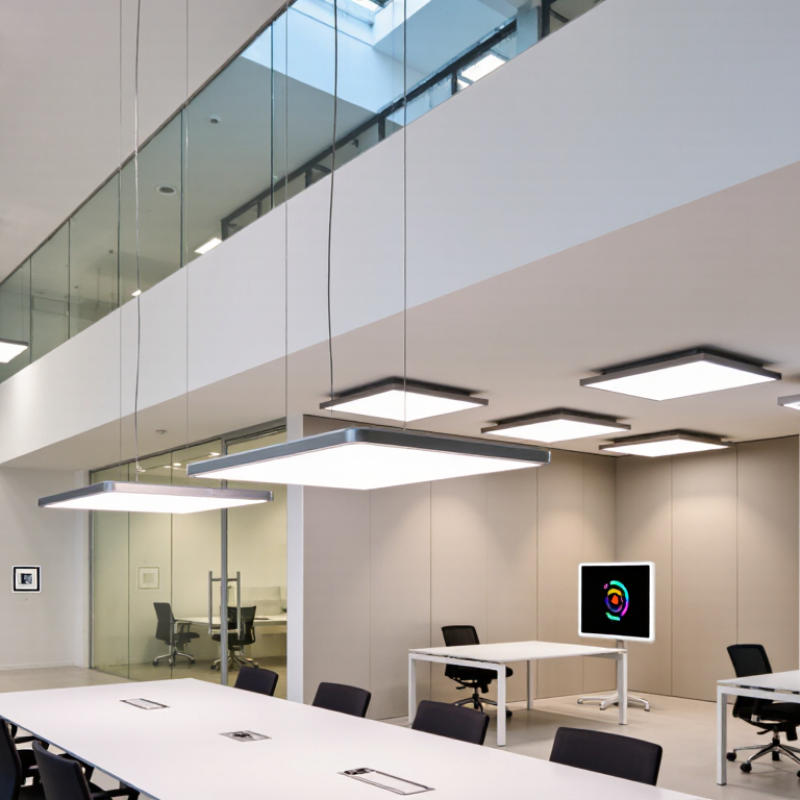
Square Light fixtures are no longer one simple category. In 2026, the right choice depends on room size, ceiling height, visual comfort, and control needs. A slim square LED panel can spread light evenly across an office, while a recessed square downlight creates a quieter, more focused effect. Surface-mounted fixtures suit ceilings where cutting an opening is impractical. Pendant squares bring light closer to a table or counter. Each type solves a different problem.

Lighting researcher and educator Dr. Kevin Houser is a relevant expert voice in lighting design. To avoid presenting an unverified quotation as his, this guide uses an editorial takeaway rather than a direct quote: “Start with the people and tasks; choose the fixture shape afterward.” It is a useful test. A bright fixture may still feel harsh above a kitchen island, and a stylish panel may leave a hallway’s corners dim. Details matter.

This overview compares the leading Square Light types expected to matter in 2026, including recessed, surface-mounted, panel, pendant, and smart options. It considers light distribution, installation, energy use, maintenance, and room fit. Not every trend deserves a place in every room. Some specifications also look clearer on paper than they feel at home. That deserves a second look. By weighing practical performance against appearance, readers can make a more confident choice—without assuming that the newest fixture is automatically the best one.
What Are the Top Square Light Types in 2026?

How Square Lights Are Designed and Classified

What Are the Top Square Light Types in 2026?

Square lights are best classified by how they mount, distribute light, and serve a space. Recessed fixtures sit nearly flush with the ceiling, making them useful where a clean, low-profile look matters. Surface-mounted models attach directly to the ceiling and suit rooms with limited ceiling depth. Suspended square lights hang lower, often creating a defined pool of light over a table or counter. The shape alone tells you little about performance. Lens material, diffuser depth, and beam spread also affect glare and brightness.

Tips: Check the ceiling depth and room use before choosing. Compare the diffuser in person if possible; photographs can hide harsh glare.

Square fixtures also vary by light source and optical layout. Integrated LED panels spread light across a broad, even surface, while downlights send a more focused beam onto floors or worktops. Some models allow dimming or adjustable color temperature, which can help a kitchen feel bright during food preparation and softer later. Look for clear specifications, including output, color temperature, and dimming compatibility. A tidy category chart is useful, but real rooms complicate the choice: ceiling height, pale walls, and reflective counters can all change how light feels. When uncertain, test one fixture before planning a full installation.


The Main Types of Square Lights Available in 2026

In 2026, square lights mainly fall into four practical types: recessed downlights, flat panels, ceiling troffers, and surface-mounted fixtures. Recessed square downlights sit nearly flush with the ceiling and create focused pools of light over counters or hallways. They suit accents, but several can leave uneven patches if spaced poorly. Flat panels spread light across a broad, even surface. They work well in kitchens, offices, and other rooms needing general illumination. Troffers fit suspended grid ceilings, especially in workplaces. Surface-mounted squares attach directly to the ceiling, making them useful where there is little space above it. Simple distinction. Shape alone does not determine performance.

Compare light output, glare control, color temperature, and dimming compatibility before choosing. The U.S. Department of Energy’s Energy Saver guidance says LEDs use at least 75% less energy and last up to 25 times longer than incandescent lighting. That makes efficient LED versions a sensible option across these square-light types, though real savings depend on use and installation. For a small bedroom, a bright panel may feel flat; a dimmable fixture can offer more control. I would still check the ceiling depth and actual room layout before buying. Product labels help, but they cannot show how light will fall across your own walls.

What Are the Top Square Light Types in 2026?

Typical rated power ranges for five common square LED light types

Wattage ranges are indicative examples from commonly available product specifications, not fixed standards. Actual power varies by fixture size, brightness, and design.

How Square Light Types Differ in Performance and Use

Square lights are not one performance category. Recessed square downlights send light downward, making them useful over kitchen counters or narrow corridors. Their focused beams can leave sharp shadows when spaced too far apart. Flat-panel fixtures spread light more evenly across desks and classrooms, but a poorly diffused panel may feel glaring when viewed from below. Surface-mounted squares suit low ceilings and retrofit work because they do not need a deep ceiling cavity. Troffers fit suspended ceiling grids, where their broad output can cover larger work areas.

The U.S. Department of Energy reports that LEDs use at least 75% less energy and can last up to 25 times longer than incandescent lighting. That comparison describes the light source, not every square fixture; optics, driver quality, and heat removal still affect real performance. Check measured lumens, glare ratings, color temperature, and dimming compatibility before choosing. A bright fixture is not always a comfortable one. In a small office, a diffuse panel may reduce harsh desk shadows, while a recessed unit can better highlight a counter. These distinctions are easy to overlook. I would also verify the stated performance in independent test documentation, since product labels do not always reveal how light behaves in an actual room.

Where Each Type of Square Light Works Best

Square recessed panels work best in offices, clinics, and kitchens with suspended ceilings. Their broad, even output reduces harsh pools of light over desks and counters. Choose a diffuse lens when screens or glossy worktops create glare. Surface-mounted square fixtures suit concrete ceilings, narrow hallways, and utility rooms where cutting a ceiling cavity is impractical. They sit lower, though, so check door swings and head clearance.

For retail spaces and workshops, square troffers can spread light across a regular ceiling grid. Compact square downlights are better for entryways, display niches, or focused task areas. They create sharper contrasts, so spacing matters; a neat ceiling can still leave dark corners. In damp locations, select fixtures specifically rated for the exposure, rather than relying on appearance.

Efficiency matters across all these settings. The U.S. Department of Energy reports that LED lighting uses at least 75% less energy and can last up to 25 times longer than incandescent lighting. The IEA’s 2024 Global Status Report says buildings accounted for about 32% of global energy demand in 2023. Those figures favor efficient sources, but they do not guarantee a comfortable room. Match brightness and color temperature to the task, then test the light after installation. A little adjustment may be needed.

How to Choose a Square Light for Your Space

Choosing a square light starts with the room, not the fixture. A low ceiling often suits a flush-mount panel, while a dining table may benefit from a square pendant that brings light closer to the surface. Recessed square lights create a quieter look, but several small fixtures can leave awkward shadows if their spacing is uneven. Measure the ceiling and note nearby cabinets, beams, and doors before deciding.

Match brightness to the task. For a kitchen counter or work area, look for an even spread and check the fixture’s lumen output; for a bedroom, softer, dimmable light may feel more comfortable. Color temperature matters, too: warm white tends to feel relaxed, while neutral white can make details easier to see. Check that the dimmer and light are compatible. It is an easy detail to miss.

Also consider glare, maintenance, and the room’s conditions. A glossy square diffuser can reflect sharply off a polished table, so view samples from seated eye level when possible. In bathrooms or covered outdoor areas, verify the fixture’s damp- or wet-location rating rather than guessing from its appearance. Square lights can look perfectly aligned on a plan and still feel harsh in a real room. I would leave room to adjust spacing after testing one fixture, if installation allows.

What Are the Top Square Light Types in 2026? — How to Choose a Square Light for Your Space

Square Light Type Typical Installation Light Distribution Common Applications Choose It When… Points to Check
Recessed square downlight Set into a compatible ceiling opening; some models require a housing or remodel clips. Focused to moderately wide downward beam; often creates defined pools of light. Kitchens, hallways, bathrooms, and general residential lighting. You want a low-profile fixture with a neat, integrated ceiling appearance. Check ceiling clearance, cutout dimensions, insulation and damp-location ratings, and whether the light is dimmable.
Recessed square LED panel Installed in a suspended ceiling grid or fitted into a suitable recessed opening. Broad, relatively even illumination across a flat diffuser. Offices, classrooms, clinics, and other spaces needing general ambient light. You need uniform overhead lighting across a larger area rather than a narrow accent beam. Confirm panel dimensions match the ceiling system, and compare lumen output, glare control, color temperature, and dimming compatibility.
Surface-mounted square panel Fixed directly to a solid ceiling, usually with a mounting frame or bracket. Broad, diffuse light similar to a recessed panel. Rooms with concrete ceilings, shallow ceiling voids, corridors, and utility areas. A recessed installation is impractical but you still want a slim, flush-looking fixture. Check the mounting method, fixture depth, driver access, and whether the ceiling can support the fixture.
Square ceiling light with exposed frame Surface-mounted or semi-flush mounted to the ceiling. Ambient light through a diffuser; output and softness depend on the diffuser and light source. Bedrooms, living areas, kitchens, and smaller rooms. You want a visible square fixture that is straightforward to install and replace. Consider fixture size relative to the room, diffuser material, cleaning access, and the room's required light level.
Square troffer Recessed into a compatible suspended ceiling grid; commonly used in modular ceiling systems. Wide-area, general illumination, often designed for commercial ceiling layouts. Offices, institutional buildings, retail back-of-house spaces, and classrooms. You need a grid-compatible fixture for a commercial or institutional ceiling. Verify the grid size and ceiling compatibility, along with glare performance, maintenance access, and applicable local requirements.
Square pendant light Suspended from the ceiling using a stem, cable, or suspension system. Downward, upward, or combined light depending on the design. Kitchen islands, dining areas, reception desks, and selected workspaces. You want the fixture to act as a visible design feature or bring light closer to a task surface. Plan suspension height, ceiling support, clearance, and whether the light distribution suits the task below.
Square wall light Mounted on a wall, with wiring and mounting suited to the fixture. Can provide upward, downward, forward, or diffuse light. Hallways, stair areas, bedside lighting, and exterior walls when suitably rated. You need supplementary or decorative light without using ceiling space. Check mounting orientation, installation location, suitable indoor or outdoor rating, and the direction of emitted light.

Selection tip: Compare lumen output, color temperature, color rendering, glare control, dimming compatibility, and installation requirements. Product performance and suitability vary by model; follow local electrical codes and the manufacturer’s instructions.

Powder Coat Booths

For those larger-sized parts, or smaller quantity runs, we have 2 independent powder coat booths and ovens. The quality, durability and affordability of today’s powder coating finishes make this the process of choice for world-class companies.

Powder coating advantages over other forms of coating are many. Materials used in the Powder coating process can be metals and non-metals that come in a multitude of thicknesses, textures, colors, etc. Another of Powder coating’s biggest advantages over conventional coatings is its ability to create finishes in many different textures. Powder Coating Booths allow us the ability to apply these advantages to large products.

Wet Paint Line

Tri-State Fabricators runs a full-service conveyor line for painting. Wet painting can provide protection or decoration to many different part styles. From start to finish, every project is easier to undergo random and point-based inspection by our skilled painting team.

Advantages to our Wet Paint Line are these lines start with product prep and ends with a thorough inspection of a high quality finished product. Our ability to complete large and small projects with a superior finish and doing so in a timely and economical fashion. This passes along the savings in production to our customers. When powder coating ins not an option, our Wet Paint Line gets the job done right the first time.

Wet Paint Booths

When the parts get big and heavy we roll-out our custom paint racks and oversize booth. By utilizing our partnerships with all the major paint brands, we can match virtually any color with wet paint.

The advantages of having access to a Wet Paint Booth are many. Large projects of many different shapes can be loaded into the booth. The Wet Paint Booth offers an environment that is much more controlled than a typical parts painting operation.

Not only are they used because of their controlled environment, but they’re are also advantageous when it comes to applying paint to parts that are needed in industries that require specialty coatings such as medical, aerospace, etc.

Military CARC

Our military forces have some very high standards when it comes to the finish of their vehicles and equipment. From the first pre-treatment step to final coat, it takes a great deal of knowledge and experience to protect the men and women of our armed forces. They deserve only the best, and Tri-State Fabricators provides it.

All of our processes are closely monitored by our staff and management teams. Both of which are highly trained in the processes of metal fabrication and finishing. Tri-State Fabricators’ goal is to always fully satisfy each and every customer, including the military. We will always put a 110% into what we do.

Glass-Bead Blasting

Abrasive media blasting is an excellent way to remove old paint, rust, and increase the paint/powder adhesion. Glass beads produce a much smoother and brighter finish than angular abrasives; leaving the part clean yet without any dimensional change. Chemically inert and environmentally friendly, we can recycle our beads approximately 30 times; making them a more preferred method of metal cleaning or surface finishing.

Advantages to Glass Bead Blasting are many. Glass bead blast media is used when a project is needing rough surfaces need to become smooth for applications of coatings such as paint. It is typically used to clean paint and rust from a product surface without deforming the surface it is being used on. Overall, compared to many other blasting media, Glass Bead Blasting is a very economical choice and those savings are always passed on to our customers.

Part Washing

Tri-State Fabricators utilize a zinc phosphate wash to clean and etch the material to ensure the best paint adhesion possible. The unique design of our 3-stage wash system does the work like a 5-stage. From Cleaning and rinsing to conversion coating and post-treatment, Our Part Washing process is a complete service and works throughout the fabrication service and the finishing service.

Along with the previously mentioned benefits, Curing is a vital chemical reaction that leaves the product finish hard and relatively safe from mild abrasion and aggressive corrosion. This process can be done in more than one way; ambient air-dry or in curing ovens at temps that exceed 240°.

Burn-Off Oven

From fixing paint mistakes (someone else’s of course) to simply cleaning our paint line hooks, our burn-off oven is put to good use. After a quick burn-off, a little clean up, and a fresh coat of paint, your parts will look better than new.

Why does our Burn-Off Oven work so well? Because super heating the air around parts turns the materials into ashes. From paint and powder coatings to rubber and machining oils, high temps do the job without degrading the integrity of the part.

Masking

Masking is a vital part of producing high quality products. We have die-cut masking patterns to protect machined surfaces as well as a wide range of plugs and caps to protect threaded holes and bolts. We provide permanent and temporary masking.

Masking allows the selected sections of a product to be protected from a fabrication or finishing service. This can be with both chemicals when etching and tapes, paints when only finishing just a section of the product. Masking is great in aiding the customization process of a project.

Screen Printing

Screen printing is a photographic process that transfers artwork onto a porous nylon screen which allows colored ink to flow through the screen and be deposited on an aluminum or plastic component. We can generally have just about any design created onto a screen for your parts.

Some of the advantages of Screen Printing are, brand recognition for your business displaying on your products, assembly instructions, product warnings/hazards, etc. Tri-State Fabricators produces Screen Printing of the highest quality so you know it’s durable.

Metal Finishing

Metal Finishing is the art of treating the exterior portion of product, often metal but can also be made of other materials, so that the surface is clean and free of any debris. Then the process of applying coats or either paint of powder coat takes place. This coating process improves the quality of the product in both appearance and resistance to wear and corrosion.

Tri-State Fabricators, Inc., understands that a project typically isn’t complete until a high-quality finish has been added to your product. This is why our painting and powder coating teams continuously inspect the products throughout the Metal Finishing process.
