Top 10 Solar Inverters You Need to Know About?
In today's world, harnessing solar energy is more critical than ever. Solar inverters play a vital role in converting sunlight into usable electricity. Selecting the right solar inverter can significantly impact the efficiency of your solar power system. A good inverter maximizes energy production and ensures optimal performance.
The market offers a wide array of solar inverters, each with unique features. Some may excel in efficiency, while others prioritize cost-effectiveness. Understanding these differences is essential for choosing the best option for your needs. Sometimes, consumers may overlook important specifications, leading to inefficient energy use.
Investing time to research top solar inverters can save money in the long run. This guide highlights ten key solar inverters you should consider. By understanding each option's strengths and weaknesses, you can make more informed decisions. Reliable information is crucial in this rapidly evolving industry. Let's explore these top choices together.
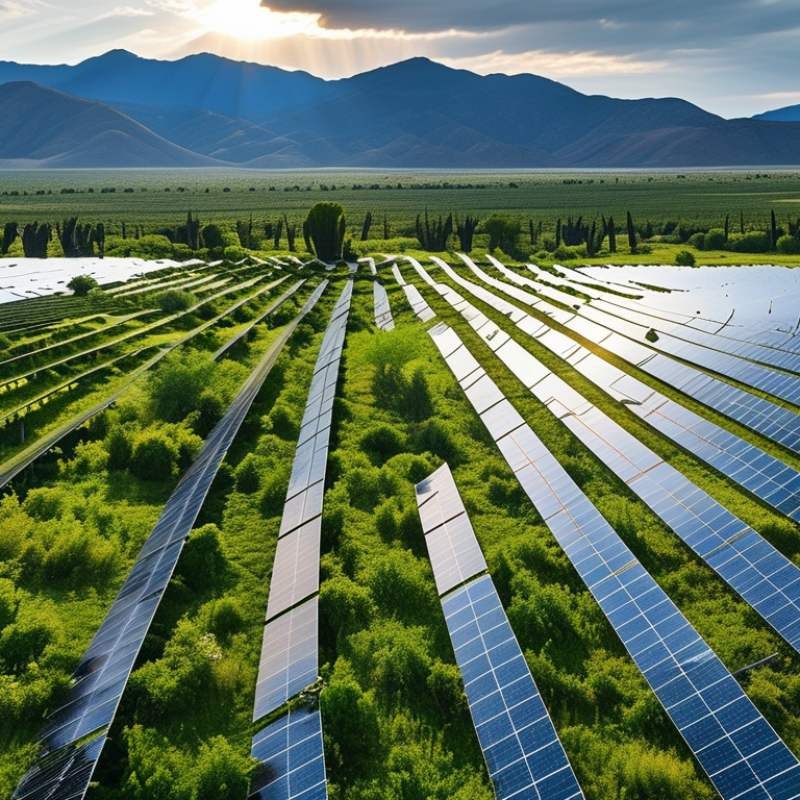
Overview of Solar Inverters and Their Importance in Solar Systems
Solar inverters play a critical role in solar energy systems. They convert the direct current (DC) generated by solar panels into usable alternating current (AC). This conversion is essential for powering homes and businesses. Industry reports suggest that inverters can account for up to 20% of a solar system’s overall cost. Their efficiency directly impacts the system's performance. A high-quality inverter can significantly enhance energy output.
Understanding the different types of inverters is vital. String inverters are the most common. They connect multiple panels in one series. However, if one panel performs poorly, it can reduce the entire system's efficiency. Microinverters offer a different approach. They connect individual panels and optimize performance independently. While they may be more expensive, they can lead to increased energy production, especially in shaded or complex environments.
Reliability is another aspect to consider. Inverter failure can cause energy losses. Some reports indicate that inverter faults are responsible for over 50% of solar system downtime. Users should choose inverters with proven track records for durability and efficiency. Regular maintenance also plays a role in sustaining performance over time. Understanding these factors can guide consumers to make informed choices about their solar investments.
Key Features to Look for in a Solar Inverter
When choosing a solar inverter, several key features are essential. First, efficiency ratings should be a priority. Most modern solar inverters boast efficiencies between 95% and 98%. A top-performing inverter maximizes energy conversion from solar panels to usable electricity.
The type of inverter also matters. String inverters are common for residential systems, while microinverters offer advantages for complicated roof layouts. According to a report by the National Renewable Energy Laboratory, microinverters can boost energy production by up to 23% in shaded conditions. However, string inverters tend to have lower costs and simpler installation.
Monitoring capabilities should not be overlooked. Many inverters now have smartphone apps for real-time performance tracking. This feature allows users to assess energy production and identify potential issues quickly. A recent survey found that 70% of solar users value these monitoring tools for maintenance and energy optimization. Understanding these features can help users choose an inverter that fits both performance needs and budget constraints.
Comparison of Top Solar Inverters Based on Efficiency and Performance
When selecting solar inverters, efficiency and performance are crucial. Recent reports highlight that the overall efficiency of solar inverters ranges from 95% to 99%. Higher efficiency means more solar energy conversion into usable power. The losses can impact long-term savings.
Performance also varies. Some inverters have strong performance in partial shading, which is vital for homes with trees nearby. A study showed that inverters with advanced MPPT (Maximum Power Point Tracking) can boost output by up to 30% under less-than-ideal conditions. Reliability matters too. Inverters that last beyond 10 years require less frequent replacements. This decreases long-term costs.
Yet, data from industry reports indicate that not all inverters live up to their promises. There are outliers with failure rates exceeding 5%. Potential buyers need to scrutinize efficiency ratings closely and demand transparency from producers. Selecting an inverter is a nuanced decision, too many variables exist. Understanding efficiency in the context of personal energy needs is essential for making informed choices.
Top 10 Solar Inverters Comparison Based on Efficiency and Performance
Cost-Effectiveness and Warranty Considerations for Solar Inverters
When choosing a solar inverter, cost-effectiveness and warranty are crucial factors. An inverter's efficiency directly impacts energy savings. Some models boast high conversion rates, but they may come at a premium. Assessing performance against price is essential. A lower-cost inverter might not last as long, leading to replacement expenses.
Warranties vary significantly in the solar inverter market. Many manufacturers offer warranties between five to twelve years. Longer warranties often indicate confidence in product durability. However, longer doesn't always mean better. It's vital to read the fine print. Some warranties cover only certain components. Understanding what's included can save money in the long run.
Moreover, while many inverters promise superior performance, continuous reliability is key. Consumer reviews can reveal real-life experiences. Look for feedback on issues like overheating or failure rates. Don't overlook installation quality, either. Poor installation can negate even the best warranty. Weighing all these aspects is necessary for a wise investment.
Top 10 Solar Inverters You Need to Know About
| Model | Cost (USD) | Efficiency (%) | Warranty (Years) | Features |
| Model A | $1,500 | 98 | 10 | Smart monitoring, compact design |
| Model B | $1,200 | 96 | 12 | Lightweight, extended temperature range |
| Model C | $2,000 | 97 | 15 | Dual MPPT, enhanced safety features |
| Model D | $1,800 | 99 | 20 | Built-in Wi-Fi, robust construction |
| Model E | $1,600 | 95 | 10 | Flexible installation, user-friendly interface |
| Model F | $1,900 | 98 | 15 | Energy storage compatibility, smart technology |
| Model G | $2,200 | 97 | 25 | Vintage aesthetics, high durability |
| Model H | $1,750 | 96 | 12 | Cloud-based monitoring, intuitive design |
| Model I | $1,300 | 94 | 10 | Affordable, entry-level model |
| Model J | $1,400 | 95 | 10 | Easy installation, versatile compatibility |
Future Trends in Solar Inverter Technology and Innovations
As the solar industry evolves, inverter technology is at the forefront of innovation. New advancements are reshaping how we harness solar energy. Smart inverters now incorporate artificial intelligence, enhancing their efficiency. This technology allows them to adapt to varying conditions. With real-time data processing, these inverters optimize energy conversion and system performance.
Wireless communication is gaining traction. It enables seamless integration with home energy management systems. Users can remotely monitor their solar energy systems. This accessibility provides valuable insights. However, the reliance on technology raises questions about privacy and data security. Manufacturers need to address these concerns.
Emerging trends in storage integration are significant. Hybrid inverters that support battery storage are becoming common. This shift provides energy resilience, especially during outages. But implementation challenges persist. Many homeowners lack the understanding of these systems. Education and guidance remain essential to maximize their benefits. Balancing innovation with user knowledge will shape the future of solar inverters.





